The Persistence of Memories: Understanding Brain Damage
You are reading this article because you possess a functioning brain, a remarkable organ that orchestrates your every thought, feeling, and action. But what happens when this intricate network, this biological supercomputer, sustains damage? The persistence of memories, and indeed, the persistence of you, becomes a complex and often harrowing subject when the brain falters. Understanding brain damage is not about morbid fascination; it is about grasping the fundamental architecture of our being and the fragility that underlies our existence. This exploration into the persistence of memories in the face of brain damage aims to illuminate the profound impact these injuries can have, not just on recall, but on the very tapestry of identity. You can learn more about split brain consciousness by watching this insightful video.
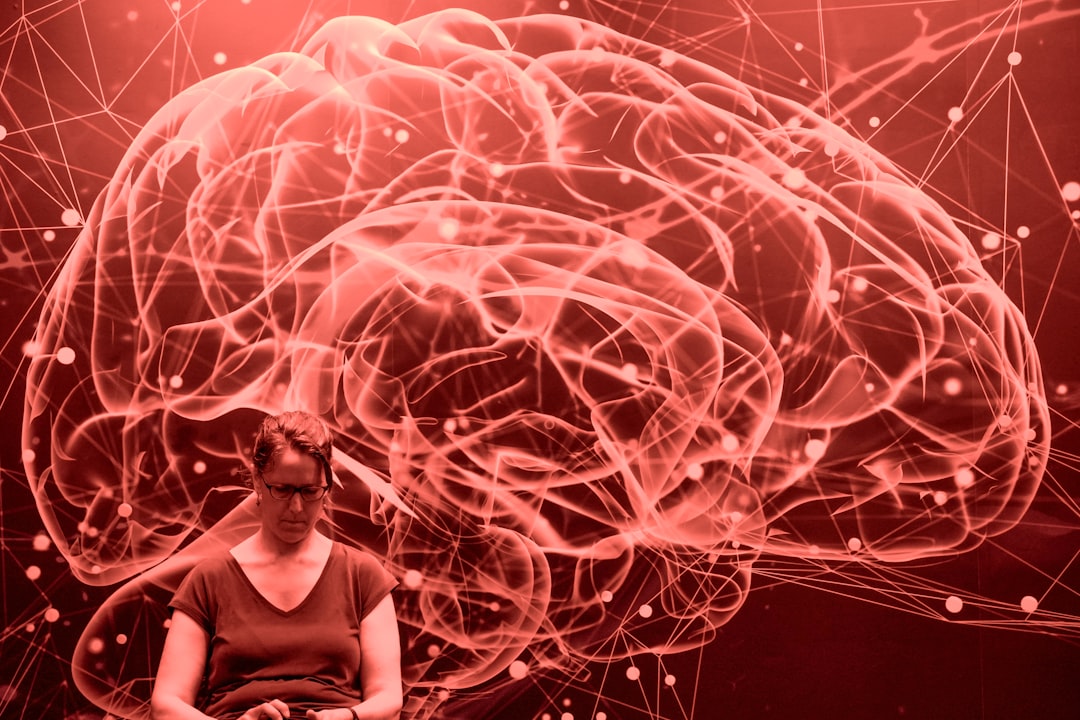
Your brain is not a static entity. It is a vibrant, bustling metropolis, with billions of neurons acting as individual buildings, interconnected by trillions of synaptic highways. Information flows incessantly, creating the landscape of your consciousness. Understanding brain damage begins with appreciating this intricate, dynamic environment.
The Neuron: The City’s Inhabitants
Each neuron is a specialized cell, a miniature communication hub. It receives signals from other neurons, processes them, and then transmits its own signals. This constant chatter forms the basis of all your cognitive functions.
Dendrites: The City’s Inboxes
Dendrites are the branching extensions of a neuron that receive chemical signals from other neurons. Think of them as the mailboxes of each building, collecting incoming messages.
The Soma: The City’s Central Processing Unit
The cell body, or soma, acts as the core processing unit for the neuron. It integrates the incoming signals and decides whether to pass on a signal. This is the command center of the building.
The Axon: The City’s Information Superhighway
The axon is a long projection that transmits electrical signals away from the neuron’s cell body. This is the main road or highway, carrying the processed information to other parts of the city.
Synapses: The Intersections and Communication Hubs
Synapses are the junctions between neurons where information is transmitted. These are the points where buildings connect, allowing for the exchange of messages and the flow of commerce – in this case, neural information.
Neural Networks: The City’s Infrastructure
Neurons don’t operate in isolation. They form complex, interconnected networks that are responsible for specific functions. These networks are the city’s infrastructure – the power grids, the transportation systems, the communication cables.
Specialization: Districts of the City
Different areas of the brain are specialized for different tasks. You have districts dedicated to language, memory, motor control, emotions, and more. Damage to a specific district can disrupt the functioning of that specialized area.
Plasticity: The City’s Ability to Adapt
Your brain is not immutable. It possesses remarkable plasticity, meaning it can reorganize itself by forming new neural connections throughout life. This allows it to adapt to new experiences and, in some cases, to compensate for damage. This is akin to a city rebuilding itself after an earthquake, rerouting traffic and repurposing damaged structures.
Recent research has shed light on the intriguing phenomenon of why brain damage does not necessarily erase memories, suggesting that memories are stored in a distributed manner across various neural networks rather than in isolated regions of the brain. This concept is further explored in an article on Freaky Science, which delves into the complexities of memory formation and retrieval. For more insights on this topic, you can read the article here: Freaky Science.
The Nature of Brain Damage: Disruptions in the Metropolis
Brain damage refers to any form of injury to the brain. This disruption can be caused by a variety of factors, each with its own unique mechanism of cellular and systemic assault. These assaults can be sudden and catastrophic, or insidious and progressive, slowly eroding the city’s foundations.
Traumatic Brain Injury (TBI): The Sudden Catastrophe
TBI occurs when an external force causes a sudden, forceful movement of the brain within the skull. This can be the result of a blow to the head, a violent jolt, or penetration of the skull. Imagine a sudden, violent storm battering the city, causing widespread structural damage.
Impact and Acceleration-Deceleration Injuries: The Collisions
When the head is struck or suddenly stops or changes direction, the brain, being a relatively soft organ, can be thrown against the hard inner surface of the skull.
Coup and Contrecoup: The Initial Impact and Rebound
A coup injury occurs at the site of impact, while a contrecoup injury occurs on the opposite side of the brain as it rebounds. This is like a projectile hitting a building, causing damage at the point of impact, and then the building recoiling, causing further damage on the opposite side.
Penetrating Brain Injuries: The Breaches in the Walls
These injuries occur when an object, such as a bullet or shrapnel, breaches the skull and enters the brain tissue. This is like an invasion, where foreign objects tear through the city’s defenses and cause direct destruction of buildings.
Acquired Brain Injury (ABI): The Broader Assault
ABI is a broader category that encompasses brain damage not caused by external trauma. These injuries can be caused by internal events or ongoing medical conditions. This is a more diverse range of threats to the city, from internal sabotage to environmental hazards.
Stroke: The Blocked or Burst Arteries
A stroke occurs when blood supply to a part of the brain is interrupted, either by a blockage (ischemic stroke) or by bleeding (hemorrhagic stroke). This is like a major disruption to the city’s water or power supply, leading to the shutdown of essential services in affected districts.
Ischemic Stroke: The Blockage
Blood clots can form in brain arteries or travel from elsewhere in the body to block blood flow to the brain. This is akin to a dam forming in a vital river, cutting off water to a significant part of the city.
Hemorrhagic Stroke: The Rupture
Blood vessels in the brain can rupture, leading to bleeding into the brain tissue. This is like a burst water main, flooding and damaging the surrounding areas.
Brain Infections: The Invading Pathogens
Infections like meningitis and encephalitis can inflame and damage brain tissue. This is like a viral epidemic sweeping through the city, infecting and incapacitating the inhabitants.
Brain Tumors: The Uncontrolled Growth
Tumors are abnormal growths of cells that can develop within the brain. They can damage brain tissue directly by pressing on it or indirectly by blocking the flow of cerebrospinal fluid. Imagine rogue construction projects that expand uncontrollably, encroaching on existing buildings and disrupting infrastructure.
Neurodegenerative Diseases: The Slow Decay
Conditions like Alzheimer’s disease and Parkinson’s disease involve the progressive degeneration of specific types of neurons. This is a slow, relentless erosion of the city’s infrastructure, where buildings gradually crumble and disappear over time.
The Impact on Memory: Lost Files and Corrupted Data

Memory is not a single entity stored in one location. It is a complex process involving the encoding, storage, and retrieval of information, distributed across various neural networks. Brain damage can disrupt any of these stages, leading to profound deficits in what you remember and how you remember it. Think of memory as files stored on a computer; brain damage can lead to lost files, corrupted data, or a malfunctioning search engine.
Retrograde Amnesia: Forgetting the Past
Retrograde amnesia is the inability to recall events that occurred before the brain injury. The further back in time the memories are, the more likely they are to be affected. This is like losing access to the city’s historical archives – the records of its past are gone.
Personal Memories: The Personal Photo Albums
Damage to areas involved in storing episodic memories (memories of personal experiences) can lead to the loss of recollection of your life events, relationships, and personal history. These are your individual photo albums, now empty or filled with blurred images.
Semantic Memories: The City’s Encyclopedia
Semantic memories refer to general knowledge about the world, such as facts, concepts, and language. Damage to areas involved in semantic memory can impair your ability to recall this information. This is like losing access to the city’s central library and its vast collection of information.
Anterograde Amnesia: The Inability to Form New Memories
Anterograde amnesia is the inability to form new memories after the brain injury. Events that occur after the injury are not encoded into long-term memory. This is like the city’s administrative offices shutting down, preventing any new records from being filed.
Encoding Deficits: The Blank Pages
The initial stage of memory formation, encoding, is impaired. New information cannot be processed and stored effectively. This is like trying to write on blank pages that immediately disappear.
Consolidation Failures: The Unstable Archives
Even if some information is encoded, it cannot be consolidated into long-term storage. These memories remain fragile and are easily lost. This is like setting up temporary archives that are constantly being dismantled.
Other Memory Challenges: Glitches in the System
Brain damage can also lead to more subtle but significant memory problems.
Confabulation: Fabricating the Missing Pieces
Confabulation is the creation of false memories to fill in gaps in recollection. The individual is not intentionally lying; they genuinely believe these fabricated memories are true. This is like the city’s record keepers trying to fill in missing historical documents with plausible but invented narratives.
Source Monitoring Errors: Misattributing Information
Difficulty in remembering where or when information was learned. The individual might recall a fact but not the source of that knowledge. This is akin to receiving information without knowing which building or department it originated from.
Priming and Implicit Memory: The Resilient Echoes
Sometimes, even with severe amnesia, procedural memories (skills and habits) and implicit memories (unconscious influences of past experiences) can remain relatively intact. This is like the city’s underlying infrastructure and utility systems remaining functional even if the administrative offices are shut down. You might not remember learning to ride a bike, but you can still ride one.
Diagnosis and Assessment: Mapping the Damaged Territory

Diagnosing brain damage and assessing its impact on memory involves a multi-faceted approach, much like a cartographer trying to map an altered landscape.
Neurological Examination: The Initial Survey
A comprehensive neurological examination allows a physician to assess your motor function, sensory perception, reflexes, coordination, and cognitive abilities. This is the initial aerial survey of the damaged territory.
Neuropsychological Testing: The Detailed Mapping
Neuropsychological tests are specifically designed to evaluate various cognitive functions, including different types of memory. These tests provide a detailed map of the cognitive landscape.
Memory Assessment Tools: The Survey Equipment
Tests might include recalling word lists, remembering stories, recognizing faces, or recalling personal events. These are the specialized tools used for detailed mapping.
Executive Function Tests: Assessing Planning and Problem-Solving
Damage can affect not just recall but also the ability to plan, organize, and solve problems, which are crucial for everyday functioning. These tests assess the administrative and logistical capabilities of the city.
Neuroimaging Techniques: Visualizing the City’s Structure
Advanced imaging technologies allow for visualization of the brain’s structure and function, helping to identify the location and extent of the damage. This is like using satellite imagery and ground-penetrating radar to see the physical damage to the city.
Magnetic Resonance Imaging (MRI): The High-Resolution Blueprint
MRI provides detailed images of brain tissue, allowing for the identification of lesions, tumors, and other structural abnormalities. This is like a high-resolution blueprint of the city, showing the precise location and size of damaged buildings.
Computed Tomography (CT) Scan: The Initial Overview
CT scans offer cross-sectional images of the brain and are often used in emergency situations to quickly detect acute bleeding or significant structural damage. This is the initial overview, providing a quick assessment of the overall damage extent.
Positron Emission Tomography (PET) Scan: Assessing Brain Activity
PET scans can measure metabolic activity in the brain, helping to identify areas of reduced or increased activity that may indicate functional impairment. This is like assessing the flow of electricity or traffic within the city to understand where the systems are working and where they are faltering.
Recent studies have shown that brain damage does not necessarily erase memories, which can be surprising given the common belief that physical harm to the brain would lead to memory loss. In fact, research indicates that certain types of memories may remain intact even after significant brain injuries. For a deeper understanding of this phenomenon, you can explore an insightful article that discusses the complexities of memory retention despite brain damage. This article provides valuable information on how memories are stored and retrieved, highlighting the resilience of the human mind. To read more about this intriguing topic, visit this link.
Rehabilitation and Coping: Rebuilding and Adapting
| Metric | Description | Value/Example |
|---|---|---|
| Memory Storage Location | Memories are stored across multiple brain regions, not a single spot | Distributed networks in hippocampus, cortex, amygdala |
| Neural Plasticity | Brain’s ability to reorganize and form new connections after damage | Synaptic remodeling and neurogenesis |
| Redundancy | Multiple pathways encode similar memories, providing backup | Parallel circuits in memory networks |
| Memory Type Affected | Different types of memories (e.g., procedural vs. declarative) are stored differently | Procedural memories often preserved despite damage to hippocampus |
| Extent of Damage | Severity and location of brain injury influence memory loss | Partial damage may impair recall but not erase memory |
| Time Since Memory Formation | Older memories are more resistant to damage due to consolidation | Remote memories often intact after injury |
| Synaptic Strength | Strong synaptic connections are less likely to be lost | Long-term potentiation stabilizes memory traces |
While reversing brain damage is often not possible, rehabilitation can help individuals regain lost function and develop strategies to cope with persistent deficits. This is the process of rebuilding damaged districts and adapting to the new cityscape.
Cognitive Rehabilitation: Retooling the City’s Workers
Cognitive rehabilitation aims to improve cognitive functioning through targeted exercises and strategies. This involves retraining the city’s workers to perform their tasks more efficiently.
Memory Aids and Strategies: New Tools for the Job
Using calendars, diaries, alarms, and mnemonic devices can help individuals with memory impairment manage their daily lives. These are like providing new tools and updated instruction manuals for the city’s inhabitants.
Compensatory Strategies: Finding New Routes
Developing alternative ways to perform tasks that were previously reliant on damaged cognitive functions. This is about finding new routes and methods to navigate the city when familiar roads are blocked.
Therapeutic Interventions: Addressing the Human Element
Beyond cognitive retraining, emotional and behavioral support is crucial.
Occupational Therapy: Reintegrating into Daily Life
Occupational therapists help individuals relearn or adapt daily living skills, making them more independent. This is about ensuring the citizens can continue to live productive lives within the altered city.
Speech Therapy: Restoring Communication Channels
Speech therapists assist with communication difficulties, which are common after brain injury. This is about repairing and optimizing the city’s communication networks.
Psychological Support: The City’s Mental Well-being
Counseling and support groups can help individuals and their families cope with the emotional and psychological impact of brain damage. This is about tending to the morale and mental well-being of the city’s population.
The persistence of memory, or its profound absence, serves as a stark reminder of the intricate symphony that is the human brain. Understanding brain damage is not just about clinical observation; it is about recognizing the vulnerability of our very selves and the resilience that can emerge in the face of profound challenges. Your brain, that complex metropolis, can be battered, but the drive to rebuild and to persist, though changed, can remain.
FAQs
1. Can brain damage completely erase a person’s memories?
No, brain damage typically does not completely erase a person’s memories. While certain types of brain injury can impair memory formation or recall, many memories remain intact because they are stored in different areas of the brain.
2. How does the brain store memories if damage doesn’t delete them?
Memories are stored through complex networks of neurons and synapses across various regions of the brain. This distributed storage means that damage to one area may affect some memories but not completely delete them, as other parts of the brain can still retain or compensate for those memories.
3. What types of memory are most affected by brain damage?
Brain damage often affects short-term memory and the ability to form new memories (anterograde amnesia) more than long-term memories. Damage to the hippocampus, for example, can impair new memory formation while older memories remain accessible.
4. Can memories be recovered after brain damage?
In some cases, memories that seem lost after brain damage can be partially or fully recovered over time, especially with rehabilitation and therapy. The brain’s plasticity allows it to reorganize and form new connections that can help retrieve or reconstruct memories.
5. Why doesn’t brain damage delete memories entirely?
Because memories are stored in multiple brain regions and involve complex neural networks, damage to one area usually does not eliminate all traces of a memory. Additionally, some memories are more resilient due to their emotional significance or repeated recall, making complete deletion unlikely.