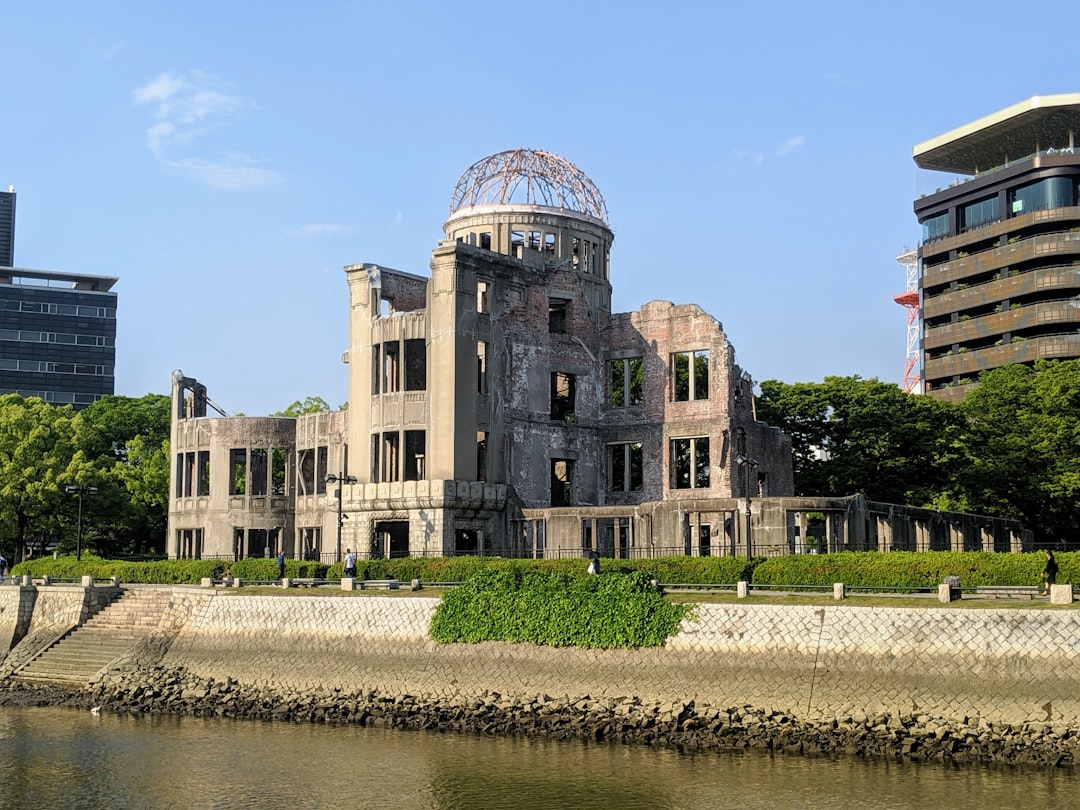
The history of nuclear weapons is a complex narrative that intertwines scientific discovery, military strategy, and international relations. The journey began in the early 20th century with the groundbreaking work of physicists such as Albert Einstein and Niels Bohr, who laid the theoretical groundwork for nuclear fission. The culmination of these scientific advancements occurred during World War II, when the United States initiated the Manhattan Project.
This secretive endeavor aimed to develop an atomic bomb before Nazi Germany could achieve the same goal.
The aftermath of these bombings marked a significant turning point in global politics.
The sheer destructiveness of nuclear weapons prompted a reevaluation of military strategies and international relations. The Cold War era saw an arms race between the United States and the Soviet Union, as both superpowers sought to amass vast arsenals of nuclear weapons. This period was characterized by a doctrine of mutually assured destruction (MAD), which posited that the threat of total annihilation would deter both sides from engaging in direct conflict.
The proliferation of nuclear technology during this time also led to concerns about its spread to other nations, setting the stage for ongoing debates about disarmament and non-proliferation.
Key Takeaways
- Nuclear weapons have evolved from their historical origins to become central to global security concerns.
- Current nuclear powers maintain significant arsenals, while proliferation risks introduce new potential nuclear states.
- Non-state actors pose unique challenges to nuclear security and increase the complexity of preventing nuclear conflict.
- International treaties, diplomacy, and global cooperation are critical tools in reducing nuclear threats and preventing war.
- The humanitarian and environmental consequences of nuclear war underscore the urgent need for effective prevention strategies.
Current Nuclear Powers and Their Arsenals
As of 2023, several nations possess nuclear weapons, each with varying capabilities and strategic doctrines. The recognized nuclear powers include the United States, Russia, China, France, and the United Kingdom, all of which are signatories to the Treaty on the Non-Proliferation of Nuclear Weapons (NPT). These countries maintain significant arsenals, with thousands of warheads ready for deployment.
The United States and Russia hold the largest stockpiles, with estimates suggesting that each possesses over 6,000 nuclear warheads. This immense firepower underscores the ongoing tension between these two nations, as they continue to modernize their nuclear capabilities while engaging in arms control negotiations. In addition to these established powers, several other countries have developed nuclear weapons outside the NPT framework.
Nations such as India, Pakistan, and North Korea have conducted nuclear tests and possess operational arsenals. India’s and Pakistan’s nuclear capabilities emerged from regional rivalries, particularly over Kashmir, while North Korea’s pursuit of nuclear weapons has been driven by a desire for regime security and deterrence against perceived threats from the United States and its allies. The existence of these additional nuclear states complicates global security dynamics and raises concerns about potential conflicts that could escalate into nuclear exchanges.
Nuclear Proliferation and the Threat of New Nuclear States
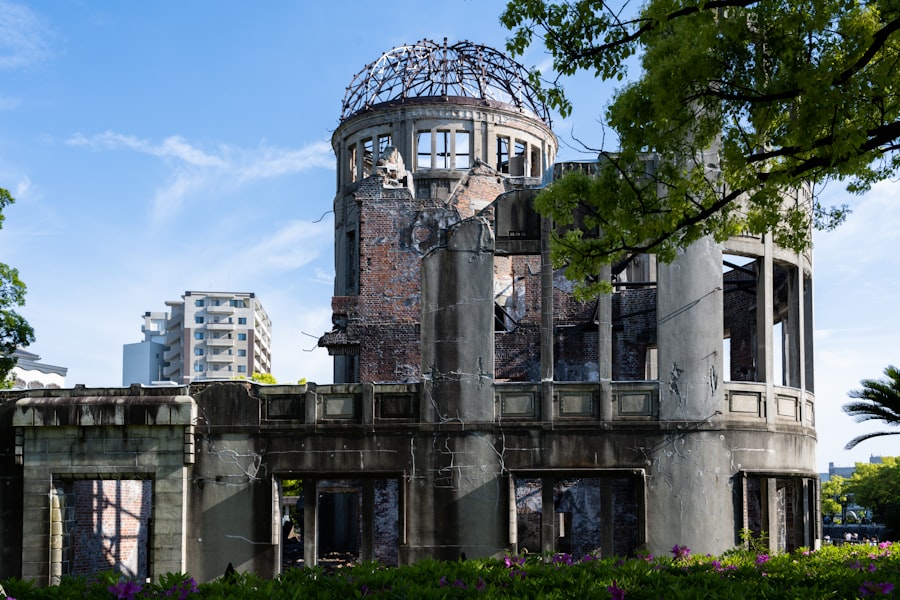
Nuclear proliferation remains a pressing concern for global security, as more nations seek to acquire nuclear capabilities. The motivations behind this pursuit are varied; some countries view nuclear weapons as essential for national security, while others see them as symbols of prestige and power on the international stage. The potential for new nuclear states poses significant risks, as it increases the likelihood of regional conflicts escalating into nuclear confrontations.
Moreover, the spread of nuclear technology raises fears that rogue states or non-state actors could gain access to these weapons. Efforts to curb proliferation have been met with mixed success. The NPT has played a crucial role in limiting the number of nuclear-armed states since its inception in 1970.
However, challenges persist, particularly with nations like Iran pursuing nuclear programs under the guise of civilian energy needs. Diplomatic efforts to address these concerns have often been fraught with tension, as countries grapple with balancing their sovereign rights to develop technology against the imperative to prevent the spread of weapons of mass destruction. The international community must remain vigilant in addressing proliferation risks while fostering an environment conducive to disarmament.
The Role of Non-State Actors in Nuclear Warfare
The emergence of non-state actors in global conflicts has introduced new complexities to the landscape of nuclear warfare. Groups such as terrorist organizations pose unique challenges, as they may seek to acquire or develop nuclear materials for malicious purposes. The potential for a non-state actor to detonate a nuclear device in a populated area represents one of the most alarming scenarios for global security.
Such an event could lead to catastrophic loss of life and widespread panic, fundamentally altering the nature of warfare and international relations. Efforts to prevent non-state actors from obtaining nuclear capabilities have intensified in recent years. Governments and international organizations have implemented measures to secure nuclear materials and enhance intelligence-sharing among nations.
However, the clandestine nature of many terrorist organizations makes it difficult to predict their intentions or capabilities accurately. As long as geopolitical tensions persist and grievances remain unaddressed, the threat posed by non-state actors will continue to loom large over global security.
The Impact of Nuclear War on Global Security
| Metric | Value | Unit | Source | Year |
|---|---|---|---|---|
| Number of Nuclear Warheads Globally | 13,080 | warheads | Stockholm International Peace Research Institute (SIPRI) | 2023 |
| Estimated Probability of Nuclear War (Next 10 Years) | 0.05 | 5% | Experts Survey (Future of Humanity Institute) | 2022 |
| Number of Countries with Nuclear Weapons | 9 | countries | Arms Control Association | 2023 |
| Global Nuclear War Fatalities (Hypothetical) | 500,000,000 | people | Scientific Models | 2020 |
| Number of Nuclear Tests Conducted | 2,056 | tests | Comprehensive Nuclear-Test-Ban Treaty Organization (CTBTO) | 2023 |
| Global Nuclear War Risk Index | 7.2 | scale 1-10 | Global Catastrophic Risk Institute | 2023 |
The potential consequences of nuclear war extend far beyond immediate destruction; they encompass profound implications for global security and stability. A nuclear exchange between major powers could result in millions of casualties within minutes, but the long-term effects would be equally devastating. The environmental impact would include widespread radioactive contamination, leading to long-lasting health issues for survivors and rendering vast areas uninhabitable.
Additionally, a nuclear conflict could trigger economic collapse on a global scale, disrupting trade networks and leading to food shortages. Moreover, the psychological ramifications of nuclear war would be felt across generations. Societies would grapple with trauma and fear, leading to increased tensions between nations and communities.
The specter of nuclear conflict could also prompt countries to adopt more aggressive military postures, further destabilizing international relations. In this context, it becomes clear that preventing nuclear war is not merely a matter of military strategy; it is essential for safeguarding humanity’s future.
The Humanitarian Consequences of Nuclear War
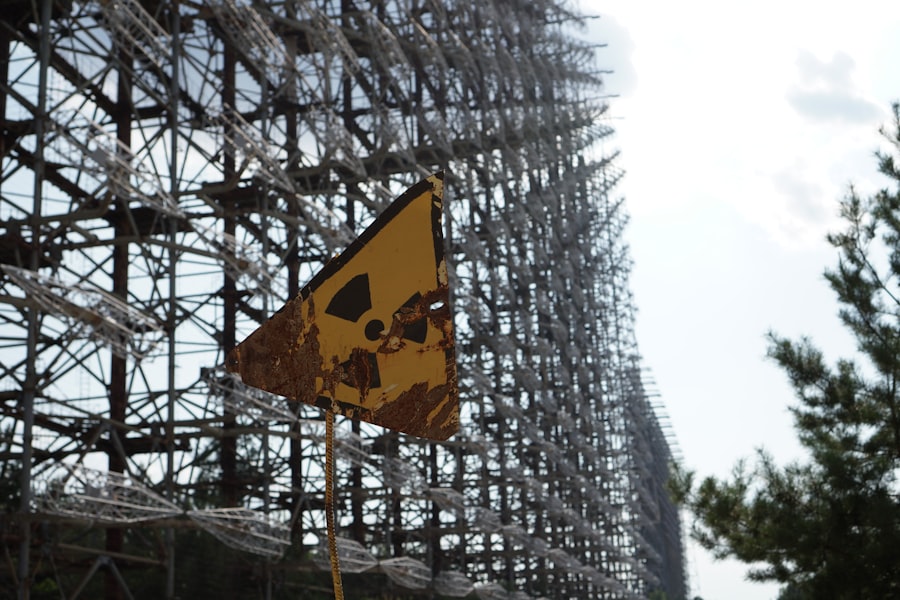
The humanitarian consequences of nuclear war are staggering and multifaceted. Beyond the immediate loss of life from blasts and radiation exposure, survivors would face a myriad of challenges in the aftermath. Medical facilities would be overwhelmed or destroyed, making it difficult to treat injuries or manage radiation sickness.
Access to clean water and food supplies would be severely compromised, leading to widespread famine and disease outbreaks. Furthermore, the psychological toll on survivors cannot be underestimated. Those who endure such catastrophic events may experience long-term mental health issues, including post-traumatic stress disorder (PTSD), depression, and anxiety.
Communities would struggle to rebuild in the face of loss and trauma, creating a cycle of suffering that could persist for generations. The humanitarian implications extend beyond national borders; a nuclear conflict could trigger mass migrations as people flee affected areas, placing additional strain on neighboring countries and international aid organizations.
The Risks and Consequences of Accidental Nuclear War
Accidental nuclear war represents one of the most insidious threats in an age where tensions between nuclear-armed states remain high. Historical incidents have demonstrated how miscommunication or technical malfunctions can lead to near-catastrophic outcomes. For instance, during the Cold War, there were several instances where false alarms prompted military responses that could have escalated into full-scale conflict if not for timely interventions by level-headed leaders.
The consequences of an accidental launch could be devastating. A single miscalculation could trigger a chain reaction leading to widespread destruction and loss of life on an unimaginable scale. Moreover, once a nuclear weapon is deployed, it is nearly impossible to contain its effects; retaliation would likely follow swiftly, resulting in a catastrophic escalation that could engulf entire regions in conflict.
As such, ensuring robust safeguards against accidental launches is paramount for maintaining global security.
The Role of International Treaties and Agreements in Preventing Nuclear War
International treaties and agreements play a crucial role in mitigating the risks associated with nuclear weapons. The Treaty on the Non-Proliferation of Nuclear Weapons (NPT) stands as a cornerstone in efforts to prevent the spread of nuclear arms while promoting disarmament among existing powers. By establishing a framework for dialogue and cooperation among nations, treaties like the NPT foster an environment conducive to reducing tensions and building trust.
In addition to the NPT, various arms control agreements have been negotiated over the years to limit specific types of nuclear weapons or delivery systems. Treaties such as the Strategic Arms Reduction Treaty (START) between the United States and Russia have led to significant reductions in deployed warheads and delivery vehicles.
Strengthening international frameworks for disarmament is essential for ensuring that progress continues toward a world free from the threat of nuclear conflict.
The Role of Diplomacy in Mitigating the Threat of Nuclear War
Diplomacy serves as a vital tool in addressing the complex challenges posed by nuclear weapons. Through dialogue and negotiation, nations can work toward resolving disputes peacefully rather than resorting to military confrontation. Diplomatic efforts can take various forms, from bilateral talks between adversaries to multilateral summits involving multiple stakeholders aimed at fostering cooperation on disarmament issues.
Successful diplomacy requires patience and persistence; building trust among nations often takes years or even decades. However, historical examples demonstrate that diplomatic engagement can yield significant results. The thawing of relations between the United States and Iran following years of negotiations over its nuclear program illustrates how diplomacy can lead to tangible outcomes that enhance regional stability.
As global tensions continue to rise, prioritizing diplomatic solutions will be essential for preventing conflicts from escalating into catastrophic wars.
The Role of Technology in the Future of Nuclear Warfare
As technology continues to advance at an unprecedented pace, its implications for nuclear warfare are profound and multifaceted. Innovations in artificial intelligence (AI), cyber capabilities, and missile defense systems are reshaping military strategies worldwide. While these advancements hold promise for enhancing deterrence and defense mechanisms, they also introduce new risks that must be carefully managed.
For instance, AI-driven systems may improve decision-making processes during crises but could also lead to unintended escalations if misinterpreted by human operators or adversaries. Similarly, cyberattacks targeting critical infrastructure related to nuclear command-and-control systems pose significant threats; a successful breach could disrupt communication channels or even trigger accidental launches. As nations navigate this evolving technological landscape, it is imperative that they prioritize transparency and cooperation to mitigate risks associated with emerging technologies in relation to nuclear warfare.
The Importance of Global Cooperation in Preventing Nuclear War
Preventing nuclear war necessitates robust global cooperation among nations committed to disarmament and non-proliferation efforts. In an increasingly interconnected world where threats transcend borders, collaborative approaches are essential for addressing shared challenges effectively. International organizations such as the United Nations play a pivotal role in facilitating dialogue among member states while promoting norms against the use of nuclear weapons.
Moreover, fostering partnerships between governments, civil society organizations, and academic institutions can enhance public awareness about the dangers posed by nuclear weapons while advocating for disarmament initiatives. Grassroots movements advocating for peace can influence policymakers by emphasizing humanitarian perspectives on nuclear warfare’s consequences. Ultimately, achieving lasting progress toward a world free from nuclear threats will require sustained commitment from all sectors—governments must work together across political divides while engaging citizens in meaningful conversations about security priorities.
In conclusion, navigating the complexities surrounding nuclear weapons demands concerted efforts at multiple levels—historical lessons inform current strategies while ongoing challenges necessitate innovative solutions rooted in diplomacy and cooperation among nations committed to safeguarding humanity’s future from catastrophic conflict.
The risk of nuclear war has become a pressing concern in today’s geopolitical climate, with various experts analyzing the potential consequences and preventive measures. For a deeper understanding of this critical issue, you can read the article on nuclear risks and their implications on Freaky Science. This resource provides valuable insights into the factors that contribute to nuclear tensions and the importance of international diplomacy in mitigating these threats.
WATCH THIS! 🌌 Where Is Everybody? The Discovery That Would End Civilization 🌌
FAQs
What is nuclear war risk?
Nuclear war risk refers to the potential threat or likelihood of a conflict involving the use of nuclear weapons, which could result in widespread destruction and loss of life.
What factors contribute to the risk of nuclear war?
Factors include geopolitical tensions, nuclear proliferation, misunderstandings or miscommunications between nuclear-armed states, technological failures, and the presence of unstable or aggressive regimes.
How many countries currently possess nuclear weapons?
As of now, nine countries are known to possess nuclear weapons: the United States, Russia, China, France, the United Kingdom, India, Pakistan, North Korea, and Israel (though Israel has not officially confirmed its arsenal).
What are the potential consequences of a nuclear war?
Consequences include massive loss of life, long-term environmental damage, nuclear fallout, global climate effects such as nuclear winter, economic collapse, and severe disruption to global infrastructure and society.
Are there international efforts to reduce the risk of nuclear war?
Yes, international efforts include treaties such as the Treaty on the Non-Proliferation of Nuclear Weapons (NPT), arms reduction agreements like New START, diplomatic dialogues, and organizations like the United Nations promoting disarmament and conflict resolution.
Can nuclear war be prevented?
While it cannot be guaranteed, nuclear war risk can be reduced through diplomacy, arms control agreements, confidence-building measures, non-proliferation efforts, and maintaining open communication channels between nuclear-armed states.
What role do nuclear deterrence strategies play in nuclear war risk?
Nuclear deterrence aims to prevent war by ensuring that any nuclear attack would result in devastating retaliation. While it may reduce the likelihood of direct conflict, it also maintains a constant risk of escalation or accidental war.
How does nuclear proliferation affect the risk of nuclear war?
Nuclear proliferation increases the number of actors with nuclear capabilities, which can raise the risk of conflict, accidental launches, or nuclear weapons falling into the hands of non-state actors or unstable regimes.
What is the difference between tactical and strategic nuclear weapons?
Tactical nuclear weapons are designed for use on the battlefield with shorter ranges and lower yields, while strategic nuclear weapons have longer ranges and higher yields intended to target an enemy’s infrastructure or population centers.
What measures are in place to prevent accidental nuclear war?
Measures include secure command and control systems, fail-safe mechanisms, communication protocols, early warning systems, and agreements between nuclear states to reduce misunderstandings and accidental launches.