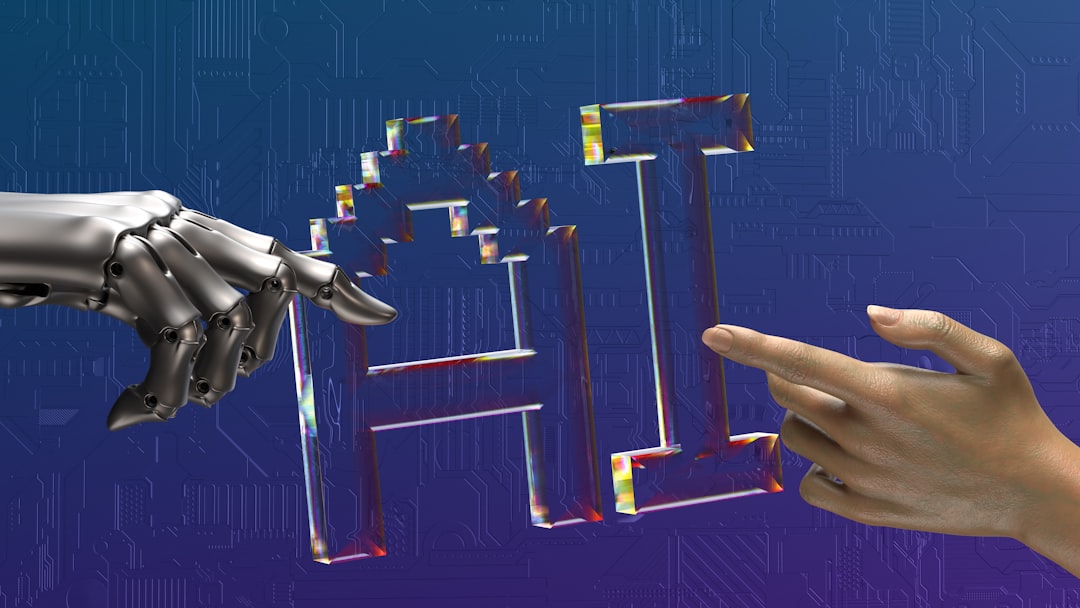
In the contemporary world, artificial intelligence (AI) has emerged as a transformative force, reshaping various aspects of human interaction and communication on a global scale. The advent of AI technologies has not only enhanced the efficiency of communication but has also bridged linguistic and cultural divides that once seemed insurmountable. As societies become increasingly interconnected through digital platforms, the role of AI in facilitating global communication has become more pronounced.
This evolution is not merely a technological advancement; it represents a fundamental shift in how individuals and organizations engage with one another across borders. The integration of AI into communication processes has led to significant improvements in the speed and accuracy of information exchange. From real-time language translation to automated customer service, AI tools are redefining the landscape of global communication.
As businesses expand their reach into international markets, the need for effective communication strategies becomes paramount. AI’s capabilities in processing vast amounts of data and generating insights are proving invaluable in navigating the complexities of cross-cultural interactions. This article delves into the multifaceted role of AI in global communication, exploring its impact on language translation, cross-cultural exchanges, social media dynamics, business collaboration, and more.
Key Takeaways
- AI is revolutionizing global communication by enabling language translation and interpretation in real-time.
- AI is bridging the gap in cross-cultural communication by providing accurate and culturally sensitive translations.
- AI is transforming social media and online communication through personalized content creation and targeted advertising.
- AI is enhancing business communication and global collaboration by facilitating efficient and effective communication across language barriers.
- AI is reshaping international news and information sharing by providing instant translation and analysis of global events.
AI’s Role in Language Translation and Interpretation
One of the most significant contributions of AI to global communication is its role in language translation and interpretation. Traditional methods of translation often relied on human expertise, which, while valuable, could be time-consuming and prone to errors. With the advent of AI-driven translation tools, such as Google Translate and DeepL, the landscape has shifted dramatically.
These platforms utilize machine learning algorithms to analyze vast datasets of multilingual text, enabling them to provide translations that are not only faster but also increasingly accurate. This technological advancement has made it possible for individuals and businesses to communicate across language barriers with unprecedented ease. Moreover, AI’s capabilities extend beyond mere word-for-word translation.
Advanced natural language processing (NLP) techniques allow AI systems to understand context, idiomatic expressions, and cultural nuances that are often lost in traditional translation methods. This contextual understanding is crucial for effective communication, particularly in sensitive or nuanced discussions. As a result, AI-powered translation tools are becoming essential for international diplomacy, global business negotiations, and even personal interactions among individuals from diverse linguistic backgrounds.
The ability to communicate seamlessly across languages fosters collaboration and understanding, ultimately contributing to a more interconnected world.
AI’s Influence on Cross-Cultural Communication

AI’s influence on cross-cultural communication is profound, as it facilitates not only language translation but also the understanding of cultural contexts. In an increasingly globalized society, individuals often find themselves interacting with people from diverse cultural backgrounds. Misunderstandings arising from cultural differences can lead to conflicts or misinterpretations.
However, AI technologies are helping to mitigate these challenges by providing insights into cultural norms and practices. For instance, AI-driven platforms can analyze social media trends and user behavior across different cultures, offering valuable data that can inform communication strategies. Businesses looking to expand into new markets can leverage this information to tailor their messaging and approach to resonate with local audiences.
Additionally, AI can assist in identifying potential cultural pitfalls that may arise during cross-cultural interactions, allowing individuals and organizations to navigate these complexities more effectively. By promoting cultural awareness and sensitivity, AI is playing a crucial role in fostering harmonious relationships among diverse populations.
The Use of AI in Social Media and Online Communication
| Metrics | Data |
|---|---|
| Number of AI-powered chatbots | Over 300,000 chatbots on Facebook Messenger alone |
| Percentage of businesses using AI for customer service | Around 80% of businesses are expected to use AI for customer interactions by 2020 |
| AI’s impact on social media advertising | AI can increase ad engagement by 50% and reduce costs by 30% |
| AI’s role in content moderation | AI can identify and remove harmful content with 99% accuracy |
Social media platforms have become integral to global communication, serving as spaces where individuals share ideas, experiences, and information. AI technologies are increasingly being employed to enhance user experiences on these platforms. Algorithms analyze user-generated content to curate personalized feeds, recommend connections, and even moderate discussions.
This level of personalization not only keeps users engaged but also facilitates meaningful interactions among individuals from different parts of the world. Furthermore, AI’s role in social media extends to combating misinformation and promoting healthy discourse. With the proliferation of fake news and harmful content online, AI-driven tools are being developed to identify and flag misleading information.
By ensuring that users have access to accurate information, these technologies contribute to more informed discussions on global issues. Additionally, sentiment analysis powered by AI allows organizations to gauge public opinion on various topics, enabling them to respond effectively to emerging trends and concerns within different communities.
AI’s Impact on Business Communication and Global Collaboration
In the realm of business communication, AI is revolutionizing how organizations collaborate across borders. As companies expand their operations internationally, effective communication becomes essential for success. AI tools facilitate this process by streamlining workflows, enhancing project management, and improving overall efficiency.
For instance, virtual assistants powered by AI can schedule meetings across different time zones, manage emails, and even provide real-time language translation during video conferences. Moreover, AI-driven analytics enable businesses to gain insights into market trends and consumer behavior in various regions. This data-driven approach allows organizations to make informed decisions about product development, marketing strategies, and customer engagement initiatives.
By leveraging AI technologies, businesses can foster collaboration among diverse teams, ensuring that all voices are heard and valued in the decision-making process. This inclusivity not only enhances creativity but also leads to more innovative solutions that cater to a global audience.
AI’s Effect on International News and Information Sharing

The landscape of international news and information sharing has been significantly altered by the rise of AI technologies. News organizations are increasingly utilizing AI algorithms to curate content, analyze trends, and even generate news articles. This shift has implications for how information is disseminated globally.
With the ability to process vast amounts of data quickly, AI can identify emerging stories and provide real-time updates on global events. However, this rapid dissemination of information also raises concerns about accuracy and reliability. The potential for misinformation to spread quickly through automated systems poses challenges for news organizations striving to maintain journalistic integrity.
As a result, many media outlets are investing in AI tools that can fact-check content before publication or flag potentially misleading information for further review. By balancing the speed of information sharing with a commitment to accuracy, news organizations can better serve their audiences in an era where information is abundant yet often unreliable.
The Ethical and Privacy Implications of AI in Global Communication
As AI continues to shape global communication, ethical considerations surrounding its use become increasingly important. The deployment of AI technologies raises questions about privacy, data security, and the potential for bias in decision-making processes. For instance, language translation tools may inadvertently perpetuate stereotypes or reinforce cultural biases if not carefully designed and monitored.
Additionally, the collection of user data for personalization purposes can lead to privacy concerns if individuals are not adequately informed about how their information is being used. To address these ethical dilemmas, stakeholders must prioritize transparency and accountability in the development and implementation of AI technologies. Organizations should establish clear guidelines for data usage while ensuring that users have control over their personal information.
Furthermore, ongoing discussions about bias in AI algorithms must be prioritized to create systems that promote fairness and inclusivity in global communication efforts.
AI’s Contribution to Accessibility and Inclusivity in Communication
AI technologies have made significant strides in promoting accessibility and inclusivity in communication for individuals with disabilities or those facing language barriers. For example, speech recognition software powered by AI enables individuals with hearing impairments to engage in conversations through real-time captioning or sign language interpretation. Similarly, text-to-speech applications assist those with visual impairments by converting written content into audible formats.
Moreover, AI-driven translation tools play a crucial role in making information accessible to non-native speakers or individuals with limited proficiency in a particular language. By breaking down linguistic barriers, these technologies empower individuals from diverse backgrounds to participate fully in conversations and access vital resources. As society continues to embrace diversity and inclusion, the role of AI in facilitating equitable communication becomes increasingly vital.
The Future of AI in Global Communication
Looking ahead, the future of AI in global communication appears promising yet complex. As technology continues to evolve at an unprecedented pace, new applications for AI will likely emerge that further enhance communication capabilities across cultures and languages. Innovations such as advanced virtual reality environments may enable immersive cross-cultural experiences that transcend traditional communication methods.
However, this future also necessitates careful consideration of ethical implications and potential challenges associated with increased reliance on AI technologies. Stakeholders must remain vigilant in addressing issues related to privacy, bias, and misinformation while fostering an environment where innovation can thrive responsibly. By prioritizing ethical practices alongside technological advancements, society can harness the full potential of AI to create a more connected and communicative world.
Challenges and Limitations of AI in Global Communication
Despite its many advantages, the integration of AI into global communication is not without challenges and limitations. One significant hurdle is the issue of language diversity; while major languages like English or Spanish may benefit from advanced translation tools, less widely spoken languages often receive less attention from developers. This disparity can lead to a digital divide where speakers of minority languages struggle to access essential resources or communicate effectively.
Additionally, the reliance on AI technologies raises concerns about human oversight in communication processes. Automated systems may lack the emotional intelligence or contextual understanding that human communicators possess. In sensitive situations where empathy is crucial—such as conflict resolution or crisis management—human intervention remains essential for effective communication outcomes.
The Ongoing Evolution of AI in Shaping Global Communication
In conclusion, artificial intelligence is undeniably reshaping the landscape of global communication in profound ways. From enhancing language translation capabilities to promoting cross-cultural understanding and inclusivity, AI technologies are facilitating connections among individuals from diverse backgrounds like never before. However, as society navigates this evolving landscape, it must remain vigilant about ethical considerations surrounding privacy and bias while addressing challenges related to language diversity.
The ongoing evolution of AI presents both opportunities and challenges for global communication efforts moving forward. By prioritizing responsible practices alongside technological advancements, stakeholders can harness the power of AI to foster meaningful connections across cultures while ensuring that all voices are heard in an increasingly interconnected world. As we look toward the future, it is clear that the journey of integrating AI into global communication is just beginning—one that holds immense potential for shaping how humanity interacts on a global scale.
The impact of AI on global communication is profound, as it revolutionizes the way we interact across borders and languages. AI technologies, such as real-time translation and sentiment analysis, are breaking down language barriers and enabling more effective and efficient communication.
For a deeper understanding of how AI is reshaping communication on a global scale, you can explore a related article on this topic by visiting