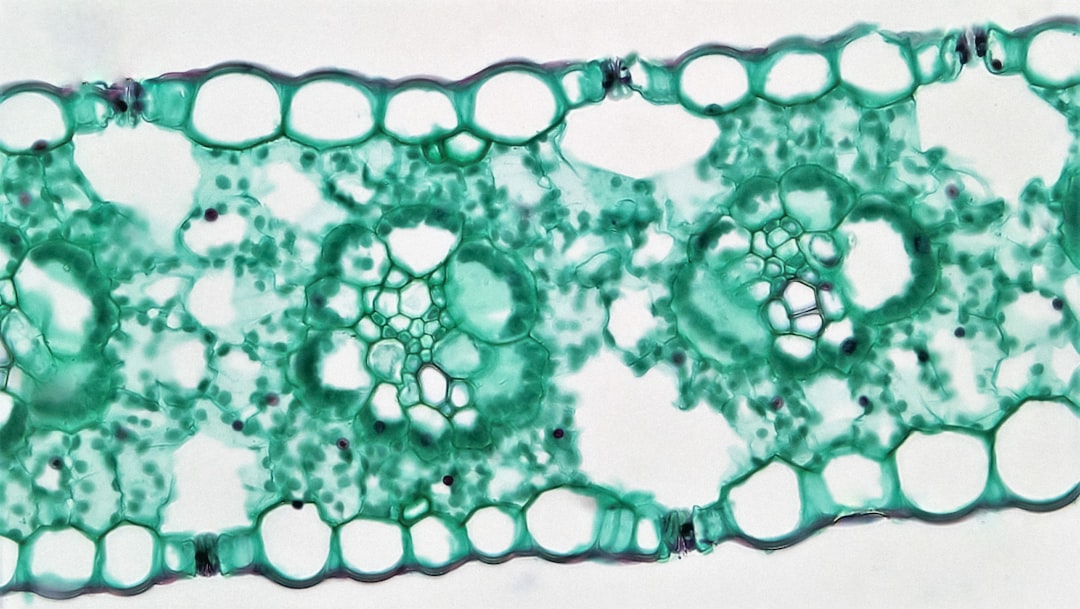
Eukaryotic cells represent a fundamental category of life forms, distinguished by their complex structures and functions. Unlike prokaryotic cells, which are simpler and lack a nucleus, eukaryotic cells possess a defined nucleus that houses their genetic material. This structural complexity allows for a greater variety of cellular processes and functions, making eukaryotic cells the building blocks of all multicellular organisms, including plants, animals, fungi, and protists.
The presence of membrane-bound organelles, such as the endoplasmic reticulum and Golgi apparatus, further enhances their ability to compartmentalize biochemical reactions, leading to increased efficiency and specialization. The significance of eukaryotic cells extends beyond their structural attributes; they are pivotal in the evolutionary narrative of life on Earth. Their emergence marked a critical juncture in biological history, paving the way for the development of complex life forms.
Understanding eukaryotic cells is essential for grasping the intricacies of biological systems and the evolutionary processes that have shaped the diversity of life as we know it today.
Key Takeaways
- Eukaryotic cells originated through endosymbiosis, incorporating mitochondria and chloroplasts.
- Mitochondria played a crucial role in energy production, enabling complex cellular functions.
- Chloroplasts allowed the evolution of photosynthetic eukaryotes, expanding ecological diversity.
- Eukaryotic cell structures evolved to support multicellularity and environmental adaptation.
- The evolution of eukaryotic cells significantly increased biological diversity and complexity.
The Origin of Eukaryotic Cells
The origin of eukaryotic cells is a subject of intense scientific inquiry and debate. Current theories suggest that these cells arose from a symbiotic relationship between different species of prokaryotes.
5 to 2 billion years ago, during a time when the Earth was dominated by simpler life forms.
The transition from prokaryotic to eukaryotic life involved significant genetic and structural changes, allowing for greater complexity and adaptability. One prevailing hypothesis posits that ancestral eukaryotic cells emerged when certain prokaryotic organisms began to engulf others, leading to a mutually beneficial relationship. Over time, these engulfed organisms became integral components of the host cell, evolving into organelles such as mitochondria and chloroplasts.
This process not only enhanced the metabolic capabilities of the host cell but also laid the groundwork for the vast diversity of eukaryotic life forms that would follow.
The Endosymbiotic Theory
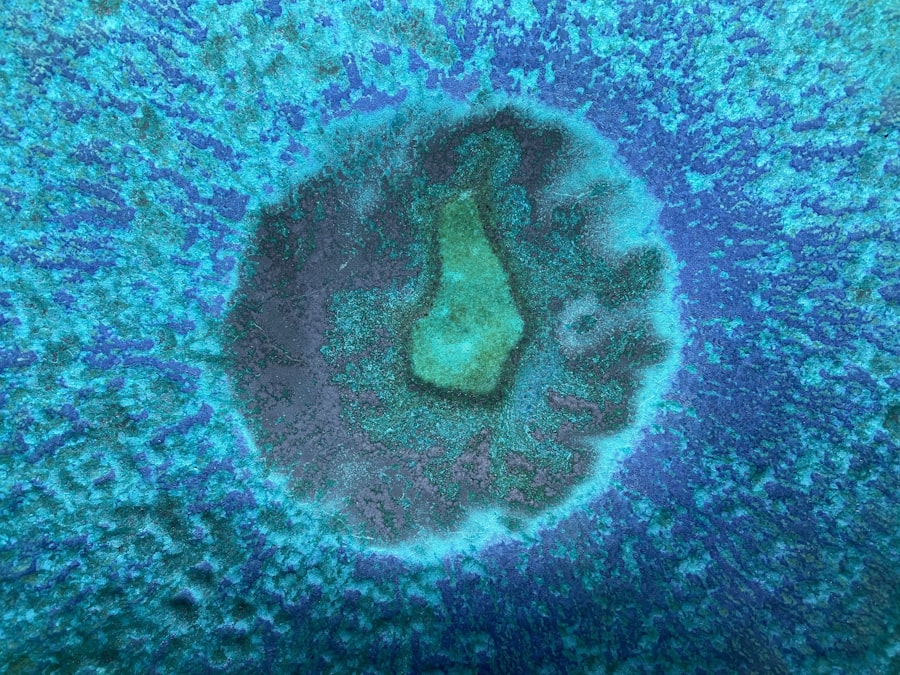
The endosymbiotic theory is a cornerstone of our understanding of eukaryotic cell evolution. Proposed by biologist Lynn Margulis in the 1960s, this theory suggests that mitochondria and chloroplasts originated as free-living prokaryotes that were engulfed by ancestral eukaryotic cells. Instead of being digested, these prokaryotes formed a symbiotic relationship with their host, providing essential functions such as energy production and photosynthesis in exchange for protection and nutrients.
Evidence supporting the endosymbiotic theory is compelling. Mitochondria and chloroplasts possess their own circular DNA, similar to that of bacteria, and replicate independently of the host cell’s nuclear DNAdditionally, these organelles have double membranes, consistent with the engulfing process described by the theory. The implications of this theory extend beyond mere cellular biology; it suggests that cooperation and symbiosis have been crucial drivers of evolutionary innovation.
The Role of Mitochondria in Eukaryotic Evolution
Mitochondria are often referred to as the powerhouses of eukaryotic cells due to their role in energy production through aerobic respiration. This organelle is essential for converting nutrients into adenosine triphosphate (ATP), the energy currency of the cell. The acquisition of mitochondria through endosymbiosis was a transformative event in the evolution of eukaryotes, enabling them to harness energy more efficiently than their prokaryotic counterparts.
The presence of mitochondria allowed early eukaryotic cells to thrive in diverse environments, leading to increased metabolic flexibility and adaptability. This newfound energy efficiency likely facilitated the development of more complex cellular structures and functions, ultimately giving rise to multicellular organisms. Furthermore, mitochondria play a crucial role in regulating cellular processes such as apoptosis and metabolism, underscoring their importance in both individual cell function and overall organismal health.
The Role of Chloroplasts in Eukaryotic Evolution
| Metric | Value | Unit | Description |
|---|---|---|---|
| Estimated Origin Time | 1.6 – 2.1 | Billion years ago | Approximate time when eukaryotic cells first appeared |
| Genome Size | 12,000 – 100,000 | Genes | Range of gene counts in eukaryotic cells |
| Number of Organelles | 5 – 10 | Organelles | Typical number of membrane-bound organelles in eukaryotic cells |
| Endosymbiotic Events | 2 | Events | Major endosymbiotic events leading to mitochondria and chloroplasts |
| Cell Size | 10 – 100 | Micrometers | Typical diameter range of eukaryotic cells |
| Number of Chromosomes | Varies | Chromosomes | Varies widely among eukaryotic species |
Chloroplasts are another vital organelle that emerged through endosymbiosis, specifically in the lineage leading to plants and some protists. These organelles are responsible for photosynthesis, allowing organisms to convert sunlight into chemical energy stored in glucose molecules. The acquisition of chloroplasts marked a significant evolutionary milestone, enabling eukaryotic cells to harness solar energy directly.
The evolution of chloroplasts not only transformed individual cells but also had profound implications for Earth’s ecosystems. By facilitating photosynthesis, chloroplasts contributed to the production of oxygen and organic matter, shaping the planet’s atmosphere and supporting diverse life forms. The ability to produce energy from sunlight allowed plants to become primary producers in food webs, establishing a foundation for complex ecological interactions.
The Development of Eukaryotic Cell Structures
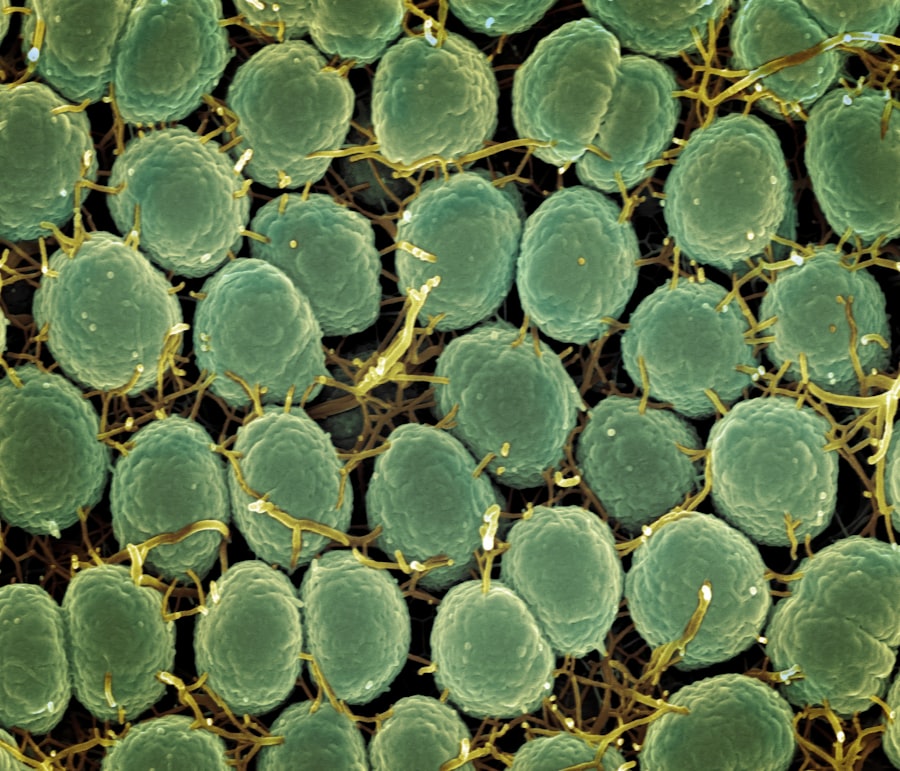
The evolution of eukaryotic cells has been accompanied by the development of intricate cellular structures that enhance their functionality. These structures include the cytoskeleton, which provides mechanical support and facilitates intracellular transport; the endoplasmic reticulum, which plays a key role in protein synthesis and lipid metabolism; and the Golgi apparatus, responsible for modifying and packaging proteins for secretion or delivery to other organelles. As eukaryotic cells evolved, so did their ability to communicate and interact with one another.
Cell signaling mechanisms became more sophisticated, allowing for coordinated responses to environmental changes and facilitating multicellularity. This complexity has enabled eukaryotes to adapt to various ecological niches and develop specialized tissues and organs in multicellular organisms.
The Impact of Eukaryotic Cells on Evolutionary Diversity
Eukaryotic cells have been instrumental in driving evolutionary diversity on Earth. Their structural complexity and metabolic versatility have allowed them to occupy a wide range of ecological niches, from deep-sea hydrothermal vents to lush rainforests.
The evolutionary innovations associated with eukaryotic cells have also facilitated significant events in Earth’s history, such as the Cambrian explosion—a period marked by rapid diversification of multicellular life forms. As eukaryotes continued to evolve and adapt, they contributed to the intricate web of life that characterizes our planet today.
The Importance of Eukaryotic Cells in Multicellular Organisms
Eukaryotic cells are foundational to the existence of multicellular organisms, which are characterized by their complex organization and specialization. In multicellular entities such as plants and animals, individual eukaryotic cells differentiate into various cell types that perform specific functions—muscle cells for movement, nerve cells for signaling, and epithelial cells for protection, among others. This specialization allows multicellular organisms to develop intricate systems that enhance survival and reproduction.
The coordination among specialized eukaryotic cells is crucial for maintaining homeostasis within multicellular organisms. Communication between cells through signaling pathways ensures that physiological processes are regulated effectively. This level of organization not only enhances efficiency but also enables multicellular organisms to respond dynamically to environmental changes.
The Adaptation of Eukaryotic Cells to Different Environments
Eukaryotic cells exhibit remarkable adaptability, allowing them to thrive in diverse environments ranging from extreme heat to frigid temperatures. This adaptability is largely attributed to their complex cellular structures and metabolic pathways. For instance, some eukaryotes have evolved specialized adaptations such as heat-shock proteins that protect cellular integrity under extreme conditions or antifreeze proteins that prevent ice crystal formation in cold environments.
The ability of eukaryotic cells to adapt has also led to significant evolutionary innovations such as multicellularity and complex life cycles. These adaptations enable organisms to exploit various ecological niches effectively, contributing to their survival and reproductive success across different habitats.
The Future of Eukaryotic Cell Evolution
As scientific research continues to advance, understanding the future trajectory of eukaryotic cell evolution becomes increasingly important. With ongoing environmental changes driven by climate change and human activity, eukaryotic cells may face new challenges that could shape their evolution in unforeseen ways. For instance, shifts in temperature and habitat availability may drive adaptations at both cellular and organismal levels.
Moreover, advancements in biotechnology may allow scientists to manipulate eukaryotic cells for various applications, from agriculture to medicine. Genetic engineering techniques could lead to novel traits in crops or therapeutic interventions for diseases affecting multicellular organisms. As researchers explore these possibilities, they will undoubtedly uncover new insights into the resilience and adaptability of eukaryotic cells.
The Significance of Eukaryotic Cell Evolution
The evolution of eukaryotic cells represents one of the most significant milestones in the history of life on Earth. Their emergence has not only facilitated the development of complex multicellular organisms but has also driven evolutionary diversity across ecosystems. Through processes such as endosymbiosis and adaptation, eukaryotic cells have demonstrated remarkable resilience and innovation.
Understanding eukaryotic cell evolution is crucial for appreciating the intricate web of life that exists today. As scientists continue to unravel the complexities of these cells, they will gain valuable insights into both our biological heritage and the future trajectory of life on our planet. The significance of eukaryotic cell evolution extends far beyond biology; it encompasses ecological interactions, evolutionary processes, and even potential applications in biotechnology that could shape our world for generations to come.
Eukaryotic cell evolution is a fascinating topic that sheds light on the complexity of life as we know it. For a deeper understanding of this subject, you can explore the article available at