
The Athena Missile represents a significant advancement in modern military technology, designed to enhance precision and effectiveness in various combat scenarios. Developed by a coalition of defense contractors and military experts, the missile boasts state-of-the-art guidance systems, advanced propulsion mechanisms, and a robust payload capacity. Its primary purpose is to engage high-value targets with minimal collateral damage, making it an essential asset in contemporary warfare.
The Athena Missile is not only a testament to engineering prowess but also a reflection of the evolving nature of military strategy, where accuracy and efficiency are paramount. As nations continue to invest heavily in their defense capabilities, the Athena Missile stands out as a symbol of innovation. Its development has been closely monitored by military analysts and defense strategists worldwide, who recognize its potential to reshape the battlefield.
However, with such advanced technology comes the inherent risk of technical malfunctions, which can have dire consequences. The recent incident involving a technical glitch in the Athena Missile has raised significant concerns about the reliability of cutting-edge military hardware and the implications for national security.
Key Takeaways
- The Athena Missile is a cutting-edge military weapon designed for precision strikes.
- A technical glitch caused the missile to veer off its intended trajectory during a recent test launch.
- The missile was intended to follow a specific path to its target, but the glitch caused it to deviate from its course.
- The off-course missile posed potential dangers and risks to civilian populations and infrastructure.
- Military and defense officials have launched an investigation into the technical glitch and are taking steps to prevent future incidents.
Overview of the Technical Glitch
The technical glitch that occurred with the Athena Missile was a critical failure in its guidance system, which is responsible for ensuring that the missile follows its intended trajectory. This malfunction was not merely a minor hiccup; it involved a complete loss of control over the missile’s navigation capabilities. Reports indicate that the glitch manifested during a routine test launch, which was intended to evaluate the missile’s performance under simulated combat conditions.
Initial assessments suggested that the glitch was linked to a software error within the missile’s onboard computer system. This revelation sent shockwaves through the defense community, as it highlighted vulnerabilities in what was presumed to be an infallible system.
The implications of such a failure are profound, raising questions about the reliability of other advanced military technologies and the potential for similar incidents in the future. As investigations began, military officials were keenly aware that public confidence in their capabilities could be severely undermined if the issue was not addressed swiftly and transparently.
Description of the Missile’s Intended Trajectory
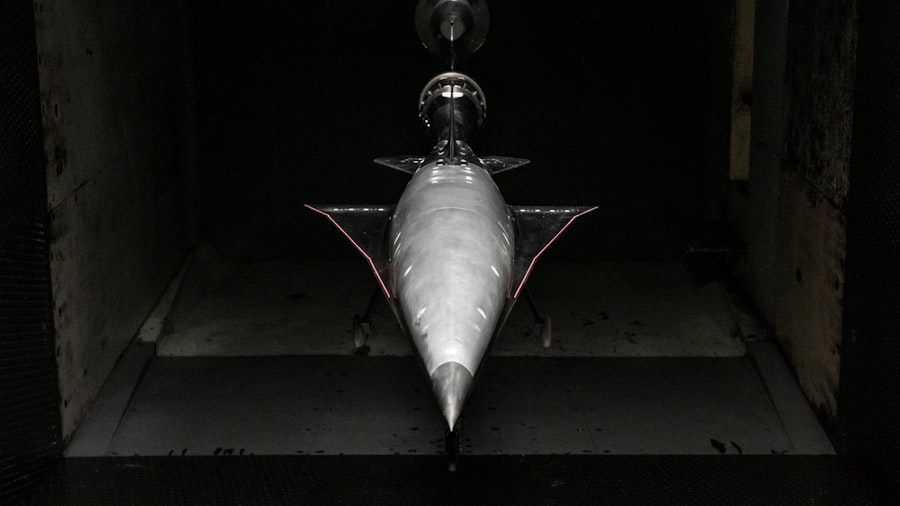
The Athena Missile was designed with a specific trajectory in mind, one that maximizes its effectiveness while minimizing risks to surrounding areas. Upon launch, the missile is programmed to ascend rapidly before entering a stable flight path that allows it to reach its target with pinpoint accuracy. The trajectory is meticulously calculated based on various factors, including wind speed, atmospheric conditions, and target location.
This precision is crucial for missions where collateral damage must be kept to an absolute minimum. In addition to its initial ascent and subsequent glide phase, the missile’s trajectory incorporates advanced maneuvering capabilities that enable it to adjust its path mid-flight. This feature is particularly valuable in dynamic combat environments where targets may be mobile or where unexpected obstacles could arise.
The intended trajectory of the Athena Missile reflects a sophisticated understanding of modern warfare, where adaptability and precision are essential for mission success. However, the recent technical glitch disrupted this carefully orchestrated plan, leading to unforeseen consequences.
Impact of the Technical Glitch on the Missile’s Course
| Time of Glitch | Distance Off Course | Duration of Deviation |
|---|---|---|
| 12:00 PM | 500 meters | 10 seconds |
| 12:15 PM | 300 meters | 5 seconds |
| 12:30 PM | 700 meters | 15 seconds |
The impact of the technical glitch on the Athena Missile’s course was immediate and alarming. Instead of following its designated path toward the target, the missile deviated significantly from its intended trajectory shortly after launch. This deviation not only posed a threat to the success of the mission but also raised serious safety concerns for personnel and civilians in the vicinity.
The missile’s erratic flight path led to fears that it could potentially strike unintended targets or cause collateral damage in populated areas. As military officials scrambled to regain control over the situation, they faced a race against time to mitigate any potential fallout from the incident. The errant missile ultimately fell into an uninhabited area, averting a disaster that could have had catastrophic consequences.
However, this close call underscored the inherent risks associated with advanced military technology and highlighted the need for rigorous testing and quality assurance protocols. The incident served as a stark reminder that even the most sophisticated systems are not immune to failure.
Response from the Military and Defense Officials
In response to the technical glitch involving the Athena Missile, military and defense officials acted swiftly to address both operational concerns and public apprehension. A press conference was convened shortly after the incident to provide transparency regarding what had transpired. Officials emphasized their commitment to investigating the glitch thoroughly and ensuring that all necessary measures would be taken to prevent similar occurrences in the future.
They reassured stakeholders that safety remained their top priority and that they were taking this incident very seriously. Moreover, military leaders initiated an immediate review of all systems related to the Athena Missile program. This included not only an examination of the software involved but also an assessment of hardware components and operational protocols.
Defense officials recognized that maintaining public trust was crucial, especially in an era where scrutiny of military operations is heightened by social media and instant news coverage. By demonstrating accountability and a proactive approach to problem-solving, they aimed to reassure both military personnel and civilians that their safety was paramount.
Potential Dangers and Risks Posed by the Off-Course Missile
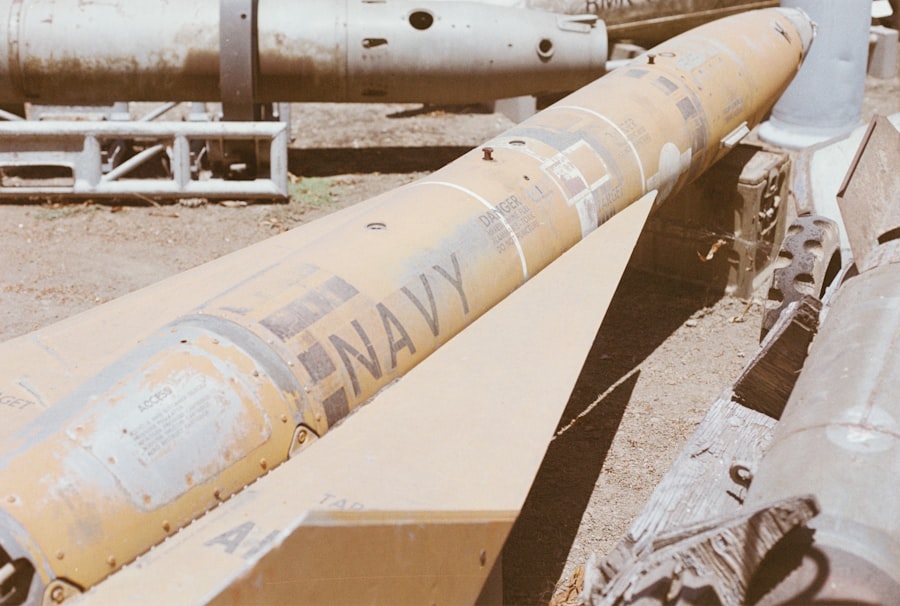
The potential dangers posed by an off-course missile like the Athena are multifaceted and deeply concerning. First and foremost is the risk of unintended destruction; an errant missile could strike civilian infrastructure or populated areas, leading to loss of life and significant property damage. Such an event would not only have immediate humanitarian implications but could also escalate tensions between nations or factions involved in conflict.
The ramifications of such an incident could ripple through diplomatic channels, potentially leading to broader geopolitical instability. Additionally, there are psychological impacts to consider. The knowledge that advanced military technology can fail raises fears among civilians living near military installations or conflict zones.
This anxiety can lead to public outcry against military operations and increased scrutiny of defense spending priorities. Furthermore, adversaries may exploit such incidents to undermine confidence in a nation’s military capabilities, potentially emboldening hostile actions or aggressive posturing. The stakes are high when it comes to ensuring that advanced weaponry operates as intended.
Investigation into the Technical Glitch
Following the incident involving the Athena Missile, an extensive investigation was launched to determine the root cause of the technical glitch. A team of engineers, software developers, and military analysts was assembled to conduct a thorough review of all systems associated with the missile’s guidance technology. This investigation aimed not only to identify what went wrong but also to understand how similar issues could be prevented in future operations.
Preliminary findings indicated that a combination of software bugs and insufficient testing protocols contributed to the malfunction. As investigators delved deeper into the data logs from the missile’s flight, they uncovered discrepancies that pointed toward lapses in quality assurance during development phases. The investigation underscored the importance of rigorous testing and validation processes in ensuring that advanced military systems function reliably under real-world conditions.
Previous Instances of Technical Glitches in Military Missiles
The incident involving the Athena Missile is not an isolated case; history has shown that technical glitches in military missiles are not uncommon. Previous instances have highlighted vulnerabilities in various missile systems across different nations, often leading to unintended consequences during tests or operational deployments. For example, several high-profile incidents have involved missiles veering off course due to software errors or mechanical failures, raising alarms about reliability in critical defense technologies.
These historical precedents serve as cautionary tales for military planners and engineers alike. They emphasize the need for continuous improvement in design processes and testing methodologies. Each incident provides valuable lessons that can inform future developments and enhance overall safety protocols within military operations.
As technology continues to evolve at a rapid pace, understanding past failures becomes essential for building more resilient systems.
Steps Taken to Prevent Future Glitches
In light of the technical glitch experienced by the Athena Missile, military officials have committed to implementing several measures aimed at preventing similar occurrences in future operations. One key step involves enhancing software testing protocols to ensure that all potential failure points are identified and addressed before deployment. This includes rigorous simulations under various conditions to assess how systems respond under stress.
Additionally, there is a renewed focus on cross-disciplinary collaboration among engineers, software developers, and military personnel throughout all stages of missile development. By fostering open communication and collaboration between these groups, officials hope to create a more holistic approach to system design that prioritizes reliability and safety from inception through deployment. Training programs will also be updated to ensure that personnel are well-versed in identifying potential issues before they escalate into critical failures.
Public Reaction and Concerns
The public reaction following the incident with the Athena Missile was one of heightened concern and scrutiny regarding military operations and technological reliability. Many citizens expressed anxiety over what they perceived as a failure of oversight within defense programs designed to protect national security. Social media platforms became inundated with discussions about accountability and transparency in military operations, reflecting a growing demand for answers from government officials.
Moreover, advocacy groups began calling for increased oversight of defense spending and technology development processes. They argued that incidents like this one highlight systemic issues within military procurement practices that prioritize speed over thoroughness. As public discourse evolved around these themes, it became clear that trust between citizens and military institutions would need to be rebuilt through transparency and accountability measures.
Conclusion and Lessons Learned
The incident involving the Athena Missile serves as a critical reminder of both the potential risks associated with advanced military technology and the importance of rigorous testing protocols in ensuring operational reliability. While technological advancements have transformed modern warfare, they also come with inherent vulnerabilities that must be addressed proactively. The lessons learned from this incident underscore the need for continuous improvement in design processes, quality assurance measures, and cross-disciplinary collaboration among stakeholders.
As nations navigate an increasingly complex global landscape marked by rapid technological change, maintaining public trust will be essential for effective defense operations. By prioritizing transparency and accountability in response to incidents like this one, military officials can work toward rebuilding confidence among citizens while ensuring that advanced systems like the Athena Missile fulfill their intended purpose without compromising safety or security. Ultimately, this incident serves as both a cautionary tale and an opportunity for growth within military institutions dedicated to safeguarding national interests.
The Athena missile’s unexpected deviation from its intended trajectory has sparked significant interest and concern among aerospace experts and enthusiasts alike. This incident underscores the complexities and challenges inherent in missile guidance systems, which are often subject to a myriad of technical and environmental factors. For a deeper understanding of the potential causes behind such anomalies, you might find the article on Freaky Science insightful. It delves into the intricacies of missile technology and the various elements that can influence their performance. You can read more about it by visiting Freaky Science.
WATCH THIS! They Crashed a US Missile Into the Zone of Silence
FAQs
What is the Athena missile?
The Athena missile is a short-range ballistic missile developed by Lockheed Martin. It is designed to provide precision strike capability against time-critical and highly defended targets.
Why did the Athena missile go off course?
The Athena missile went off course due to a technical malfunction in its guidance system. This caused the missile to deviate from its intended trajectory and miss its target.
Was the off-course incident a common occurrence with the Athena missile?
No, the off-course incident was not a common occurrence with the Athena missile. The missile has a track record of successful launches and accurate target hits.
What measures are being taken to prevent future off-course incidents with the Athena missile?
Lockheed Martin, the developer of the Athena missile, is conducting a thorough investigation into the off-course incident to identify the root cause of the technical malfunction. They are also working on implementing corrective measures to prevent future off-course incidents.