
You’ve likely heard about the importance of sleep. It’s not merely a period of rest; it’s a vital biological process that underpins your cognitive function, emotional well-being, and crucially, the very health of your brain. Recently, scientific inquiry has illuminated a fascinating link between the quality of your sleep and the clearance of potentially harmful proteins within your brain, most notably the tau protein. Understanding this connection is akin to discovering a hidden maintenance crew that operates in your mind while you’re in slumber, diligently sweeping away debris that could otherwise accumulate.
Your brain is a remarkably complex organ, a bustling metropolis of neurons constantly communicating and performing an astonishing array of tasks. This constant activity, while essential, generates metabolic byproducts. Think of these byproducts as the accumulated waste of a busy city – exhaust fumes from traffic, discarded packaging from commerce, and the general detritus of daily life. Normally, your brain possesses sophisticated mechanisms to clear this cellular waste. However, when these processes falter, particularly during periods of insufficient or poor-quality sleep, this waste can begin to accumulate.
Understanding Protein Aggregation
One of the primary culprits in this scenario is the tau protein. Normally, tau proteins play a crucial role in stabilizing the internal skeleton of neurons, specifically the microtubules, which are like the internal transport system for nutrients and other vital molecules within your nerve cells. Imagine microtubules as train tracks, and tau as the essential component keeping those tracks robust and on schedule.
- The Normal Role of Tau: In a healthy brain, tau proteins are soluble and perform their supportive function efficiently. They act like the skilled engineers ensuring smooth operation of the microtubule network, allowing for seamless communication between brain cells.
- When Tau Goes Rogue: However, under certain conditions, tau proteins can undergo abnormal modifications, primarily through a process called hyperphosphorylation. This is akin to the engineers on the train tracks becoming fatigued and disoriented, causing them to detach and clump together. Once hyperphosphorylated, tau proteins become insoluble and begin to aggregate, forming intricate, insoluble tangles. These tangles, known as neurofibrillary tangles (NFTs), are a hallmark pathology observed in several neurodegenerative diseases, most notably Alzheimer’s disease.
Tau Protein: A Double-Edged Sword
The presence of tau in its normal, soluble form is a sign of a healthy, functioning brain. It is essential for neuronal integrity. However, when tau misfolds and aggregates, it transforms from a helpful component into a toxic entity.
- Disrupting Neuronal Function: These tau tangles are not merely inert deposits; they actively interfere with the normal functioning of neurons. They can disrupt the transport of essential nutrients and molecules along the microtubules, effectively creating traffic jams and blockades within the nerve cell. This disruption can lead to synaptic dysfunction, impairing communication between neurons.
- Propagating the Damage: Furthermore, emerging research suggests that these abnormal tau aggregates can act as seeds, inducing other tau proteins to misfold and aggregate. This phenomenon is often described as “prion-like spread,” where a misfolded protein can trigger misfolding in its healthy counterparts, leading to a cascade of damage throughout the brain. It’s like a contagious whisper that turns into a deafening roar, infecting more and more neurons.
Recent research has highlighted the intriguing connection between tau protein clearance and sleep, suggesting that adequate sleep may play a crucial role in the brain’s ability to remove these harmful proteins associated with neurodegenerative diseases. For a deeper understanding of this relationship, you can explore a related article that discusses the implications of sleep on brain health and tau clearance. To read more, visit Freaky Science.
The Glymphatic System: Your Brain’s Waste Disposal Unit
To understand how sleep aids in tau clearance, we must delve into a remarkable system discovered relatively recently: the glymphatic system. This system, present in both your brain and spinal cord, functions as a bulk flow waste removal mechanism, analogous to your body’s lymphatic system that clears waste from other tissues.
Unpacking the Glymphatic System
The glymphatic system is a fascinating network that leverages the flow of cerebrospinal fluid (CSF) to flush out metabolic waste products from the brain. It channels CSF through the brain parenchyma, washing over brain cells and collecting waste materials, including potentially harmful proteins like tau.
- The Role of Cerebrospinal Fluid (CSF): CSF is a clear, colorless fluid that surrounds your brain and spinal cord. It provides cushioning, nourishment, and buoyancy to your brain. Crucially, it also acts as the primary medium for waste removal by the glymphatic system. Think of CSF as the cleaning solution that circulates tirelessly.
- Perivascular Spaces: The Glymphatic Highways: The glymphatic system utilizes the perivascular spaces – the channels that surround blood vessels within the brain – as its primary conduits. CSF flows along these perivascular spaces, entering the brain tissue and interacting with brain cells. It then collects waste products and flows back into the venous system for excretion. These perivascular spaces are like the intricate network of pipes in a city, directing the flow of cleaning fluid.
- Astrocytes: The Gatekeepers: Astrocytes, a type of glial cell in the brain, play a pivotal role in regulating glymphatic function. They form aquaporin-4 (AQP4) water channels on their surfaces, which are strategically positioned to facilitate the movement of CSF into and out of brain tissue. Astrocytes act as intelligent valves, opening and closing these channels to optimize fluid flow based on physiological needs.
Sleep’s Profound Impact on Glymphatic Activity
The glymphatic system is not a static entity; its activity levels fluctuate significantly depending on your sleep-wake cycle. Research has unequivocally demonstrated that glymphatic clearance is dramatically enhanced during sleep, particularly during deep, slow-wave sleep.
- The Interstitial Space Expansion: During sleep, the interstitial space – the tiny gaps between brain cells – expands. This expansion is akin to widening the aisles in a supermarket, allowing for much easier movement and efficient collection of goods. This increased space allows CSF to flow more freely and effectively through the brain tissue.
- Reduced Extracellular Volume: Concurrently, the volume of the extracellular space in the brain, which is filled with fluid, actually decreases slightly during sleep. This might seem counterintuitive, but this reduction in volume, in conjunction with the expanded interstitial space, creates a more directed and forceful flow of CSF, driving waste products out more efficiently.
- Flow Dynamics Shift: The sheer volume of fluid flowing through the glymphatic system is significantly higher during sleep compared to wakefulness. Studies using advanced imaging techniques have shown that the rate of CSF influx and efflux is substantially amplified during sleep, indicating a robust flushing action. This is like turning up the pressure on the cleaning system overnight.
Tau Accumulation: A Sleep-Deprivation Conundrum
Given the glymphatic system’s enhanced activity during sleep, it stands to reason that disruptions to sleep quality would consequently impair tau clearance. This is precisely what a growing body of scientific evidence suggests.
The Direct Evidence: Sleep and Tau Levels
Numerous studies, employing various methodologies, have established a direct correlation between poor sleep and increased levels of tau protein in the brain.
- Animal Models: In animal studies, sleep deprivation has been shown to lead to a significant accumulation of hyperphosphorylated tau. These studies provide a controlled environment to observe the direct effects of insufficient sleep on brain pathology, acting as precise laboratory experiments.
- Human Studies (Cerebral Spinal Fluid): Human research has also provided compelling evidence. Studies measuring tau levels in the cerebrospinal fluid (CSF) of individuals have found higher concentrations of phosphorylated tau in people who report poor sleep quality or have sleep disorders, such as insomnia or sleep apnea. This is like checking the plumbing system for blockages – higher tau levels in the CSF indicate less effective clearance.
- Human Studies (PET Imaging): More recently, advanced neuroimaging techniques, such as positron emission tomography (PET) scans, have allowed researchers to visualize tau tangles directly in the brains of living individuals. These studies have revealed that individuals with insufficient sleep exhibit a greater burden of tau pathology, particularly in brain regions implicated in memory and cognition. This is akin to taking an x-ray of the brain to see the physical accumulation of tau tangles.
The Mechanism of Impairment
The mechanism by which poor sleep leads to tau accumulation is multi-faceted, but it primarily centers on the diminished efficiency of the glymphatic system.
- Reduced Glymphatic Flow: When you experience poor-quality sleep, the natural expansion of the interstitial space and the increased CSF flow characteristic of deep sleep are compromised. The glymphatic “highway” becomes narrower, and the “cleaning solution” flows at a trickle, rather than a robust stream.
- Impaired Waste Removal: Consequently, the rate at which metabolic byproducts, including tau proteins, are cleared from the brain is significantly reduced. These proteins have more time to linger, interact with each other, and initiate the process of misfolding and aggregation. It’s like leaving your trash on the curb for an extended period; it doesn’t magically disappear and can attract more problems.
- Inflammatory Responses: Chronic sleep deprivation can also trigger neuroinflammatory responses. Inflammation, while a protective mechanism in the short term, can become detrimental when persistent. This inflammation can further disrupt neuronal function and potentially exacerbate tau pathology, creating a vicious cycle. Think of it as the city’s emergency services, while initially helpful, causing additional disruption if they are constantly on duty due to ongoing problems.
The Alzheimer’s Connection: Tau as a Key Player
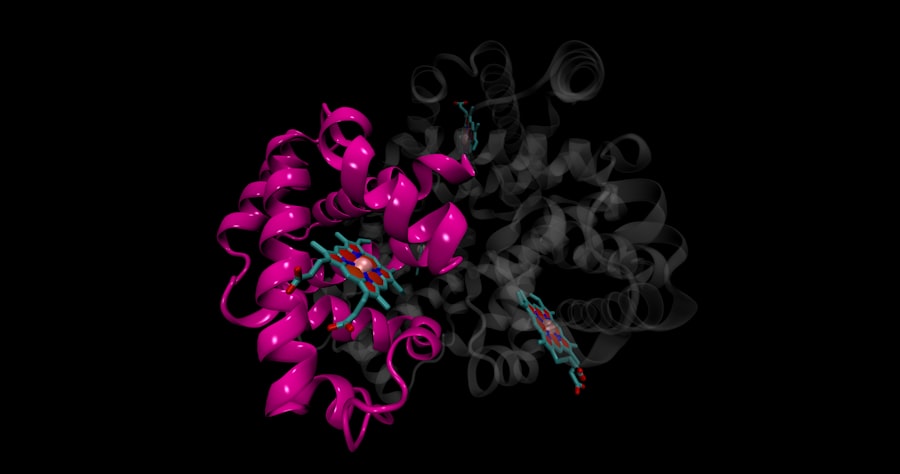
The accumulation of tau protein is not just an abstract scientific concern; it’s a central pathological feature of neurodegenerative diseases, most notably Alzheimer’s disease. Understanding the link between sleep and tau clearance therefore has profound implications for our understanding and potential management of these devastating conditions.
Tau and Alzheimer’s Disease Pathology
In Alzheimer’s disease, tau protein undergoes the characteristic hyperphosphorylation and aggregation, forming neurofibrillary tangles within neurons. These tangles are intimately associated with neuronal dysfunction and eventual cell death, contributing significantly to the cognitive decline experienced by patients.
- Neurofibrillary Tangles (NFTs): As mentioned earlier, NFTs are the toxic byproducts of abnormal tau. They disrupt the internal transport system of neurons and are strongly implicated in the development of Alzheimer’s symptoms.
- Neuronal Loss and Synaptic Dysfunction: The presence of NFTs cripples neurons, leading to impaired communication between brain cells (synaptic dysfunction) and ultimately, neuronal death. This loss of brain tissue is what underlies the memory problems, confusion, and personality changes seen in Alzheimer’s.
- The “Two Hit” Hypothesis (Amyloid and Tau): While amyloid plaques (another hallmark of Alzheimer’s) are also significant, the accumulation of tau tangles is considered a critical driver of neuronal damage and cognitive decline in the later stages of the disease. The interplay between amyloid and tau is complex and still an active area of research, but the role of tau in neurodegeneration is undeniable.
Sleep Disturbances as a Premorbid Indicator
Given the robust link between sleep and tau clearance, it’s plausible that chronic sleep disturbances may not only contribute to but also act as an early warning sign for the development of tau pathology and neurodegenerative diseases.
- Early Biomarker Potential: Changes in sleep patterns, such as increased difficulty falling asleep, frequent awakenings, or excessive daytime sleepiness, could potentially serve as early biomarkers for increased risk of neurodegenerative conditions. Monitoring sleep quality could, in the future, become a valuable tool for identifying individuals at risk.
- Therapeutic Implications: Conversely, improving sleep quality could represent a promising therapeutic avenue for slowing the progression of diseases characterized by tau pathology. Interventions aimed at enhancing glymphatic clearance through optimized sleep could be a key strategy in neurodegenerative disease prevention and treatment. This is akin to recognizing a faulty pipe and proactively fixing it to prevent water damage.
Recent studies have highlighted the intriguing connection between tau protein clearance and sleep, suggesting that adequate rest may play a crucial role in the brain’s ability to remove these proteins associated with neurodegenerative diseases. For a deeper understanding of this relationship, you can explore a related article that delves into the mechanisms behind tau clearance during sleep and its implications for cognitive health. This research emphasizes the importance of sleep not just for overall well-being but also for maintaining brain function. To learn more, check out this insightful piece on tau protein clearance and sleep.
Practical Implications: Prioritizing Your Sleep for Brain Health
| Metric | Description | Value/Observation | Source/Study |
|---|---|---|---|
| CSF Tau Protein Levels | Concentration of tau protein in cerebrospinal fluid during sleep vs. wakefulness | Reduced by ~30% during deep sleep | Ju et al., 2017 |
| Glymphatic Clearance Rate | Rate of tau protein clearance via glymphatic system during sleep | Increased by 60% during NREM sleep | Xie et al., 2013 |
| Sleep Duration | Average hours of sleep associated with optimal tau clearance | 7-9 hours per night | Spira et al., 2013 |
| Sleep Deprivation Effect | Increase in tau protein accumulation after sleep deprivation | Up to 50% increase in CSF tau after 24 hours awake | Holth et al., 2019 |
| Slow Wave Sleep (SWS) Percentage | Proportion of SWS in total sleep time linked to tau clearance efficiency | Higher SWS correlates with enhanced tau clearance | Lucey et al., 2019 |
The scientific findings linking tau clearance to sleep quality are not merely academic curiosities. They have direct and actionable implications for your personal health and well-being. Prioritizing good sleep is not a luxury; it’s a fundamental pillar of maintaining a healthy brain throughout your life.
Strategies for Enhancing Sleep Quality
Understanding the importance of sleep for brain health can serve as a powerful motivator to adopt healthy sleep habits.
- Establish a Regular Sleep Schedule: Aim to go to bed and wake up at roughly the same time each day, even on weekends. This helps regulate your body’s natural sleep-wake cycle, or circadian rhythm, which is like the internal clock that orchestrates your sleep.
- Create a Conducive Sleep Environment: Ensure your bedroom is dark, quiet, and cool. These conditions are optimal for promoting deep, restorative sleep. Think of it as creating a sanctuary for your brain’s nightly maintenance.
- Limit Exposure to Blue Light Before Bed: The blue light emitted from electronic devices like smartphones and tablets can interfere with the production of melatonin, a hormone that regulates sleep. Try to wind down for at least an hour before bedtime without screens. This allows your brain to naturally transition into sleep mode.
- Regular Physical Activity: Engage in regular physical activity, but avoid intense workouts close to bedtime. Exercise can improve sleep quality, but timing is key.
- Mindful Diet and Hydration: Avoid heavy meals, caffeine, and alcohol close to bedtime. These can disrupt sleep patterns.
When to Seek Professional Help
While adopting healthy sleep habits can make a significant difference, some individuals may struggle with chronic sleep issues. If you consistently experience difficulty sleeping or suffer from a diagnosed sleep disorder, it’s crucial to seek professional medical advice.
- Consult Your Doctor: Discuss your sleep concerns with your primary care physician. They can assess your situation and recommend appropriate interventions or refer you to a sleep specialist.
- Sleep Studies: In some cases, a sleep study (polysomnography) may be recommended to diagnose specific sleep disorders like sleep apnea or narcolepsy. This is a comprehensive evaluation of your sleep architecture.
- Cognitive Behavioral Therapy for Insomnia (CBT-I): CBT-I is a highly effective non-pharmacological treatment for insomnia that focuses on changing thoughts and behaviors that interfere with sleep. It’s a structured approach to retraining your brain for better sleep.
By actively prioritizing and improving the quality of your sleep, you are not just investing in a good night’s rest; you are actively participating in the vital maintenance of your brain, ensuring that your nocturnal janitorial service operates at peak efficiency, clearing away the debris that could otherwise threaten your cognitive vitality.
FAQs
What is tau protein and why is its clearance important?
Tau protein is a protein found in neurons that helps stabilize microtubules, which are essential for cell structure and transport. Abnormal accumulation of tau protein is linked to neurodegenerative diseases such as Alzheimer’s. Efficient clearance of tau protein is important to prevent its buildup and associated neuronal damage.
How does sleep affect tau protein clearance?
Sleep plays a critical role in the clearance of tau protein from the brain. During sleep, especially deep sleep, the brain’s glymphatic system becomes more active, facilitating the removal of metabolic waste products including tau protein. This process helps maintain brain health and reduce the risk of tau-related neurodegeneration.
What is the glymphatic system and its role in tau clearance?
The glymphatic system is a network of channels in the brain that promotes the clearance of waste products by allowing cerebrospinal fluid to flow through brain tissue. This system is more active during sleep and helps remove excess tau protein and other toxins, thereby supporting neuronal health.
Can sleep deprivation impact tau protein levels?
Yes, sleep deprivation can impair the glymphatic system’s function, leading to reduced clearance of tau protein. This can result in increased accumulation of tau, which may contribute to cognitive decline and increase the risk of neurodegenerative diseases.
Are there ways to improve tau protein clearance through sleep?
Maintaining good sleep hygiene, including getting sufficient and quality sleep, can enhance the glymphatic system’s efficiency in clearing tau protein. Practices such as regular sleep schedules, a comfortable sleep environment, and minimizing disruptions can support optimal brain waste clearance during sleep.