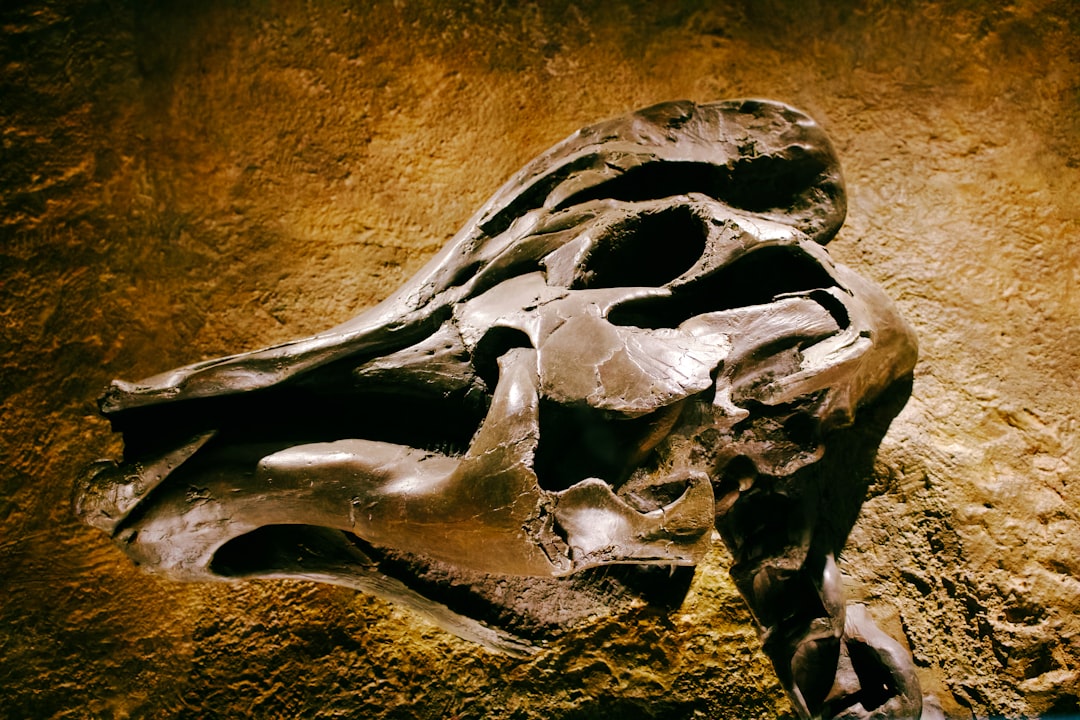
The world of paleoanthropology, dedicated to uncovering the deep history of humankind through fossils, is a field where truth is paramount. However, like any domain dealing with precious and rare artifacts, it is not immune to the shadow of deception. The discovery and authentication of hominin fossils are crucial stepping stones in understanding our evolutionary journey. When fakes enter this scientific landscape, they can lead researchers down evolutionary cul-de-sacs, misdirect research efforts, and ultimately, distort the narrative of human origins. This article explores the methods and challenges involved in spotting fakes in paleoanthropology, equipping you, the reader, with the knowledge to discern authenticity from artifice.
The pursuit of hominin fossils is a captivating endeavor, akin to piecing together a giant, ancient jigsaw puzzle with only a few scattered fragments. Each genuine fossil offers a tangible link to our distant ancestors, providing invaluable data on morphology, behavior, and the environmental pressures that shaped our lineage. The excitement surrounding a significant find can be palpable, as it promises to rewrite textbooks and advance scientific understanding. However, this very allure can also create a fertile ground for fraud. The potential for fame, fortune, or even ideological validation can motivate individuals to create convincing imitations, hoping to pass them off as genuine discoveries.
The Historical Landscape of Fossil Hoaxes
Paleoanthropology is not unfamiliar with deception. Throughout its history, several high-profile cases have rocked the scientific community, serving as cautionary tales.
The Piltdown Man: A Monument to Deception
Perhaps the most infamous case is the Piltdown Man ( Eoanthropus dawsoni ), presented to the world in 1912. This purported fossil, combining a human skull with the jawbone of an orangutan, was hailed as the “missing link” between ape and man. Its discovery was celebrated, and for over 40 years, it held a significant place in paleoanthropological discourse. However, meticulous scientific scrutiny eventually revealed it to be a deliberate fabrication, a cunning assemblage of a human cranium, ape teeth, and other disparate fossil elements. The Piltdown Man serves as a stark reminder that even seemingly convincing evidence can be a carefully constructed illusion. Its longevity as accepted “science” highlights the importance of robust verification processes and the potential for collective bias to overlook inconsistencies.
Other Notable Fabrications and Controversies
Beyond Piltdown, other instances, though perhaps less sensational, have also cast a shadow. These can range from outright fabrications to the misrepresentation of existing specimens, sometimes blurring the lines between honest error and deliberate deception. The ongoing scientific reassessment of the authenticity and significance of various fossils underscores the dynamic nature of paleoanthropological research, where evidence is constantly re-examined.
The Market for Ancient Remains
The illicit trade in ancient artifacts, including fossils, is a global concern. While authorized scientific excavation and curation are the bedrock of responsible paleoanthropology, a black market exists where rare and valuable fossils can fetch astronomical sums. This underground economy provides a powerful incentive for the creation and dissemination of fakes, as counterfeit specimens can be produced and sold with higher profit margins and lower risk of detection, at least initially.
In the field of paleoanthropology, the challenge of detecting fakes has become increasingly significant as new discoveries and claims emerge. A related article that delves into this issue can be found on Freaky Science, which discusses various techniques and technologies used to authenticate fossils and artifacts. For more insights on this topic, you can read the article here: Freaky Science.
The Pillars of Authenticity: Scientific Scrutiny
The process of validating a hominin fossil is not a solitary act of identification; it is a rigorous, multi-faceted scientific investigation. Think of it as an interrogation where every aspect of the specimen is questioned, cross-examined, and tested. Authenticity is built upon a foundation of observable, measurable, and reproducible evidence.
Morphological Analysis: The Shape of Things
The primary, and often the first, line of investigation involves detailed examination of the fossil’s morphology. This is where the physical form of the specimen is dissected by expert eyes.
Comparative Anatomy: Echoes of Ancestry
Scientists compare the proportions, features, and unique characteristics of the fossilized remains to known hominin species and their primate relatives. Each bone, each tooth, tells a story about its owner’s life. Divergences in jaw structure, cranial capacity, dental patterns, and limb proportions from established evolutionary lineages can be immediate red flags. For example, a hominin fossil exhibiting unexpectedly modern-looking dental enamel on a primitive-looking jawbone would immediately raise questions.
Macroscopic and Microscopic Examination: The Devil in the Details
Beyond overarching comparisons, scientists meticulously examine the fine details of the fossil. This includes the texture of the bone, the presence and pattern of any wear marks, and the subtle sculpting of features like the brow ridge or the foramen magnum (the opening at the base of the skull where the spinal cord connects). Microscopic analysis can reveal details about bone structure and micro-wear patterns that are difficult to replicate artificially.
Geological Context: The Fossil’s Passport
A fossil is not an isolated object; it is inextricably linked to the geological stratum in which it was found. Its burial environment provides crucial clues to its age and provenance.
Stratigraphy: Layers of Time
The principle of superposition in geology dictates that in undisturbed rock layers, the oldest layers are at the bottom and the youngest are at the top. A hominin fossil found in a layer that is geologically inconsistent with its purported age immediately raises suspicion. For instance, a Neanderthal fossil discovered in a geological layer dated to the early Pleistocene would be a significant anomaly.
Associated Fauna and Flora: The Fossil’s Neighbors
The presence of other fossils, such as extinct animals or plant remains, alongside the hominin specimen, can help corroborate its age and paleoenvironment. If a fossil is found with species that coexisted with a particular hominin group, it strengthens its claim. Conversely, the absence of expected associated fauna or the presence of anachronistic species can be a warning sign.
Radiometric Dating and Other Chronometric Techniques: The Fossil’s Clock
Direct dating of the fossil itself or its surrounding matrix is a critical step in establishing its age. Various scientific techniques provide a timeline for the past.
Potassium-Argon Dating and Argon-Argon Dating: Unveiling the Deep Past
These methods are particularly useful for dating volcanic rocks found in association with hominin fossils. They measure the decay of radioactive isotopes and their stable daughter products to determine the age of the rock layers.
Uranium-Series Dating: A More Refined Chronometer
This technique is employed for dating carbonate materials and can provide more precise dates for certain fossil finds within the last few hundred thousand years.
Paleomagnetism: Earth’s Ancient Compass
The Earth’s magnetic field has reversed its polarity numerous times throughout history. By analyzing the magnetic orientation of minerals in the rock layers (paleomagnetism), scientists can correlate these layers with known geomagnetic reversal timelines, providing a dating framework.
Advanced Techniques for Unmasking Deception
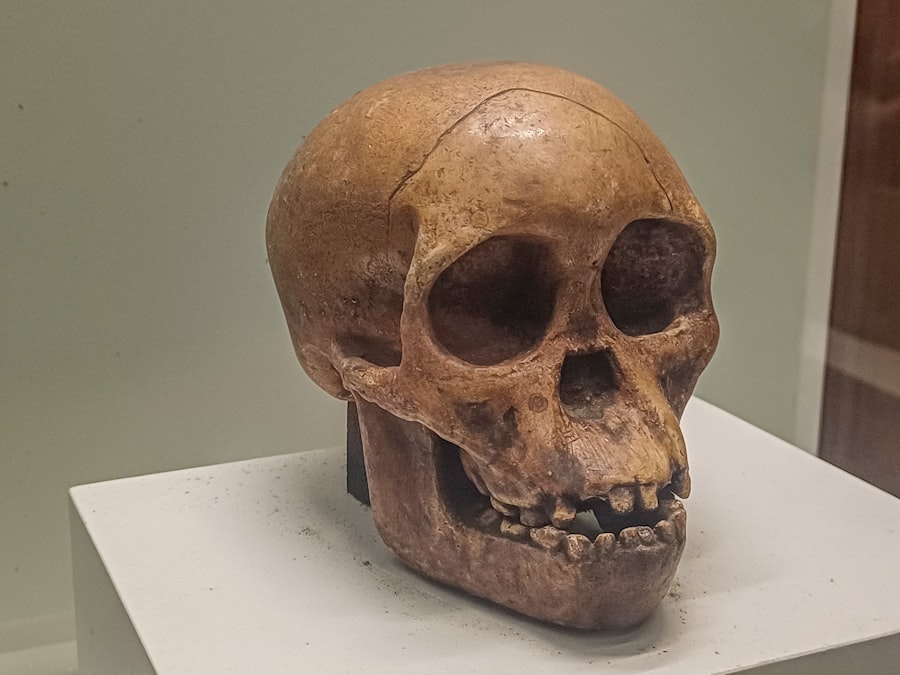
Beyond the foundational layers of examination, more sophisticated scientific tools are employed to detect deliberate alterations or inherent inconsistencies in fossil specimens. These methods act as the forensic detectives of paleoanthropology.
Isotopic Analysis: The Chemical Fingerprint
The chemical composition of a fossil, particularly the isotopes of elements like carbon, oxygen, and strontium, can reveal information about its diet, environment, and even its origin.
Stable Isotope Analysis: Tracing Diet and Environment
By analyzing the ratios of stable isotopes, researchers can reconstruct the diet of the hominin and the ecological conditions it inhabited. Inconsistencies between the isotopic signature of a fossil and the known isotopic profiles of the surrounding environment or expected diet for a particular species can indicate artificial manipulation or a misattributed origin. For example, if a fossil exhibits isotopic signatures indicative of a marine diet but was found in a purely terrestrial context, it warrants further investigation.
Radiogenic Isotopes: Uncovering the Source
Strontium isotope ratios, for example, can be used to trace the geological origin of the minerals in the fossil and the water it was preserved in. A specimen with strontium isotopic values inconsistent with the geological provenance where it was supposedly found can point to it being a transplant or a fabrication.
Digital Imaging and Reconstruction: Virtual Forensics
Modern technology offers powerful non-destructive methods for examining and analyzing fossil specimens.
Computed Tomography (CT) Scanning: Peering Inside the Bone
CT scans allow scientists to create detailed three-dimensional models of fossils without physically damaging them. This enables the visualization of internal structures, the detection of internal repairs or modifications, and the comparison of internal anatomy with known specimens. Subtle differences in bone density or internal architecture can reveal artificial additions or alterations.
Scanning Electron Microscopy (SEM): The Microscopic Probe
SEM provides incredibly high-resolution images of the surface of a fossil. This can reveal details about bone microstructure, the presence of foreign materials, or artificial tool marks that would be invisible under a standard microscope. For instance, SEM can distinguish between natural weathering patterns and deliberate engraving or shaping.
Ancient DNA (aDNA) Analysis: A Genetic Fingerprint (When Possible)
While the preservation of ancient DNA from hominin fossils is rare and highly dependent on environmental conditions, its recovery, when successful, provides an unparalleled level of authentication.
Polymerase Chain Reaction (PCR) and Sequencing: Reading the Ancestral Code
aDNA analysis involves extracting and amplifying degraded DNA fragments to reconstruct a portion of the organism’s genome. Comparing this genetic material to known hominin genomes can confirm or refute its identity and provenance. However, contamination is a major concern in aDNA research, requiring stringent protocols.
Recognizing the Red Flags: A Critical Eye
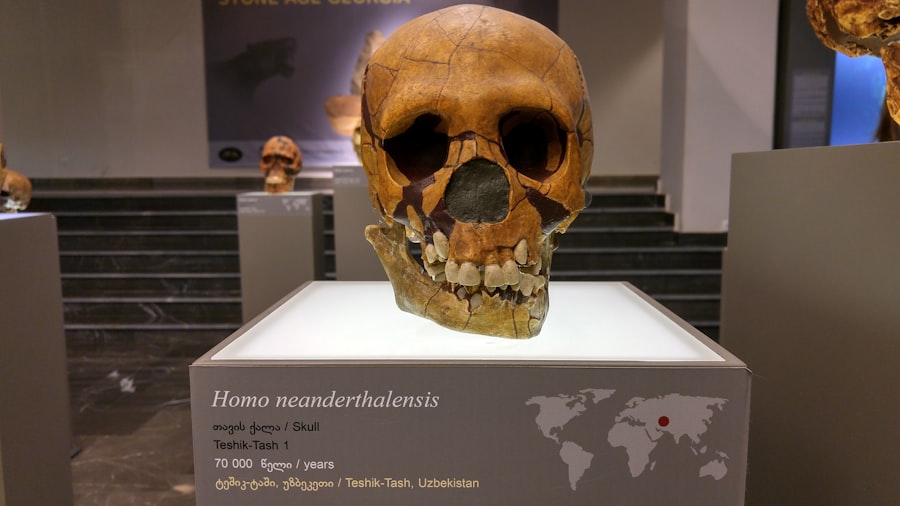
Even without direct access to sophisticated scientific equipment, a discerning individual can learn to recognize common indicators of potential fakery. These are not definitive proof on their own, but they should prompt deeper scientific investigation.
Unrealistic Completeness and Preservation: Too Good to Be True?
Nature is rarely perfect. Fossils are often fragmented, eroded, and incomplete due to the rigors of fossilization and geological processes. A hominin fossil that is astonishingly complete and perfectly preserved, especially if found in a challenging geological context, can be a cause for suspicion. Perfection in fossilization is, in many cases, a sign of artificial intervention.
Inconsistent Taphonomy: The Story Doesn’t Add Up
Taphonomy refers to the study of the processes that affect an organism’s remains from death to discovery. This includes fossilization, decay, weathering, and burial.
Mismatch in Fossilization Processes: A Jumbled Tale
The fossilization process itself leaves characteristic traces. If a fossil exhibits features inconsistent with the typical mineralization or fossilization patterns of the stratum in which it was found, it can indicate a fake. For example, a fossil that appears to be mineralized in a way that is anachronistic for its geological context.
Signs of Modern Tool Marks or Adhesives: The Artisan’s Signature
Close examination might reveal subtle scratches, tool marks, or evidence of adhesives used to join disparate pieces together. These marks can be distinct from natural weathering or the effects of ancient tools used by hominins themselves. Modern glues or resins, for instance, have a different chemical and visual signature than ancient mineralization.
Unexplainable Geological Associations: An Out-of-Place Artifact
As discussed earlier, the geological context is critical. If a fossil is found in an unusual or seemingly impossible geological setting, it should trigger immediate skepticism.
Anachronistic Stratigraphic Placement: The Time Traveler’s Fossil
Finding a fossil of a species in a geological layer that predates or postdates its known existence is a glaring red light. This is a direct affront to the established geological timescale.
Anomalous Mineralization or Patina: The Imposter’s Camouflage
The mineral composition of the fossil and the patina (surface discoloration) that develops over time are often indicative of the geological environment where it has resided. If the mineralization or patina appears artificial or inconsistent with the expected geological history, it warrants scrutiny. For example, a patina that looks painted on rather than naturally formed.
Lack of Transparency and Peer Review: The Secret Society of Evidence
Genuine scientific discoveries are typically accompanied by detailed documentation and are subjected to rigorous peer review.
Secrecy Surrounding the Discovery: Hiding the Evidence?
If the circumstances of a discovery are kept secret, or if the fossil is held privately without independent scientific access, it can be a sign of a deliberate attempt to avoid scrutiny. The scientific method thrives on openness and collaboration.
Resistance to Independent Verification: The Fortress of Doubt
Legitimate discoveries are usually presented to the scientific community for examination and validation. Resistance to allowing independent experts to study the fossil or its context is a major red flag. A scientist claiming a groundbreaking discovery who refuses to let others examine the evidence is acting like a magician refusing to reveal their trick.
In the field of paleoanthropology, the challenge of distinguishing genuine fossils from fakes has become increasingly significant, as highlighted in a recent article. Researchers are developing advanced techniques to enhance the detection of fraudulent specimens, which can mislead scientific understanding and public perception. For more insights on this topic, you can read the article on detecting fakes in paleoanthropology at Freaky Science. This ongoing battle against deception underscores the importance of rigorous scientific methods in preserving the integrity of our understanding of human evolution.
The Evolving Landscape of Authentication
| Metric | Description | Typical Values/Range | Detection Method |
|---|---|---|---|
| Radiocarbon Dating Age | Determines the age of organic materials by measuring carbon-14 decay | Up to ~50,000 years | Accelerator Mass Spectrometry (AMS) |
| Uranium-Series Dating | Measures decay of uranium isotopes in calcium carbonate deposits | 1,000 to 500,000 years | Mass Spectrometry |
| Stratigraphic Consistency | Checks if fossil location matches expected geological layer | Consistent / Inconsistent | Field Excavation Records & Geological Mapping |
| Material Composition | Analyzes fossil mineral content to detect modern alterations or fakes | Natural bone mineralogy vs. synthetic materials | X-ray Fluorescence (XRF), Scanning Electron Microscopy (SEM) |
| Tool Mark Analysis | Identifies modern tool marks inconsistent with ancient tools | Presence/absence of modern tool signatures | Microscopic Examination |
| DNA Preservation | Checks for ancient DNA presence and contamination | Fragmented ancient DNA vs. modern contamination | Polymerase Chain Reaction (PCR), Next-Gen Sequencing |
| Patina and Weathering | Assesses surface aging consistent with fossil age | Natural patina vs. artificially induced | Visual Inspection, Chemical Analysis |
The methods of deception are also evolving, and so too must the methods of detection. As scientific techniques advance, so do the ingenuity of those who seek to exploit them.
The Role of the Scientific Community: Collective Vigilance
The paleoanthropological community acts as a vital immune system for the field. Through open discussion, critical evaluation, and the sharing of knowledge, scientists collectively work to uphold the integrity of their discipline. This collective vigilance is our greatest defense against the subtle infiltrations of fake evidence.
Emerging Technologies and Future Challenges: Staying Ahead of the Curve
As new technologies emerge, they will undoubtedly be harnessed by both legitimate researchers and potential fraudsters. The ongoing development of advanced imaging, dating, and analytical techniques will continue to be crucial in distinguishing the genuine from the fabricated. The challenge lies in ensuring that these tools are accessible and that their application becomes the standard for all significant discoveries.
Public Education and Awareness: Empowering the Informed Observer
Ultimately, fostering a skeptical yet open-minded public awareness of the complexities of paleoanthropological research is essential. By understanding the rigorous scientific process and the potential pitfalls, you, the reader, can become a more informed observer of scientific claims. This empowers you to critically evaluate sensational headlines and to appreciate the slow, methodical, and evidence-based nature of true scientific discovery. The journey to understand our past is a testament to human curiosity, and its integrity rests on the unwavering commitment to truth, pursued through the lens of rigorous scientific inquiry.
FAQs
What is paleoanthropology?
Paleoanthropology is the scientific study of ancient humans and their ancestors through fossils, artifacts, and other evidence to understand human evolution.
Why is detecting fakes important in paleoanthropology?
Detecting fakes is crucial because fraudulent fossils or artifacts can mislead scientific research, distort our understanding of human evolution, and waste valuable resources.
What methods are used to detect fake fossils in paleoanthropology?
Scientists use various methods including radiometric dating, microscopic analysis, CT scans, chemical composition tests, and comparison with known authentic specimens to identify fakes.
How can experts differentiate between genuine and fake artifacts?
Experts examine the material, craftsmanship, wear patterns, and context of discovery, alongside scientific testing, to determine authenticity and detect modern alterations or forgeries.
Have there been notable cases of fake discoveries in paleoanthropology?
Yes, notable cases include the Piltdown Man hoax, where a fabricated fossil misled the scientific community for decades before being exposed as a fake in the 20th century.