
The quest to uncover the existence of extraterrestrial life has captivated humanity for centuries. From ancient civilizations gazing at the stars to modern scientists employing advanced technology, the search for life beyond Earth has evolved into a multifaceted endeavor. This pursuit is not merely a scientific curiosity; it embodies humanity’s deep-seated desire to understand its place in the universe.
The vastness of space, with its billions of galaxies and countless stars, raises profound questions about whether Earth is unique or merely one of many worlds teeming with life. As researchers delve deeper into this cosmic mystery, they employ a variety of methods to explore the potential for life on other planets. The discovery of exoplanets—planets orbiting stars outside our solar system—has significantly expanded the scope of this search.
With advancements in technology, scientists can now analyze the atmospheres of these distant worlds for signs of habitability, such as the presence of water or organic molecules. The search for extraterrestrial life is not just about finding intelligent beings; it encompasses a broader inquiry into the conditions that foster life itself, prompting a reevaluation of what it means to be alive in the universe.
Key Takeaways
- SETI uses radio signals to search for signs of extraterrestrial life, facing challenges in signal interpretation.
- The history of SETI highlights decades of scientific efforts and evolving technology.
- Discovering extraterrestrial life could have profound scientific, ethical, and societal implications.
- Collaboration among international scientists and advancements in technology are crucial for SETI progress.
- Public interest and ethical considerations play significant roles in shaping the future of SETI research.
The History of SETI
The Search for Extraterrestrial Intelligence (SETI) has a rich history that dates back to the early 20th century. The concept gained traction in 1896 when Nikola Tesla claimed to have received signals from Mars, igniting public interest in the possibility of communication with other worlds. However, it was not until the 1960s that SETI emerged as a formal scientific endeavor.
Pioneering astronomer Frank Drake initiated Project Ozma, which aimed to detect radio signals from nearby stars. This marked a significant turning point, as it laid the groundwork for future SETI projects and established a framework for systematic exploration. Throughout the decades, SETI has evolved in response to technological advancements and scientific discoveries.
The 1970s saw the establishment of the Arecibo Observatory’s radio telescope, which became a pivotal tool in the search for extraterrestrial signals. In 1974, a powerful message was transmitted from Arecibo towards the globular star cluster M13, symbolizing humanity’s first attempt to communicate with potential extraterrestrial civilizations. As the years progressed, SETI initiatives expanded globally, with various organizations and institutions contributing to the collective effort to uncover signs of intelligent life beyond Earth.
The Mystery of SETI Radio Signals
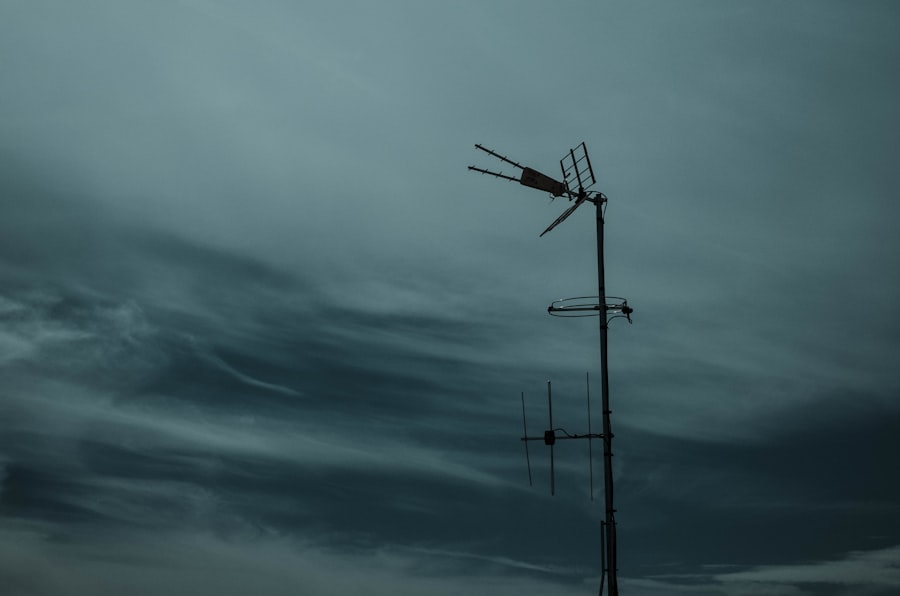
One of the most intriguing aspects of SETI is the enigmatic radio signals that have been detected over the years. These signals, often referred to as “narrowband” signals, are characterized by their specific frequencies and patterns that differ from typical cosmic noise. The most famous of these is the “Wow!
signal,” detected in 1977 by astronomer Jerry R. Ehman while working on a SETI project at Ohio State University. This 72-second burst of radio waves from the direction of the constellation Sagittarius remains unexplained and continues to fuel speculation about its origins.
Despite numerous investigations, many of these signals have yet to be definitively linked to extraterrestrial sources. Scientists have proposed various explanations, ranging from natural astrophysical phenomena to terrestrial interference. The challenge lies in distinguishing genuine signals from background noise and ensuring that any potential discovery is not merely a product of chance or misinterpretation.
As researchers continue to analyze these mysterious signals, they remain hopeful that one day they will uncover definitive evidence of intelligent life beyond our planet.
The Methods of SETI
SETI employs a diverse array of methods to detect potential signals from extraterrestrial civilizations. One primary approach involves using radio telescopes to scan the skies for narrowband signals that may indicate intelligent communication. These telescopes are equipped with advanced technology that allows them to filter out noise and focus on specific frequencies where extraterrestrial signals are most likely to occur.
By monitoring vast swathes of the sky over extended periods, researchers aim to capture fleeting signals that might otherwise go unnoticed. In addition to radio waves, SETI researchers also explore other forms of electromagnetic radiation, such as optical signals and infrared emissions. The search for laser pulses, for instance, has gained traction as a potential method for detecting advanced civilizations capable of harnessing such technology.
By diversifying their methods and expanding their observational capabilities, SETI scientists enhance their chances of discovering evidence of extraterrestrial intelligence.
The Challenges of Interpreting Radio Signals
| Metric | Value | Description |
|---|---|---|
| Frequency Range | 1 to 10 GHz | Typical range monitored for SETI radio signals |
| Signal Bandwidth | 1 Hz to 1 kHz | Bandwidth of narrowband signals searched for artificial origin |
| Signal-to-Noise Ratio (SNR) | >10 dB | Minimum SNR threshold for candidate signals |
| Observation Time | Seconds to hours | Duration of individual signal observations |
| Data Rate | Up to several GB per hour | Amount of data collected during observations |
| Detection Algorithms | Fourier Transform, Matched Filtering | Common methods used to identify signals |
| False Positive Rate | Varies | Rate of terrestrial interference mistaken for extraterrestrial signals |
| Typical Signal Duration | Milliseconds to minutes | Length of detected candidate signals |
Interpreting radio signals from space presents a myriad of challenges that researchers must navigate carefully. One significant hurdle is distinguishing between genuine extraterrestrial signals and natural cosmic phenomena or human-made interference. The universe is filled with various sources of radio emissions, including pulsars, quasars, and other celestial objects that can mimic the characteristics of artificial signals.
This complexity necessitates rigorous analysis and validation processes to ensure that any detected signal is not simply an anomaly. Moreover, even if a signal is identified as potentially extraterrestrial in origin, understanding its content poses another layer of difficulty. The language and context used by an alien civilization may be entirely foreign to humanity, making it challenging to decipher any intended message.
Researchers must consider various factors, including the possibility of different communication methods or encoding systems employed by extraterrestrial beings. This uncertainty adds an element of intrigue but also underscores the complexities involved in interpreting potential communications from beyond Earth.
The Potential Implications of Discovering Extraterrestrial Life

The discovery of extraterrestrial life would have profound implications for humanity and our understanding of existence itself. It would challenge long-held beliefs about our uniqueness in the universe and prompt a reevaluation of philosophical and theological perspectives on life and consciousness. Such a revelation could unite humanity in a shared quest for knowledge and understanding, transcending cultural and national boundaries as people grapple with the implications of not being alone in the cosmos.
Furthermore, contact with an advanced civilization could lead to unprecedented advancements in technology and knowledge sharing. The potential exchange of ideas and innovations could revolutionize fields such as medicine, energy production, and environmental sustainability. However, this prospect also raises ethical questions about how humanity would approach such contact and what responsibilities would arise from interacting with another intelligent species.
The Role of Technology in SETI Research
Technology plays a crucial role in advancing SETI research and enhancing its effectiveness. Over the years, significant advancements in computing power and data analysis techniques have transformed how researchers process vast amounts of data collected from radio telescopes. Modern algorithms can sift through enormous datasets quickly, identifying patterns and anomalies that may indicate potential extraterrestrial signals.
Additionally, developments in machine learning and artificial intelligence are increasingly being integrated into SETI efforts. These technologies can assist in automating signal detection processes and improving accuracy in distinguishing between noise and genuine signals. As technology continues to evolve, it holds the promise of unlocking new avenues for exploration and discovery in the ongoing search for extraterrestrial intelligence.
The Collaborative Nature of SETI
SETI research thrives on collaboration among scientists, institutions, and organizations worldwide. This collaborative spirit fosters an environment where diverse expertise can converge to tackle complex questions about extraterrestrial life. Various SETI initiatives operate independently but often share data and findings to enhance collective knowledge and understanding.
International partnerships have also emerged as critical components of SETI efforts.
This collaborative approach not only accelerates progress but also reflects humanity’s shared curiosity about the cosmos and its inhabitants.
The Ethics of Contacting Extraterrestrial Life
The prospect of contacting extraterrestrial life raises significant ethical considerations that must be carefully examined. If humanity were to establish communication with an advanced civilization, questions about how to approach such contact become paramount. Should humanity send messages into space proactively, or should it adopt a more cautious stance?
The potential consequences of revealing our existence could be profound, ranging from beneficial exchanges to unforeseen risks. Moreover, ethical dilemmas arise regarding how humanity would treat any discovered extraterrestrial beings. Would they be viewed as equals deserving respect and consideration?
Or would they be subjected to exploitation or harm? These questions highlight the need for thoughtful discourse on ethical frameworks guiding humanity’s interactions with other intelligent species should contact ever occur.
The Future of SETI Research
The future of SETI research appears promising as technological advancements continue to reshape the landscape of exploration. With new telescopes being developed and existing facilities being upgraded, researchers are poised to enhance their observational capabilities significantly. Projects like the Square Kilometre Array (SKA) promise unprecedented sensitivity and resolution, allowing scientists to probe deeper into the cosmos than ever before.
Moreover, interdisciplinary collaboration is likely to play an increasingly vital role in shaping SETI’s future direction. As fields such as astrobiology, planetary science, and artificial intelligence converge with traditional astronomy, researchers can develop more comprehensive approaches to understanding life’s potential beyond Earth. This holistic perspective may ultimately lead to breakthroughs that bring humanity closer to answering one of its most profound questions: Are we alone in the universe?
The Public’s Interest in SETI and Extraterrestrial Life
Public interest in SETI and the search for extraterrestrial life remains robust and continues to grow as new discoveries unfold. Movies, television shows, and literature often explore themes related to alien life, capturing imaginations and sparking curiosity about what lies beyond our planet. This cultural fascination serves as a catalyst for scientific inquiry, encouraging funding and support for SETI initiatives.
Moreover, public engagement plays a crucial role in shaping perceptions about science and exploration. As people become more informed about SETI’s goals and methods, they may develop a deeper appreciation for the complexities involved in searching for extraterrestrial intelligence. This awareness can foster a sense of shared responsibility among individuals regarding humanity’s place in the cosmos and its potential interactions with other forms of life.
In conclusion, the search for extraterrestrial life through initiatives like SETI represents one of humanity’s most profound quests for knowledge and understanding. As researchers continue to explore the cosmos using advanced technology and collaborative efforts, they remain hopeful that one day they will uncover evidence that answers age-old questions about our existence in this vast universe.
Recent advancements in the search for extraterrestrial intelligence have sparked renewed interest in the analysis of SETI radio signals. A fascinating article that delves into the implications of these signals can be found at Freaky Science, where researchers discuss the potential for discovering intelligent life beyond our planet. This exploration not only highlights the technological innovations in signal detection but also raises profound questions about our place in the universe.
WATCH THIS! 🌌 Where Is Everybody? The Discovery That Would End Civilization 🌌
FAQs
What does SETI stand for?
SETI stands for the Search for Extraterrestrial Intelligence. It is a scientific effort aimed at detecting signals from intelligent extraterrestrial civilizations.
What are SETI radio signals?
SETI radio signals refer to radio waves that are monitored or analyzed by SETI researchers in the hope of finding transmissions from alien civilizations.
How does SETI detect radio signals?
SETI uses large radio telescopes to scan the sky for unusual or patterned radio signals that differ from natural cosmic sources, which might indicate an artificial origin.
Have any confirmed extraterrestrial radio signals been detected by SETI?
As of now, no confirmed extraterrestrial radio signals have been detected. Some signals have generated interest but were later explained by natural or human-made sources.
What frequencies do SETI projects monitor?
SETI projects often monitor frequencies in the “water hole” region, between 1,420 MHz and 1,666 MHz, where cosmic noise is minimal and hydrogen and hydroxyl emissions occur.
Why are radio waves used in the search for extraterrestrial intelligence?
Radio waves can travel vast distances through space with little interference, making them ideal for interstellar communication and detection.
What is the “Wow! signal” in relation to SETI?
The “Wow! signal” was a strong, narrowband radio signal detected in 1977 by the Big Ear radio telescope, which has never been satisfactorily explained and remains one of the most famous SETI candidate signals.
Can SETI detect signals from all parts of the galaxy?
No, SETI’s detection range is limited by the sensitivity of its instruments and the strength of potential signals. Signals from very distant parts of the galaxy may be too weak to detect.
Are SETI radio signals always intentional transmissions?
Not necessarily. SETI searches for both intentional beacons and unintentional leakage signals that might be emitted by extraterrestrial technologies.
How can SETI distinguish between natural and artificial radio signals?
SETI analyzes signal characteristics such as frequency, modulation, repetition, and bandwidth to differentiate artificial signals from natural cosmic noise.