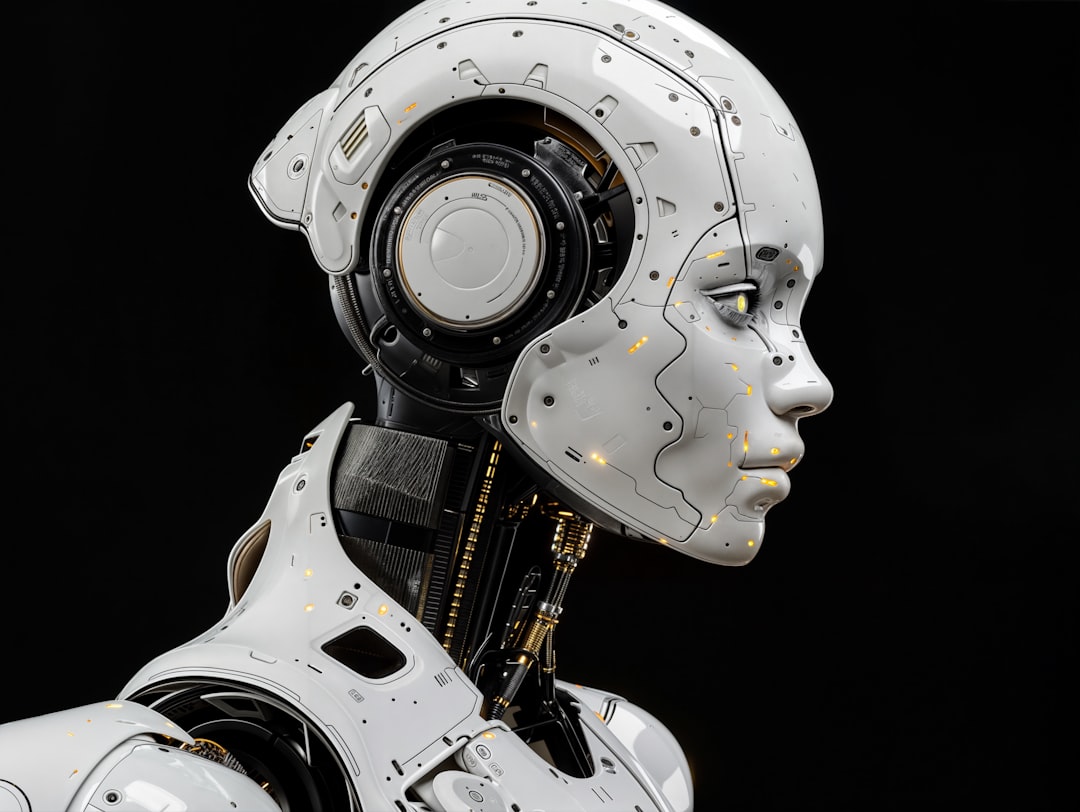
The landscape of modern commerce and production is constantly shifting, a restless ocean of innovation. You stand on its shore, witnessing waves of technological advancement that promise to reshape everything you know. Among these, Artificial Intelligence (AI) is not merely a ripple, but a tidal wave, possessing the capacity to fundamentally revolutionize industries. This exploration will guide you through the transformative power of AI, detailing its impact across diverse sectors and the underlying mechanisms that fuel this revolution.
Before you can appreciate the revolution AI brings, understand the engine that drives it. AI, at its core, is about enabling machines to perform tasks that typically require human intelligence. This encompasses learning, problem-solving, perception, and decision-making. You might think of it as a sophisticated craftsman, meticulously trained to understand intricate patterns and execute complex operations, but operating at an unprecedented scale and speed.
Machine Learning: The Art of Learning from Experience
At the heart of much of today’s AI lies machine learning (ML). This subfield allows systems to learn from data without being explicitly programmed for every scenario. You can visualize ML algorithms as tireless students, poring over vast datasets, identifying correlations, and refining their understanding with each new piece of information.
Supervised Learning: Learning with a Guide
In supervised learning, you provide the AI with labeled data, essentially showing it “examples” and their corresponding “answers.” Imagine teaching a child to identify different fruits by showing them pictures of apples and saying “apple,” pictures of bananas and saying “banana.” The AI learns to map inputs to outputs. This is crucial for tasks like image recognition (classifying what’s in a photo), spam detection (identifying unwanted emails), and predictive analytics (forecasting future trends based on historical data).
Unsupervised Learning: Discovering Hidden Patterns
Unsupervised learning, on the other hand, empowers AI to find hidden structures and patterns in unlabeled data. Think of it as giving a child a box of assorted toys and letting them group similar items together. This is vital for tasks such as customer segmentation (grouping customers with similar behaviors), anomaly detection (identifying unusual patterns that might signal fraud or system errors), and dimensionality reduction (simplifying complex data without losing essential information).
Reinforcement Learning: Learning Through Trial and Error
Reinforcement learning is akin to teaching a dog tricks. The AI learns by interacting with an environment, receiving rewards for desirable actions and penalties for undesirable ones. Over time, it learns to optimize its behavior to maximize rewards. This is the driving force behind game-playing AI (like AlphaGo) and robotics, where systems learn to navigate complex physical spaces and perform intricate manipulations.
Deep Learning: Unveiling Complex Hierarchies
Deep learning is a sophisticated subset of machine learning that utilizes artificial neural networks with multiple layers, hence the term “deep.” You can picture these neural networks as intricate webs of interconnected nodes, each layer processing and transforming information from the previous one, extracting increasingly abstract features. This hierarchical processing allows deep learning models to tackle highly complex problems that were previously intractable.
Convolutional Neural Networks (CNNs): The Visionaries of AI
CNNs are particularly adept at processing grid-like data, most notably images. They excel at identifying features such as edges, shapes, and textures, building a comprehensive understanding of visual information. This is why CNNs are fundamental to advancements in computer vision, enabling applications from self-driving cars to medical image analysis.
Recurrent Neural Networks (RNNs): The Storytellers of AI
RNNs are designed to handle sequential data, making them ideal for tasks involving language and time series. They possess a “memory” that allows them to consider past information when processing current input. This is why RNNs are instrumental in natural language processing (NLP) for tasks like translation, sentiment analysis, and text generation, as well as in financial forecasting and speech recognition.
Natural Language Processing (NLP): The Art of Speaking and Understanding
NLP sits at the intersection of computer science, artificial intelligence, and computational linguistics. It enables computers to understand, interpret, and generate human language. You interact with NLP every day, perhaps without even realizing it, through voice assistants, chatbots, and translation services.
Understanding Intent: Beyond Individual Words
NLP systems move beyond simply recognizing words to deciphering the underlying intent behind sentences. This involves analyzing syntax, semantics, and context. Imagine understanding not just the individual words in a conversation, but the speaker’s true meaning and goals.
Generating Human-Like Text: The Creative Spark
The ability to generate coherent and contextually relevant text is a significant achievement of NLP. This powers everything from personalized marketing emails to creative writing tools, allowing for more nuanced and engaging human-computer interactions.
Artificial intelligence continues to transform various industries, and its implications are vast and profound. For a deeper understanding of the latest advancements and applications in AI, you can explore a related article that discusses the future of AI technology and its potential impact on society. Check it out here: Artificial Intelligence: The Future of Technology.
Revolutionizing Core Industries: AI’s Impact Across the Board
The theoretical underpinnings of AI translate into tangible disruptions across a vast spectrum of industries. You are not just seeing incremental improvements; you are witnessing fundamental shifts in how businesses operate, products are designed, and services are delivered.
Healthcare: Diagnosing, Discovering, and Delivering Personalized Care
The healthcare industry, with its intricate data and critical patient outcomes, is a prime candidate for AI-driven transformation. AI acts as a powerful diagnostic assistant, a vigilant researcher, and a personalized care coordinator, holding the promise of improving both efficiency and effectiveness.
Advanced Diagnostics: A Keen Eye for Subtle Clues
AI algorithms, particularly those powered by deep learning, can analyze medical images (X-rays, MRIs, CT scans) with remarkable accuracy, often detecting subtle anomalies that human eyes might miss. Think of AI as an exceptionally skilled radiologist, working tirelessly to identify potential diseases in their earliest stages, potentially leading to earlier intervention and better prognoses for countless individuals. This can extend to the analysis of pathology slides, identifying cancerous cells with unprecedented precision.
Drug Discovery and Development: Accelerating Innovation’s Pace
The process of discovering and developing new drugs is notoriously lengthy, expensive, and prone to failure. AI can significantly accelerate this by analyzing vast biological datasets, predicting the efficacy and potential side effects of candidate molecules, and identifying novel therapeutic targets. You can view AI as a super-charged research chemist, sifting through immense libraries of chemical compounds to find the most promising avenues for new treatments, shaving years off the traditional development cycle.
Personalized Medicine: Tailoring Treatments to the Individual
Every patient is unique, and AI can help move beyond a one-size-fits-all approach. By analyzing an individual’s genetic makeup, medical history, and lifestyle, AI can predict their susceptibility to certain diseases and recommend the most effective treatment plans. This is akin to having a dedicated medical advisor for each person, constantly monitoring their health and optimizing their care for maximum benefit.
Administrative Efficiency: Streamlining Operations
Beyond direct patient care, AI can optimize administrative tasks, such as scheduling appointments, managing patient records, and processing insurance claims. This frees up valuable time for healthcare professionals to focus on what matters most: their patients. Imagine AI handling the burdensome paperwork, allowing doctors and nurses to dedicate more energy to direct patient interaction and care.
Artificial intelligence continues to transform various industries, and its impact on healthcare is particularly noteworthy. For a deeper understanding of how AI is revolutionizing patient care and diagnostics, you can explore a related article on this topic. The advancements in machine learning and data analysis are paving the way for more personalized treatment plans, ultimately improving patient outcomes. To learn more about these innovations, check out this insightful piece on AI and healthcare at Freaky Science.
Manufacturing: From Automation to Predictive Maintenance
The factory floor, once the domain of manual labor, is undergoing a profound metamorphosis thanks to AI. This revolution brings enhanced efficiency, reduced waste, and a proactive approach to maintaining complex machinery.
Smart Automation: Robots with a Smarter Touch
AI-powered robots are becoming increasingly sophisticated, capable of performing complex assembly tasks with precision and speed. Unlike traditional automation, these robots can adapt to variations in materials and environments, making them more versatile and efficient. Think of them as highly skilled workers, capable of performing repetitive or hazardous tasks tirelessly and with unwavering accuracy, increasing production throughput significantly.
Predictive Maintenance: Preventing Downtime Before It Occurs
One of AI’s most impactful applications in manufacturing is predictive maintenance. By analyzing data from sensors on machinery (temperature, vibration, pressure), AI can predict when a piece of equipment is likely to fail. This allows for scheduled maintenance, preventing costly breakdowns and production stoppages. Imagine your factory as a finely tuned orchestra, where AI acts as the conductor, sensing potential dissonances before they disrupt the performance, ensuring a smooth and continuous operation.
Quality Control: Ensuring Flawless Products
AI vision systems can inspect products on the assembly line with unparalleled speed and accuracy, identifying defects that might be missed by human inspectors. This ensures higher product quality and reduces the incidence of faulty goods reaching consumers. Picture AI as an eagle-eyed quality inspector, scrutinizing every item for the slightest imperfection, guaranteeing that only the best products leave the factory.
Supply Chain Optimization: A Seamless Flow of Goods
AI can optimize complex supply chains by predicting demand, managing inventory levels, and identifying the most efficient logistics routes. This leads to reduced costs, faster delivery times, and improved customer satisfaction. Consider AI as the master strategist for your supply chain, orchestrating the movement of goods with maximum efficiency and minimal disruption.
Finance: Detecting Fraud, Personalizing Services, and Automating Trading
The financial sector, characterized by vast data volumes and high stakes, is a natural environment for AI to thrive. AI acts as a vigilant guardian against fraud, a personalized financial advisor, and a highly efficient trading engine.
Fraud Detection and Prevention: The Digital Watchdog
AI algorithms are exceptionally adept at identifying fraudulent transactions by analyzing patterns and anomalies in real-time. They can flag suspicious activities instantaneously, protecting both financial institutions and their customers from financial losses. Imagine AI as a highly perceptive digital detective, constantly scanning for unusual behavior and swiftly neutralizing threats before they can cause harm.
Algorithmic Trading: Executing Trades at Lightning Speed
AI-powered algorithms can execute trades in financial markets at speeds and volumes far exceeding human capabilities. They analyze market data, identify opportunities, and make trading decisions in milliseconds. This has revolutionized high-frequency trading and is increasingly influencing broader investment strategies. Think of AI as a lightning-fast trader, capable of making millions of decisions in the blink of an eye, capitalizing on minuscule market fluctuations.
Personalized Financial Advice and Robo-Advisors: Democratizing Investment
AI-driven robo-advisors provide personalized investment recommendations and portfolio management services at a lower cost than traditional human advisors. This makes sophisticated financial planning accessible to a wider population. Imagine having a dedicated financial expert, available 24/7, who understands your goals and tailors investment strategies specifically for you.
Credit Scoring and Risk Assessment: More Accurate Evaluations
AI can enhance credit scoring models by analyzing a broader range of data points and identifying more nuanced risk indicators. This can lead to fairer and more accurate credit assessments for individuals and businesses. AI acts as a more comprehensive credit analyst, looking beyond traditional metrics to provide a more holistic understanding of financial risk.
Retail and E-commerce: Enhancing Customer Experience and Optimizing Operations
The way you shop and how retailers operate are being fundamentally altered by AI, leading to more personalized experiences and more efficient business models.
Personalized Recommendations: The Invisible Shopping Assistant
AI powers the recommendation engines that suggest products you might like on e-commerce platforms. By analyzing your browsing history, purchase patterns, and preferences, AI acts as an invisible shopping assistant, curating a personalized shopping experience. Remember those times you’ve found exactly what you were looking for, almost as if the website read your mind? That’s often AI at work.
Inventory Management and Demand Forecasting: Perfecting Stock Levels
AI can accurately forecast demand for products, allowing retailers to optimize inventory levels. This minimizes overstocking and stockouts, leading to reduced waste and improved customer satisfaction. Imagine AI ensuring that the right products are in the right place at the right time, satisfying customer needs without excess inventory cluttering shelves or warehouses.
Chatbots and Customer Service: Instant Support and Engagement
AI-powered chatbots provide instant customer support, answering frequently asked questions, resolving simple issues, and guiding customers through their online journey. This frees up human customer service representatives to handle more complex inquiries and provides customers with immediate assistance. Think of chatbots as always-available virtual assistants, ready to help with your queries at any hour.
Dynamic Pricing and Promotions: Tailoring Offers to the Moment
AI can analyze real-time market conditions, competitor pricing, and customer behavior to dynamically adjust prices and offer personalized promotions. This can optimize sales and profitability for retailers. Imagine a pricing system that adapts in real-time, offering you the best deal based on current demand and your individual purchasing habits.
Transportation and Logistics: Optimizing Routes and Enabling Autonomous Vehicles
The movement of people and goods is set to be profoundly impacted by AI, promising increased efficiency, safety, and innovation.
Route Optimization: The Most Efficient Path Forward
AI algorithms are used to optimize delivery routes for logistics companies, taking into account traffic conditions, delivery windows, and vehicle capacity. This leads to reduced fuel consumption, faster delivery times, and lower operational costs. Imagine AI calculating the most efficient journey, bypassing congestion and ensuring timely arrivals, making the entire delivery process smoother and more cost-effective.
Autonomous Vehicles: The Future of Mobility
AI is the driving force behind the development of autonomous vehicles, from self-driving cars to delivery drones. By processing vast amounts of sensor data and making real-time decisions, AI enables vehicles to navigate complex environments safely and efficiently. This has the potential to revolutionize personal transportation, freight logistics, and urban planning. The dream of a car that drives itself, freeing up your commute time for work or relaxation, is becoming a reality thanks to AI.
Traffic Management: Smoother Journeys for All
AI can be used to optimize traffic flow in cities by analyzing real-time traffic data and adjusting traffic signals accordingly. This can reduce congestion, improve travel times, and enhance road safety. Picture AI as the conductor of a city’s traffic symphony, orchestrating the flow of vehicles to minimize delays and ensure a more harmonious commute for everyone.
Predictive Maintenance for Vehicles: Keeping Fleets on the Road
Similar to manufacturing, AI can predict maintenance needs for vehicles, enabling proactive repairs and reducing downtime for transportation fleets. This ensures reliability and reduces unexpected costs. AI acts as a vigilant mechanic for an entire fleet, identifying potential issues before they cause breakdowns and keeping vehicles in optimal working condition.
The Ethical Compass: Navigating the Societal Implications of AI

As you witness AI’s transformative power, it is crucial to also consider the ethical implications that accompany such profound technological advancement. These are not abstract philosophical debates; they are practical considerations that will shape the responsible deployment of AI.
Bias and Fairness: Ensuring Equity in AI Systems
AI systems learn from data, and if that data contains societal biases, the AI will likely perpetuate and even amplify them. This can lead to discriminatory outcomes in areas like hiring, loan applications, and criminal justice. You must ensure that the data used to train AI is representative and that the algorithms are designed to be fair and equitable to all individuals. The goal is for AI to be a force for good, not a tool that reinforces existing inequalities.
Job Displacement and the Future of Work: Adapting to a Changing Landscape
The automation driven by AI will undoubtedly lead to job displacement in certain sectors. However, it will also create new jobs and require new skill sets. You must think proactively about reskilling and upskilling initiatives to ensure that individuals can adapt to the evolving nature of work. The challenge is not to halt progress, but to manage the transition effectively, ensuring that the benefits of AI are shared widely.
Privacy and Data Security: Protecting Your Digital Footprint
AI systems often require access to large amounts of personal data. Ensuring the privacy and security of this data is paramount. Robust regulations and ethical data handling practices are essential to build trust and prevent misuse. You have a right to know how your data is being used, and AI systems must be designed with privacy as a fundamental consideration.
Accountability and Transparency: Understanding the Decision-Making Process
When AI systems make decisions, especially those with significant consequences, it is important to understand how those decisions were reached. Transparency in AI algorithms and clear lines of accountability are crucial for building trust and addressing potential errors. You should be able to question and understand the logic behind an AI’s actions, especially when those actions affect your life.
The Road Ahead: Embracing the AI Revolution Responsibly

The revolution driven by artificial intelligence is not a distant future; it is unfolding before you, right now. You are an active participant in this transformation, and your understanding and engagement are critical.
Continuous Learning and Adaptability: Staying Ahead of the Curve
The field of AI is evolving at an unprecedented pace. To remain relevant and to harness the full potential of this technology, you must embrace continuous learning and cultivate adaptability. The skills that are valuable today may be different tomorrow, and a commitment to lifelong learning is essential.
Collaboration Between Humans and AI: The Power of Synergy
The most potent applications of AI are often found in its collaboration with human intelligence. AI can handle the repetitive, data-intensive tasks, freeing up humans to focus on creativity, critical thinking, and ethical judgment. You can think of this as a powerful partnership, where the strengths of both humans and machines are amplified to achieve outcomes that neither could achieve alone.
Shaping the Future with AI: A Collective Responsibility
The future impact of AI on industries and society is not predetermined. It is being shaped by the choices you make today. By understanding AI’s capabilities, acknowledging its challenges, and engaging in thoughtful discourse, you can help steer this revolution towards a future that is innovative, equitable, and beneficial for all. The trajectory of this revolution is in your hands.
FAQs
What is artificial intelligence (AI)?
Artificial intelligence (AI) refers to the simulation of human intelligence in machines that are programmed to think, learn, and make decisions. These systems can perform tasks that typically require human intelligence, such as problem-solving, speech recognition, and decision-making.
What are the main types of artificial intelligence?
The main types of AI include Narrow AI, which is designed for specific tasks; General AI, which can perform any intellectual task a human can do; and Superintelligent AI, which surpasses human intelligence across all fields. Currently, most AI applications are examples of Narrow AI.
How is artificial intelligence used in everyday life?
AI is used in various everyday applications such as virtual assistants (e.g., Siri, Alexa), recommendation systems on streaming services, autonomous vehicles, fraud detection in banking, and personalized marketing. It helps improve efficiency and user experience across many industries.
What are the benefits of artificial intelligence?
AI offers numerous benefits including automation of repetitive tasks, enhanced data analysis, improved decision-making, increased productivity, and the ability to solve complex problems. It also has the potential to advance healthcare, education, and transportation.
What are the ethical concerns related to artificial intelligence?
Ethical concerns include issues of privacy, bias in AI algorithms, job displacement due to automation, accountability for AI decisions, and the potential misuse of AI technologies. Ensuring transparency, fairness, and responsible development is critical to addressing these challenges.