
In 2023, human rights protection faces significant challenges as governments worldwide confront rising authoritarianism, widening social inequality, and persistent systemic discrimination. These trends have intensified concerns about the erosion of individual freedoms and human dignity across multiple regions. The COVID-19 pandemic’s aftermath has revealed critical gaps in human rights implementation.
The crisis disproportionately affected marginalized populations and exposed inequitable access to essential services including healthcare, education, and social support systems. These disparities have underscored the need for strengthened human rights frameworks that ensure equal protection and access to fundamental services. Contemporary human rights challenges operate on a global scale due to increased interconnectedness between nations.
Climate change impacts, large-scale migration patterns, and rapid technological development create human rights implications that cross national boundaries. These transnational issues require coordinated international responses and consistent application of human rights standards.
Civil society organizations, activists, and affected communities are utilizing various platforms to document abuses and pressure governments to fulfill their human rights obligations. This heightened scrutiny reflects a broader understanding that human rights constitute legally binding commitments rather than discretionary policies, requiring systematic implementation and enforcement mechanisms to protect all individuals regardless of their circumstances or location.
Key Takeaways
- Human rights remain crucial in 2023, adapting to new global challenges and societal changes.
- Technology and social media have become powerful tools for human rights advocacy and raising awareness.
- Intersectionality highlights the need to address overlapping social identities in human rights efforts.
- Education plays a key role in promoting understanding and respect for human rights worldwide.
- Businesses are increasingly recognized as important actors in upholding and protecting human rights.
The Evolution of Human Rights Recognition
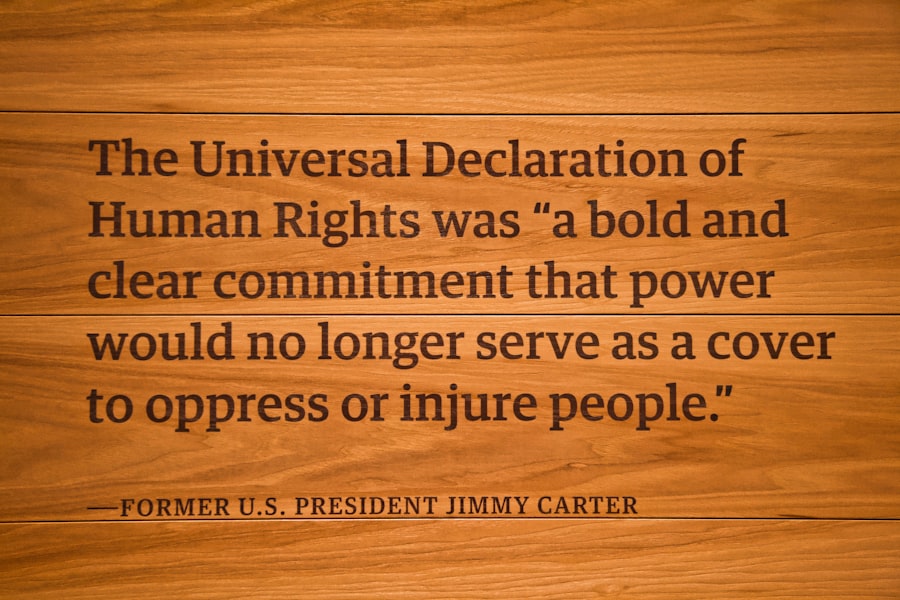
The recognition of human rights has undergone a profound evolution over the centuries, shaped by historical events, philosophical movements, and social struggles. From the Magna Carta in 1215 to the Universal Declaration of Human Rights (UDHR) adopted by the United Nations in 1948, the journey toward acknowledging and codifying human rights has been marked by significant milestones. The UDHR represented a collective commitment to uphold the dignity and worth of every individual, establishing a framework that transcends cultural and national boundaries.
This foundational document laid the groundwork for subsequent treaties and conventions aimed at protecting specific rights, such as those related to women, children, and minorities. In recent years, the evolution of human rights recognition has continued to adapt to contemporary challenges. The rise of social movements advocating for racial justice, gender equality, and LGBTQ+ rights has prompted a reevaluation of existing frameworks.
Activists have pushed for the inclusion of marginalized voices in discussions about human rights, emphasizing that true recognition must encompass diverse experiences and perspectives. This ongoing evolution reflects a growing understanding that human rights are not static but rather dynamic principles that must evolve in response to societal changes and emerging threats.
The Role of Technology in Human Rights Advocacy
Technology has emerged as a powerful tool in the realm of human rights advocacy, transforming how activists mobilize support and raise awareness about violations. In 2023, digital platforms enable individuals and organizations to disseminate information rapidly, reaching global audiences with unprecedented speed. Social media campaigns have become instrumental in amplifying voices that might otherwise go unheard, allowing marginalized communities to share their stories and experiences.
This democratization of information empowers individuals to challenge oppressive systems and demand accountability from those in power. However, the role of technology in human rights advocacy is not without its challenges. While it offers opportunities for engagement and mobilization, it also presents risks related to surveillance, misinformation, and online harassment.
Governments and corporations may exploit technology to suppress dissent or infringe upon privacy rights. As such, advocates must navigate this complex landscape carefully, leveraging technology’s potential while remaining vigilant against its misuse. In 2023, the intersection of technology and human rights advocacy continues to evolve, necessitating ongoing dialogue about ethical practices and the responsibilities of both users and platforms.
Intersectionality and Human Rights
The concept of intersectionality has gained prominence in discussions about human rights, emphasizing that individuals experience oppression in multifaceted ways based on their identities. In 2023, advocates recognize that factors such as race, gender, sexual orientation, socioeconomic status, and disability intersect to shape individuals’ experiences of discrimination and marginalization. This understanding challenges traditional approaches to human rights that often treat issues in isolation rather than acknowledging their interconnectedness.
By embracing an intersectional framework, human rights advocates can better address the unique challenges faced by individuals at the intersections of multiple identities. For instance, women of color may encounter distinct barriers that differ from those experienced by white women or men of color. Recognizing these nuances allows for more comprehensive advocacy efforts that seek to dismantle systemic inequalities.
In this context, intersectionality serves as a vital lens through which to analyze human rights violations and develop strategies for promoting justice that are inclusive and equitable.
The Impact of Global Events on Human Rights
| Country | Recognition Date of Human Rights | Key Human Rights Document | Notes |
|---|---|---|---|
| United States | December 15, 1791 | Bill of Rights | First 10 amendments to the US Constitution guaranteeing fundamental rights. |
| France | August 26, 1789 | Declaration of the Rights of Man and of the Citizen | Foundational document of the French Revolution affirming individual and collective rights. |
| United Nations (Global) | December 10, 1948 | Universal Declaration of Human Rights (UDHR) | First global expression of rights to which all human beings are inherently entitled. |
| South Africa | May 8, 1996 | Constitution of South Africa | Includes an extensive Bill of Rights post-apartheid era. |
| Canada | April 17, 1982 | Canadian Charter of Rights and Freedoms | Part of the Constitution Act, guarantees civil rights and liberties. |
Global events have a profound impact on the state of human rights around the world, shaping public discourse and influencing policy decisions. In 2023, ongoing conflicts, humanitarian crises, and geopolitical tensions continue to challenge the protection of fundamental freedoms. For instance, armed conflicts in various regions have led to widespread displacement and violations of civil liberties.
The international community’s response to these crises often reflects broader political dynamics, complicating efforts to uphold human rights standards. Moreover, global events such as climate change have emerged as critical factors affecting human rights. As environmental degradation intensifies, vulnerable populations face disproportionate risks related to displacement, food insecurity, and health crises.
In this context, advocates emphasize the need for a holistic approach that recognizes the interdependence of environmental sustainability and human rights protection. By addressing these global challenges through a human rights lens, advocates can work toward solutions that prioritize both individual dignity and collective well-being.
Recognizing and Addressing Human Rights Violations
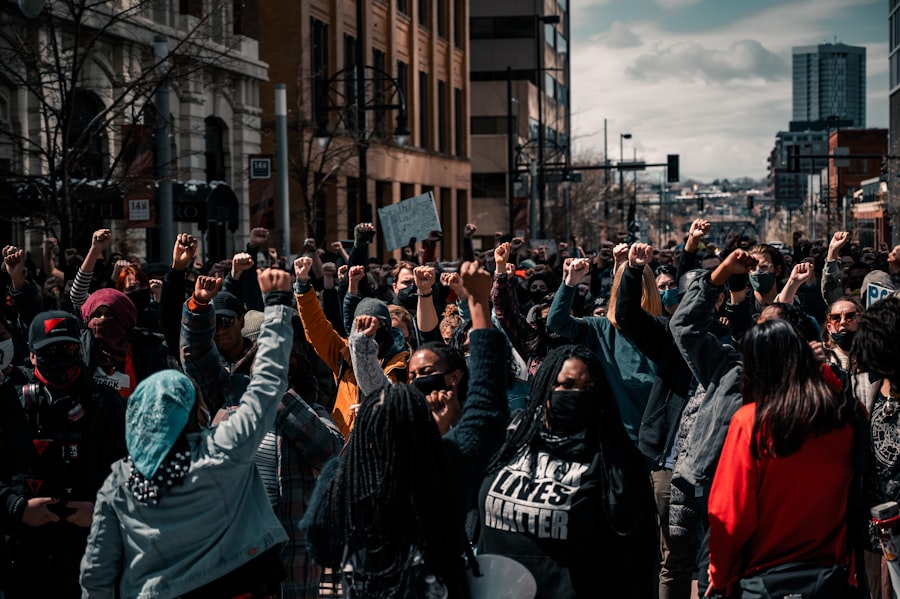
Recognizing and addressing human rights violations is essential for fostering accountability and promoting justice in society. In 2023, various mechanisms exist for documenting abuses and holding perpetrators accountable; however, significant gaps remain in enforcement and implementation. Human rights organizations play a crucial role in monitoring violations, conducting investigations, and raising awareness about abuses occurring worldwide.
Their efforts contribute to a broader understanding of systemic issues while advocating for policy changes that prioritize human rights protections. Addressing violations requires collaboration among governments, civil society organizations, and international bodies. In many cases, political will is necessary to implement reforms that safeguard human rights effectively.
This collaboration can take various forms, including legal frameworks that protect whistleblowers or support for victims seeking justice. Additionally, public awareness campaigns can mobilize communities to demand accountability from their governments while fostering a culture of respect for human rights at all levels of society.
The Role of Education in Promoting Human Rights
Education plays a pivotal role in promoting human rights awareness and fostering a culture of respect for dignity and equality. In 2023, educational institutions are increasingly recognizing their responsibility to equip students with knowledge about their rights and the importance of advocating for others.
Moreover, education serves as a powerful tool for dismantling stereotypes and prejudices that contribute to discrimination. By fostering critical thinking skills and promoting empathy among students, educational programs can cultivate a generation committed to social justice. Initiatives that incorporate diverse perspectives into curricula help students appreciate the complexities of human rights issues while encouraging them to become informed advocates for change within their communities.
The Power of Social Media in Human Rights Activism
Social media has revolutionized the landscape of human rights activism by providing platforms for individuals to share their experiences and mobilize support on a global scale. In 2023, hashtags like #MeToo or #BlackLivesMatter have become rallying cries for movements advocating against gender-based violence and racial injustice respectively. These digital campaigns have not only raised awareness but also fostered solidarity among diverse groups advocating for change.
However, while social media offers unprecedented opportunities for activism, it also presents challenges related to misinformation and online harassment. Activists must navigate these complexities carefully to ensure their messages resonate authentically while combating false narratives that may undermine their efforts. In this digital age, striking a balance between leveraging social media’s power for advocacy while remaining vigilant against its pitfalls is essential for effective human rights activism.
The Inclusion of Indigenous Rights in Human Rights Discourse
The inclusion of Indigenous rights within the broader framework of human rights discourse has gained momentum in recent years as advocates seek recognition for the unique challenges faced by Indigenous communities worldwide. In 2023, there is an increasing acknowledgment that Indigenous peoples possess distinct cultural identities and historical ties to their lands that must be respected within any discussion about human rights. This recognition has led to calls for greater representation of Indigenous voices in decision-making processes affecting their lives.
Advocates emphasize the importance of honoring treaties and agreements while addressing historical injustices rooted in colonization. By centering Indigenous perspectives within human rights discussions, societies can work toward reconciliation while promoting social justice that respects cultural diversity.
The Role of Businesses in Upholding Human Rights
In 2023, businesses are increasingly recognized as key players in upholding human rights standards within their operations and supply chains. Corporate social responsibility initiatives have gained traction as consumers demand ethical practices from companies they support. Businesses are now expected not only to comply with legal frameworks but also to proactively promote human rights through their policies and practices.
Moreover, companies are beginning to understand that respecting human rights is not only a moral obligation but also a strategic advantage. By fostering inclusive workplaces free from discrimination or exploitation, businesses can enhance employee satisfaction while building trust with consumers who prioritize ethical considerations in their purchasing decisions. As such, integrating human rights into corporate strategies becomes essential for sustainable growth in today’s socially conscious marketplace.
The Future of Human Rights Advocacy
The future of human rights advocacy is poised for transformation as new challenges emerge alongside evolving societal dynamics. In 2023, advocates must remain adaptable while harnessing innovative approaches to address pressing issues such as climate change impacts on vulnerable populations or technological advancements threatening privacy rights. Collaboration across sectors—governmental agencies, civil society organizations, businesses—will be crucial in developing comprehensive strategies that prioritize human dignity.
Furthermore, engaging younger generations through education and digital platforms will play a vital role in shaping future advocacy efforts. As young activists continue to mobilize around issues they care about deeply—whether climate justice or racial equality—their voices will drive meaningful change within existing frameworks while challenging outdated norms. In conclusion, while significant progress has been made regarding human rights recognition over time; ongoing vigilance is necessary to ensure these principles are upheld universally across all contexts moving forward into an uncertain future filled with both opportunities for growth alongside persistent challenges requiring collective action towards justice for all individuals regardless of background or identity.
The recognition of human rights has been a pivotal moment in history, shaping the way societies function and ensuring the dignity of individuals worldwide. For a deeper understanding of this topic, you can explore the article on the significance of human rights recognition at this link. This article delves into the historical context and the ongoing challenges faced in the pursuit of universal human rights.
FAQs
What is the recognition date of human rights?
The recognition date of human rights refers to the specific time or period when fundamental human rights were formally acknowledged or established, often through legal documents, declarations, or international agreements.
When were human rights first formally recognized?
Human rights were first formally recognized in the 18th century, notably with the adoption of the United States Declaration of Independence in 1776 and the French Declaration of the Rights of Man and of the Citizen in 1789.
What is the significance of the Universal Declaration of Human Rights?
Adopted by the United Nations General Assembly on December 10, 1948, the Universal Declaration of Human Rights (UDHR) is a milestone document that formally recognized and outlined fundamental human rights to be universally protected.
Why is December 10 important in the context of human rights?
December 10 is observed annually as Human Rights Day, commemorating the adoption of the Universal Declaration of Human Rights in 1948.
Are human rights recognition dates the same worldwide?
No, the recognition of human rights has occurred at different times in various countries and regions, often influenced by historical, cultural, and political contexts.
What documents are key to the recognition of human rights?
Key documents include the Magna Carta (1215), the English Bill of Rights (1689), the United States Bill of Rights (1791), the French Declaration of the Rights of Man and of the Citizen (1789), and the Universal Declaration of Human Rights (1948).
How do recognition dates impact the enforcement of human rights?
Recognition dates mark the formal acknowledgment of rights, which often leads to the development of laws, policies, and institutions aimed at protecting and enforcing those rights.
Can the recognition date of human rights change over time?
While the original recognition dates remain historically fixed, the scope and understanding of human rights continue to evolve, leading to new declarations and treaties that expand or clarify rights.