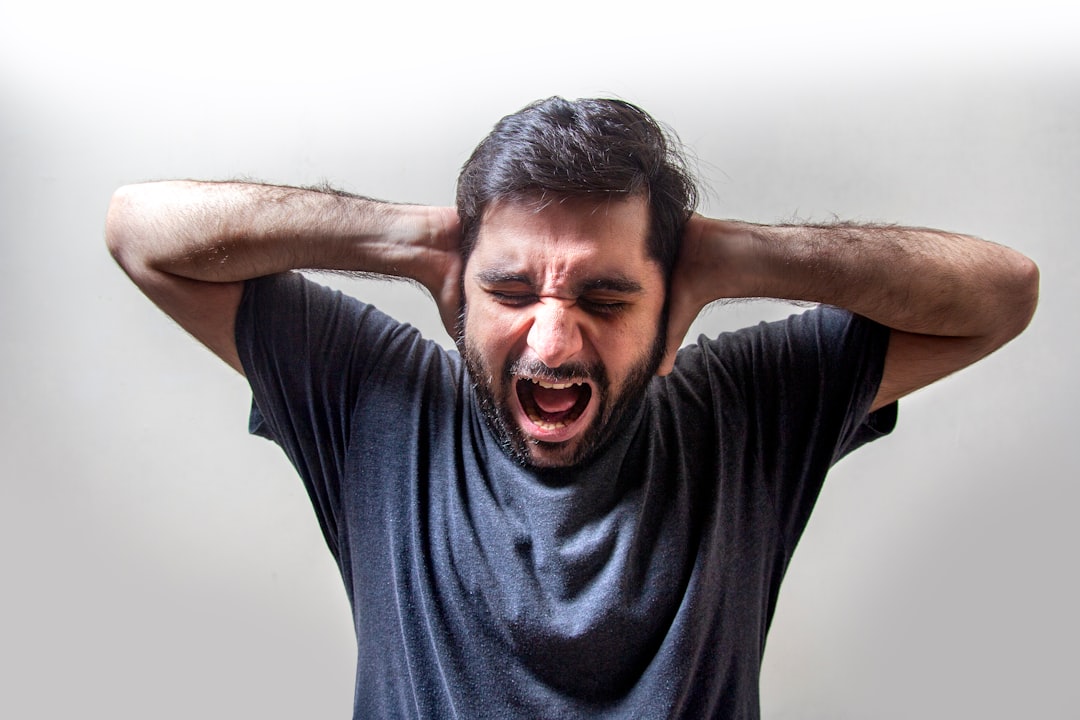
You’ve probably heard the term “anxiety” tossed around quite a bit. It’s a common human experience, a feeling of worry, nervousness, or unease, typically about an imminent event or something with an uncertain outcome. But what if that unease goes beyond a fleeting thought about a looming deadline or a social engagement? What if it starts to feel more ingrained, more physical, and less something you can simply talk yourself out of? Recognizing the early signs of biological anxiety is crucial, as it often manifests differently from cognitive or situational anxiety, and addressing it sooner can significantly impact your well-being. This isn’t about dwelling on negativity or seeking validation for fleeting discomforts. It’s about objective observation of your own internal signals, the ones that originate not just in your thoughts, but in the very fabric of your biology.
Biological anxiety isn’t solely a mental construct; it’s deeply rooted in your body’s physiological responses. While your mind might be buzzing with worries, the initial indicators can often be felt, quite literally, in your physical being. These signals are your body’s alarm system, attempting to alert you to a perceived threat or imbalance. Understanding these bodily cues is paramount because they can precede or even accompany more overt psychological distress. Don’t dismiss these sensations as mere stress; they can be the whispered language of your nervous system beginning to operate in a heightened state.
The Gut-Brain Connection: A Primary Indicator
The connection between your digestive system and your brain is far more intricate than you might imagine. This bidirectional communication pathway, known as the gut-brain axis, plays a significant role in how you experience anxiety. When your body perceives a threat or stressor, even an unconscious one, a cascade of physiological events is triggered, and the gut is often one of the first areas to react.
Persistent Digestive Upset Without Clear Cause
You might experience a range of digestive issues that don’t seem to have a straightforward explanation. This isn’t about a single bad meal or a temporary bout of indigestion. Instead, consider chronic or recurring discomfort.
- Increased frequency of bowel movements or diarrhea: You find yourself needing to use the restroom more often than usual, and the urgency can be a notable change. This isn’t just mild discomfort; it can be disruptive to your daily routine.
- Constipation or irregular bowel habits: Conversely, some individuals experience a slowing of their digestive system, leading to difficulty with bowel movements. This can manifest as bloating and a feeling of fullness that persists.
- Nausea or stomachaches: A persistent feeling of queasiness or a knot in your stomach, even when you haven’t eaten anything that would typically cause such a reaction, can be a sign. This is often described as a “nervous stomach.”
- Acid reflux or heartburn: An increase in stomach acid production can lead to a burning sensation in your chest, which may become more frequent or severe when you’re experiencing heightened biological anxiety.
- Loss of appetite or changes in eating patterns: You might find your appetite diminishing, or you may experience cravings for specific foods that are not typical for you. This disruption to your regular eating habits can be a subtle indicator.
The Role of the Vagus Nerve
The vagus nerve is a crucial component of the parasympathetic nervous system, responsible for “rest and digest” functions. When biological anxiety takes hold, the vagus nerve’s signaling can be disrupted, impacting the gut-brain axis and contributing to these digestive symptoms.
Musculoskeletal Tension: The Body’s Armor
Your body’s muscles can hold onto tension as a primal response to perceived danger, preparing you to react – to fight or flee. Biological anxiety often manifests as a chronic state of this preparation, even when no immediate threat is present. This can lead to a range of physical discomforts.
Unexplained Aches and Pains
You might find yourself experiencing physical pain that doesn’t stem from an injury or overexertion. This persistent discomfort can be a strong signal of an underlying biological stress response.
- Headaches, particularly tension headaches: A dull, persistent ache that often circles the head like a band. This is a common physical manifestation of chronic tension.
- Neck and shoulder stiffness or pain: The muscles in your neck and shoulders are often the first to tighten when you feel stressed or anxious. This can lead to a feeling of tightness and restricted movement.
- Back pain, especially in the lower back: Muscle tension can radiate to the back, causing discomfort and a feeling of tightness that can be persistent.
- Jaw clenching or teeth grinding (bruxism): You might unconsciously clench your jaw during the day or grind your teeth at night, leading to jaw pain, headaches, and dental issues.
- Generalized muscle aches or soreness: A feeling of being generally achy and sore, as if you’ve overexerted yourself, even when you haven’t been physically active.
The Fight-or-Flight Response in Play
These musculoskeletal symptoms are often a direct result of your autonomic nervous system being in a prolonged state of alert. The “fight-or-flight” response prepares your body for action, leading to muscle tensing and increased blood flow to those muscles.
Recent research has highlighted the importance of early warning features in identifying biological anxiety, shedding light on how physiological responses can serve as indicators of anxiety disorders. For a deeper understanding of this topic, you can explore the article available at Freaky Science, which discusses various biological markers and their implications for early diagnosis and intervention in anxiety-related conditions.
The Autonomic Nervous System’s Subtle Signals
Your autonomic nervous system (ANS) operates largely unconsciously, regulating vital bodily functions like heart rate, breathing, digestion, and temperature. When biological anxiety is present, the ANS can become dysregulated, leading to a variety of subtle but significant physical changes. Recognizing these shifts is key to understanding the biological underpinnings of your experience.
Cardiovascular Indicators Beyond Palpitations
While a racing heart is a well-known symptom of anxiety, deeper and more persistent cardiovascular changes can also be indicative of biological anxiety. These are often subtle shifts rather than dramatic episodes.
Persistent Subtly Elevated Heart Rate
You might notice that your resting heart rate is consistently a bit higher than it typically is. This isn’t about feeling your heart pound; it’s a persistent, low-grade elevation.
- A resting heart rate that is consistently 5-10 beats per minute higher than your baseline: This might not be immediately alarming, but over time, it represents a sustained increase in cardiovascular demand.
- A feeling of subtle “buzzing” or increased awareness of your heartbeat: You might be more attuned to the rhythm of your heart, even when you’re not actively exerting yourself.
- Occasional skipped beats or fluttering sensations that occur without exertion: These can be minor arrhythmias that are more noticeable when your nervous system is in a heightened state.
Blood Pressure Fluctuations
While significant hypertension is a medical condition, subtle and episodic elevations in blood pressure can be a physiological response to anxiety.
- Brief but noticeable increases in blood pressure during periods of stress or unease: This might be detected during a routine check-up or even noted if you have a home blood pressure monitor.
- Feeling of pressure in your head or chest during moments of increased worry: This can be a subjective experience linked to subtle cardiovascular changes.
Respiratory Changes During Rest
Your breathing patterns can also betray the presence of biological anxiety, even when you’re not actively experiencing a panic attack. Subtle shifts in your respiratory rate and depth can be revealing.
Shallow and Rapid Breathing
Instead of deep, resonant breaths, you might find yourself taking shallower, more frequent breaths. This is often an unconscious attempt to take in more oxygen when your body is in a state of heightened alert.
- A feeling of not being able to get a full, satisfying breath: Even after inhaling, you might feel as though you haven’t quite filled your lungs completely.
- A tendency to take short, rapid breaths, particularly when feeling uneasy: This can become a habitual pattern that you might not consciously notice.
- Frequent sighing or yawning: These can be unconscious attempts by your body to regulate oxygen levels or to release built-up tension.
Hyperventilation Can Be More Than Just Panic
While overt hyperventilation is often associated with panic attacks, sub-clinical hyperventilation can be a more subtle and persistent sign of biological anxiety.
- Feeling lightheaded or dizzy after periods of shallow breathing: This can be a symptom of altered blood gas levels due to breathing too quickly.
- Tingling sensations in your hands, feet, or around your mouth: These can also be associated with changes in carbon dioxide levels from hyperventilation.
Neurological Signatures: Beyond the Mental
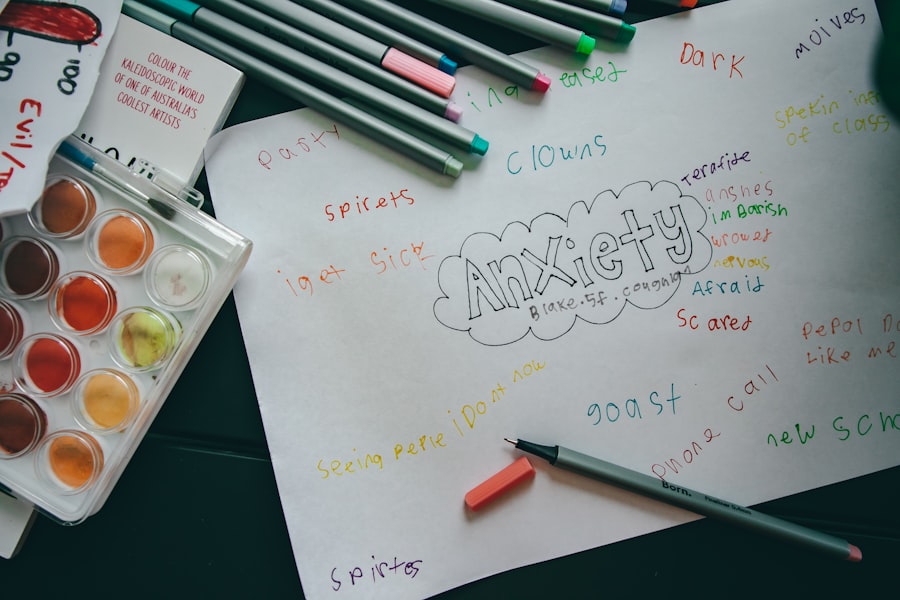
The brain is the command center for your nervous system, and biological anxiety can leave its imprint on neurological functioning. These changes can manifest as alterations in sensory perception, cognitive processing, and even motor control, often in ways that are subtle but consistently present.
Sensory Hypersensitivity and Overwhelm
Your brain’s filtering mechanisms can become temporarily impaired under biological anxiety, leading to an increased sensitivity to external stimuli. This can make the world feel overwhelming and contribute to a sense of unease.
Heightened Awareness of Environmental Stimuli
You might find yourself more easily bothered by things you previously tolerated. This is not about being fussy; it’s a genuine shift in how your brain processes sensory input.
- Increased sensitivity to bright lights: Even moderate lighting can feel harsh or irritating.
- Heightened awareness of loud or sudden noises: Sounds that were previously ignorable can now be jarring or distressing.
- Increased sensitivity to strong smells: Perfumes, cleaning products, or even certain foods can become overwhelming.
- Feeling uncomfortable with certain textures or clothing against your skin: This can range from a mild annoyance to a significant aversion.
- Overwhelmed by busy environments or crowds: The sheer volume of sensory input can feel suffocating.
The Fight-or-Flight Response Amplifying Sensory Input
When your fight-or-flight system is activated, your brain prioritizes processing potential threats, which can include amplifying sensory information, making you more vigilant.
Changes in Cognitive Processing and Focus
Biological anxiety can impact how you think, focus, and process information. These aren’t necessarily lapses in intelligence but rather subtle shifts in your cognitive efficiency.
Difficulty Concentrating and Maintaining Focus
You might find your mind wandering more easily, making it challenging to sustain attention on tasks, even those you find engaging.
- Inability to stay on task for extended periods: You find yourself getting easily distracted by internal thoughts or external stimuli.
- Struggling to follow conversations or complex instructions: The effort required to process information feels significantly higher.
- Increased forgetfulness of minor details: You might find yourself misplacing items or forgetting appointments more frequently.
Racing Thoughts and Mental “Noise”
While classic racing thoughts are often associated with panic, a more persistent and subtle form can be present in biological anxiety, characterized by a constant stream of thoughts that are difficult to control.
- A persistent internal monologue that is hard to quiet down: You feel as though your mind is constantly “on,” even when you’re trying to relax.
- Difficulty in shutting off your brain at night, preventing sleep: The constant stream of thoughts makes it hard to disengage and fall asleep.
- A sense of mental “clutter” or feeling overwhelmed by your own thoughts: You might feel like your thoughts are disorganized and difficult to manage.
Sleep Disturbances: A Consequence and a Cause

Sleep is a fundamental pillar of well-being, and biological anxiety frequently disrupts it. Insufficient or poor-quality sleep, in turn, can exacerbate anxiety symptoms, creating a vicious cycle. Recognizing the specific ways your sleep is affected can be a crucial indicator.
Persistent Difficulty Falling Asleep (Sleep Onset Insomnia)
The inability to drift off to sleep, even when physically exhausted, is a hallmark of biological anxiety. Your mind, in a state of perpetual alert, resists the transition into rest.
Racing Thoughts Preventing Sleep Onset
As mentioned earlier, the constant stream of thoughts can directly interfere with your ability to fall asleep. Your brain is simply not prepared to power down.
- Lying in bed with your mind racing, replaying events or anticipating future worries: You might find yourself analyzing every detail of your day or creating worst-case scenarios for tomorrow.
- Feeling physically restless and unable to settle down: Even if you’re tired, your body might feel agitated, making it difficult to find a comfortable sleeping position.
- A strong urge to get out of bed and do something else: This is your brain’s attempt to escape the perceived boredom or frustration of trying to sleep.
Increased Physical Arousal Making Sleep Difficult
Beyond mental chatter, the physiological changes associated with biological anxiety can also make sleep onset challenging.
- Increased heart rate or a feeling of your heart beating strongly while trying to sleep: This sustained physical arousal can be deeply disruptive.
- Feelings of unexplained warmth or occasional hot flashes: These physiological shifts can make it uncomfortable to settle down.
- Muscle tension that makes it difficult to relax your body: Even when lying down, you might feel a persistent tightness in your muscles.
Early Morning Awakenings and Interrupted Sleep
Beyond the initial challenge of falling asleep, biological anxiety can also disrupt sleep once you’ve managed to drift off. Waking up too early or experiencing frequent awakenings throughout the night are common.
Waking Up Feeling Anxious and Alert
You might wake up in the middle of the night or early morning with a sudden surge of anxiety, feeling wide awake and unable to return to sleep.
- Waking up with a feeling of dread or unease before you even fully realize what’s happening: The anxiety hits before your logical mind can catch up.
- Physical symptoms like a fast heart rate or shortness of breath upon waking: These are direct physiological manifestations of anxiety interrupting sleep.
- Obsessive thoughts or worries that emerge upon waking, preventing you from going back to sleep: The early morning hours can become a prime time for rumination.
The Impact of Circadian Rhythm Disruption
Biological anxiety can interfere with your body’s natural sleep-wake cycle, the circadian rhythm, leading to a fragmented and less restorative sleep pattern.
- Feeling like your internal clock is out of sync, leading to a sense of chronic tiredness: Even after a full night’s sleep, you might feel unrefreshed.
- Difficulty waking up in the morning, despite having been awake for hours during the night: Your body struggles to adapt to the demands of the day.
Understanding the early warning features of biological anxiety can be crucial for effective management and intervention. For those interested in exploring this topic further, a related article can provide valuable insights into the physiological markers and behavioral signs associated with anxiety disorders. You can read more about these indicators and their implications for treatment in this informative piece available at Freaky Science. By recognizing these early signs, individuals can take proactive steps towards addressing their anxiety and improving their overall mental health.
Subtle Behavioral Shifts: The Unconscious Manifestations
| Early Warning Feature | Description |
|---|---|
| Rapid Heartbeat | An increase in heart rate, often accompanied by palpitations |
| Shallow Breathing | Feeling short of breath or having difficulty taking deep breaths |
| Sweating | Experiencing excessive sweating, especially in the palms or underarms |
| Trembling or Shaking | Noticing uncontrollable trembling or shaking of the body |
| Feeling Dizzy or Lightheaded | Experiencing a sensation of dizziness or feeling lightheaded |
As biological anxiety becomes more ingrained, it can subtly influence your behavior, even in ways you don’t consciously recognize. These shifts are often the externalization of your internal state, attempts by your body and mind to cope with or avoid perceived threats.
Avoidance Behaviors and Social Withdrawal
When your nervous system is in a state of heightened alert, it naturally seeks to avoid potential stressors. This can lead to increasingly withdrawn behavior.
Gradual Retreat from Social Situations
You might find yourself declining invitations or actively avoiding social gatherings that were once manageable or even enjoyable.
- Making excuses to avoid social events, even if you feel a desire to attend: The effort required to navigate social interactions feels overwhelming.
- Preferring to stay home alone rather than engage with others: Solitude, while sometimes necessary, becomes a consistent preference due to underlying discomfort.
- Feeling a sense of relief when social plans are canceled: This relief is a direct indicator of the underlying anxiety being temporarily alleviated.
- Reduced communication with friends and family, even those you are close to: The energy required for maintaining relationships feels too demanding.
Increased Hesitation in Decision-Making
The constant state of vigilance can make decision-making feel more burdensome. The fear of making the “wrong” choice can lead to paralysis.
- Indecisiveness regarding everyday choices, such as what to eat or wear: Even minor decisions can feel fraught with potential negative outcomes.
- Procrastinating on tasks that require a commitment or a decision: The pressure to decide can be overwhelming, leading to delays.
- Constantly second-guessing your choices after they have been made: A persistent feeling that you should have chosen differently.
Alterations in Energy Levels and Motivation
Biological anxiety can profoundly impact your energy levels and your intrinsic motivation to engage in activities. This isn’t about laziness; it’s about the physiological toll of being in a constant state of alert.
Persistent Fatigue and Lack of Energy
Despite adequate rest, you might experience a pervasive sense of tiredness that isn’t relieved by sleep. This chronic fatigue is a direct consequence of your body’s sustained effort in maintaining a heightened state of arousal.
- Feeling drained and lacking the energy to perform daily tasks: Even simple chores can feel like insurmountable obstacles.
- Needing to push yourself to get out of bed in the morning: The effort to simply start your day feels significant.
- Experiencing a lack of enthusiasm for activities you once enjoyed: The pleasure derived from hobbies and interests diminishes.
Reduced Drive and Motivation
The sustained activation of the stress response can deplete your body’s resources, leading to a significant reduction in motivation and drive.
- Struggling to initiate tasks or projects, even those you care about: The initial hurdle of getting started feels too high.
- A general feeling of apathy or disinterest in your surroundings: The world can start to feel less engaging and stimulating.
- Difficulty finding pleasure in activities that previously brought you joy (anhedonia): This loss of the capacity for enjoyment is a significant indicator.
Recognizing these early signs of biological anxiety is a process of honest self-assessment. It requires paying attention to the subtle, often physical, signals your body is sending. While this article outlines common indicators, it is not a substitute for professional medical advice. If you consistently observe several of these signs, consider consulting with a healthcare professional to explore potential causes and appropriate strategies for management. Early recognition and intervention are key to navigating and mitigating the impact of biological anxiety.
FAQs
What are the early warning signs of biological anxiety?
Some early warning signs of biological anxiety may include increased heart rate, rapid breathing, sweating, trembling, and feeling tense or on edge.
Can biological anxiety be detected through physical symptoms?
Yes, biological anxiety can be detected through physical symptoms such as muscle tension, headaches, stomachaches, and fatigue.
Are there specific biological markers associated with anxiety?
Yes, there are specific biological markers associated with anxiety, including increased levels of cortisol (the stress hormone), changes in brain activity, and alterations in neurotransmitter levels.
How can early warning features of biological anxiety be managed?
Early warning features of biological anxiety can be managed through various techniques such as relaxation exercises, deep breathing, mindfulness meditation, and seeking professional help from a therapist or psychiatrist.
What are the potential consequences of ignoring early warning features of biological anxiety?
Ignoring early warning features of biological anxiety can lead to worsening symptoms, increased risk of developing other mental health disorders, and impairment in daily functioning. It is important to seek help and address these warning signs early on.