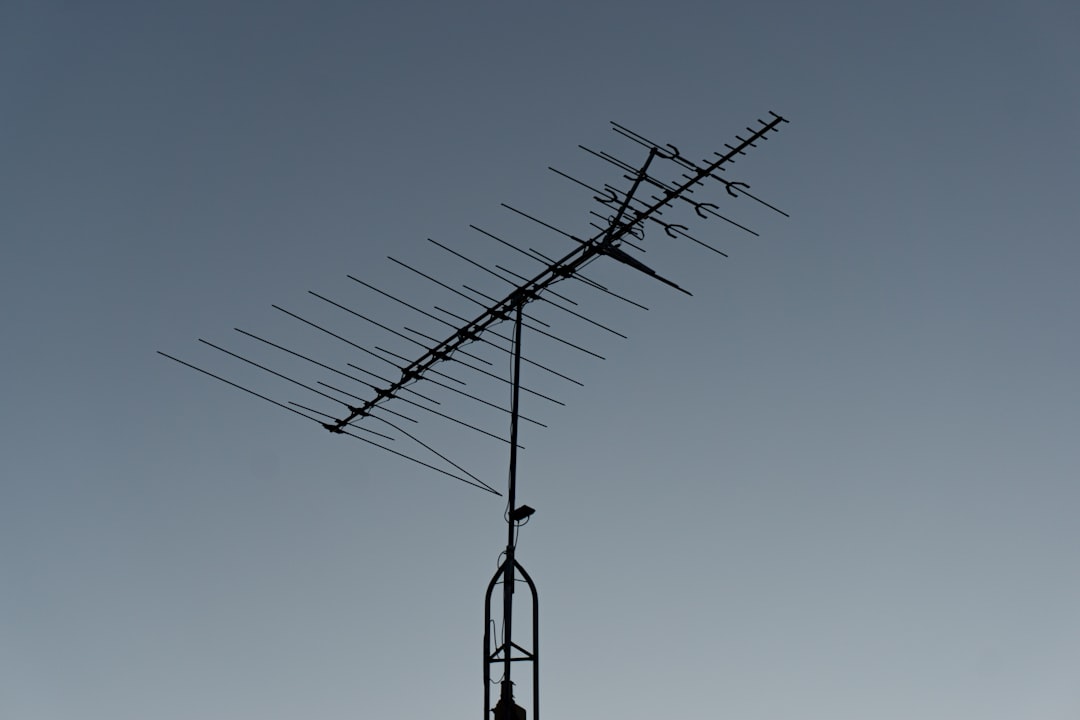
Radio communication plays a pivotal role in modern society, facilitating everything from emergency services to everyday communication. However, in arid regions, the effectiveness of radio propagation faces unique challenges. These areas, characterized by their dry climates, sparse vegetation, and extreme temperatures, present a complex environment for radio waves.
Understanding the intricacies of radio propagation in such settings is essential for ensuring reliable communication. The challenges posed by arid conditions can significantly affect signal strength, clarity, and overall reliability, making it crucial for engineers and communication specialists to develop strategies tailored to these environments. The significance of addressing these challenges cannot be overstated.
As populations grow and technology advances, the demand for robust communication systems in remote and arid areas increases. Whether for disaster response, military operations, or rural connectivity, the ability to maintain effective radio communication in these challenging environments is vital.
Key Takeaways
- Arid regions present unique challenges for radio propagation due to factors such as terrain, sand and dust storms, solar radiation, temperature extremes, and sparse vegetation.
- Understanding the impact of arid conditions on radio waves is crucial for effective communication in these regions, as it can affect signal strength, propagation, and interference.
- Terrain plays a significant role in radio propagation in arid regions, with features such as mountains and valleys affecting signal coverage and propagation paths.
- Sand and dust storms can disrupt radio communication in arid regions, requiring measures such as protective enclosures and regular maintenance to mitigate their impact.
- Solar radiation and temperature extremes in arid regions can affect radio signal performance, requiring careful consideration of equipment placement and design for optimal communication.
Understanding the Impact of Arid Conditions on Radio Waves
Arid conditions significantly influence the behavior of radio waves, primarily due to the lack of moisture in the atmosphere. In humid environments, water vapor can enhance signal propagation by refracting radio waves, allowing them to travel further and with greater clarity. Conversely, in arid regions, the absence of moisture leads to increased signal attenuation.
This phenomenon occurs because dry air does not support the same level of wave bending and reflection as moist air does. As a result, radio signals may experience greater losses over distance, leading to weaker reception and potential communication failures. Moreover, the frequency of the radio waves plays a crucial role in how they interact with arid conditions.
Higher frequency signals, such as those used in microwave communications, are particularly susceptible to attenuation in dry air. This sensitivity can limit their effective range and reliability in arid environments. On the other hand, lower frequency signals may penetrate obstacles more effectively but can also be affected by other factors such as terrain and interference from natural elements.
Understanding these dynamics is essential for engineers tasked with designing communication systems that can withstand the challenges posed by arid climates.
The Role of Terrain in Radio Propagation in Arid Regions

The terrain in arid regions presents another layer of complexity for radio propagation. These landscapes often feature rugged mountains, deep valleys, and expansive plains, all of which can obstruct or reflect radio waves. In mountainous areas, for instance, signals may struggle to reach their intended destination due to physical barriers that block direct line-of-sight communication.
This obstruction can lead to dead zones where signals are weak or nonexistent, complicating efforts to establish reliable communication networks. Additionally, the reflective properties of various terrains can cause multipath propagation, where signals bounce off surfaces before reaching their destination. In arid regions with rocky outcrops or uneven ground, this effect can lead to signal distortion and interference.
Engineers must carefully consider the topography when designing radio systems for these areas, often employing techniques such as site surveys and computer modeling to predict how terrain will impact signal propagation. By understanding the interplay between terrain and radio waves, communication specialists can devise strategies to enhance signal strength and reliability.
Dealing with Sand and Dust Storms in Radio Communication
| Challenges | Solutions |
|---|---|
| Interference with radio signals | Use of frequency hopping spread spectrum (FHSS) technology |
| Equipment damage due to sand and dust | Regular maintenance and protective covers |
| Reduced visibility for operators | Use of advanced communication systems with visual aids |
Sand and dust storms are common occurrences in arid regions and pose significant challenges for radio communication. These storms can create a dense cloud of particulate matter that interferes with radio signals, leading to increased attenuation and potential loss of communication altogether. The fine particles suspended in the air scatter radio waves, causing them to lose strength as they travel through the storm-affected atmosphere.
This scattering effect can result in degraded audio quality or complete signal loss during critical moments. To mitigate the impact of sand and dust storms on radio communication, engineers have developed several strategies. One approach involves using frequency diversity, where multiple frequencies are employed simultaneously to ensure that at least one signal remains clear despite atmospheric interference.
Additionally, adaptive modulation techniques can be utilized to adjust the transmission parameters based on real-time conditions, optimizing signal quality even during adverse weather events. By anticipating the challenges posed by sand and dust storms, communication systems can be designed to maintain functionality and reliability under such conditions.
Solar Radiation and its Effects on Radio Propagation in Arid Regions
Solar radiation is another critical factor influencing radio propagation in arid regions. The intense sunlight characteristic of these environments can lead to increased thermal noise in electronic components, which may degrade signal quality. Furthermore, solar radiation can cause ionization in the upper atmosphere during peak sunlight hours, affecting high-frequency radio wave propagation.
This ionization can lead to phenomena such as sporadic E-layer propagation, where signals are unexpectedly reflected back to Earth or absorbed entirely. To counteract the effects of solar radiation on radio signals, engineers often employ shielding techniques for sensitive equipment and utilize frequency bands less affected by solar interference. Additionally, scheduling transmissions during times when solar activity is lower can help improve signal clarity and reliability.
By understanding the relationship between solar radiation and radio wave behavior, communication specialists can implement strategies that enhance performance in arid environments.
Addressing Temperature Extremes and their Impact on Radio Signals

Temperature extremes are a hallmark of arid regions and can have profound effects on radio signal propagation. High temperatures can lead to increased thermal noise within transmission equipment, resulting in diminished signal quality. Conversely, during cooler nights, temperature inversions may occur, causing radio waves to bend back toward the ground rather than traveling outward.
This phenomenon can create unexpected coverage patterns and lead to difficulties in maintaining consistent communication. To address these temperature-related challenges, engineers often design equipment with temperature resilience in mind. This includes using materials that can withstand extreme heat without degrading performance and implementing cooling systems for critical components.
Additionally, understanding local temperature patterns allows for better planning of transmission schedules and equipment maintenance routines.
Overcoming the Challenges of Sparse Vegetation in Arid Regions
Sparse vegetation is a defining characteristic of many arid landscapes and presents both challenges and opportunities for radio propagation. While the lack of dense foliage means fewer obstructions for radio waves compared to more verdant areas, it also means that there are fewer natural structures to aid in signal reflection or diffusion. This can lead to a reliance on line-of-sight communication methods that may not always be feasible due to terrain variations.
To overcome these challenges posed by sparse vegetation, engineers often focus on optimizing antenna placement and design. Elevated antennas can help extend coverage by providing a clearer line of sight over long distances. Additionally, utilizing directional antennas can enhance signal strength by focusing energy toward specific areas rather than broadcasting uniformly in all directions.
By strategically addressing the limitations imposed by sparse vegetation, communication systems can achieve improved performance even in challenging environments.
The Importance of Antenna Placement and Design in Arid Environments
Antenna placement and design are critical components of effective radio communication in arid regions. Given the unique challenges posed by terrain and environmental conditions, careful consideration must be given to how antennas are positioned and constructed. Elevation is particularly important; placing antennas on high ground or using towers can significantly enhance coverage by minimizing obstructions from natural features.
Moreover, antenna design must account for the specific frequencies being used as well as the expected environmental conditions. For instance, antennas designed for high-frequency signals may need specialized coatings or materials to withstand harsh sunlight and temperature fluctuations common in arid climates. Additionally, incorporating features such as polarization diversity can help improve signal reception by reducing interference from multipath propagation effects caused by uneven terrain.
Utilizing Technology to Improve Radio Propagation in Arid Regions
Advancements in technology have opened new avenues for improving radio propagation in arid regions. Digital signal processing techniques allow for more efficient use of available bandwidth while enhancing signal clarity even under challenging conditions. Moreover, software-defined radios (SDRs) provide flexibility by enabling operators to adjust transmission parameters dynamically based on real-time environmental feedback.
Furthermore, satellite communications have become increasingly viable for overcoming geographical limitations inherent in arid landscapes. By leveraging satellite technology, communication networks can extend their reach beyond traditional terrestrial limitations, providing reliable connectivity even in remote areas where conventional infrastructure may be lacking. The integration of these technologies into existing systems represents a significant step forward in addressing the unique challenges posed by arid environments.
Case Studies of Successful Radio Communication in Arid Environments
Several case studies illustrate successful implementations of radio communication systems in arid regions despite inherent challenges. One notable example is the deployment of emergency communication networks during natural disasters such as wildfires or floods in desert areas. In these instances, engineers utilized a combination of satellite communications and portable repeaters strategically placed on elevated terrain to ensure uninterrupted connectivity for first responders.
Another case study involves agricultural applications where farmers in arid regions have successfully implemented wireless sensor networks for monitoring soil moisture levels and crop health. By utilizing low-power wide-area network (LPWAN) technologies combined with strategically placed antennas on elevated structures, these farmers have been able to maintain reliable data transmission even amidst challenging environmental conditions.
Strategies for Effective Radio Communication in Arid Regions
In conclusion, effective radio communication in arid regions requires a multifaceted approach that addresses the unique challenges posed by environmental conditions and terrain characteristics. By understanding how factors such as humidity levels, temperature extremes, solar radiation exposure, and sparse vegetation impact signal propagation, engineers can develop tailored strategies that enhance reliability. Key strategies include optimizing antenna placement and design while leveraging advancements in technology such as digital signal processing and satellite communications.
Additionally, proactive measures against natural phenomena like sandstorms must be integrated into system designs to ensure uninterrupted service during adverse weather events. As demand for reliable communication continues to grow globally—especially in remote or underserved areas—addressing these challenges will remain paramount for engineers and communication specialists alike. Through innovation and strategic planning, it is possible to overcome the obstacles presented by arid environments and establish robust communication networks that serve communities effectively.
Radio propagation in arid environments presents unique challenges due to factors such as low humidity, high temperatures, and minimal vegetation, which can affect signal strength and reliability. An interesting article that delves into the intricacies of radio wave behavior in such conditions can be found on Freaky Science. This article explores how these environmental factors influence radio wave transmission and offers insights into potential solutions for improving communication in desert regions. For more detailed information, you can read the full article by visiting