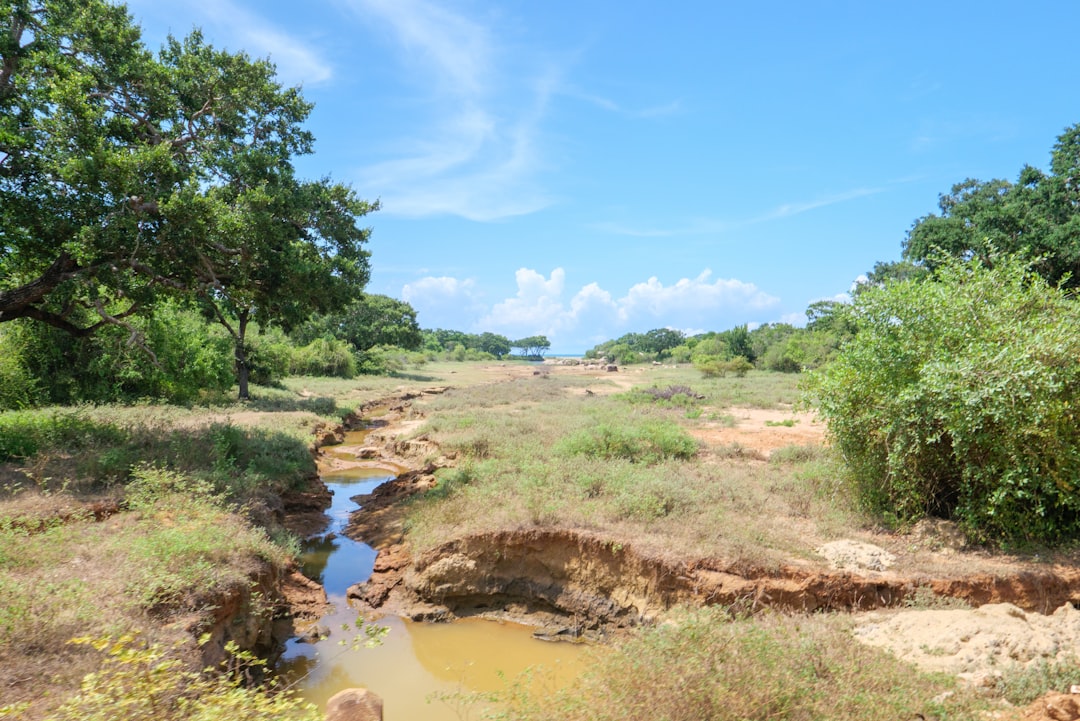
Heritage zones are areas recognized for their cultural, historical, and ecological significance. These zones often encompass landscapes that have been shaped by human activity over centuries, reflecting a unique blend of natural and cultural heritage. They serve as vital repositories of biodiversity, housing numerous species of flora and fauna that are often endemic to these regions.
The concept of biological conservation within these heritage zones is crucial, as it aims to protect not only the natural ecosystems but also the cultural narratives intertwined with them. By safeguarding these areas, societies can ensure the preservation of both their natural heritage and the cultural identities that have evolved alongside it. Biological conservation in heritage zones is not merely an environmental concern; it is a multifaceted issue that intersects with social, economic, and political dimensions.
The preservation of these areas is essential for maintaining ecological balance, supporting local economies through sustainable tourism, and fostering community pride in cultural heritage. As the world faces unprecedented environmental challenges, the importance of heritage zones as bastions of biodiversity becomes increasingly apparent. They offer a unique opportunity to study and understand the intricate relationships between humans and nature, providing insights that can inform broader conservation efforts.
Key Takeaways
- Heritage zones are critical areas designated for preserving biological diversity and cultural significance.
- Preserving heritage zones helps protect endangered species and maintain ecological balance.
- Indigenous communities play a vital role in conservation through traditional knowledge and sustainable practices.
- Collaborative efforts, including government policies and community involvement, enhance conservation success.
- Ongoing challenges require adaptive strategies and future-focused approaches to ensure long-term biodiversity preservation.
Importance of Preserving Heritage Zones for Biological Conservation
The preservation of heritage zones is paramount for biological conservation due to their rich biodiversity and unique ecosystems. These areas often serve as critical habitats for endangered species, acting as refuges where flora and fauna can thrive without the pressures of urbanization and industrialization. By maintaining these zones, societies can protect genetic diversity, which is essential for the resilience of ecosystems in the face of climate change and other environmental stressors.
The loss of biodiversity can lead to ecosystem collapse, making the conservation of these areas not just an ecological imperative but a necessity for human survival. Moreover, heritage zones often play a significant role in local economies through sustainable practices such as eco-tourism and traditional agriculture. By preserving these areas, communities can benefit economically while simultaneously protecting their natural resources.
This dual benefit underscores the importance of integrating conservation efforts with economic development strategies. When communities recognize the value of their heritage zones, they are more likely to engage in conservation efforts, fostering a sense of stewardship that is vital for long-term sustainability.
Threats to Biological Diversity in Heritage Zones

Despite their importance, heritage zones face numerous threats that jeopardize their biological diversity. One of the most pressing issues is habitat destruction, often driven by urban expansion, agriculture, and infrastructure development. As human populations grow and demand for land increases, many heritage zones are encroached upon or completely transformed, leading to the fragmentation of ecosystems.
This fragmentation can isolate species populations, making it difficult for them to reproduce and thrive, ultimately leading to declines in biodiversity. In addition to habitat destruction, climate change poses a significant threat to biological diversity in heritage zones. Altered weather patterns, rising temperatures, and increased frequency of extreme weather events can disrupt the delicate balance of ecosystems.
Species that have adapted to specific environmental conditions may struggle to survive as their habitats change or disappear altogether. Furthermore, invasive species introduced through human activity can outcompete native species for resources, further exacerbating the decline in biodiversity within these critical areas.
Strategies for Preserving Biological Diversity in Heritage Zones
To effectively preserve biological diversity in heritage zones, a multifaceted approach is necessary. One key strategy involves implementing protected area management plans that prioritize conservation while allowing for sustainable use of resources. These plans should be developed collaboratively with local communities to ensure that their needs and knowledge are integrated into conservation efforts.
By involving local stakeholders, conservation initiatives can be more effective and culturally relevant, fostering a sense of ownership and responsibility among community members. Another important strategy is the promotion of sustainable land-use practices that minimize environmental impact while supporting local economies. This can include agroecological practices that enhance soil health and biodiversity while providing food security for local populations.
Additionally, education and awareness campaigns can play a crucial role in promoting conservation values among residents and visitors alike. By fostering a deeper understanding of the ecological significance of heritage zones, communities can be empowered to take action in protecting their natural resources.
Role of Indigenous Communities in Biological Conservation Efforts
| Heritage Zone | Location | Area (sq km) | Number of Endemic Species | Conservation Status | Year Established | Primary Biological Features |
|---|---|---|---|---|---|---|
| Great Barrier Reef | Australia | 344,400 | 1,625 | Vulnerable | 1981 | Coral reefs, marine biodiversity |
| Galápagos Islands | Ecuador | 8,010 | 560 | Endangered | 1978 | Unique endemic species, volcanic islands |
| Sundarbans | India/Bangladesh | 10,000 | 426 | Endangered | 1987 | Mangrove forests, Bengal tiger habitat |
| Serengeti National Park | Tanzania | 14,750 | 300 | Stable | 1981 | Savannah ecosystem, large mammal migrations |
| Yellowstone National Park | USA | 8,983 | 67 | Stable | 1978 | Geothermal features, diverse wildlife |
Indigenous communities have long been stewards of their ancestral lands, possessing invaluable knowledge about local ecosystems and sustainable practices. Their deep-rooted connection to the land often translates into a profound commitment to preserving biodiversity within heritage zones. Indigenous practices, which are often based on centuries of observation and experience, can offer innovative solutions to contemporary conservation challenges.
By recognizing and integrating indigenous knowledge into conservation strategies, policymakers can enhance the effectiveness of biological conservation efforts. Furthermore, empowering indigenous communities in decision-making processes related to land management is essential for successful conservation outcomes. When indigenous peoples are involved in the governance of heritage zones, they can advocate for their rights while ensuring that traditional ecological knowledge is respected and utilized.
This collaborative approach not only strengthens conservation efforts but also promotes social justice by acknowledging the rights and contributions of indigenous populations.
Implementing Sustainable Practices in Heritage Zones
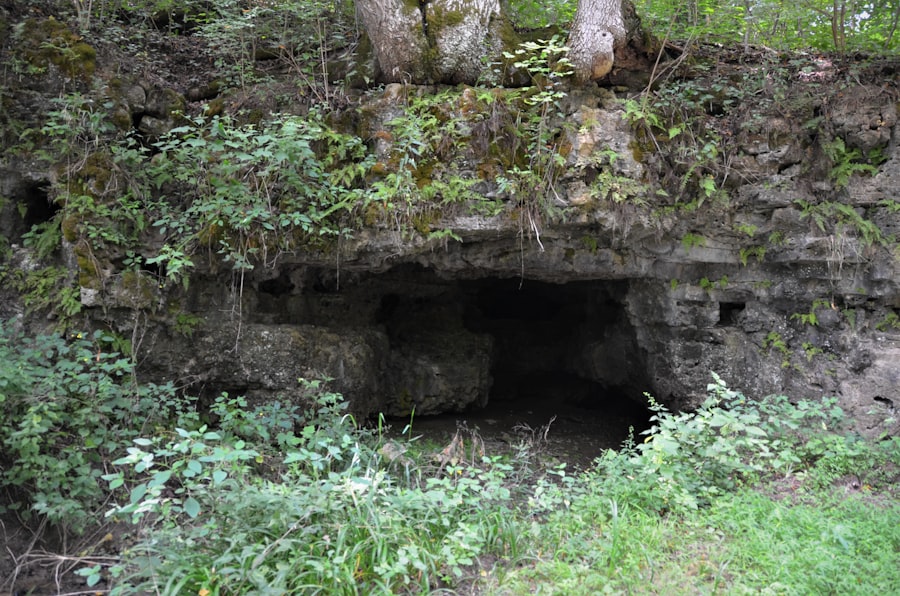
Implementing sustainable practices within heritage zones is crucial for balancing ecological integrity with economic development. Sustainable tourism is one avenue through which heritage zones can generate revenue while promoting conservation. By attracting visitors who are interested in experiencing the natural beauty and cultural richness of these areas, communities can create economic opportunities that do not compromise their environmental resources.
This approach encourages responsible tourism practices that prioritize conservation and respect for local cultures. In addition to tourism, sustainable agricultural practices can play a significant role in preserving biological diversity within heritage zones. Techniques such as organic farming, permaculture, and agroforestry not only enhance soil health but also promote biodiversity by creating habitats for various species.
By supporting local farmers in adopting these practices, communities can ensure food security while protecting their natural resources. Education and training programs can facilitate this transition, equipping farmers with the knowledge and skills needed to implement sustainable practices effectively.
Success Stories of Biological Conservation in Heritage Zones
There are numerous success stories that highlight the potential for effective biological conservation within heritage zones. One notable example is the restoration efforts in the Galápagos Islands, where a combination of strict regulations and community engagement has led to significant improvements in biodiversity. Through targeted conservation initiatives, such as eradicating invasive species and protecting critical habitats, local authorities have successfully increased populations of endangered species like the Galápagos tortoise.
Another inspiring case is found in the forests of Madagascar, where local communities have come together to establish community-managed protected areas. By integrating traditional knowledge with modern conservation techniques, these communities have successfully restored degraded landscapes while preserving unique species found nowhere else on Earth. These success stories demonstrate that with commitment and collaboration, it is possible to achieve meaningful outcomes in biological conservation within heritage zones.
Challenges Faced in Preserving Biological Diversity in Heritage Zones
Despite the successes achieved in some heritage zones, numerous challenges persist in the quest to preserve biological diversity. One significant hurdle is securing adequate funding for conservation initiatives. Many heritage zones operate on limited budgets, making it difficult to implement comprehensive management plans or conduct necessary research on biodiversity.
Without sufficient financial resources, conservation efforts may be hampered or even abandoned altogether. Additionally, political instability and conflicting interests can pose significant challenges to conservation efforts in heritage zones. In some regions, competing demands for land use—such as agriculture versus conservation—can lead to tensions between stakeholders.
Navigating these complex dynamics requires effective communication and negotiation skills among all parties involved. Building consensus around shared goals is essential for overcoming these challenges and ensuring that biological diversity is prioritized within heritage zones.
Collaborative Efforts for Biological Conservation in Heritage Zones
Collaboration among various stakeholders is vital for successful biological conservation in heritage zones. Partnerships between government agencies, non-governmental organizations (NGOs), local communities, and academic institutions can create a robust framework for addressing conservation challenges. By pooling resources and expertise, these collaborations can develop innovative solutions that benefit both people and nature.
One example of successful collaboration is the establishment of transboundary protected areas that span multiple countries or regions. These initiatives allow for coordinated conservation efforts across borders, addressing issues such as wildlife migration and habitat connectivity.
The Role of Government Policies in Preserving Heritage Zones for Biological Conservation
Government policies play a crucial role in shaping the landscape of biological conservation within heritage zones. Effective legislation can provide a framework for protecting these areas from development pressures while promoting sustainable practices. Policies that prioritize conservation funding and incentivize community engagement are essential for fostering a culture of stewardship among local populations.
Moreover, governments must ensure that policies are enforced consistently to prevent illegal activities such as poaching or deforestation within heritage zones. Strengthening law enforcement mechanisms and increasing penalties for violations can deter harmful practices that threaten biodiversity. Additionally, engaging communities in monitoring efforts can empower residents to take an active role in protecting their natural resources.
Future Prospects for Biological Conservation in Heritage Zones
The future prospects for biological conservation in heritage zones hinge on a commitment to innovative approaches that integrate ecological sustainability with cultural preservation. As awareness grows about the importance of biodiversity and its connection to human well-being, there is potential for increased support for conservation initiatives at all levels—local, national, and global. Emerging technologies also offer exciting possibilities for enhancing conservation efforts within heritage zones.
Tools such as remote sensing, geographic information systems (GIS), and citizen science platforms can provide valuable data for monitoring biodiversity trends and assessing the effectiveness of management strategies. By harnessing these technologies alongside traditional knowledge systems, stakeholders can develop more adaptive and responsive approaches to conservation. In conclusion, preserving biological diversity within heritage zones is an urgent priority that requires collaborative efforts across various sectors.
By recognizing the intrinsic value of these areas—both ecologically and culturally—societies can work towards sustainable solutions that benefit current and future generations alike. The path forward will undoubtedly be challenging; however, with commitment and innovation, there remains hope for safeguarding our planet’s rich biological heritage.
Heritage zones play a crucial role in the biological preservation of diverse ecosystems, serving as sanctuaries for endangered species and maintaining ecological balance. For a deeper understanding of the importance of these areas, you can read more in the article on biological preservation strategies found at freakyscience.
com/sample-page/’>this link. This resource provides valuable insights into how heritage zones contribute to the conservation of biodiversity and the sustainable management of natural resources.
FAQs
What are heritage zones in the context of biological preservation?
Heritage zones are designated areas recognized for their significant natural, cultural, or historical value. In biological preservation, these zones are protected to conserve biodiversity, ecosystems, and species that are important for ecological balance and heritage.
Why are heritage zones important for biological preservation?
Heritage zones help protect endangered species, maintain genetic diversity, and preserve natural habitats. They serve as refuges for wildlife and plants, support ecosystem services, and contribute to scientific research and environmental education.
How are heritage zones established?
Heritage zones are typically established through government legislation or international agreements. The process involves scientific assessment, stakeholder consultation, and legal designation to ensure the protection and management of the area.
What activities are allowed in heritage zones?
Allowed activities vary depending on the specific regulations of each heritage zone but generally include conservation efforts, scientific research, eco-tourism, and traditional practices that do not harm the environment. Activities that could damage the ecosystem, such as mining or deforestation, are usually restricted or prohibited.
Who manages heritage zones for biological preservation?
Management is often carried out by government agencies, environmental organizations, or local communities. Effective management includes monitoring biodiversity, enforcing regulations, and promoting sustainable use of natural resources.
Can heritage zones contribute to local communities?
Yes, heritage zones can provide economic benefits through eco-tourism and sustainable resource use. They also help preserve cultural heritage and traditional knowledge, fostering community pride and involvement in conservation efforts.
Are heritage zones recognized internationally?
Many heritage zones are recognized under international frameworks such as UNESCO World Heritage Sites or Ramsar Wetlands of International Importance, which help promote global cooperation in conservation and provide additional protection measures.
How do heritage zones help combat climate change?
By preserving forests, wetlands, and other natural habitats, heritage zones act as carbon sinks, reducing greenhouse gas concentrations. They also enhance ecosystem resilience, helping species adapt to changing climate conditions.