
When you think about food webs, your mind might immediately conjure images of predators and prey, plants and herbivores, all engaged in a complex dance of survival. However, lurking in the shadows of this intricate network are parasites, often overlooked yet profoundly influential players. Parasites are organisms that live on or in a host, deriving nutrients at the host’s expense.
Understanding their role in food webs is crucial for grasping the full picture of ecological interactions. Parasites can take many forms, including protozoa, worms, and even fungi.
Their presence can significantly alter the dynamics of food webs, affecting not only the health and behavior of their hosts but also the interactions among various species. By examining the multifaceted roles that parasites play, you can gain insights into the delicate balance of ecosystems and the intricate relationships that sustain life on Earth. This article will explore how parasites regulate host populations, drive evolution, influence biodiversity, and serve as indicators of ecosystem health, among other critical functions.
Key Takeaways
- Parasites play a crucial role in regulating host populations in food webs.
- Parasites drive evolution in food webs by exerting selective pressure on host species.
- Parasites can trigger trophic cascades by influencing the behavior and population dynamics of host species.
- Parasites serve as indicators of ecosystem health, reflecting the overall balance and stability of food webs.
- Understanding the influence of parasites on food webs is essential for conservation and management efforts in the face of human impact.
The Role of Parasites in Regulating Host Populations
One of the most significant roles that parasites play in food webs is their ability to regulate host populations. By inflicting disease or reducing reproductive success, parasites can keep host populations in check, preventing them from overwhelming their environment. This regulation is essential for maintaining balance within ecosystems.
For instance, when a parasite infects a population of rodents, it can lead to a decline in their numbers. This decline can subsequently benefit other species that rely on those rodents as a food source, illustrating how parasites can indirectly support biodiversity. Moreover, the presence of parasites can influence the behavior and life history strategies of their hosts.
Infected individuals may exhibit altered foraging behaviors or reduced activity levels, making them more susceptible to predation. This phenomenon creates a ripple effect throughout the food web, as predators may find it easier to catch weakened prey. In this way, parasites not only regulate host populations but also shape the interactions between different species within the ecosystem.
Parasites as Drivers of Evolution in Food Webs

Parasites are not just passive participants in food webs; they are active agents of evolutionary change. The constant pressure exerted by parasites on their hosts can lead to a variety of adaptive responses over time. For example, hosts may evolve stronger immune systems or develop behaviors that minimize their risk of infection.
This evolutionary arms race between hosts and parasites can drive speciation and contribute to the overall diversity of life. As you consider this dynamic, it’s important to recognize that parasites themselves are also subject to evolutionary pressures. They must adapt to overcome the defenses of their hosts, leading to a continuous cycle of adaptation and counter-adaptation.
This interplay can result in a rich tapestry of co-evolutionary relationships that shape entire ecosystems. By studying these interactions, you can gain a deeper understanding of how evolution operates within food webs and the role that parasites play in driving biodiversity.
Parasites and Trophic Cascades
| Parasites and Trophic Cascades | Metrics |
|---|---|
| Parasite diversity | Number of different parasite species present in a given ecosystem |
| Host-parasite interactions | Frequency and intensity of interactions between hosts and parasites |
| Trophic cascade strength | Impact of parasites on the trophic levels within an ecosystem |
| Parasite abundance | Population size of parasites within a specific host or ecosystem |
Trophic cascades are ecological phenomena where changes at one trophic level ripple through the food web, affecting multiple levels above and below. Parasites can be pivotal in initiating these cascades by influencing the population dynamics of their hosts. For instance, when a parasite reduces the population of a herbivore, it can lead to an increase in plant biomass due to decreased grazing pressure.
This change can have far-reaching effects on other species that depend on those plants for habitat or food. Additionally, parasites can alter predator-prey dynamics by affecting the behavior and health of their hosts. If a parasite weakens a prey species, it may become more vulnerable to predation, thereby impacting predator populations as well.
Conversely, if predators are affected by parasites, their ability to control prey populations may diminish, leading to overpopulation and subsequent ecosystem imbalances. Understanding these trophic cascades is essential for comprehending how parasites contribute to the stability and resilience of ecosystems.
Parasites as Indicators of Ecosystem Health
Parasites can serve as valuable indicators of ecosystem health and stability. The presence or absence of certain parasitic species can provide insights into environmental changes and stressors affecting an ecosystem. For example, an increase in parasitic infections among fish populations may signal declining water quality or habitat degradation.
Conversely, a diverse array of parasites within a healthy ecosystem often indicates robust host populations and balanced ecological interactions. Monitoring parasite populations can also help researchers assess the impacts of climate change on ecosystems. As temperatures rise and habitats shift, some parasites may thrive while others decline, leading to changes in host dynamics and overall biodiversity.
By studying these patterns, you can gain a clearer picture of how ecosystems respond to environmental changes and what measures might be necessary for conservation efforts.
Parasites and Keystone Species in Food Webs
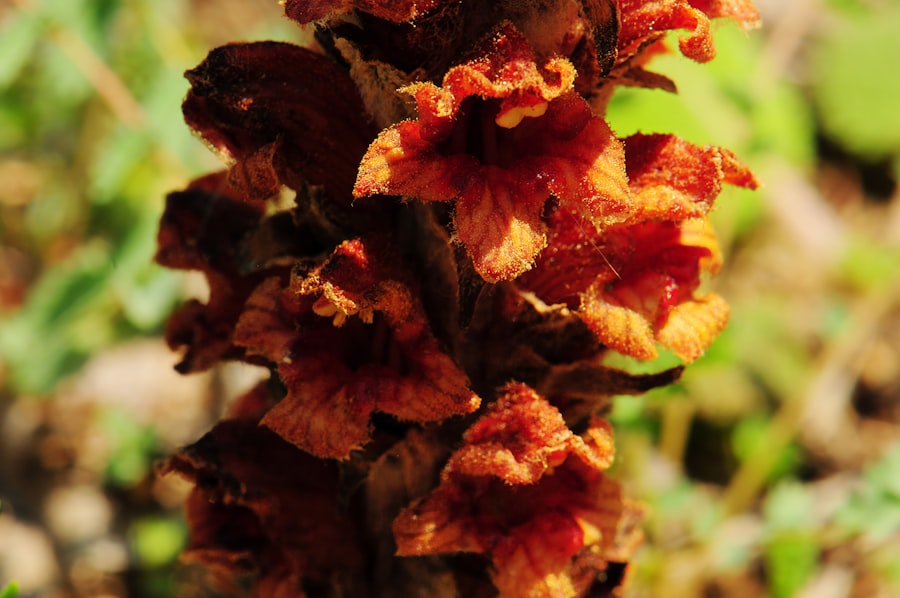
Keystone species are those that have a disproportionately large impact on their environment relative to their abundance. Parasites can sometimes fulfill this role by influencing the populations and behaviors of key species within an ecosystem. For instance, if a parasite targets a dominant herbivore species, it can alter plant community composition by allowing less competitive plant species to thrive.
This shift can have cascading effects on other organisms that depend on those plants for food or habitat. In some cases, parasites themselves may act as keystone species by maintaining diversity within host populations. By keeping certain species in check through infection or disease, parasites can prevent any one species from monopolizing resources and ensure that multiple species coexist within an ecosystem.
This dynamic highlights the importance of recognizing parasites as integral components of food webs rather than mere nuisances or threats.
Parasites and Energy Flow in Food Webs
Energy flow through food webs is a fundamental concept in ecology, describing how energy is transferred from one trophic level to another. Parasites play a unique role in this process by altering energy dynamics within ecosystems. When a parasite infects a host, it siphons off energy that would otherwise be available for growth and reproduction.
This energy loss can affect not only the infected individual but also the entire food web. For example, if a parasite reduces the growth rate of a fish population, less energy will be available for higher trophic levels that rely on those fish for sustenance. This reduction can lead to decreased predator populations and altered community structures.
By understanding how parasites influence energy flow within food webs, you can appreciate their role in shaping ecological dynamics and maintaining balance within ecosystems.
Parasites’ Influence on Biodiversity in Food Webs
Biodiversity is essential for ecosystem resilience and stability, and parasites play a complex role in shaping this diversity. While they may seem detrimental at first glance—causing disease and mortality among hosts—parasites also contribute to maintaining diversity by preventing any single species from dominating an ecosystem. This regulatory function allows for a greater variety of species to coexist and thrive.
Moreover, parasites can drive co-evolutionary processes that lead to increased biodiversity over time. As hosts evolve defenses against parasites, new niches may open up for other organisms to exploit. This dynamic interplay fosters a rich tapestry of life within ecosystems, highlighting the importance of recognizing parasites as vital contributors to biodiversity rather than mere threats to host populations.
Parasites and Human Impact on Food Webs
Human activities have profound effects on ecosystems and food webs, often disrupting the delicate balance maintained by natural processes—including those involving parasites. Habitat destruction, pollution, climate change, and overexploitation can all influence parasite-host dynamics and alter ecological relationships. For instance, agricultural practices that introduce chemicals into ecosystems may harm both hosts and their associated parasites, leading to unforeseen consequences for biodiversity.
Additionally, as humans encroach upon natural habitats, they may inadvertently facilitate the spread of certain parasites among wildlife populations or even between wildlife and humans. Understanding these interactions is crucial for developing effective conservation strategies and mitigating negative impacts on ecosystems. By recognizing the interconnectedness of human activities and parasitic relationships within food webs, you can contribute to more sustainable practices that promote ecological health.
The Future of Parasite Research in Understanding Food Webs
As our understanding of ecosystems continues to evolve, so too does the importance of studying parasites within food webs. Advances in technology and research methodologies are opening new avenues for exploring these complex relationships. For example, molecular techniques allow scientists to identify parasitic species with greater accuracy and understand their interactions with hosts at a genetic level.
Future research will likely focus on unraveling the intricate connections between parasites and other components of ecosystems—examining how changes in climate or land use affect parasitic dynamics and what implications these changes have for biodiversity and ecosystem health. By prioritizing parasite research within ecological studies, you can help illuminate their critical roles in food webs and contribute to more effective conservation efforts.
The Importance of Recognizing Parasites in Food Webs
In conclusion, recognizing the multifaceted roles that parasites play within food webs is essential for understanding ecological dynamics and promoting biodiversity conservation. From regulating host populations to driving evolutionary change and influencing energy flow, parasites are integral components of ecosystems that deserve attention and study. As you reflect on the complexities of food webs, consider how these often-overlooked organisms contribute to the intricate balance of life on Earth.
By acknowledging the significance of parasites in ecological interactions, you can foster a deeper appreciation for the interconnectedness of all living things—an understanding that is vital for addressing contemporary environmental challenges. Embracing this perspective will not only enhance your knowledge but also empower you to advocate for more sustainable practices that protect both hosts and their parasitic counterparts within our shared ecosystems.
Parasites play a crucial role in shaping food webs by influencing the interactions between species and altering energy flow within ecosystems. They can affect host behavior, population dynamics, and even the structure of entire communities. An interesting article that delves into this topic can be found on Freaky Science, which explores the complex relationships between parasites and their hosts, and how these interactions can ripple through food webs.