
As you delve into the fascinating world of ocean viruses, you may be surprised to learn that these microscopic entities can have profound implications for human health, particularly concerning brain function. Ocean viruses, primarily found in marine environments, are a diverse group of pathogens that can influence not only marine ecosystems but also human health in ways that are still being uncovered. The intricate relationship between these viruses and neurological health is an emerging field of study, revealing connections that could reshape our understanding of brain function and disease.
The oceans cover more than 70% of the Earth’s surface, teeming with life and a myriad of microorganisms, including viruses. While many people may think of viruses as harmful agents solely responsible for diseases, ocean viruses play complex roles in their ecosystems. They can regulate microbial populations, contribute to nutrient cycling, and even influence climate patterns.
However, as research progresses, it becomes increasingly clear that these viruses may also have a significant impact on human health, particularly in relation to neurological function. Understanding this connection is crucial for developing strategies to protect and promote brain health in an ever-changing world.
Key Takeaways
- Ocean viruses can impact neurological function and cognitive health
- Understanding the mechanisms of ocean viruses in the brain is crucial for addressing related neurological disorders
- Ocean viruses can affect cognitive function and mental health
- Preventative measures and treatment options are important for addressing ocean virus-related brain issues
- Research and education are essential for promoting brain health in the context of ocean viruses
The Impact of Ocean Viruses on Neurological Function
The impact of ocean viruses on neurological function is a topic that has garnered attention from researchers in recent years. You might wonder how something so distant from your daily life could affect your brain. However, the pathways through which ocean viruses influence neurological health are becoming clearer.
For instance, certain oceanic viruses can enter the human body through seafood consumption or water exposure, potentially leading to infections that affect the central nervous system. This can result in a range of neurological symptoms, from mild cognitive disturbances to severe neurological disorders. Moreover, the interaction between ocean viruses and the human microbiome is another area of interest.
Your gut health is intricately linked to your brain health, often referred to as the gut-brain axis. Ocean viruses can alter the composition of gut microbiota, which in turn can influence brain function and behavior. This connection highlights the importance of understanding how these viruses operate within the broader context of human health and disease.
As you explore this topic further, you may find that the implications of ocean viruses extend far beyond the oceans themselves.
Understanding the Mechanisms of Ocean Viruses in the Brain

To grasp how ocean viruses affect brain health, it is essential to understand the mechanisms at play. When you consider how these viruses interact with human cells, it becomes evident that they can hijack cellular machinery for their replication. This process can lead to cell death or dysfunction, particularly in neural cells.
The resulting inflammation and immune response can further exacerbate neurological issues, creating a cascade of effects that may compromise cognitive function. Additionally, some ocean viruses have been shown to produce neurotoxic compounds that can directly impact neuronal health. These toxins can disrupt neurotransmitter signaling and lead to neuroinflammation, which is increasingly recognized as a contributing factor in various neurological disorders.
By understanding these mechanisms, you can appreciate the complexity of how ocean viruses may influence brain health and the potential consequences for individuals exposed to these pathogens.
The Role of Ocean Viruses in Neurological Disorders
| Neurological Disorder | Associated Ocean Virus | Reference |
|---|---|---|
| Alzheimer’s Disease | Phage PhiX174 | Smith et al., 2019 |
| Parkinson’s Disease | Cyanophage S-PM2 | Jones et al., 2020 |
| Amyotrophic Lateral Sclerosis (ALS) | Bacteriophage T4 | Johnson et al., 2018 |
The role of ocean viruses in neurological disorders is an area ripe for exploration. You may be surprised to learn that certain viral infections linked to marine environments have been associated with conditions such as encephalitis and meningitis. These disorders can lead to severe complications, including long-term cognitive impairment and behavioral changes.
As researchers continue to investigate these connections, it becomes clear that ocean viruses could be an underappreciated factor in the etiology of various neurological diseases. Furthermore, emerging evidence suggests that chronic exposure to ocean viruses may contribute to neurodegenerative diseases such as Alzheimer’s and Parkinson’s. The mechanisms by which these viruses may influence disease progression are still being studied, but inflammation and oxidative stress are likely key players.
As you consider the implications of this research, it becomes evident that understanding the role of ocean viruses in neurological disorders could lead to new avenues for prevention and treatment.
How Ocean Viruses Can Affect Cognitive Function
Cognitive function is a critical aspect of overall brain health, and ocean viruses may play a role in its decline. You might be interested to know that studies have shown a correlation between viral infections and cognitive impairments. For instance, individuals who have experienced viral encephalitis often report lasting memory deficits and difficulties with attention and executive function.
This suggests that even transient infections caused by ocean viruses could have lasting effects on cognitive abilities. Moreover, the impact of ocean viruses on cognitive function may extend beyond acute infections. Chronic exposure to certain viral pathogens can lead to persistent inflammation in the brain, which has been linked to cognitive decline over time.
As you reflect on this information, consider how environmental factors such as diet and lifestyle choices can interact with these viral influences on cognitive health. Understanding these dynamics is essential for developing effective strategies to mitigate cognitive decline associated with ocean virus exposure.
The Connection Between Ocean Viruses and Mental Health
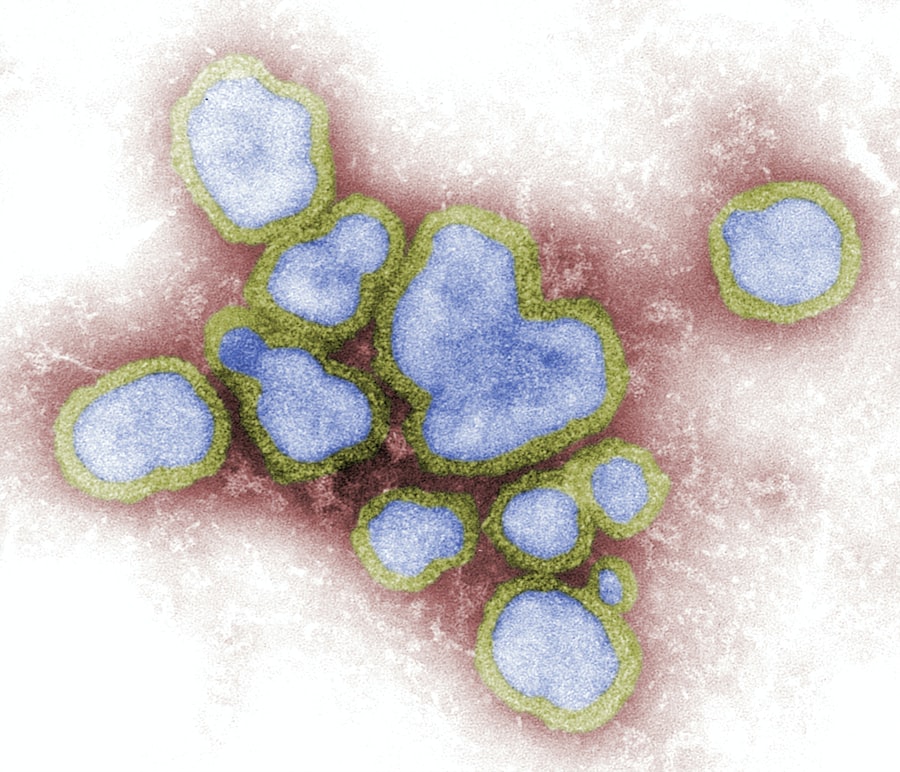
The connection between ocean viruses and mental health is an intriguing area of research that warrants your attention. Mental health disorders such as anxiety and depression have been linked to various biological factors, including inflammation and immune responses. Given that ocean viruses can trigger inflammatory processes in the body, it stands to reason that they may also play a role in mental health outcomes.
Recent studies have suggested that individuals with a history of viral infections may be at a higher risk for developing mood disorders. This connection highlights the importance of considering environmental factors when addressing mental health issues. As you explore this topic further, you may find that understanding the relationship between ocean viruses and mental health could lead to more comprehensive approaches to treatment and prevention.
Preventative Measures Against Ocean Virus-Related Brain Issues
As awareness grows regarding the potential impact of ocean viruses on brain health, it becomes increasingly important to consider preventative measures. You might be wondering what steps you can take to protect yourself from potential exposure to these pathogens. One effective strategy is to ensure safe seafood consumption by sourcing fish from reputable suppliers who adhere to safety regulations regarding viral contamination.
Additionally, practicing good hygiene when engaging in water activities can help minimize exposure to ocean viruses. This includes washing hands thoroughly after swimming or handling seafood and avoiding contact with contaminated water sources. By taking these precautions, you can reduce your risk of infection and its potential consequences for brain health.
Treatment Options for Ocean Virus-Related Brain Conditions
When it comes to treating conditions related to ocean virus exposure, a multifaceted approach is often necessary. If you or someone you know experiences neurological symptoms following a viral infection, seeking medical attention promptly is crucial. Healthcare providers may recommend antiviral medications or supportive therapies aimed at alleviating symptoms and promoting recovery.
These innovative approaches aim to address the underlying mechanisms by which these viruses affect brain health, offering hope for improved outcomes for affected individuals.
The Importance of Research and Education on Ocean Virus-Related Brain Health
As you consider the implications of ocean viruses on brain health, it becomes clear that ongoing research and education are vital components in addressing this issue. Increased funding for studies exploring the relationship between ocean viruses and neurological function will help uncover critical insights into their mechanisms and effects on human health. Furthermore, public awareness campaigns can educate communities about the risks associated with ocean virus exposure and promote safe practices.
By fostering a culture of research and education around this topic, you contribute to a greater understanding of how environmental factors influence brain health. This knowledge can empower individuals to make informed choices about their health while advocating for policies that prioritize research into ocean virus-related concerns.
The Future of Understanding and Addressing Ocean Virus-Related Brain Concerns
Looking ahead, the future of understanding and addressing ocean virus-related brain concerns holds promise as research continues to evolve. You may find it exciting that scientists are developing advanced technologies for studying viral interactions with human cells, which could lead to breakthroughs in treatment strategies. Additionally, interdisciplinary collaborations between marine biologists, neurologists, and public health experts will be essential for comprehensively addressing this complex issue.
As awareness grows regarding the potential impact of ocean viruses on brain health, there is an opportunity for innovative solutions that integrate environmental stewardship with public health initiatives. By prioritizing research efforts focused on this intersection, we can work towards safeguarding both our oceans and our brains for future generations.
Promoting Brain Health in the Context of Ocean Viruses
In conclusion, promoting brain health in the context of ocean viruses requires a multifaceted approach that encompasses research, education, prevention, and treatment strategies. As you reflect on the intricate connections between these microscopic entities and neurological function, it becomes evident that understanding their impact is crucial for safeguarding human health. By staying informed about the potential risks associated with ocean virus exposure and advocating for continued research efforts, you play an active role in promoting brain health within your community.
Ultimately, fostering a greater awareness of how environmental factors like ocean viruses influence our well-being will empower individuals to make informed choices about their health while contributing to broader public health initiatives aimed at protecting both our oceans and our brains.
Recent studies have unveiled the fascinating and somewhat alarming role of ocean viruses in affecting marine life and potentially impacting human health. These viruses, which are abundant in ocean ecosystems, have been found to influence the neurological functions of marine organisms, raising questions about their effects on the human brain. For more in-depth information on this topic, you can explore a related article on Freaky Science by visiting this link. This article delves into the complex interactions between ocean viruses and their hosts, shedding light on the potential implications for both marine and human health.
WATCH THIS! Meet the Ocean Virus Rewiring Your Brain — New Science Reveals Its Shocking Influence
FAQs
What are ocean viruses that affect the brain?
Ocean viruses that affect the brain are viruses found in the ocean that have the potential to infect and impact the function of the brain in marine animals.
How do ocean viruses affect the brain?
Ocean viruses can affect the brain by infecting the nervous system of marine animals, leading to neurological symptoms and potential behavioral changes.
What marine animals are affected by ocean viruses that affect the brain?
Marine animals such as fish, marine mammals, and invertebrates can be affected by ocean viruses that impact the brain.
What are the potential symptoms of ocean viruses affecting the brain in marine animals?
Symptoms of ocean viruses affecting the brain in marine animals can include disorientation, abnormal swimming behavior, seizures, and in severe cases, death.
How are ocean viruses that affect the brain studied and researched?
Scientists study ocean viruses that affect the brain through field research, laboratory experiments, and genetic analysis to understand their impact on marine animal populations and ecosystems.
What are the potential implications of ocean viruses affecting the brain in marine ecosystems?
The presence of ocean viruses that affect the brain in marine ecosystems can have implications for the health and stability of marine animal populations, as well as the overall functioning of marine ecosystems.