
You’ve likely heard about the importance of sleep for overall health, but have you considered how your sleep position might be impacting a crucial, yet often overlooked, internal cleaning process? This article delves into the science behind the glymphatic system, your brain’s waste removal network, and how adopting a lateral sleep position can significantly enhance its efficiency. Think of your brain as a bustling city. Throughout the day, countless metabolic processes generate waste products, akin to the garbage and sewage produced by its citizens. If this waste isn’t promptly and effectively removed, it can accumulate, leading to a variety of neurological problems. The glymphatic system acts as the city’s sanitation department, working diligently, especially during sleep, to clear out these cellular byproducts.
The glymphatic system, a term coined in 2012, describes the brain’s unique mechanism for clearing interstitial fluid and waste products. It’s essentially a plumbing system that relies on the flow of cerebrospinal fluid (CSF) through the brain.
The Anatomy of a Cleaning Operation
To understand how lateral sleep influences this process, you first need to grasp the basic mechanics of glymphatic drainage.
Cerebrospinal Fluid’s Role
Cerebrospinal fluid (CSF) is a clear, colorless fluid that surrounds the brain and spinal cord. It cushions these vital organs and plays a significant role in delivering nutrients and removing waste. During wakefulness, CSF flow is relatively limited. However, during sleep, this flow dramatically increases, facilitating the waste removal process.
Glymphatic Pathway Mechanics
The glymphatic system operates by utilizing the perivascular spaces – the channels that run alongside the arteries and veins within the brain. As CSF flows into the brain through these perivascular spaces, it interacts with the brain’s interstitial fluid, effectively flushing out metabolic waste, including amyloid-beta, a protein associated with Alzheimer’s disease. This “rinsing” process is most active during non-REM sleep.
The Importance of Waste Clearance
The accumulation of waste products in the brain is not merely an inconvenience; it’s a significant factor in the development of neurodegenerative diseases. Proteins like amyloid-beta and tau, when they build up, can form plaques and tangles that disrupt neuronal function and lead to cell death. A robust glymphatic system is your brain’s primary defense against this pathological cascade.
Recent studies have highlighted the importance of sleep position in enhancing glymphatic drainage, a process crucial for clearing waste from the brain. For those interested in exploring this topic further, an insightful article can be found at Freaky Science, which delves into the benefits of lateral sleep positions and their impact on overall brain health. This connection between sleep posture and glymphatic function underscores the significance of adopting optimal sleeping habits for cognitive well-being.
The Science of Sleep Position and Glymphatic Flow
The position in which you sleep has a demonstrable impact on how effectively your glymphatic system can perform its critical function. Research has highlighted a distinct advantage for side sleeping.
Gravity’s Influence on Drainage
When you lie down, gravity becomes a significant force influencing the movement of fluids within your body, including CSF. Your brain, like any organ, is subject to these gravitational forces.
Prone vs. Supine
Sleeping on your stomach (prone) or on your back (supine) can create challenges for effective CSF circulation and waste removal. In these positions, the gravitational pull might not support the optimal flow patterns required for efficient glymphatic drainage. Imagine pouring water down a drain that’s slightly angled upwards; the flow would be hindered.
The Side Sleeping Advantage
Conversely, sleeping on your side, particularly the right or left side, appears to align more favorably with the glymphatic system’s natural drainage pathways. This position allows gravity to assist in the downstream movement of CSF and waste products, facilitating a more efficient “flush.” Think of it as ensuring your city’s sanitation trucks have a clear, downhill path to the disposal trucks.
Research Findings: Evidence for Lateral Sleep
Numerous studies, primarily utilizing MRI imaging in both animal models and humans, have provided compelling evidence for the benefits of lateral sleep on glymphatic function.
Animal Studies Illuminate the Mechanism
Early research, conducted on rodents, was instrumental in identifying the glymphatic system and its functional dependence on sleep state and body posture. These studies demonstrated that in supine or prone positions, glymphatic transport was significantly less efficient compared to the lateral position.
Human Studies Confirm the Trend
Subsequent studies in humans have corroborated these findings. Researchers have observed increased brain-to-spinal cord CSF clearance in individuals sleeping in a lateral position compared to those sleeping supine. The pulsatile flow of CSF, which is crucial for waste removal, appears to be optimized in the side-sleeping posture.
Time of Night Matters
Furthermore, the efficiency of the glymphatic system is not constant throughout the sleep cycle. The deepest stages of sleep, particularly non-REM sleep, are when glymphatic activity is most pronounced. Therefore, optimizing your sleep position for the entirety of your sleep duration, especially during these crucial phases, is paramount.
Optimizing Your Sleep Environment for Maximum Glymphatic Flow

While adopting a lateral sleep position is a significant step, several other factors within your sleep environment can further enhance glymphatic drainage.
Mattress and Pillow Support
The tools you use to support your body during sleep play a crucial role in maintaining proper spinal alignment and reducing pressure points.
Pillow Height and Firmness
Your pillow should be designed to support the natural curvature of your neck when sleeping on your side. Too high or too firm a pillow can kink your neck, hindering circulation. Too low or too soft, and your head may drop, again compromising alignment. The goal is to keep your head and neck in a neutral, aligned position, as if you were standing upright.
Mattress Firmness
Similarly, your mattress should provide adequate support to keep your spine in a straight line. A mattress that is too soft can cause your body to sink unevenly, while one that is too hard can create pressure points and discomfort, leading to tossing and turning, which can disrupt deep sleep and glymphatic activity.
Avoiding Disturbances to Sleep Architecture
The quality of your sleep is as important as the quantity when it comes to glymphatic function. Disruptions to your natural sleep architecture can negatively impact waste removal.
Sleep Apnea and Snoring
Conditions like sleep apnea and severe snoring can lead to fragmented sleep and oxygen deprivation, both of which can impair glymphatic drainage. If you suspect you have a sleep disorder, seeking medical advice and treatment is crucial for optimizing your brain’s health.
Environmental Factors
Noise, light, and temperature can also influence sleep quality. A dark, quiet, and cool bedroom environment promotes more consolidated and restorative sleep, thus supporting robust glymphatic activity.
Practical Strategies for Adopting Lateral Sleep
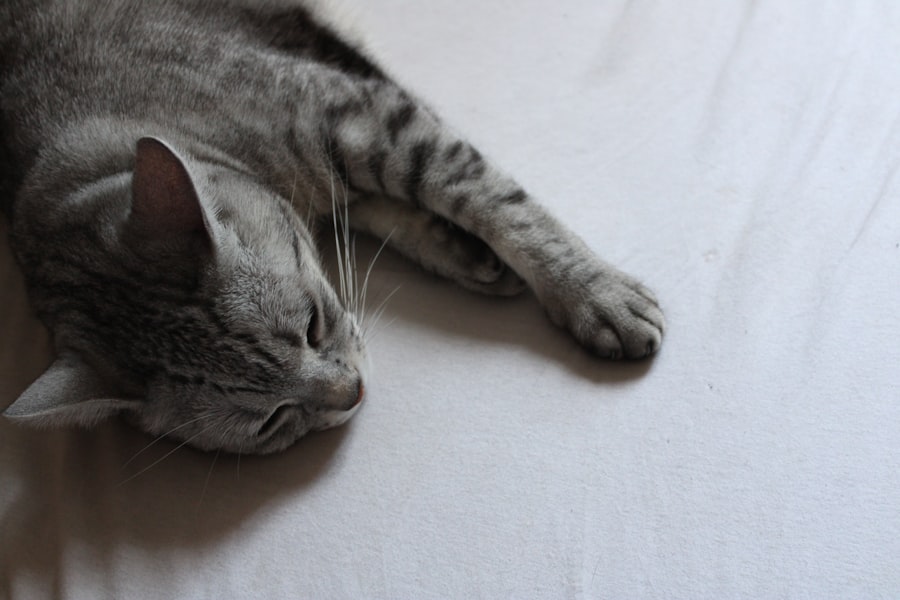
Transitioning to a new sleep position may require some adjustment and conscious effort. Here are some practical strategies to help you embrace lateral sleep.
Gradual Transition and Positive Reinforcement
Don’t expect to perfectly sleep on your side every night from the outset. A gradual approach is often more successful.
Body Pillow Support
A body pillow can be a game-changer for side sleepers. Placing it between your legs can help align your hips and spine, while hugging it can provide comfort and prevent you from rolling onto your back or stomach.
Positioning Aids
There are also specialized pillows and wedges designed to help maintain a side-sleeping position. Experiment with these to find what works best for you.
Behavioral Cues
You can train yourself to return to a side-sleeping position if you find yourself on your back. Some individuals find success with gentle reminders or even placing a pillow behind their back to encourage them to stay on their side.
Addressing Common Side-Sleeping Discomforts
You might encounter some initial discomfort as your body adapts to a new position.
Shoulder and Hip Pain
If you experience shoulder or hip pain, ensure your mattress and pillow are providing adequate cushioning and support. Experiment with different pillow thicknesses to alleviate pressure on these pressure points.
Numbness or Tingling
Numbness or tingling can sometimes occur if you are cutting off circulation to a limb. Adjust your position and ensure your arms and legs are not trapped in awkward angles.
Recent studies have highlighted the importance of sleep position in enhancing glymphatic drainage, particularly the benefits of lateral sleeping. This position may facilitate better cerebrospinal fluid flow, which is crucial for clearing waste from the brain during sleep. For a deeper understanding of this fascinating topic, you can explore a related article that discusses the mechanisms behind glymphatic function and sleep. To learn more, check out this insightful piece on Freaky Science.
The Long-Term Implications of Enhanced Glymphatic Drainage
| Metric | Value | Unit | Notes |
|---|---|---|---|
| Glymphatic Clearance Rate (Lateral Position) | 30-40 | % increase | Compared to supine and prone positions |
| Interstitial Fluid Flow Velocity | 15-20 | μm/s | Measured in lateral sleep position |
| Waste Metabolite Removal Efficiency | 1.3 | Fold increase | Lateral vs. supine position |
| Sleep Duration for Optimal Glymphatic Function | 7-9 | Hours | Recommended sleep duration |
| CSF Influx Rate | 25 | % increase | In lateral position compared to supine |
| Brain Waste Clearance Time | 20-30 | Minutes | Time to clear amyloid-beta during lateral sleep |
The benefits of optimizing your glymphatic system through strategic sleep practices extend far beyond just feeling refreshed.
Neuroprotection Against Neurodegenerative Diseases
As mentioned earlier, efficient glymphatic drainage is your brain’s primary defense against the accumulation of toxic proteins linked to Alzheimer’s, Parkinson’s, and other neurodegenerative conditions. By facilitating the clearance of amyloid-beta and tau, you are actively contributing to the long-term health and resilience of your brain. Think of it as preventative maintenance for your most vital organ.
Cognitive Function and Memory
Beyond disease prevention, a well-functioning glymphatic system is essential for optimal cognitive function. During sleep, the brain consolidates memories, clears out short-term memory debris, and prepares for the next day’s learning. Impaired glymphatic drainage can lead to a foggy mind, reduced focus, and difficulties with memory recall. Enhancing this process can lead to sharper thinking, improved learning capacity, and a more vibrant mental life.
Mood Regulation and Mental Well-being
Emerging research suggests a connection between glymphatic system function and mood regulation. The accumulation of waste products in the brain may contribute to inflammation and disrupt the delicate balance of neurotransmitters, potentially exacerbating symptoms of depression and anxiety. By supporting healthy glymphatic drainage, you are contributing to a more stable and resilient emotional state.
The Interplay with Other Healthy Habits
It’s important to remember that optimizing glymphatic drainage is not a standalone solution. It works in synergy with other healthy lifestyle choices.
Diet and Hydration
A balanced diet rich in antioxidants and adequate hydration are crucial for overall cellular health, including the cells involved in glymphatic function.
Exercise
Regular physical activity has been shown to improve glymphatic flow even during wakefulness. Combining exercise with optimized sleep is a powerful one-two punch for brain health.
Stress Management
Chronic stress can negatively impact sleep quality and overall bodily functions, including glymphatic drainage. Incorporating stress management techniques into your routine can further enhance the benefits of lateral sleep.
In conclusion, you have the power to significantly influence your brain’s internal cleaning processes simply by paying attention to how you sleep. The glymphatic system, your brain’s unsung hero, requires your cooperation. By making the conscious choice to adopt a lateral sleep position and creating an environment conducive to deep, restorative sleep, you are actively investing in the long-term health, clarity, and vitality of your mind. It’s a simple, yet profound, step you can take each night to ensure your brain remains a well-oiled, waste-free machine.
FAQs
What is the lateral sleep position?
The lateral sleep position refers to sleeping on one’s side, either the left or right side, rather than on the back or stomach.
What is glymphatic drainage?
Glymphatic drainage is a process by which the brain clears out waste products and toxins through a network of channels that use cerebrospinal fluid to flush out metabolic waste during sleep.
How does the lateral sleep position affect glymphatic drainage?
Research suggests that sleeping in the lateral position may enhance glymphatic drainage by improving the clearance of waste products from the brain compared to sleeping on the back or stomach.
Why is glymphatic drainage important for brain health?
Effective glymphatic drainage helps remove harmful proteins and toxins that accumulate in the brain, potentially reducing the risk of neurodegenerative diseases such as Alzheimer’s and improving overall brain function.
Are there any recommendations for sleep position to optimize glymphatic function?
While more research is needed, current evidence indicates that sleeping on the side, particularly the right or left lateral position, may be beneficial for optimizing glymphatic drainage and supporting brain health.