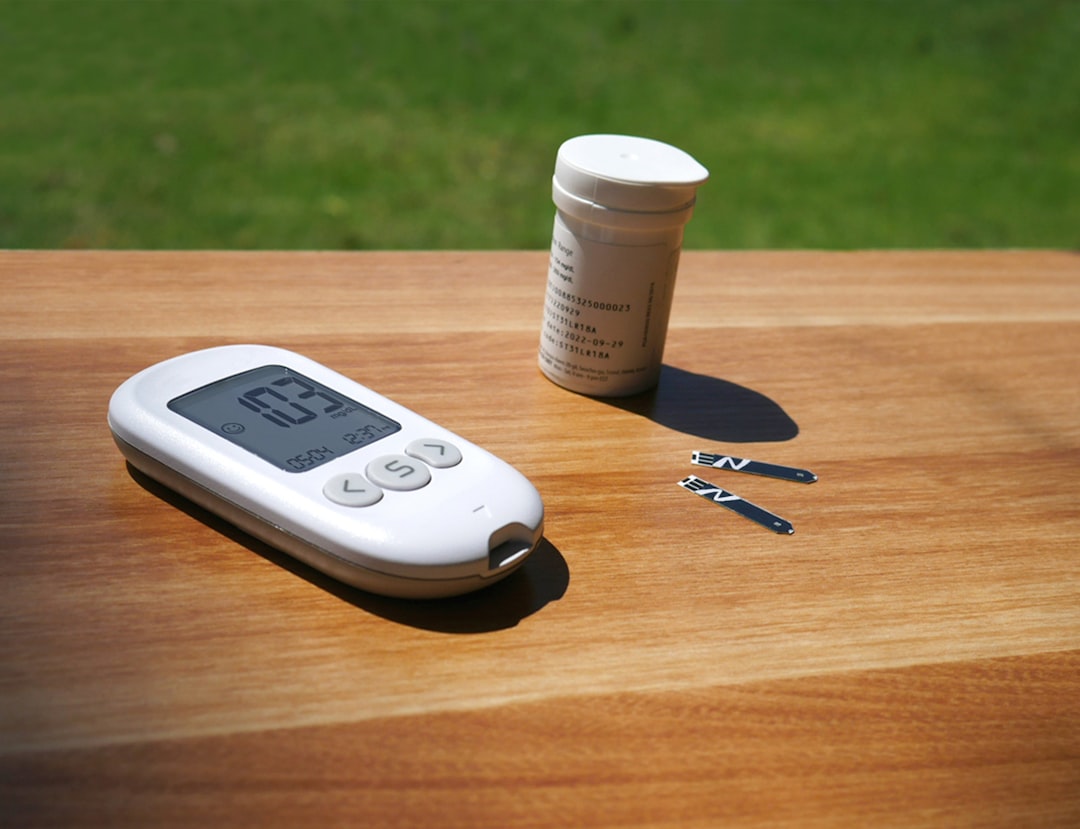
Managing your blood pressure is a crucial cornerstone for maintaining your cognitive wellness. Think of your brain as a highly sophisticated supercomputer. For this computer to run optimally, it requires a consistent, well-regulated flow of resources. Blood pressure, in essence, is the force that pumps these vital resources – oxygen and nutrients – to every corner of your brain. When this force is out of balance, either too high or too low, it can create subtle, and sometimes significant, disruptions to your cognitive functions. Maintaining healthy blood pressure is not just about preventing cardiovascular events; it is an active investment in the sharpness and resilience of your mind.
Your brain, though small in proportion to your body mass, is an energy hog. It demands approximately 20% of your body’s total oxygen and glucose. This constant demand is met by your circulatory system, with blood pressure acting as the engine.
The Definition of Blood Pressure
Blood pressure is the measurement of the force of blood pushing against the walls of your arteries as your heart pumps it around your body. It is expressed as two numbers: systolic pressure (the top number) and diastolic pressure (the bottom number). Systolic pressure measures the force in your arteries when your heart beats, while diastolic pressure measures the force in your arteries when your heart rests between beats.
How Elevated Blood Pressure Impacts the Brain
High blood pressure, also known as hypertension, is a silent thief of cognitive function. Over time, the relentless force of elevated pressure can damage the delicate blood vessels in your brain. This damage can manifest in several ways:
Microscopic Damage to Brain Vessels
Imagine a garden hose with constant, excessive pressure. Over time, the rubber can become brittle, develop tiny cracks, and eventually weaken. Similarly, high blood pressure can cause microscopic damage to the artery walls within your brain, leading to what is known as small vessel disease. This can impair blood flow and create areas of reduced oxygenation.
Increased Risk of Stroke
Hypertension is a primary risk factor for stroke. A stroke occurs when blood supply to a part of your brain is interrupted or reduced, depriving brain tissue of oxygen and nutrients. This can happen in two ways:
- Ischemic Stroke: A blood clot blocks an artery leading to the brain, or a blood vessel in the brain becomes narrowed or obstructed.
- Hemorrhagic Stroke: A blood vessel in the brain rupties, spilling blood into the surrounding tissue.
Both types of stroke can have devastating consequences for cognitive abilities, including memory, speech, and motor control.
Cognitive Decline and Dementia
The chronic stress of high blood pressure on your brain’s vasculature can contribute to a gradual decline in cognitive function. This slow erosion can lead to difficulties with thinking, reasoning, and memory. It is a significant risk factor for vascular dementia, a condition characterized by a decline in thinking skills caused by conditions that block or reduce blood flow to the brain.
The Impact of Low Blood Pressure on Cognitive Function
While hypertension is more commonly discussed in the context of cognitive decline, chronically low blood pressure (hypotension) can also impact cognitive wellness.
Insufficient Blood Flow to the Brain
When blood pressure is too low, your brain may not receive an adequate supply of oxygen and nutrients. This can lead to a feeling of lightheadedness or dizziness, and in more severe cases, it can affect your ability to concentrate and think clearly.
Orthostatic Hypotension
A specific type of low blood pressure, orthostatic hypotension, occurs when your blood pressure drops significantly upon standing up from a sitting or lying position. This can cause temporary confusion, blurred vision, and a feeling of unsteadiness, all of which can interfere with cognitive tasks.
Recent studies have highlighted the significant impact of blood pressure control on cognitive health, suggesting that maintaining optimal levels can reduce the risk of cognitive decline and dementia. For a deeper understanding of this connection and practical tips for managing blood pressure, you can read a related article on this topic at Freaky Science. This resource provides valuable insights into how lifestyle changes and medical interventions can support both cardiovascular and cognitive well-being.
Lifestyle Modifications for Blood Pressure Management
Fortunately, you have considerable power to influence your blood pressure through your daily choices. These lifestyle adjustments are not restrictive burdens but rather empowering strategies for a healthier brain and body.
Dietary Approaches to Lower Blood Pressure
What you eat is a building block for your entire physiological system, including your blood pressure. Certain dietary patterns can have a significant impact.
Sodium Reduction: The Salt of Your Worries
Excessive sodium intake is a well-established contributor to high blood pressure. Sodium causes your body to retain water, which increases the volume of blood in your circulatory system, thereby raising blood pressure. Reading food labels carefully and choosing low-sodium options are essential steps. Focus on whole, unprocessed foods, which naturally contain less sodium than their pre-packaged counterparts. Think of sodium as a tiny, overzealous crowd in your blood vessels, pushing everyone around. Reducing it calms the crowd.
Potassium-Rich Foods: The Balancing Act
Potassium works in opposition to sodium, helping to relax blood vessel walls and excrete excess sodium. Incorporating potassium-rich foods into your diet can therefore help to lower blood pressure. Excellent sources include:
- Bananas
- Sweet potatoes
- Spinach
- Beans
- Yogurt
The DASH Diet: A Blueprint for Healthy Eating
The Dietary Approaches to Stop Hypertension (DASH) diet is a scientifically proven eating plan designed to lower blood pressure. It emphasizes fruits, vegetables, whole grains, lean proteins, and low-fat dairy products, while limiting saturated and total fat, cholesterol, and red meat. Following the DASH diet is like following a well-charted map to cardiovascular and cognitive health.
Regular Physical Activity: The Power of Movement
Exercise is a potent tool for managing blood pressure. It strengthens your heart, improves blood flow, and helps to maintain a healthy weight.
Aerobic Exercise: Giving Your Heart a Workout
Aerobic activities, such as brisk walking, jogging, swimming, and cycling, are particularly beneficial. Aim for at least 150 minutes of moderate-intensity aerobic activity per week, or 75 minutes of vigorous-intensity activity. Think of aerobic exercise as a regular tune-up for your heart’s engine, ensuring it runs smoothly and efficiently.
Strength Training: Building a Resilient Physique
While aerobic exercise is paramount, incorporating strength training can also contribute to blood pressure management. Building muscle mass can improve your body’s sensitivity to insulin, which can indirectly benefit blood pressure.
Stress Management Techniques: Calming the Inner Storm
Chronic stress can elevate blood pressure by releasing hormones like cortisol and adrenaline. Finding effective ways to manage stress is crucial for both your mental and cardiovascular well-being.
Mindfulness and Meditation: Finding Your Still Point
Practices like mindfulness meditation can help to reduce stress and anxiety, leading to lower blood pressure. Dedicating even a few minutes each day to quiet contemplation can have a profound impact. It’s like finding a quiet clearing in a bustling city.
Yoga and Deep Breathing Exercises: Releasing Tension
Yoga combines physical postures with breathwork and meditation, offering a holistic approach to stress reduction. Deep breathing exercises, in particular, can activate the body’s relaxation response, counteracting the effects of stress.
Adequate Sleep: The Body’s Recharge Cycle
Sleep is not a luxury; it is a necessity for bodily repair and regulation, including blood pressure control.
The Importance of Quality Sleep
Aim for 7-9 hours of quality sleep per night. Poor sleep or sleep deprivation can disrupt hormone regulation and elevate blood pressure. Establishing a consistent sleep schedule and creating a relaxing bedtime routine can improve your sleep hygiene. Think of sleep as your body’s nightly system reboot.
Limiting Alcohol and Avoiding Smoking: Eliminating Detrimental Habits
Certain lifestyle choices can be significant hindrances to blood pressure management.
Moderation in Alcohol Consumption: A Measured Approach
Excessive alcohol intake can raise blood pressure. If you drink alcohol, do so in moderation. For women, this generally means up to one drink per day, and for men, up to two drinks per day.
Quitting Smoking: A Critical Step for Health
Smoking is a major risk factor for cardiovascular disease, including high blood pressure. Quitting smoking is one of the most impactful actions you can take to improve your overall health and cognitive function.
Medical Interventions for Blood Pressure Control
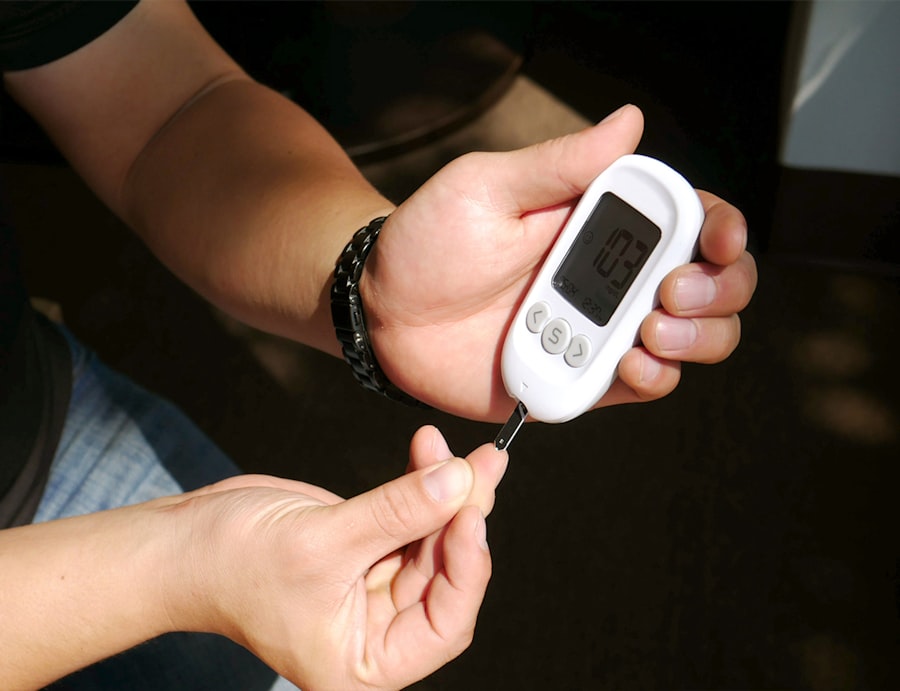
While lifestyle modifications are the foundation of blood pressure management, sometimes medical interventions are necessary to achieve and maintain healthy levels.
Regular Blood Pressure Monitoring: Your Dashboard for Health
It is essential to monitor your blood pressure regularly, whether at home or during doctor’s appointments. This allows you to track your numbers and identify any trends or concerning changes.
Home Blood Pressure Monitoring: Empowering Self-Awareness
Confirmatory home blood pressure monitoring can provide a more comprehensive picture of your blood pressure fluctuations throughout the day. Ensure you are using a validated device and following proper technique for accurate readings. This is like having a personal dashboard for your body’s engine.
Understanding Your Readings: Knowledge is Power
Familiarize yourself with what your blood pressure readings mean. Your doctor can help you interpret your numbers and understand your individual target blood pressure range.
When Medication Becomes Necessary: A Helping Hand
If lifestyle changes alone are insufficient to control your blood pressure, your doctor may prescribe medication.
Types of Blood Pressure Medications: A Pharmacological Arsenal
There are various classes of blood pressure medications, each working through different mechanisms to lower blood pressure. These may include:
- Diuretics: These medications help your body eliminate excess sodium and water, reducing blood volume.
- Beta-blockers: They slow your heart rate and reduce the force with which your heart pumps blood.
- ACE Inhibitors and ARBs: These medications relax blood vessels by blocking the production or action of certain hormones that cause blood vessels to constrict.
- Calcium Channel Blockers: They prevent calcium from entering the muscle cells of your heart and blood vessel walls, causing them to relax.
Your doctor will determine the most appropriate medication or combination of medications for your specific needs. It’s important to remember that these medications are tools to assist your body, not a complete replacement for healthy habits.
Adherence to Prescribed Regimens: The Key to Efficacy
Taking your medication as prescribed is paramount. Missing doses or stopping medication without consulting your doctor can be detrimental to your blood pressure control and, consequently, your cognitive health. If you experience any side effects, communicate them to your doctor promptly.
The Role of Healthcare Professionals: Your Guides on the Journey
Your healthcare team, including your physician and potentially a registered dietitian or a pharmacist, plays a vital role in guiding your blood pressure management.
Regular Check-ups and Screenings: Staying on Track
Consistent follow-up appointments allow your doctor to monitor your blood pressure, assess the effectiveness of your treatment plan, and make any necessary adjustments.
Personalized Treatment Plans: Tailoring the Approach
Your journey to managing blood pressure is unique. Your healthcare providers will work with you to develop a personalized plan that considers your individual health status, lifestyle, and preferences.
Cognitive Resilience Through Proactive Management

Maintaining healthy blood pressure is not merely about preventing disease; it is about cultivating a thriving cognitive future. Think of your brain as a garden. Consistent, optimal blood flow is like regular watering and nutrient-rich soil, allowing your mental faculties to flourish.
The Long-Term Benefits: A Sharper Mind for Years to Come
Prioritizing blood pressure management offers compelling long-term benefits for your cognitive wellness. By safeguarding your brain’s intricate network of blood vessels, you are actively working to:
- Preserve Memory: Healthy blood flow is essential for the formation and retrieval of memories.
- Enhance Focus and Concentration: Adequate oxygenation supports optimal brain function, allowing you to concentrate more effectively.
- Improve Problem-Solving Skills: A well-nourished brain is better equipped to handle complex cognitive tasks.
- Maintain Executive Functions: These are higher-level cognitive processes such as planning, decision-making, and impulse control, which are heavily reliant on a healthy brain.
Early Intervention: The Power of Proactive Steps
The earlier you begin to manage your blood pressure, the greater the impact you can have on your long-term cognitive health. Do not wait until you experience symptoms. Proactive management is the most effective strategy.
Staying Informed and Engaged: Your Active Role
Take an active role in your own health. Educate yourself about blood pressure, its impact on your brain, and the strategies available for its management. This knowledge empowers you to make informed decisions and to have productive conversations with your healthcare providers. You are the captain of your ship, and understanding your cargo – your cognitive abilities – is paramount for a safe and fulfilling voyage.
Recent studies have highlighted the significant connection between blood pressure control and cognitive health, emphasizing the importance of maintaining optimal levels to support brain function as we age. For further insights on this topic, you can explore a related article that delves into the impact of hypertension on cognitive decline and offers practical tips for managing blood pressure effectively. To read more about this crucial relationship, visit this article.
Future Directions and Ongoing Research
| Metric | Value/Range | Relevance to Cognitive Health | Source/Notes |
|---|---|---|---|
| Optimal Systolic Blood Pressure | 120 mm Hg or lower | Maintains cerebral perfusion and reduces risk of cognitive decline | American Heart Association guidelines |
| Optimal Diastolic Blood Pressure | 80 mm Hg or lower | Prevents small vessel damage in the brain | American Heart Association guidelines |
| Hypertension Prevalence in Adults 65+ | ~70% | High prevalence linked to increased risk of dementia | CDC data |
| Risk Reduction in Dementia with BP Control | Up to 30% | Effective blood pressure management lowers dementia risk | Clinical trials meta-analysis |
| Target BP for Cognitive Health in Elderly | Recommended to reduce cognitive impairment risk | SPRINT MIND study | |
| Impact of Midlife Hypertension | Increased risk by 40-60% | Midlife hypertension strongly predicts late-life cognitive decline | Longitudinal cohort studies |
| Effect of BP Variability | Higher variability linked to 20% increased risk | Fluctuating BP may damage brain vasculature | Observational studies |
The understanding of the intricate relationship between blood pressure and cognitive health is continuously evolving. Research is ongoing, shedding more light on the nuances of this connection and the most effective interventions.
The Gut-Brain Axis and Blood Pressure: An Emerging Link
Emerging research is exploring the complex interplay between the gut microbiome and blood pressure regulation. Disturbances in gut bacteria have been linked to various health conditions, including hypertension. Future strategies may involve targeting the gut microbiome to improve blood pressure control and, by extension, cognitive health.
Novel Pharmacological Approaches: Expanding the Treatment Spectrum
Scientists are continually developing new medications and refining existing ones to offer more targeted and effective blood pressure management. This includes research into therapies that not only lower blood pressure but also offer neuroprotective benefits.
The Interdependence of Physical and Mental Health: A Holistic View
The ongoing research reinforces the interconnectedness of physical and mental health. It highlights that interventions aimed at improving physical well-being, such as blood pressure control, have direct and profound consequences for cognitive function and overall brain health. This holistic perspective is crucial for developing comprehensive health strategies. Embracing this interconnectedness means understanding that tending to your cardiovascular system is, in essence, tending to the very foundation of your thinking mind.
FAQs
What is the relationship between blood pressure and cognitive health?
High blood pressure, or hypertension, can damage blood vessels in the brain, leading to reduced blood flow and increasing the risk of cognitive decline and dementia. Maintaining healthy blood pressure levels supports better brain function and reduces the risk of cognitive impairment.
At what blood pressure level should I be concerned about cognitive health?
Consistently having a blood pressure reading above 130/80 mm Hg is considered elevated and may increase the risk of cognitive problems over time. It is important to manage blood pressure within recommended guidelines to protect brain health.
How can controlling blood pressure improve cognitive function?
Controlling blood pressure helps prevent damage to the arteries and small blood vessels in the brain, reducing the risk of stroke and vascular dementia. Proper blood pressure management supports better memory, attention, and overall cognitive performance.
What lifestyle changes can help control blood pressure for cognitive health?
Adopting a healthy diet (such as the DASH diet), regular physical activity, maintaining a healthy weight, limiting alcohol intake, reducing sodium consumption, and managing stress are effective ways to control blood pressure and promote cognitive health.
Are medications necessary for blood pressure control to protect cognitive health?
In some cases, lifestyle changes alone may not be sufficient, and healthcare providers may prescribe antihypertensive medications to manage blood pressure. Proper medication adherence can help reduce the risk of cognitive decline associated with high blood pressure.