Maintaining Proteostasis: A Cornerstone for a Healthy Aging Brain
As the human brain embarks on its journey from youth to old age, a complex and vital process known as proteostasis plays a crucial role in its continued health and function. Proteostasis, derived from the Greek words “proteos” (protein) and “stasis” (standing still or balance), refers to the intricate cellular machinery responsible for synthesizing, folding, and degrading proteins within a cell. Think of a factory, where raw materials are transformed into functional products (proteins), assembled correctly, and then waste materials are efficiently removed. The brain, with its approximately 86 billion neurons and countless trillions of connections, is a remarkably busy factory, and the seamless operation of its proteostasis system is paramount to its long-term well-being. Disruptions in this delicate balance are increasingly implicated in age-related cognitive decline and neurodegenerative diseases.
Proteins are the workhorses of the cell, performing an astonishing array of tasks essential for life. In the context of the brain, these molecular machines are indispensable for everything from transmitting electrical signals between neurons to maintaining cellular structure and responding to the environment.
Neuronal Communication: The Brain’s Electrical Symphony
The ability of neurons to communicate with each other is the very essence of brain function. This communication relies heavily on proteins. Ion channels and pumps, embedded in the neuronal membrane, are protein structures that regulate the flow of charged ions, creating the electrical impulses that underpin thought, memory, and action. Neurotransmitter receptors, also proteins, bind to chemical messengers, translating extracellular signals into intracellular events that can excite or inhibit neuronal activity.
Structural Integrity: The Brain’s Architectural Framework
Beyond communication, proteins provide the structural scaffolding that holds neurons and their connections together. Cytoskeletal proteins, such as actin and microtubules, form internal frameworks that maintain cell shape, facilitate the transport of molecules within the neuron, and are crucial for the formation and remodeling of synapses – the junctions where neurons communicate.
Cellular Metabolism: The Brain’s Energy Engine
The brain is an energy-intensive organ, consuming a disproportionate amount of the body’s glucose and oxygen. Proteins are central to metabolic processes, acting as enzymes that catalyze biochemical reactions, ensuring the efficient production of energy molecules like ATP. These enzymes are essential for breaking down nutrients and generating the power needed to keep the brain’s complex operations running.
Signaling Pathways: The Brain’s Command and Control
Cells within the brain constantly receive and respond to signals from their environment and from other cells. Proteins act as signal transducers, relaying messages from cell surface receptors to internal cellular machinery. These intricate signaling pathways govern a vast range of cellular functions, including cell growth, differentiation, and survival, all of which are critical for a healthy brain.
Recent studies have highlighted the critical role of the proteostasis network in maintaining cellular health, particularly in the aging brain. As we age, the efficiency of this network declines, leading to the accumulation of misfolded proteins and contributing to neurodegenerative diseases. For a deeper understanding of how these processes intertwine with aging, you can explore this related article on the topic at Freaky Science.
The Proteostasis Network: A Multi-Layered Defense System
The maintenance of a functional proteome, the complete set of proteins expressed by a cell, is not a single event but a continuous, dynamic process involving a sophisticated network of cellular components. This proteostasis network acts as a vigilant guardian, ensuring that proteins are correctly made, folded, and managed throughout their lifespan.
Protein Synthesis: The Assembly Line of Life
The journey of a protein begins with its synthesis on ribosomes, guided by the genetic code in messenger RNA (mRNA). This intricate process must be highly accurate; even a single misplaced amino acid can alter a protein’s shape and function, potentially leading to cellular dysfunction.
Chaperone Proteins: The Folding Guides
Once synthesized, proteins don’t immediately adopt their functional three-dimensional structures. They often require assistance from molecular chaperones. These specialized proteins act like skilled guides on the assembly line, binding to nascent polypeptide chains and facilitating their correct folding. They can also help refold misfolded proteins, preventing them from accumulating and causing harm. Without chaperones, the cellular environment would be a chaotic jumble of improperly shaped proteins.
Protein Degradation: The Waste Disposal System
Even with the best folding assistance, some proteins inevitably become damaged, misfolded, or are simply no longer needed. The cell possesses robust mechanisms for degrading these unwanted proteins to prevent their toxic accumulation.
The Ubiquitin-Proteasome System (UPS): The Cellular Shredder
The primary pathway for degrading most short-lived and misfolded proteins is the ubiquitin-proteasome system. This complex pathway involves tagging proteins with a small molecule called ubiquitin. Ubiquitin acts as a “death sentence,” marking the protein for destruction by the proteasome, a large protein complex that acts like a cellular shredder, breaking down the tagged protein into small peptides. This continuous clearance is vital for removing potentially harmful aggregates.
Autophagy: The Self-Eating Mechanism
Autophagy, meaning “self-eating,” is another critical degradation pathway. It involves the cell engulfing damaged organelles and protein aggregates within specialized vesicles called autophagosomes. These autophagosomes then fuse with lysosomes, which contain powerful digestive enzymes that break down the enclosed material. Autophagy is particularly important for clearing larger protein aggregates and damaged cellular components, acting as a cellular recycling center and waste removal service.
Age-Related Decline in Proteostasis: The Slipping Gears of the Brain Factory

As organisms age, the efficiency of the proteostasis network often diminishes. This decline is not a sudden failure but a gradual wearing down of the system’s capacity. Imagine the factory’s machinery slowly becoming less efficient, with components taking longer to repair and waste disposal systems becoming overloaded.
Reduced Chaperone Activity: The Folding Guides Get Slower
With age, the expression and activity of some chaperone proteins can decrease. This means that newly synthesized proteins may have a higher chance of misfolding, and the cell’s ability to correct these errors is compromised. The assembly line falters, leading to an increase in rogue protein structures.
Impaired Protein Degradation: The Waste Disposal System Clogs
The efficiency of both the ubiquitin-proteasome system and autophagy also tends to decline with age. This can lead to a buildup of misfolded and damaged proteins, which can form toxic aggregates. The waste disposal system gets slower and less efficient, allowing more debris to accumulate within the factory.
Oxidative Stress and Protein Damage: The Rusting of the Machinery
Aging is often accompanied by an increase in oxidative stress, a condition where an excess of reactive oxygen species (ROS) damages cellular components, including proteins. These ROS can chemically modify proteins, leading to misfolding, loss of function, and aggregation. Think of it as rust accumulating on the factory’s machinery, hindering its smooth operation and eventually causing breakdowns.
Accumulation of Protein Aggregates: The Formation of Toxic Clumps
The combined effect of reduced protein folding quality control and impaired degradation pathways is the accumulation of misfolded and aggregated proteins. These aggregates can disrupt essential cellular processes, interfere with neuronal signaling, and ultimately contribute to neuronal dysfunction and death. In the brain factory analogy, these are like large, unusable piles of scrap material blocking the pathways and disrupting the workflow.
Consequences for the Aging Brain: Potholes on the Information Superhighway
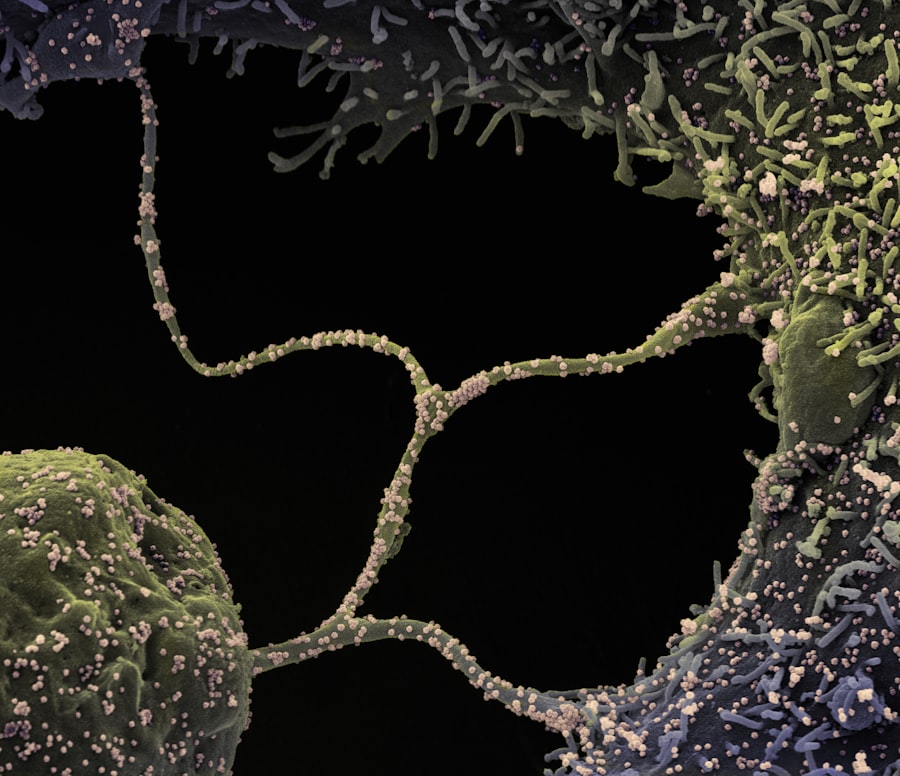
The decline in proteostasis has profound consequences for the aging brain. The “information superhighway” of neuronal connections becomes increasingly encumbered by these cellular dysfunctions, leading to a range of cognitive impairments.
Neurodegenerative Diseases: The Major Roadblocks
Many age-related neurodegenerative diseases, such as Alzheimer’s disease, Parkinson’s disease, and Huntington’s disease, are characterized by the abnormal accumulation of specific protein aggregates. In Alzheimer’s, amyloid-beta and tau proteins form plaques and tangles, respectively, disrupting neuronal function and leading to memory loss and cognitive decline. In Parkinson’s, alpha-synuclein misfolds and forms Lewy bodies, contributing to motor impairments. These diseases represent significant roadblocks on the brain’s information highway.
Cognitive Decline: Slowing Down and Forgetting
Even in the absence of overt neurodegenerative diseases, a general decline in cognitive function is a common aspect of aging. This can manifest as slower processing speed, reduced working memory, and difficulties with executive functions like planning and problem-solving. These changes are thought to be partly due to the subtle, age-related deficits in proteostasis that impair neuronal communication and plasticity. The highway might not be completely blocked, but there are more potholes and traffic jams.
Impaired Synaptic Plasticity: The Weakening of Connections
Synaptic plasticity, the ability of synapses to strengthen or weaken over time, is the cellular basis of learning and memory. Proteostasis is crucial for maintaining the integrity and function of the proteins involved in synaptic transmission and plasticity. When proteostasis falters, synaptic connections can become unstable and less efficient, further contributing to cognitive decline. The ability of the highway to adapt and reroute traffic is compromised.
Increased Vulnerability to Stress: The Fragile System
An aging brain with compromised proteostasis is also more vulnerable to other insults, such as inflammation, infection, or exposure to toxins. The cellular machinery is already operating at a reduced capacity, making it less resilient to additional challenges. A slightly overloaded system is less able to cope with unexpected disruptions.
Recent research has highlighted the intricate relationship between the proteostasis network and the aging brain, emphasizing how disruptions in protein homeostasis can contribute to neurodegenerative diseases. A fascinating article that delves deeper into this topic can be found at Freaky Science, where the mechanisms of proteostasis are explored in the context of age-related cognitive decline. Understanding these connections is crucial for developing potential therapeutic strategies aimed at preserving brain health as we age.
Strategies for Maintaining Brain Proteostasis: Fortifying the Factory
| Metric | Description | Relevance to Aging Brain | Typical Change with Age |
|---|---|---|---|
| Chaperone Protein Levels | Concentration of molecular chaperones like Hsp70 and Hsp90 | Assist in proper protein folding and prevent aggregation | Decrease, leading to impaired protein folding |
| Ubiquitin-Proteasome System (UPS) Activity | Rate of degradation of misfolded or damaged proteins via proteasome | Removes damaged proteins to maintain cellular homeostasis | Declines, causing accumulation of damaged proteins |
| Autophagy Flux | Efficiency of autophagic degradation pathways | Clears aggregated proteins and damaged organelles | Reduced, leading to increased protein aggregates |
| Protein Aggregation Levels | Amount of aggregated proteins such as amyloid-beta and tau | Indicator of proteostasis failure and neurodegeneration | Increase, associated with Alzheimer’s and other dementias |
| Oxidative Damage to Proteins | Extent of protein carbonylation and other oxidative modifications | Damages protein structure and function, impairing proteostasis | Elevated levels observed in aging brain tissue |
| Expression of Proteostasis-Related Genes | mRNA levels of genes involved in proteostasis network | Reflects cellular capacity to maintain protein homeostasis | Generally downregulated with age |
Fortunately, research is actively exploring strategies to bolster and maintain proteostasis in the aging brain. These strategies aim to either enhance the efficiency of the proteostasis machinery or reduce the burden of misfolded proteins.
Lifestyle Interventions: The Routine Maintenance Checks
Several lifestyle factors have been shown to positively influence proteostasis.
Exercise: The Body’s Internal Clean-Up Crew
Regular physical exercise has been consistently linked to improved brain health and cognitive function. Exercise stimulates the production of neurotrophic factors, which support neuronal survival and growth, and it also appears to enhance the activity of proteasome and autophagy pathways, aiding in the clearance of protein aggregates. Think of exercise as the factory’s dedicated clean-up crew, working overtime to keep things tidy.
Diet: The Quality of Raw Materials
The composition of one’s diet plays a significant role in cellular health. Diets rich in antioxidants, found in fruits and vegetables, can help combat oxidative stress. Certain dietary components, like those found in the Mediterranean diet, have been associated with better cognitive outcomes and may influence proteostasis pathways. Ensuring the factory receives high-quality raw materials is crucial for efficient production.
Sleep: The Night Shift for Repairs and Recycling
Adequate and quality sleep is essential for brain health. During sleep, the brain actively clears metabolic waste products, including potentially toxic protein aggregates, through the glymphatic system, which is closely linked to proteostasis. Sleep can be viewed as the factory’s crucial night shift, dedicated to repairs, maintenance, and the removal of accumulated waste.
Pharmacological and Therapeutic Approaches: Specialized Tools for Repair
Beyond lifestyle modifications, researchers are investigating pharmacological and therapeutic interventions to directly target proteostasis.
Chaperone Activators: Enhancing the Folding Guides
Drugs that can enhance the activity of chaperone proteins are being explored to assist in proper protein folding and to refold misfolded proteins. These could act as powerful tools to bolster the folding assembly line.
Strategies to Enhance Degradation Pathways: Improving Waste Removal
Therapies aimed at boosting the efficiency of the ubiquitin-proteasome system or autophagy are under investigation. These could involve small molecules that stimulate these pathways or genetic approaches to increase the expression of key proteins involved in degradation. This would be like upgrading the factory’s waste disposal system to handle the increased load.
Targeting Protein Aggregates: Direct Intervention
Other approaches focus on directly targeting and clearing existing protein aggregates. This could involve developing antibodies that bind to and neutralize toxic aggregates or designing molecules that promote their dissolution. This would be akin to having specialized equipment to break down and remove the large piles of scrap metal that are blocking the factory.
The Future of Healthy Brain Aging: Proactive Maintenance
The field of proteostasis research is a rapidly evolving frontier in our understanding of brain aging. By recognizing the fundamental importance of protein balance and actively pursuing strategies to maintain it, individuals can take proactive steps towards preserving cognitive function and enhancing their quality of life as they age. The brain is a remarkable organ, and by understanding and supporting its intricate internal mechanisms, we can work towards ensuring its healthy operation for many years to come, keeping the factory running smoothly and the information superhighway clear and efficient.
FAQs
What is the proteostasis network?
The proteostasis network is a complex system of cellular pathways that maintain the health and functionality of proteins within a cell. It includes processes such as protein synthesis, folding, trafficking, and degradation to ensure proteins maintain their proper structure and function.
How does the proteostasis network change with aging in the brain?
As the brain ages, the efficiency of the proteostasis network declines. This leads to an accumulation of misfolded or damaged proteins, which can contribute to cellular dysfunction and increase the risk of neurodegenerative diseases.
Why is proteostasis important for brain health?
Proteostasis is crucial for brain health because neurons rely on properly folded and functional proteins to maintain synaptic connections, signal transmission, and overall cellular homeostasis. Disruptions in proteostasis can impair these processes and lead to cognitive decline.
What are common neurodegenerative diseases linked to proteostasis dysfunction?
Neurodegenerative diseases such as Alzheimer’s disease, Parkinson’s disease, and Huntington’s disease are linked to proteostasis dysfunction. These conditions often involve the accumulation of protein aggregates due to impaired protein quality control mechanisms.
Can interventions targeting the proteostasis network help in aging-related brain disorders?
Research suggests that enhancing proteostasis through pharmacological agents, lifestyle changes, or genetic interventions may help mitigate age-related proteostasis decline and reduce the risk or progression of neurodegenerative diseases. However, more studies are needed to develop effective therapies.