
Toxoplasma gondii is a single-celled parasite that belongs to the family of Apicomplexa. This organism is known for its ability to infect a wide range of hosts, including humans, birds, and mammals. The life cycle of Toxoplasma gondii is complex, involving both definitive hosts, primarily domestic cats, and intermediate hosts, which can be any warm-blooded animal.
The parasite is particularly notorious for its resilience, capable of surviving in harsh environmental conditions, which contributes to its widespread prevalence. In humans, Toxoplasma gondii can lead to a condition known as toxoplasmosis. While many individuals may carry the parasite without exhibiting any symptoms, it can pose significant health risks under certain circumstances.
The parasite’s ability to manipulate host behavior and immune responses has also sparked interest in the fields of neuroscience and psychology, leading researchers to explore its potential effects on human behavior and mental health.
Key Takeaways
- Toxoplasma gondii is a parasite that can infect humans and animals, causing toxoplasmosis.
- The parasite is commonly transmitted through ingestion of contaminated food or water, or through contact with infected cat feces.
- Symptoms of Toxoplasma gondii infection can include flu-like symptoms, muscle aches, and swollen lymph nodes, but most healthy individuals may not show any symptoms at all.
- Pregnant women, individuals with weakened immune systems, and young children are at higher risk of severe complications from Toxoplasma gondii infection.
- Complications of Toxoplasma gondii infection can include severe eye infections, brain and nervous system disorders, and even death in severe cases.
How is Toxoplasma gondii transmitted?
Transmission of Toxoplasma gondii occurs through several routes, making it a particularly insidious parasite. One of the primary modes of transmission is through the ingestion of oocysts, which are the infectious forms of the parasite found in cat feces. When a cat excretes these oocysts into the environment, they can contaminate soil, water, and food sources.
If you accidentally ingest these oocysts—perhaps through unwashed fruits and vegetables or contaminated water—you may become infected. Another common route of transmission is through the consumption of undercooked or raw meat containing tissue cysts of Toxoplasma gondii. This is especially true for meats from infected animals such as pork, lamb, or venison.
Additionally, transmission can occur from mother to child during pregnancy or through organ transplantation and blood transfusions from an infected donor. Understanding these transmission pathways is crucial for implementing effective prevention strategies.
Symptoms of Toxoplasma gondii infection
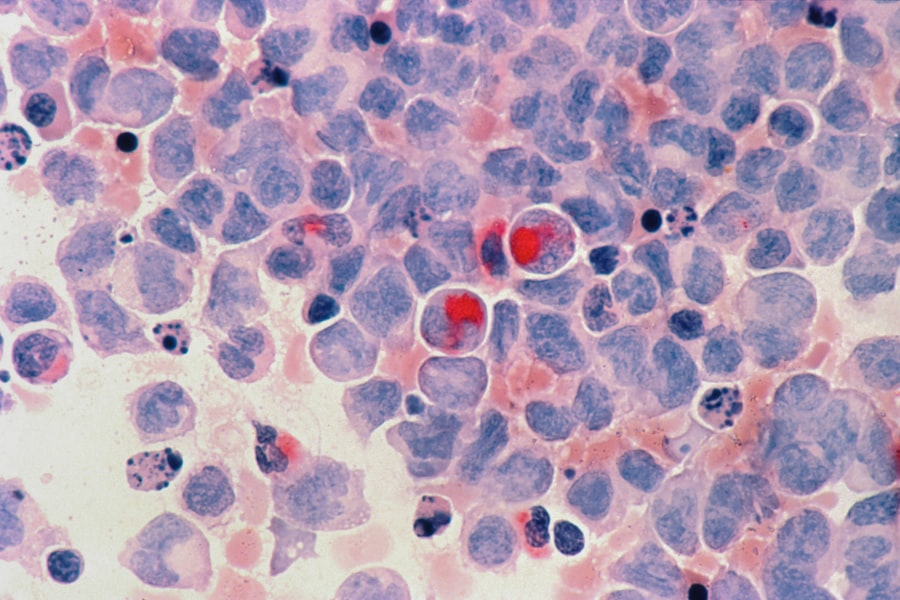
The symptoms of Toxoplasma gondii infection can vary widely depending on the individual’s immune status. In healthy individuals, the infection often remains asymptomatic or presents mild flu-like symptoms such as fever, fatigue, and muscle aches. These symptoms may last for a few weeks before resolving on their own.
However, in some cases, individuals may experience swollen lymph nodes or headaches as part of their immune response to the parasite. For those with weakened immune systems, such as individuals with HIV/AIDS or those undergoing immunosuppressive therapy, the symptoms can be much more severe. In these cases, the infection can lead to serious complications such as encephalitis, which is an inflammation of the brain.
Symptoms may include confusion, seizures, and coordination problems. Recognizing these symptoms early is vital for timely intervention and treatment.
Who is at risk of Toxoplasma gondii infection?
| Population Group | Risk Factors |
|---|---|
| Pregnant women | Handling cat litter, consuming undercooked meat, gardening without gloves |
| Immunocompromised individuals | Organ transplant recipients, HIV/AIDS patients, cancer patients undergoing chemotherapy |
| Children | Exposure to contaminated soil or sand in outdoor play areas |
| Food handlers | Handling raw meat and not following proper hygiene practices |
While anyone can potentially contract Toxoplasma gondii, certain groups are at a higher risk for severe illness. Pregnant women are particularly vulnerable because the parasite can be transmitted to the fetus, leading to congenital toxoplasmosis. This condition can result in serious complications for the baby, including vision problems and neurological issues.
Individuals with compromised immune systems are also at significant risk. This includes people living with HIV/AIDS, those undergoing chemotherapy, or individuals who have received organ transplants. In these populations, even a mild infection can escalate into a life-threatening condition.
Complications of Toxoplasma gondii infection
The complications arising from a Toxoplasma gondii infection can be quite serious, particularly for those with weakened immune systems or pregnant women. In immunocompromised individuals, the parasite can cause severe neurological complications such as encephalitis, which may lead to long-term cognitive deficits or even death if not treated promptly. The inflammation caused by the parasite can result in significant damage to brain tissue.
For pregnant women who contract the infection during their first trimester, there is a risk of congenital toxoplasmosis in their newborns. This condition can lead to a range of complications including hydrocephalus (accumulation of fluid in the brain), chorioretinitis (inflammation of the eye), and developmental delays. The severity of these complications often depends on when during the pregnancy the mother was infected.
Diagnosis of Toxoplasma gondii infection
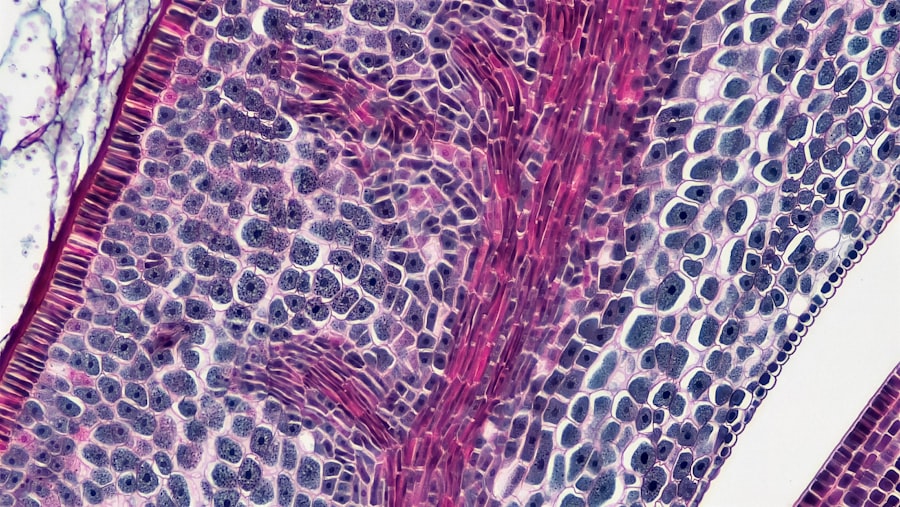
Diagnosing a Toxoplasma gondii infection typically involves a combination of clinical evaluation and laboratory testing. Healthcare providers will often start by taking a detailed medical history and conducting a physical examination to assess symptoms. Blood tests are commonly used to detect antibodies against Toxoplasma gondii; the presence of IgM antibodies indicates a recent infection, while IgG antibodies suggest past exposure.
In some cases, more advanced diagnostic techniques may be necessary. For instance, imaging studies such as CT scans or MRIs may be employed to identify any lesions in the brain that could indicate severe infection. Additionally, if there is suspicion of congenital toxoplasmosis in newborns, amniotic fluid testing or direct examination of tissue samples may be performed to confirm the presence of the parasite.
Treatment options for Toxoplasma gondii infection
Treatment for Toxoplasma gondii infection largely depends on the severity of the symptoms and the individual’s overall health status. For most healthy individuals with mild symptoms, treatment may not be necessary as the infection often resolves on its own. However, for those with severe symptoms or compromised immune systems, specific medications are available.
The primary treatment involves a combination of pyrimethamine and sulfadiazine, which work together to inhibit the growth of the parasite. In some cases, folinic acid is also administered to mitigate side effects associated with pyrimethamine. For pregnant women or those who are planning to become pregnant, treatment options may differ to minimize risks to the fetus while effectively managing the infection.
Prevention of Toxoplasma gondii infection
Preventing Toxoplasma gondii infection requires a multifaceted approach that focuses on hygiene and food safety practices. One effective strategy is to ensure proper handling and cooking of meat; cooking meat to an internal temperature of at least 145°F (63°C) can kill any tissue cysts present in the meat. Additionally, washing hands thoroughly after handling raw meat or soil can significantly reduce your risk.
For cat owners, maintaining good litter box hygiene is crucial. It is advisable to change cat litter daily and wash hands afterward to avoid accidental ingestion of oocysts. Pregnant women should take extra precautions by avoiding contact with cat feces and ensuring that any fruits and vegetables consumed are washed thoroughly before eating.
Toxoplasma gondii and pregnancy
Toxoplasma gondii poses unique risks during pregnancy due to its potential to affect fetal development adversely. If a woman becomes infected during her pregnancy, especially in the first trimester, there is a significant risk that the parasite will be transmitted to her unborn child. This can lead to congenital toxoplasmosis, which may result in serious health issues for the baby.
Symptoms in newborns can vary widely but may include jaundice, rash, and neurological problems such as seizures or developmental delays. To mitigate these risks, pregnant women are advised to undergo regular screenings for toxoplasmosis if they are at high risk and to follow strict hygiene practices regarding food preparation and pet care.
Toxoplasma gondii and its impact on mental health
Recent research has suggested that Toxoplasma gondii may have implications beyond physical health; it has been linked to various mental health conditions as well. Some studies have indicated that individuals infected with the parasite may exhibit changes in behavior or personality traits that could be associated with increased risk-taking or altered mood states. The exact mechanisms by which Toxoplasma gondii influences mental health remain an area of active investigation.
Some researchers propose that the parasite’s ability to manipulate neurotransmitter systems could play a role in these behavioral changes. While more research is needed to fully understand this relationship, it raises intriguing questions about how infectious agents might impact mental well-being.
Is Toxoplasma gondii dangerous?
In conclusion, Toxoplasma gondii presents a multifaceted challenge that encompasses both physical health risks and potential implications for mental well-being. While many individuals may carry the parasite without experiencing any adverse effects, certain populations—such as pregnant women and immunocompromised individuals—are at heightened risk for severe complications. Understanding how Toxoplasma gondii is transmitted and recognizing its symptoms are essential steps in managing this infection effectively.
With appropriate preventive measures and timely treatment options available, you can significantly reduce your risk of contracting this parasite and mitigate its potential dangers. As research continues to unfold regarding its broader impacts on health and behavior, staying informed will empower you to make better choices for your well-being and that of your loved ones.
Toxoplasma gondii is a parasitic organism that can pose significant health risks, particularly to pregnant women and individuals with weakened immune systems. This parasite is often transmitted through undercooked meat or exposure to infected cat feces. While many people infected with Toxoplasma gondii may not exhibit symptoms, the parasite can cause serious complications such as neurological disorders and congenital disabilities. For a deeper understanding of the potential dangers posed by Toxoplasma gondii, you can explore a related article on this topic by visiting freakyscience.
com/’>Freaky Science. This resource provides comprehensive insights into the life cycle of the parasite, its transmission, and the health implications associated with infection.
WATCH THIS! Meet the Ocean Virus Rewiring Your Brain — New Science Reveals Its Shocking Influence
FAQs
What is Toxoplasma gondii?
Toxoplasma gondii is a single-celled parasite that can infect most warm-blooded animals, including humans. It is commonly found in the environment and can be transmitted through the consumption of contaminated food or water, or through contact with infected animals.
Is Toxoplasma gondii dangerous to humans?
In healthy individuals, infection with Toxoplasma gondii often causes mild flu-like symptoms or no symptoms at all. However, it can be dangerous for pregnant women and individuals with weakened immune systems, as it can lead to severe complications such as miscarriage, stillbirth, or severe illness.
How is Toxoplasma gondii transmitted to humans?
Toxoplasma gondii can be transmitted to humans through the consumption of undercooked or raw meat containing the parasite, ingestion of contaminated water, or contact with cat feces that contain the parasite. It can also be transmitted from mother to fetus during pregnancy.
Can Toxoplasma gondii be treated?
In healthy individuals, treatment for Toxoplasma gondii infection is often not necessary, as the immune system can usually control the infection. However, individuals with weakened immune systems or pregnant women may require treatment with antibiotics to prevent severe complications.
How can Toxoplasma gondii infection be prevented?
To prevent Toxoplasma gondii infection, it is important to practice good hygiene, such as washing hands thoroughly after handling raw meat or gardening, and avoiding the consumption of undercooked or raw meat. Pregnant women and individuals with weakened immune systems should also avoid handling cat litter and should take precautions to prevent exposure to the parasite.