Improving Sleep Quality with Vagus Nerve Stimulation
You might be reading this because the restful nights you crave feel like a distant dream. Sleep, the body’s nightly repair shop, is vital for your physical and mental well-being. When it breaks down, even simple tasks can feel like wrestling with a concrete slab. You’ve likely tried the usual suspects: blackout curtains, herbal teas, consistent bedtimes. But what if there was a more direct route to unlocking deeper, more restorative slumber? This article explores how vagus nerve stimulation (VNS), a fascinating therapeutic approach, can potentially be a powerful tool in your arsenal for improving sleep quality.
The vagus nerve, often dubbed the “wandering nerve,” is a cranial nerve that acts as a master conductor for a symphony of physiological processes. It’s the longest and most complex of all cranial nerves, originating in your brainstem and extending down through your neck, chest, and abdomen, connecting to your heart, lungs, and digestive tract. Think of it as the central nervous system’s highway, carrying bidirectional signals between your brain and many of your internal organs. Its influence is far-reaching, impacting everything from your heart rate and digestion to your immune response and, crucially, your state of relaxation and sleep.
Historically, VNS was primarily employed for epilepsy and treatment-resistant depression. However, a growing body of research is illuminating its potential to modulate the autonomic nervous system, and in doing so, improve sleep. This exploration will delve into the mechanisms by which VNS might achieve this, the different forms of VNS available, and what the current scientific landscape suggests about its efficacy for sleep enhancement.
You might wonder how a nerve that seems so distant from your pillow can possibly impact your sleep. The vagus nerve, through its intricate connections, plays a pivotal role in orchestrating the delicate balance between the sympathetic nervous system (your body’s “fight or flight” response) and the parasympathetic nervous system (your body’s “rest and digest” response). Sleep is overwhelmingly governed by the parasympathetic system.
The Autonomic Nervous System and Sleep Cycles
Your autonomic nervous system (ANS) is like a dimmer switch for your body’s responses. When it’s dialed too high towards the sympathetic side, you’re in a state of alert, which is the antithesis of sleep. This can manifest as racing thoughts, a pounding heart, and an inability to settle down. Conversely, a well-functioning parasympathetic system allows your body to wind down, lower its heart rate, and enter the relaxed state necessary for sleep onset.
Sympathetic Dominance and Sleep Disruption
When your sympathetic nervous system is chronically overactive, often due to stress, anxiety, or other health conditions, it can be like trying to get a car to run smoothly while the gas pedal is constantly being slammed. This persistent state of arousal makes it incredibly difficult for your brain and body to transition into the deeper stages of sleep required for true restoration. You might find yourself tossing and turning, waking frequently, or experiencing fragmented sleep.
Parasympathetic Activation for Rest
The vagus nerve is the primary highway for activating your parasympathetic nervous system. When stimulated, it signals your body to slow down, reduce inflammation, and promote a sense of calm. This creates an environment conducive to falling asleep and staying asleep. Think of it as turning down the volume on your internal “noise” so you can finally hear the gentle hum of restful sleep.
Vagal Tone and Sleep Efficiency
Vagal tone refers to the activity level of your vagus nerve. A higher vagal tone generally indicates a stronger parasympathetic response and better resilience to stress. Individuals with higher vagal tone often exhibit better sleep efficiency, meaning they spend a greater proportion of their time in bed actually sleeping, rather than lying awake.
Measuring Vagal Tone
While not a standard clinical measurement for sleep, vagal tone can be indirectly assessed through heart rate variability (HRV). HRV measures the variation in time between each heartbeat. Higher HRV is generally associated with better vagal tone and a more adaptable nervous system. Poor HRV can be a red flag for increased sympathetic activity, which can sabotage sleep.
The Impact of Low Vagal Tone on Sleep Architecture
When your vagal tone is low, your body is less adept at shifting into parasympathetic dominance. This can disrupt your natural sleep architecture, leading to less time spent in slow-wave sleep (deep sleep) and REM sleep (dream sleep), both of which are crucial for cognitive function, memory consolidation, and emotional regulation. You might wake up feeling unrefreshed, even after a full night in bed, because your sleep wasn’t deep enough.
Recent research has highlighted the potential benefits of vagus nerve stimulation (VNS) in improving sleep quality, suggesting that this innovative approach may help individuals struggling with sleep disorders. For a deeper understanding of the mechanisms behind VNS and its effects on sleep, you can explore a related article on this topic at Freaky Science. This resource provides valuable insights into how stimulating the vagus nerve can enhance overall well-being and promote better sleep patterns.
Mechanisms of Vagus Nerve Stimulation for Sleep
You might be asking yourself, “How exactly does stimulating this nerve translate into better sleep?” The process is multifaceted, involving a cascade of physiological changes that directly impact your brain and body’s ability to relax and recover.
Central Nervous System Modulation
The vagus nerve doesn’t just communicate with your organs; it also sends signals back to your brain, influencing neurotransmitter release and brainwave activity. This central nervous system modulation is a key pathway through which VNS can influence sleep.
Neurotransmitter Release: Serotonin and GABA
Stimulating the vagus nerve can promote the release of certain neurotransmitters that are critical for sleep. Serotonin, a precursor to melatonin (the sleep hormone), and gamma-aminobutyric acid (GABA), an inhibitory neurotransmitter that calms the nervous system, are particularly important. By influencing their levels, VNS can help create a biochemical environment that fosters sleep. Imagine VNS acting as a gentle nudge, encouraging your brain to produce the right “ingredients” for a good night’s sleep.
Brainwave Activity: Alpha and Theta Waves
VNS has been shown to increase the presence of alpha and theta brainwaves. Alpha waves are associated with a relaxed, calm wakefulness, often preceding sleep. Theta waves are prominent during the early stages of sleep and in deep relaxation. An increase in these brainwave frequencies suggests a shift towards a more relaxed state, making it easier to drift off to sleep.
Peripheral Nervous System Effects
Beyond its direct impact on the brain, VNS also influences the autonomic nervous system’s output to various organs, which in turn affects your overall physiological state and readiness for sleep.
Heart Rate and Blood Pressure Regulation
One of the most significant effects of parasympathetic activation via the vagus nerve is the slowing of heart rate and a reduction in blood pressure. These physiological changes are fundamental indicators of relaxation. If your heart is pounding like a drum solo or your blood pressure is elevated, it’s no wonder sleep feels elusive. VNS can help turn down this internal “volume.”
Reduction in Inflammatory Markers
Chronic inflammation can significantly disrupt sleep. The vagus nerve has potent anti-inflammatory properties. By stimulating the vagus nerve, you can help dampen the inflammatory response in your body, which can be a crucial step in creating a more sleep-friendly internal environment. Imagine the vagus nerve as a skilled firefighter, dousing the internal flames of inflammation that can keep you tossing and turning.
Gut-Brain Axis Influence
The gut-brain axis is a bidirectional communication network between your digestive system and your brain. The vagus nerve is a primary conduit for this communication. Disrupted gut function can negatively impact mood and sleep. VNS can positively influence gut motility and reduce inflammation in the gut, indirectly promoting better sleep.
Types of Vagus Nerve Stimulation and Their Application to Sleep
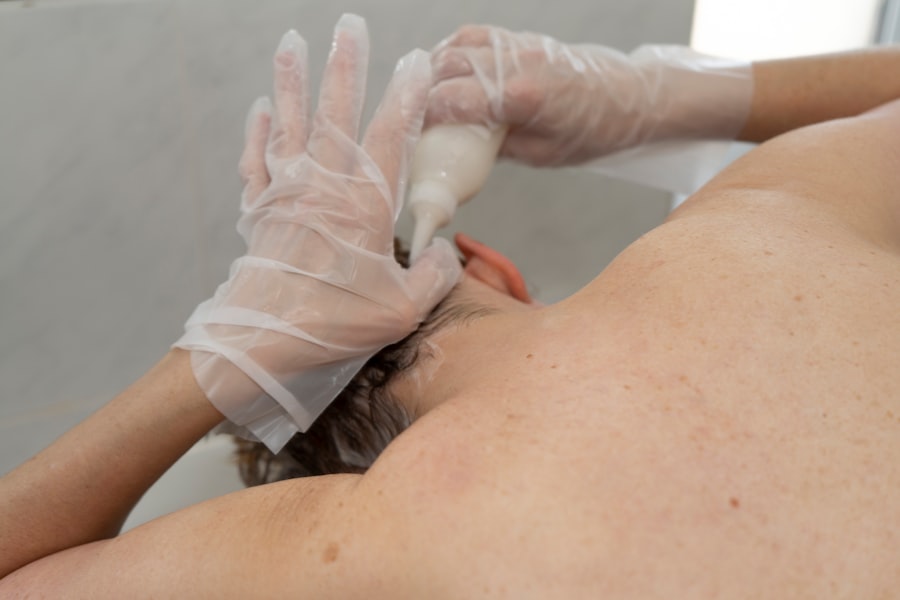
You’re likely wondering about the practicalities. How is VNS administered, and which methods are most relevant to sleep improvement? VNS technologies vary, and understanding these distinctions is crucial.
Implantable Vagus Nerve Stimulation (iVNS)
This is the most established form of VNS, typically used for treating epilepsy and depression. It involves surgically implanting a device, similar to a pacemaker, under the skin of the chest. A wire then runs from the device to the vagus nerve in the neck, delivering electrical impulses at programmed intervals.
Clinical Use and Off-Label Potential for Sleep
While iVNS is FDA-approved for specific conditions, its application for sleep quality enhancement is largely considered off-label. This means that while research may suggest benefits, it hasn’t been specifically approved by regulatory bodies for this purpose. The consistent electrical stimulation provided by iVNS can promote long-term autonomic nervous system regulation, which may contribute to more stable sleep patterns over time.
Considerations for Implantable Devices
The decision to undergo surgery for iVNS is significant and involves potential risks and benefits. It requires consultation with medical professionals and a thorough understanding of the procedure, including recovery and potential side effects. For individuals struggling with severe, treatment-resistant sleep issues alongside other conditions like epilepsy or depression, iVNS might be considered as a comprehensive treatment strategy.
Non-Invasive Vagus Nerve Stimulation (nVNS)
Recognizing the desire for less invasive options, researchers and companies have developed non-invasive methods of VNS. These devices typically deliver electrical stimulation to the vagus nerve through the skin, often on the neck.
Transcutaneous Vagus Nerve Stimulation (tVNS)
tVNS devices are the most common form of nVNS. They usually involve a small electrode placed on the skin of the ear or neck, delivering low-level electrical pulses. These devices are generally considered safer and more accessible than implantable options.
Home Use and Accessibility
The appeal of tVNS lies in its potential for home use, allowing individuals to integrate stimulation into their daily routines, potentially before bedtime. This accessibility makes it a more practical approach for exploring VNS as a sleep aid. You can carry a tVNS device in your pocket, much like a smartphone, and use it to prepare your body for rest.
Research on tVNS for Sleep Disorders
Emerging research is exploring the efficacy of tVNS for various sleep disorders. Studies have begun to investigate its impact on conditions like insomnia, sleep apnea, and restless legs syndrome. The rationale is that by modulating the autonomic nervous system, tVNS can help alleviate the physiological symptoms that contribute to these sleep disturbances, such as heightened arousal or irregular breathing patterns.
Other Non-Invasive Modalities
Other non-invasive approaches, such as vagal nerve stimulation through the tongue (taste bud stimulation), are also being explored, though they are less common for direct sleep applications at present. These methods aim to tap into the vagus nerve’s pathways without requiring external electrodes on the skin.
Research Findings and Emerging Evidence

The scientific community is actively investigating the connection between VNS and sleep. While the field is still evolving, existing studies offer promising insights into how VNS might improve sleep quality.
Studies on Insomnia and Sleep Disruption
Several studies have looked at the effects of VNS on individuals struggling with insomnia. These studies often report improvements in subjective sleep quality, reduced latency to sleep onset (how long it takes to fall asleep), and fewer awakenings during the night.
Subjective Sleep Quality Ratings
Participants in VNS studies often report feeling more rested upon waking and a general improvement in their overall sleep experience. This subjective data, while not as quantifiable as objective measures, is a crucial indicator of a treatment’s perceived effectiveness in improving one’s life.
Objective Sleep Measures: Polysomnography
More rigorous studies employ polysomnography (PSG), a comprehensive sleep study that monitors brain waves, heart rate, breathing, and muscle activity. Preliminary PSG data from VNS studies suggests potential improvements in sleep architecture, such as increased time spent in deep sleep stages. However, more large-scale, randomized controlled trials are needed to solidify these findings.
VNS for Specific Sleep Disorders
Beyond general insomnia, researchers are also exploring VNS for more specific sleep disorders.
Sleep Apnea and Vagus Nerve Function
There is growing interest in the role of the vagus nerve in conditions like obstructive sleep apnea (OSA). OSA is characterized by repeated pauses in breathing during sleep, often linked to a weakened response in the upper airway muscles. Some research suggests that VNS might help improve the muscle tone in the airway and reduce the severity of apneic events by modulating the autonomic nervous system. You can think of the vagus nerve as a conductor that can help re-establish a more rhythmic breathing pattern during sleep.
Restless Legs Syndrome and Vagal Tone
Restless legs syndrome (RLS) is a neurological disorder characterized by an irresistible urge to move the legs, often accompanied by unpleasant sensations. While the exact causes are not fully understood, autonomic nervous system dysregulation is thought to play a role. VNS’s ability to modulate the ANS may offer a new avenue for managing RLS symptoms, potentially reducing the involuntary leg movements that disrupt sleep.
Animal Studies and Pre-Clinical Evidence
Animal models have provided valuable pre-clinical evidence supporting the role of the vagus nerve in sleep regulation. These studies allow researchers to investigate physiological mechanisms in a controlled environment before human trials. They have offered insights into how VNS can influence neurotransmitter systems and neural pathways involved in sleep-wake cycles.
Recent studies have shown that vagus nerve stimulation can significantly improve sleep quality, leading to better overall health and well-being. Researchers have found that this method can help regulate the body’s stress response and promote relaxation, which are crucial for a good night’s sleep. For those interested in exploring this topic further, you can read a related article that delves into the science behind vagus nerve stimulation and its effects on sleep quality by following this link.
Precautions and Considerations for Sleep Enhancement
| Study | Sample Size | Type of Vagus Nerve Stimulation | Duration | Sleep Quality Metric | Results | Notes |
|---|---|---|---|---|---|---|
| Fang et al., 2017 | 30 | Transcutaneous VNS (tVNS) | 4 weeks | Pittsburgh Sleep Quality Index (PSQI) | PSQI score improved by 25% | Significant improvement in subjective sleep quality |
| He et al., 2020 | 45 | Implantable VNS | 3 months | Polysomnography (Sleep Efficiency %) | Sleep efficiency increased from 75% to 85% | Improved sleep architecture and reduced awakenings |
| Clancy et al., 2014 | 20 | Transcutaneous VNS | 2 weeks | Subjective Sleep Quality (Visual Analog Scale) | Reported 30% improvement in sleep quality | Short-term benefits observed |
| Napadow et al., 2012 | 15 | Transcutaneous VNS | 1 week | Sleep Latency (minutes) | Reduced sleep latency by 10 minutes on average | Improved sleep onset |
| Yuan et al., 2016 | 25 | Implantable VNS | 6 months | Insomnia Severity Index (ISI) | ISI scores decreased by 40% | Long-term improvement in insomnia symptoms |
While VNS holds promise for improving sleep quality, it’s essential to approach it with a balanced perspective. Like any therapeutic intervention, it comes with its own set of precautions and considerations.
Consultation with Healthcare Professionals
It is paramount to emphasize that you should never attempt to self-treat sleep disorders with VNS without the guidance of a qualified healthcare professional. This includes neurologists, sleep specialists, or other physicians experienced in VNS therapy. They can assess your individual needs, determine if VNS is appropriate for you, and guide you through the process.
You wouldn’t try to fix a complex engine without a manual and the right tools; similarly, you shouldn’t experiment with VNS without expert oversight.
Medical History and Contraindications
Your medical history is a critical factor. Certain pre-existing conditions, such as specific heart rhythm abnormalities or a history of seizures not managed by medication, might make VNS unsuitable or require careful monitoring. Your doctor will conduct a thorough evaluation to identify any potential contraindications.
Potential Side Effects
Even non-invasive VNS devices can have side effects, though they are generally mild and temporary. These can include:
- Discomfort or hoarseness: Electrical stimulation of the vagus nerve in the neck can sometimes cause a temporary scratchy throat or hoarseness.
- Nausea: Some individuals may experience mild nausea, especially during initial stimulation.
- Skin irritation: In rare cases, the electrode placement for tVNS may cause mild skin irritation.
- Headache: Some users report transient headaches.
Implantable VNS has more significant potential risks associated with surgery and the device itself, which your doctor will discuss in detail.
Realistic Expectations for VNS Therapy
It’s important to manage your expectations. VNS is not a magic bullet that will instantly grant you perfect sleep. Its effects can vary significantly from person to person.
Individual Variability in Response
Just as people respond differently to medications or dietary changes, your response to VNS may be unique. Some individuals may experience profound improvements, while others may notice only subtle changes. Patience and consistent application are often key.
VNS as Part of a Comprehensive Approach
VNS is most likely to be effective when integrated into a broader approach to sleep health. This might include:
- Sleep Hygiene: Maintaining a consistent sleep schedule, creating a relaxing bedtime routine, and optimizing your sleep environment are fundamental.
- Cognitive Behavioral Therapy for Insomnia (CBT-I): This evidence-based therapy addresses the thoughts and behaviors that contribute to insomnia and is often considered the first-line treatment.
- Lifestyle Modifications: Exercise, stress management techniques, and a balanced diet all play a role in sleep quality.
Think of VNS as one powerful instrument in a well-tuned orchestra. It can contribute beautifully, but it works best when harmonized with other instruments playing their parts.
Future Directions in VNS Research for Sleep
The scientific journey of VNS for sleep is far from over. Ongoing research promises to refine our understanding and expand its potential applications.
Larger-Scale Clinical Trials
The most pressing need is for larger, placebo-controlled, and randomized clinical trials to unequivocally establish the efficacy and safety of VNS for various sleep disorders. This will provide stronger evidence to guide clinical practice.
Personalized VNS Protocols
Future research may focus on developing personalized VNS protocols. This could involve tailoring stimulation parameters (frequency, intensity, duration) to individual needs and physiological responses, much like a tailor customizes a suit for a perfect fit.
Combination Therapies
Exploring the synergistic effects of VNS when combined with other established sleep interventions, such as CBT-I or CPAP therapy for sleep apnea, could unlock new therapeutic possibilities. Could VNS amplify the benefits of other treatments, making them even more potent?
By continuing to explore these avenues, researchers aim to unlock the full potential of VNS as a valuable tool in the quest for better sleep.
FAQs
What is vagus nerve stimulation (VNS)?
Vagus nerve stimulation (VNS) is a medical treatment that involves delivering electrical impulses to the vagus nerve, which runs from the brainstem through the neck to the abdomen. It is used to modulate nervous system activity and has applications in various conditions, including epilepsy, depression, and sleep disorders.
How does vagus nerve stimulation affect sleep quality?
Vagus nerve stimulation can influence sleep quality by promoting relaxation and reducing stress responses. It may help regulate the autonomic nervous system, leading to improved sleep patterns, increased deep sleep stages, and reduced symptoms of insomnia or sleep disturbances.
Is vagus nerve stimulation safe for improving sleep?
When administered under medical supervision, vagus nerve stimulation is generally considered safe. However, it may have side effects such as throat discomfort, coughing, or changes in voice. It is important to consult a healthcare professional before starting VNS therapy for sleep issues.
Are there different methods of vagus nerve stimulation for sleep?
Yes, VNS can be delivered invasively through an implanted device or non-invasively using external devices that stimulate the nerve through the skin, typically at the neck or ear. Non-invasive methods are gaining popularity for sleep improvement due to their ease of use and lower risk.
Who can benefit from vagus nerve stimulation for sleep quality?
Individuals experiencing sleep disorders such as insomnia, sleep apnea, or those with stress-related sleep disturbances may benefit from VNS. However, suitability depends on individual health conditions, and a thorough evaluation by a healthcare provider is necessary to determine if VNS is an appropriate treatment option.