Immersive reality simulation stands as a burgeoning field, moving from the realm of science fiction to a tangible, impactful force across numerous sectors. You are on the precipice of understanding how this technology is not merely a new entertainment medium but a powerful new frontier for learning, training, and innovation. This is not a distant dream; it is a present reality, dynamically reshaping how you interact with information and acquire skills.
At its core, immersive reality simulation involves creating a synthetic environment that mimics real-world or imagined conditions. Your senses are tricked into believing you are present within this generated world. This is achieved through a combination of hardware and software, meticulously orchestrated to deliver a convincing experience.
The Virtual Realm: Crafting Digital Universes
The digital universes you experience in immersive simulations are constructed from the ground up. This involves intricate 3D modeling, realistic texturing, and the application of physics engines that govern how objects interact. Think of it as an architect building a meticulous blueprint for a city, where every street, building, and even the subtle ripple of water is precisely rendered.
3D Modeling and Asset Creation
The building blocks of these virtual worlds are 3D models. These digital sculptures are created using specialized software, where artists and designers meticulously craft every detail. From the curvature of a planet to the wear and tear on a tool, these assets form the tangible elements of your simulated environment. The fidelity of these models directly influences the believability of the simulation.
Texturing and Material Properties
Once the geometric shapes are in place, they need to be brought to life with textures. These are the digital skins that give surfaces their visual characteristics—the rough grain of wood, the polished gleam of metal, the intricate weave of fabric. Understanding material properties, such as reflectivity, transparency, and reflectivity, further enhances the realism, allowing light to behave as it would in the real world.
Lighting and Environmental Effects
Lighting is the invisible sculptor of any visual space. In immersive simulations, sophisticated lighting systems are employed to create mood, define form, and guide your attention. Global illumination techniques, for instance, simulate how light bounces off surfaces, creating naturalistic shadows and ambient light. Environmental effects like fog, rain, or even the subtle shimmer of heat haze add layers of depth and realism, pushing the boundaries of what you perceive as artificial.
Sensory Immersion: Engaging Your Perceptual Systems
The goal of immersive reality simulation is to engage as many of your senses as possible, creating a holistic experience. While visual and auditory immersion are the most developed, research continues to push the frontiers of haptic and even olfactory feedback.
Visual Immersion: Beyond the Screen
The most immediate aspect of immersion for you is the visual component. This is primarily delivered through Head-Mounted Displays (HMDs) that encase your eyes, presenting a stereoscopic view that creates a sense of depth. The higher the resolution and refresh rate of these displays, the less likely you are to perceive pixels or experience motion sickness.
Head-Mounted Displays (HMDs)
HMDs are the gateway to virtual worlds. They project images directly in front of your eyes, often with lenses that magnify and focus them to create a wide field of view. The quality of the display, from pixel density to color accuracy, directly impacts your visual immersion.
Field of View (FOV)
The field of view refers to the extent of the world you can see at any given moment. A wider FOV is crucial for a more naturalistic experience, preventing the feeling of looking through binoculars. Advancements in lens technology and display placement are continuously expanding this crucial parameter.
Tracking Systems and Interactivity
For true immersion, your movements within the physical space need to be translated into the virtual world. This is achieved through tracking systems that monitor your head and body position. Inside-out tracking, where cameras are embedded in the HMD, and outside-in tracking, which uses external sensors, are the prevailing methods. This allows for natural interaction with the simulated environment.
Auditory Immersion: The Soundscape of Reality
Sound plays a critical role in grounding you within a simulated space. Spatial audio, also known as 3D audio, is designed to mimic how sound behaves in the real world, with sounds appearing to originate from specific locations around you.
Spatial Audio and Binaural Rendering
Spatial audio techniques ensure that sounds appear to come from their correct directions and distances. Binaural rendering, for example, uses two microphones to record sound, mimicking the way your ears receive sound waves, creating a highly realistic sonic experience when played back through headphones.
Sound Design and Environmental Acoustics
The meticulous design of sound effects, from the rustle of leaves to the distant roar of an engine, contributes significantly to the believability of the simulation. Furthermore, simulating the acoustics of different environments—the echo in a cavern, the dampened sound in a padded room—further enhances the sense of presence.
Haptic Feedback: Touching the Virtual
Haptic feedback technology allows you to feel the virtual world. This can range from simple vibrations to more sophisticated systems that simulate texture, temperature, and pressure.
Haptic Gloves and Controllers
Haptic gloves and controllers are the primary tools for tactile immersion. They can vibrate in response to virtual interactions, provide resistance when you grasp an object, or even simulate the sensation of different textures.
Full-Body Haptic Suits
For more profound immersion, full-body haptic suits are being developed. These garments incorporate actuators across the body to deliver tactile sensations throughout your avatar, simulating impacts, environmental forces, and even the feeling of being touched.
Reality simulation has become a fascinating topic in both scientific and philosophical discussions, exploring the nature of existence and consciousness. For those interested in delving deeper into this subject, a related article can be found at Freaky Science, which examines various theories and implications surrounding the concept of simulated realities. This resource provides valuable insights and perspectives that can enhance your understanding of the complexities involved in the idea of living in a simulated environment.
Applications Across Industries: Beyond Entertainment
While gaming and entertainment are prominent early adopters, the true power of immersive reality simulation lies in its transformative potential across a broad spectrum of industries. You might be surprised by the diverse applications already in play or under active development.
Education and Training: Learning by Doing
The adage “practice makes perfect” takes on a new dimension with immersive simulations. They offer a safe, controlled, and repeatable environment for skill acquisition, reducing the risks and costs associated with traditional training methods.
Medical Training and Surgical Simulation
Surgeons can hone their skills on virtual patients, practicing complex procedures without any risk to real individuals. This allows for extensive repetition and exposure to rare or challenging scenarios, leading to more confident and competent practitioners.
Laproscopic and Robotic Surgery Simulators
Specialized simulators allow medical professionals to practice minimally invasive surgical techniques, mimicking the haptic feedback and visual cues of actual surgery. This critical training can significantly reduce errors in real-world operating rooms.
Anatomy and Physiology Learning
Students can explore the human body in three dimensions, manipulating organs, understanding complex physiological processes, and visualizing anatomical structures with an unprecedented level of detail. This moves beyond static diagrams and into dynamic, interactive learning.
Military and Law Enforcement Training
Personnel can be trained for high-stakes scenarios, from combat situations to de-escalation techniques, in realistic, simulated environments. This allows for the practice of tactical maneuvers, decision-making under pressure, and team coordination without real-world consequences.
Combat Simulation and Tactical Maneuvers
Military units can rehearse battlefield tactics, familiarize themselves with specific terrains, and experience the dynamics of combat in a controlled setting. This builds muscle memory and strategic understanding.
Emergency Response and Crisis Management
First responders can train for natural disasters, terrorist attacks, and other critical incidents, practicing their coordination, communication, and decision-making processes in realistic, albeit simulated, crisis situations.
Industrial and Technical Training
From operating heavy machinery to maintaining complex equipment, immersive simulations provide hands-on experience in a safe and cost-effective manner. This reduces the likelihood of costly accidents and equipment damage.
Piloting and Aviation Simulators
The aviation industry has long utilized simulators, but immersive reality takes this to a new level. Pilots can experience a vast range of flight conditions and emergency scenarios, building critical skills and decision-making abilities.
Manufacturing and Assembly Line Training
Workers can learn intricate assembly processes, practice troubleshooting, and become proficient with new machinery before stepping onto a real production floor, leading to increased efficiency and reduced errors.
Design and Prototyping: Visualizing the Unbuilt
Architects, engineers, and product designers are leveraging immersive reality to visualize and interact with their creations before they are physically realized. This allows for earlier detection of flaws and more intuitive design iterations.
Architectural Visualization and Walkthroughs
Clients and designers can virtually walk through buildings that exist only as digital models, assessing spatial relationships, material choices, and aesthetic appeal. This facilitates better communication and reduces the need for costly physical models.
Virtual Staging and Interior Design
Homebuyers can visualize furniture arrangements and interior design choices in realistic 3D models of properties, making informed decisions about their future living spaces.
Urban Planning and City Simulation
Urban planners can simulate the impact of new infrastructure, traffic flow, and zoning changes on entire city blocks, visualizing potential outcomes and making more informed planning decisions.
Product Design and Engineering Iteration
Engineers can assemble and test virtual prototypes, identifying potential design flaws or ergonomic issues before committing to expensive physical manufacturing.
Automotive Design and Ergonomics
Car designers can create and experience the interior of new vehicles virtually, assessing driver comfort, visibility, and the placement of controls.
Consumer Product Development
From the shape of a new appliance to the user interface of a smartphone, immersive simulations allow for rapid prototyping and user testing of consumer goods.
Healthcare and Therapy: Healing in Virtual Spaces
Immersive reality is finding its place in the therapeutic landscape, offering novel approaches to pain management, phobia treatment, and rehabilitation.
Pain Management and Distraction Therapy
By immersing patients in calming or engaging virtual environments, the perception of pain can be significantly reduced, offering a non-pharmacological approach to pain relief.
Chronic Pain Management
Patients suffering from chronic pain can utilize VR to distract themselves from discomfort, engage in gentle exercises, or participate in mindfulness activities within a virtual setting.
Burn Treatment and Wound Care
Immersion in a distracting virtual world can make the experience of wound dressing and physical therapy less traumatic for patients.
Exposure Therapy for Phobias and PTSD
Individuals with phobias or post-traumatic stress disorder can be gradually exposed to their triggers in a controlled, safe virtual environment, allowing them to confront and manage their fears.
Acrophobia and Claustrophobia Treatment
Therapists can simulate heights or confined spaces, allowing patients to confront their fears incrementally while under professional guidance.
PTSD and Trauma Recovery
Virtual environments can be used to carefully recreate aspects of traumatic experiences, enabling therapists to guide patients through processing and desensitization.
Physical Rehabilitation and Motor Skill Recovery
Gamified exercises in immersive environments can motivate patients to engage in physical therapy, making the process more enjoyable and conducive to recovery.
Stroke Rehabilitation
Patients can practice regaining motor control and coordination through interactive virtual tasks that simulate daily activities.
Amputee Training and Prosthetic Simulation
Individuals fitted with new prosthetics can train in virtual environments to gain confidence and proficiency in their use.
The Evolving Technology: Hardware and Software Advancements

The rapid evolution of immersive reality simulation is driven by continuous innovation in both hardware and software. As these components become more sophisticated and accessible, so too do the possibilities of the experiences you can create and engage with.
Advancements in Display Technology
The quality of the visual experience is directly tied to the display technology used in HMDs. Higher resolutions, wider fields of view, and improved refresh rates are constantly pushing the boundaries of what is visually possible.
Higher Resolution Displays
The quest for photorealism demands higher pixel density. Newer HMDs are incorporating micro-OLED and other advanced display technologies to deliver sharper, more detailed images, minimizing the “screen door effect” that can detract from immersion.
Wider Field of View (FOV) Expansion
As mentioned earlier, a wider FOV is critical for a naturalistic experience. Engineers are working on lens designs and display configurations that can mimic the peripheral vision of the human eye, creating a truly encompassing virtual world.
Varifocal Displays and Foveated Rendering
Varifocal displays can adjust their focal plane, much like the human eye, reducing eye strain and improving visual comfort. Foveated rendering, on the other hand, intelligently renders the area you are directly looking at in high detail while reducing the fidelity of the periphery, optimizing processing power.
Sophistication in Tracking and Input
Accurate and intuitive tracking of your movements is fundamental for seamless interaction. New methods are constantly being developed to improve responsiveness and expand the range of possible interactions.
Inside-Out Tracking Enhancements
Improvements in computer vision algorithms and the integration of more sophisticated sensors are making inside-out tracking more robust and accurate, allowing for greater freedom of movement without external equipment.
Hand and Eye Tracking Integration
Direct hand tracking, without the need for controllers, and precise eye-tracking technology are opening up new avenues for naturalistic interaction. You can point, swipe, and even gesture to manipulate virtual objects, and the system can understand where you are looking.
Advanced Haptic Devices
Beyond simple vibrations, the development of more nuanced haptic feedback systems is crucial for a truly tactile virtual experience. This includes devices that can simulate texture, pressure, and even temperature.
The Role of Artificial Intelligence and Machine Learning
AI and ML are becoming increasingly integral to the creation and operation of immersive simulations, enabling more dynamic, adaptive, and personalized experiences.
Procedural Content Generation
AI can be used to automatically generate vast and complex virtual environments, filling in the details and ensuring variety, saving countless hours of manual creation.
Adaptive AI and Intelligent NPCs
Non-player characters (NPCs) can become more intelligent and responsive, reacting realistically to your actions and the evolving simulation, making the experience more dynamic and less predictable.
Personalized Simulation Experiences
AI can analyze your performance and preferences to tailor the simulation to your specific needs, providing personalized challenges, feedback, and learning pathways.
Challenges and the Road Ahead: Navigating the Frontier
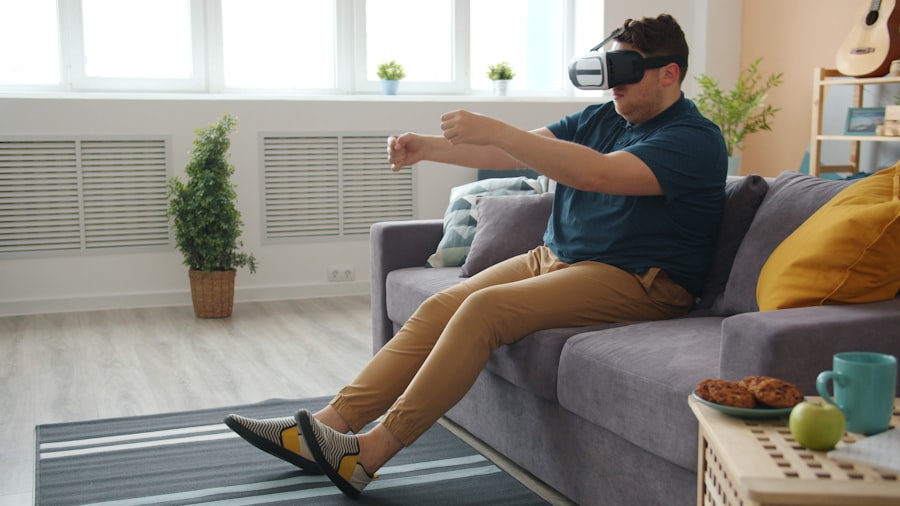
Despite its immense potential, immersive reality simulation still faces several challenges that need to be addressed for its widespread adoption and continued growth. You are witness to a field still in its nascent stages of maturity.
Overcoming Hardware Limitations
While hardware has advanced considerably, there are still limitations that impact the user experience.
Cost and Accessibility
High-end HMDs and the powerful computing hardware required to run sophisticated simulations remain expensive, limiting access for many individuals and organizations. Continued miniaturization and mass production are key to bringing down costs.
Comfort and Ergonomics
Extended use of HMDs can lead to discomfort, eye strain, and motion sickness for some individuals. Further research into display technologies, optics, and software algorithms is needed to improve user comfort over longer sessions.
Power Consumption and Battery Life
Mobile VR devices are constrained by battery life, limiting their usability for extended training or immersive experiences. Advancements in battery technology and power efficiency are critical for untethered, long-duration applications.
Addressing Software and Content Challenges
The availability of compelling and diverse content is crucial for driving user engagement.
Content Creation Tools and Workflow
Developing sophisticated immersive simulations requires specialized skills and powerful tools. Streamlining the content creation process and making it accessible to a wider range of developers is essential for populating the virtual landscape.
Standardization and Interoperability
A lack of universal standards can lead to fragmented ecosystems and limited interoperability between different platforms and software. Establishing common protocols will be vital for the long-term health of the industry.
Ethical Considerations and Responsible Development
As simulations become more realistic, ethical concerns surrounding addiction, escapism, and the potential for manipulation come to the forefront. Responsible development practices and user education are paramount.
The concept of reality simulation has sparked numerous discussions in both scientific and philosophical circles, exploring the boundaries of what we perceive as real. For those interested in delving deeper into this intriguing topic, an insightful article can be found at Freaky Science, which examines the implications of simulated realities and their potential impact on our understanding of consciousness. This exploration not only raises questions about the nature of existence but also invites us to consider the technological advancements that could make such simulations possible.
The Future Landscape: What Lies Beyond the Horizon?
| Metric | Description | Typical Values | Unit | Relevance |
|---|---|---|---|---|
| Frame Rate | Number of frames rendered per second in the simulation | 30 – 120 | FPS | Higher frame rates improve realism and reduce motion sickness |
| Latency | Delay between user input and system response | 10 – 50 | Milliseconds | Lower latency enhances immersion and responsiveness |
| Resolution | Display resolution of the simulation environment | 1920×1080 – 3840×2160 | Pixels | Higher resolution increases visual fidelity |
| Field of View (FOV) | Extent of the observable environment at any given moment | 90 – 120 | Degrees | Wider FOV improves spatial awareness |
| Physics Accuracy | Degree to which physical interactions mimic real-world behavior | High, Medium, Low | Qualitative | Critical for training and realistic simulations |
| Interaction Complexity | Number and variety of user interactions supported | Basic to Advanced | Qualitative | Enhances user engagement and realism |
| Simulation Scale | Size and scope of the simulated environment | Room-scale to World-scale | Qualitative | Determines application domain and immersion level |
The trajectory of immersive reality simulation points towards increasingly seamless integration into your daily life, blurring the lines between the physical and digital realms.
The Metaverse and Persistent Virtual Worlds
The concept of the metaverse, a persistent, interconnected network of virtual worlds, represents a significant future for immersive simulation. This could become a space for social interaction, commerce, entertainment, and work.
Social Interaction and Community Building
You might find yourself connecting with friends, attending virtual concerts, or collaborating on projects within expansive, persistent virtual spaces, fostering new forms of community.
Virtual Commerce and Economies
The metaverse could host entirely new digital economies, with virtual goods, services, and even real estate being bought and sold. This opens up novel avenues for businesses and entrepreneurs.
The Blurring of Physical and Digital Boundaries
As technology progresses, the distinction between your physical surroundings and the digital experiences you engage with will continue to diminish. Augmented reality, a complementary technology, will play a significant role in this convergence.
Advanced Integration with AI and Robotics
The synergy between immersive simulations, AI, and robotics holds the promise of truly transformative applications.
Human-Robot Collaboration Training
You could train to work alongside robots in complex manufacturing or hazardous environments, perfecting collaborative tasks in a risk-free setting.
Remote Operation and Telepresence
Immersive simulations, coupled with advanced robotics, could enable you to remotely operate machinery, perform delicate surgical procedures from afar, or even experience being present in remote locations.
Experiential Learning and Empathy Development
Future simulations might leverage AI to create deeply empathetic experiences, allowing you to walk in the shoes of others and foster a deeper understanding of diverse perspectives. This could be a powerful tool for social change and personal growth.
In conclusion, immersive reality simulation is not just a fleeting trend; it is a fundamental shift in how you interact with technology and the world around you. You are witnessing the birth of a new frontier, one that promises to revolutionize learning, enhance human capabilities, and unlock unprecedented avenues for creativity and connection. The journey is ongoing, and the possibilities are as boundless as your imagination.
FAQs
What is reality simulation?
Reality simulation refers to the creation of a virtual environment or experience that mimics real-world conditions, often using computer-generated imagery and interactive technology to replicate physical, social, or psychological aspects of reality.
What are common applications of reality simulation?
Reality simulation is used in various fields including training and education (e.g., flight simulators), entertainment (e.g., video games and virtual reality experiences), scientific research, therapy (e.g., exposure therapy), and design and engineering for prototyping and testing.
How does reality simulation differ from virtual reality?
While both involve creating immersive experiences, reality simulation specifically aims to replicate real-world scenarios as accurately as possible, often for practical purposes. Virtual reality is a broader term that includes any fully immersive digital environment, which may be realistic or entirely fictional.
What technologies are involved in creating reality simulations?
Technologies used include computer graphics, motion tracking, haptic feedback devices, virtual reality headsets, augmented reality systems, and advanced software algorithms that model physics and human behavior.
What are the benefits of using reality simulation?
Reality simulation allows for safe, cost-effective training and experimentation, enhances learning and skill development, enables risk-free testing of scenarios, and can improve decision-making by providing realistic practice environments.