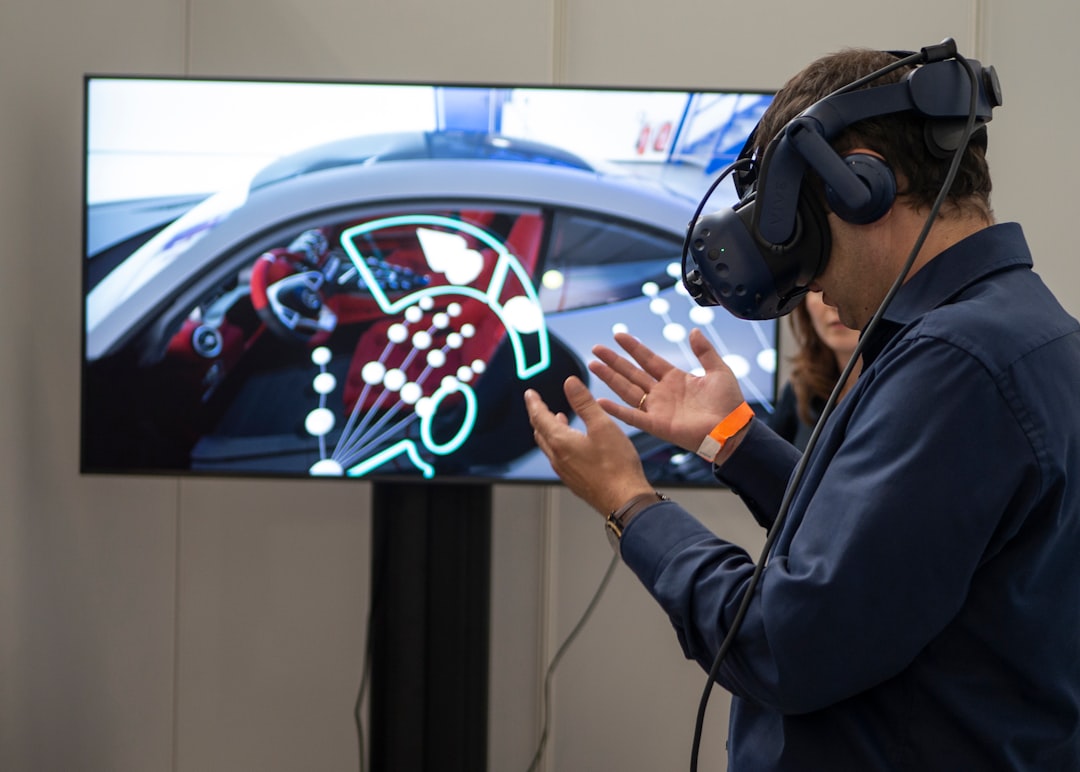
You stand on the precipice. Before you, the familiar world recedes, replaced by a canvas of pixels waiting to be painted by your senses. You are about to step into virtual reality, a realm where the impossible becomes tangible and the ordinary is just a memory. This is not a passive viewing; you are an actor on a stage, a sculptor with digital clay, a navigator of uncharted digital territories. This exploration of virtual reality will guide you through its fundamental principles, its diverse applications, and the ever-evolving landscape it represents.
Virtual reality (VR) is not a monolithic entity; it’s a composite of technologies designed to simulate a physical presence in an artificially generated environment. At its core, VR aims to trick your brain into believing you are somewhere you are not. This immersion is achieved through a sophisticated interplay of sensory feedback.
The Role of the Headset: Your Portal to Another World
The most recognizable component of a VR system is the headset. This is your gateway, a meticulously engineered device that straps onto your head, obscuring your vision of the real world and replacing it with digital imagery. Within its housing, lenses act as intermediaries, focusing and distorting the display to create a wide field of view that approximates human peripheral vision.
Spatial Tracking: Where You Are Matters
Crucial to the sense of presence is spatial tracking. The headset, and often accompanying controllers, are equipped with sensors – gyroscopes, accelerometers, and sometimes external cameras or base stations. These sensors meticulously track your head and body movements in real-time. As you turn your head left, the virtual world pivots with you, mirroring your physical action with uncanny accuracy. As you step forward, your digital avatar does the same. This responsiveness is paramount; any lag or discrepancy between your movement and the visual feedback can shatter the illusion, pulling you back to the mundane reality you sought to escape.
Display Technology: The Pixels That Paint Reality
The visual fidelity of the VR experience is dictated by the display technology within the headset. Liquid-crystal display (LCD) and organic light-emitting diode (OLED) panels are common. OLEDs generally offer superior contrast ratios and deeper blacks, contributing to a more convincing and less “screen-door” effect (where the individual pixels become noticeable). The resolution and refresh rate of these displays directly impact the sharpness and fluidity of the virtual environment. Higher resolutions translate to more detailed images, while higher refresh rates (measured in Hertz, Hz) reduce motion blur and enhance the perception of smooth motion, critical for avoiding cybersickness.
Audio Immersion: Hearing Your Surroundings
While visual input is dominant, spatial audio plays a pivotal role in reinforcing the sense of immersion. VR systems often employ 3D or spatial audio, which simulates how sound would behave in a real-world environment. As a virtual object moves past you, the sound source appears to shift and fade accordingly. This auditory cue, when synchronized with visual information, significantly enhances the believability of the virtual space. The directionality and distance of sounds contribute to your understanding of the environment and your place within it.
Haptic Feedback: Touching the Untouchable
The final pillar of sensory immersion is haptic feedback. This refers to the technology that allows you to “feel” the virtual world. Handheld controllers are the most common conduits for haptic feedback, employing vibrations and nuanced motor movements to simulate interactions. You might feel a subtle thrum as you grasp a virtual object, a jolting resistance when you collide with a surface, or a textured sensation as you run your digital fingers across a digital surface. More advanced haptic suits and gloves are emerging, offering a wider spectrum of tactile sensations, aiming to complete the illusion of physical interaction.
Virtual reality (VR) has been making significant strides in various fields, from gaming to education and healthcare. For those interested in exploring the latest advancements and applications of VR technology, a related article can be found at Freaky Science. This resource delves into the innovative ways VR is transforming our experiences and interactions in the digital realm.
The Diverse Applications of Virtual Reality
Virtual reality’s potential extends far beyond entertainment. It is a transformative tool poised to revolutionize numerous industries, offering unique solutions to challenges that were once considered insurmountable.
Training and Simulation: Learning Through Doing, Safely
The ability to create realistic, yet consequence-free, environments makes VR an unparalleled training tool. In high-risk professions, such as medicine, aviation, and military operations, VR allows individuals to practice complex procedures and emergency responses without endangering themselves or others.
Medical Training: Practicing Surgery Without the Stakes
Aspiring surgeons can hone their skills on virtual patients, performing intricate operations with realistic anatomical models. They can practice incision techniques, learn the nuances of tissue handling, and develop muscle memory for critical steps. This preclinical training can significantly reduce the learning curve and improve patient safety once they enter the operating room. VR also offers opportunities for medical students to explore the human body in three dimensions, gaining a more intuitive understanding of anatomy than traditional two-dimensional textbook diagrams can provide.
Industrial and Technical Training: Masterful Operations
For industries that require specialized skills and expensive equipment, VR offers a cost-effective and safe training ground. Mechanics can learn to diagnose and repair complex machinery, engineers can practice operating heavy equipment, and technicians can familiarize themselves with hazardous environments, all within a simulated setting. This not only reduces the risk of accidents and equipment damage but also allows for repeated practice of critical tasks until mastery is achieved.
Emergency Response Training: Preparing for the Worst
First responders, from firefighters to police officers, can engage in high-fidelity simulations of disastrous scenarios. They can practice coordinated responses to fires, active shooter events, or natural disasters, learning to make critical decisions under pressure. The ability to experience these scenarios repeatedly, with varying parameters, helps them to react more effectively and efficiently when confronted with real-world emergencies.
Education and Learning: Experiential Knowledge Acquisition
VR has the power to transform education from a passive reception of information into an active, engaging experience. Instead of reading about ancient Rome, you can walk through its virtual streets. Instead of studying cell biology from diagrams, you can shrink down and explore the intricate workings of a cell.
Immersive Historical Recreations: Walking Through Time
Imagine standing on the deck of a Roman trireme or witnessing the construction of the pyramids. VR can meticulously recreate historical sites and events, allowing students to experience history firsthand. This “experiential learning” can foster a deeper understanding and emotional connection to the past, making historical facts resonate in a way that lectures and books alone often cannot.
Scientific Exploration: From the Microscopic to the Cosmic
VR enables students to conduct virtual experiments in a laboratory that might otherwise be inaccessible or too expensive. You can manipulate virtual chemicals, observe the behavior of elements, and even journey through the human circulatory system or explore the vastness of the solar system. This hands-on approach to science can ignite curiosity and promote a more profound comprehension of complex scientific principles.
Language and Cultural Immersion: Beyond the Classroom
Learning a new language can benefit immensely from immersion. VR can create virtual environments where you can interact with virtual characters in the target language, practice conversations, and even explore virtual representations of foreign cities, engaging with cultural nuances in a simulated context.
Design and Prototyping: Visualizing the Unbuilt
For architects, engineers, and product designers, VR offers a powerful tool for visualization and iteration. They can step inside their creations before they are built, identifying potential flaws and making necessary adjustments.
Architectural Walkthroughs: Experiencing Spaces Before They Exist
Before a single brick is laid, an architect can guide you through a fully rendered virtual model of a building. You can experience the scale of rooms, the flow of natural light, and the overall ambiance. This allows for invaluable feedback from clients and stakeholders, ensuring that the final design meets their needs and expectations, averting costly changes later in the construction process.
Product Development and Iteration: Refining Designs in 3D
Engineers and designers can create and interact with 3D prototypes of their products in VR. This allows for detailed examination of form, function, and ergonomics. They can test how a product might be assembled, identify potential design conflicts, and make rapid iterations to optimize the design before committing to physical manufacturing.
Entertainment and Gaming: The Ultimate Escape
The gaming industry has been an early and enthusiastic adopter of VR, pushing the boundaries of interactive storytelling and immersive gameplay.
Enhanced Gaming Experiences: Beyond the Screen
VR gaming provides a level of immersion that traditional gaming cannot match. The ability to physically dodge virtual projectiles, aim with your own hands, and feel present within the game world elevates the experience to an entirely new plane. Games that were once confined to a flat screen can now be experienced from within, blurring the lines between player and protagonist.
Interactive Storytelling: Becoming Part of the Narrative
Beyond traditional gaming, VR is opening new avenues for interactive storytelling. You can become a character in a narrative, making choices that influence the plot and experiencing the story from a deeply personal perspective. This form of entertainment offers a unique blend of passive viewing and active participation.
The Technological Advancements and Future of VR
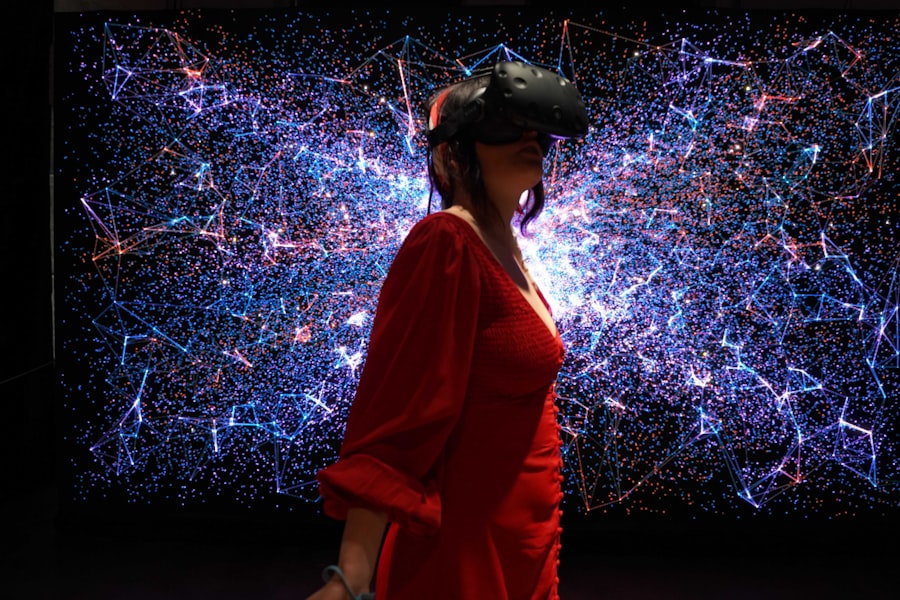
The journey of virtual reality is a continuous evolution, marked by rapid technological advancements that are constantly pushing the boundaries of what is possible.
Higher Fidelity and Resolution: Sharpening the Image
The quest for photorealistic VR experiences is ongoing. Manufacturers are striving for higher display resolutions, approaching or even surpassing human visual acuity, to eliminate the screen-door effect and render virtual worlds with stunning detail. Advanced lens technology is also being developed to minimize visual distortions and improve the perceived sharpness across the entire field of view.
Improved Tracking and Input Methods: Natural Interaction
The accuracy and responsiveness of tracking systems are continuously being refined. Inside-out tracking, which uses cameras on the headset to map the environment, is becoming more prevalent, freeing users from the need for external sensors. New input methods, such as eye-tracking and hand-tracking without controllers, are emerging, aiming to create even more intuitive and seamless interactions within virtual environments.
Eye Tracking: The Gaze as a Controller
Eye-tracking technology, once a niche feature, is becoming a more common and powerful input method in VR. By tracking the user’s gaze, VR systems can infer intent, allowing for faster menu navigation, more natural aiming in games, and even foveated rendering – a technique where only the area the user is directly looking at is rendered at full detail, optimizing performance.
Hand Tracking: The Ultimate Natural Input
The holy grail of VR interaction is unhindered hand tracking. Systems are improving their ability to accurately capture the intricate movements of individual fingers, allowing users to interact with virtual objects using their bare hands. This offers a more intuitive and less encumbering way to manipulate digital elements, making VR feel more like an extension of your own body.
Reduced Latency and Cybersickness: Smoother Journeys
Reducing latency – the delay between your physical action and the resulting visual feedback – is paramount to preventing cybersickness, the disorientation and nausea that can occur in VR. Ongoing research and engineering efforts are focused on minimizing this lag, leading to more comfortable and sustained VR experiences.
Wireless VR and Standalone Headsets: Freedom of Movement
The tether of cables has long been a limitation for VR. The development of robust wireless VR solutions and increasingly powerful standalone headsets is liberating users, allowing for greater freedom of movement and a more unhindered immersion.
Considerations and Challenges in Virtual Reality
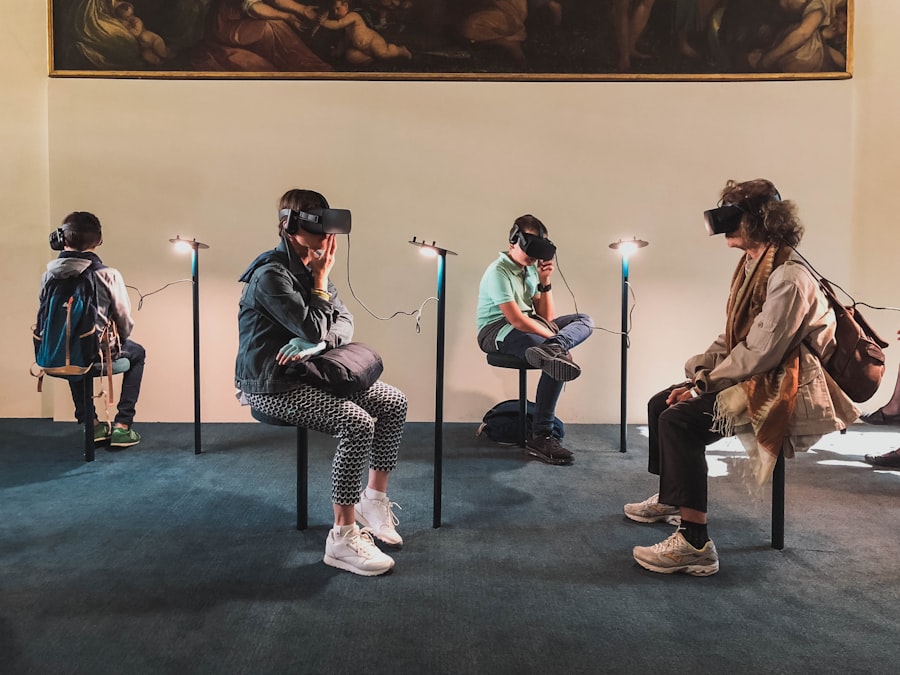
While the potential of VR is vast, it is essential to acknowledge and address the challenges that currently shape its landscape. These are not insurmountable obstacles but rather areas for continued development and thoughtful implementation.
Accessibility and Cost: Breaking Down Barriers
The initial cost of high-end VR hardware can be a significant barrier to widespread adoption. While prices are decreasing, making VR accessible to a broader audience remains a key challenge. Developing more affordable yet capable hardware and content is crucial for democratizing the technology.
Ethical Implications and Social Impact: Navigating New Territories
As VR becomes more pervasive, ethical considerations come to the forefront. Issues such as data privacy, the potential for addiction, the blurring of lines between virtual and real relationships, and the impact on mental well-being require careful examination and responsible development.
Digital Divide and Equity: Ensuring Inclusivity
The accessibility of VR technology can exacerbate existing digital divides. Ensuring that the benefits of VR are available to all, regardless of socioeconomic status or geographical location, is a critical ethical imperative. This includes not only hardware but also access to quality VR educational and vocational content.
Psychological Effects: The Mind in the Machine
The profound immersion of VR can have psychological effects. Concerns about the potential for addiction, the impact on perception of reality, and the possibility of desensitization to real-world violence in violent VR experiences require ongoing research and robust ethical guidelines for content creation and usage.
Content Creation and Ecosystem Development: Building the Interconnected World
The success of VR is intrinsically linked to the availability of compelling content. The development of user-friendly tools and platforms for VR content creation is essential to foster a thriving ecosystem. This includes not only games but also educational applications, simulation tools, and social VR experiences.
The User Experience: Designing for Comfort and Usability
Even with advanced technology, a well-designed user experience is paramount. This involves intuitive interfaces, comfortable ergonomics for headsets and controllers, and content that is engaging without being overwhelming. The goal is to make VR feel natural and effortless, like an extension of your own capabilities.
Virtual reality has been making significant strides in various fields, from gaming to education, transforming the way we interact with digital environments. For those interested in exploring the latest advancements and applications of this technology, a related article can be found on Freaky Science, which delves into the fascinating world of VR innovations. You can read more about it here. This growing interest in virtual reality not only highlights its potential but also raises questions about its impact on our daily lives and future interactions.
The Future Landscape: Where VR is Taking Us
| Metric | Value | Unit | Description |
|---|---|---|---|
| Global VR Market Size (2023) | 30.7 | billion | Estimated market value of virtual reality industry |
| Average VR Headset Resolution | 2160 x 2160 | pixels per eye | Typical display resolution for high-end VR headsets |
| Average Latency | 20 | milliseconds | Time delay between user action and VR system response |
| Field of View (FOV) | 110 | degrees | Typical horizontal field of view in VR headsets |
| Number of Active VR Users (2023) | 57 | million | Estimated global active users of VR technology |
| Average Frame Rate | 90 | frames per second | Recommended frame rate for smooth VR experience |
| VR Content Growth Rate | 35 | percent per year | Annual increase in VR content availability |
The trajectory of virtual reality points towards a future where it becomes an integrated and indispensable part of our lives, seamlessly blending the digital and physical realms.
Augmented Reality and Mixed Reality: The Convergence of Worlds
Virtual reality is not operating in isolation. It is part of a broader spectrum of spatial computing that includes augmented reality (AR) and mixed reality (MR). AR overlays digital information onto the real world, while MR blends the virtual and real, allowing for interactive experiences where digital objects behave as if they are present in your physical space. These technologies are expected to converge, creating increasingly sophisticated and integrated realities.
The Metaverse: A Persistent, Interconnected Virtual Universe
The concept of the “metaverse” envisions a persistent, interconnected network of virtual worlds. In this future, you might seamlessly transition from attending a virtual concert to collaborating on a design project with colleagues across the globe, all within a shared digital space. VR will be a primary interface for accessing and interacting within these evolving metaverses.
Enhanced Social Interaction and Collaboration: Connecting Beyond Distance
VR has the potential to revolutionize how we connect and collaborate. Imagine attending a business meeting with colleagues scattered across different continents, where you can see and interact with them as if you were in the same room. VR can foster a deeper sense of presence and connection in digital interactions, bridging geographical divides.
Virtual Events and Gatherings: Reimagining Shared Experiences
From concerts and conferences to family reunions, VR offers new possibilities for shared experiences. You can attend live events virtually, interacting with other attendees and feeling a sense of communal presence, regardless of your physical location.
Personalized Learning and Healthcare: Tailored Solutions
The ability of VR to create personalized experiences will profoundly impact education and healthcare. Learning programs can adapt to individual needs and paces, and therapeutic interventions can be tailored to specific patient conditions, offering new avenues for healing and well-being.
You stand on the precipice, but now you have a map. The journey into virtual reality is not merely about escaping reality; it is about expanding it. It is about unlocking new possibilities, fostering deeper understanding, and shaping a future where the boundaries between what is real and what is imagined are increasingly fluid. The exploration has just begun.
FAQs
What is virtual reality (VR)?
Virtual reality (VR) is a computer-generated simulation of a three-dimensional environment that can be interacted with using special electronic equipment, such as a VR headset and controllers. It immerses users in a virtual world, often providing sensory experiences like sight and sound.
How does virtual reality technology work?
Virtual reality technology works by creating a digital environment that responds to the user’s movements and actions in real time. VR headsets display stereoscopic images to each eye, creating a sense of depth, while sensors track head and hand movements to allow interaction within the virtual space.
What are common uses of virtual reality?
Virtual reality is used in various fields including gaming, education, healthcare, training simulations, architecture, and virtual tourism. It helps users experience scenarios that might be difficult, dangerous, or expensive to replicate in real life.
What equipment is needed to experience virtual reality?
To experience virtual reality, users typically need a VR headset, which may include built-in displays and sensors. Additional equipment can include hand controllers, motion trackers, and sometimes external sensors or cameras to enhance tracking accuracy.
Are there any health concerns associated with virtual reality?
Some users may experience motion sickness, eye strain, or dizziness when using VR, especially during prolonged sessions. It is recommended to take regular breaks and use VR in a safe environment to minimize these effects.