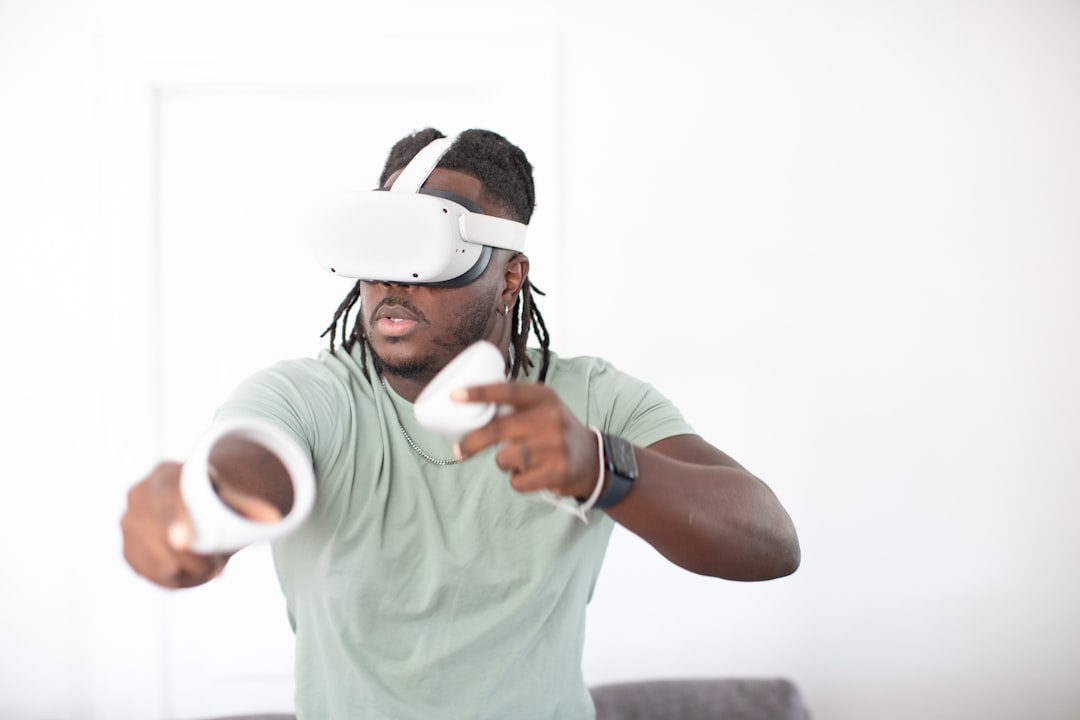
You’ve always been curious, haven’t you? That flicker of “what if” when you hear about people who claim to have left their bodies, floating above themselves and observing their physical forms. For centuries, out-of-body experiences (OBEs) have been the stuff of mystics, poets, and whispered tales. But what if you could explore these profound, often disorienting phenomena in a controlled, scientific setting? What if, instead of relying on anecdotal evidence and spiritual interpretations, you could delve into the very mechanisms that might give rise to such experiences, all within the sterile, yet fascinating, environment of a virtual reality (VR) laboratory?
This is no longer just a hypothetical. As VR technology matures, it’s opening up unprecedented avenues for scientific inquiry into the nature of consciousness and self. VR labs are becoming crucibles where the boundary between the physical and the simulated blurs, allowing researchers to meticulously craft scenarios that can induce subjective sensations remarkably akin to OBEs. You’re about to embark on a journey into this emerging field, where cutting-edge technology meets the age-old enigma of the self.
The idea of a “self” is a complex tapestry woven from sensory input, proprioception, memory, and a host of internal cognitive processes. Normally, this tapestry is held together by the constant, reliable feedback loop between your brain and your physical body. Your senses tell your brain where your arms and legs are, what they’re touching, and the general orientation of your physical form in space. This is the bedrock of your embodied existence.
Decoding Embodiment
Embodiment, in the context of neuroscience and psychology, refers to the feeling of being present in and connected to your physical body. It’s the fundamental sense of “you-ness” that anchors you to your physical form. This sensation is not static; it’s a dynamic construction that your brain constantly updates based on incoming sensory data.
The Role of Proprioception and Interoception
Proprioception, often called the “sixth sense,” is your body’s ability to sense its own position, movement, and orientation. It’s how you know where your limbs are without having to look at them. Interoception, on the other hand, is your sense of the internal state of your body – your heartbeat, breathing, hunger, and pain. Together, these two provide a crucial layer of information that underpins our feeling of embodiment.
Multisensory Integration and the Body Schema
Your brain doesn’t process sensory information in isolation. It meticulously integrates inputs from various senses – vision, touch, sound, and even smell – to create a coherent representation of your body and its surroundings. This internal map is known as the body schema, a constantly updated model that allows you to interact effectively with the world and maintain a stable sense of self.
VR as a Simulator of Sensory Input
Virtual reality, at its core, is a sophisticated tool for manipulating sensory input. By presenting carefully constructed visual, auditory, and sometimes even tactile stimuli, VR can create immersive environments that can trick your brain into believing it’s somewhere else entirely. This ability to override or supplement real-world sensory information is what makes VR a powerful tool for investigating embodiment.
Visual Deprivation and Alteration
In many VR-based OBE experiments, researchers manipulate what you see. This can involve presenting a virtual body that is not aligned with your physical one, or even temporarily removing your visual feedback of your own body. This visual mismatch is a key catalyst in many VR-induced OBEs.
Haptic Feedback and Embodied Illusions
Tactile feedback, delivered through haptic devices, plays a crucial role in reinforcing the sense of embodiment. When a virtual object feels like it’s being touched, or when a virtual body replicates your movements with accurate tactile sensation, the illusion of being present in the virtual form becomes stronger.
Recent advancements in virtual reality technology have led to the development of innovative out-of-body experience labs, where participants can explore their consciousness in immersive environments. These labs are designed to simulate the sensation of leaving one’s physical body, providing insights into the nature of perception and self-awareness. For more information on this fascinating topic, you can read a related article at Freaky Science.
Crafting the Illusion: The Rubber Hand Experiment in the Digital Realm
You might be familiar with the classic “rubber hand illusion.” In this experiment, a person’s actual hand is hidden from view, and a realistic rubber hand is placed in front of them. When both the hidden hand and the rubber hand are stroked simultaneously, many people report feeling as though the rubber hand is their own. VR labs have taken this principle and amplified it, creating immersive scenarios that can induce far more profound illusory ownership over virtual limbs.
The Triadic Approach: Vision, Touch, and Synchrony
The most effective VR OBE paradigms often involve a tripartite approach, leveraging the interplay between:
Visual Correspondence
This is perhaps the most intuitive aspect. When you see a virtual body in front of you, and that virtual body moves in perfect synchrony with your own physical movements, your brain begins to form a connection. The disparity between seeing one body and feeling another is a powerful dissociative force.
The Disembodiment Protocol
In a typical disembodiment protocol, you might be placed in a virtual environment and shown a virtual avatar representing yourself. This avatar is then manipulated in ways that are distinct from your physical movements. For instance, the virtual you might be seen from a third-person perspective, moving independently or even appearing to be miles away, while you remain stationary or move differently.
The Embodiment Protocol
Conversely, the embodiment protocol focuses on creating an overwhelming sense of ownership over a virtual body. This is achieved by ensuring that the visual representation of the virtual body precisely mirrors your own movements, often with a slight delay that can enhance the sense of presence.
Tactile Congruence
When the visual feedback of interacting with the virtual world is matched by corresponding tactile sensations delivered through haptic devices, the illusion of embodiment is significantly strengthened.
The Synchronized Stroking Paradigm
Similar to the original rubber hand experiment, researchers might use synchronized stroking. As you are touched on your real arm, a virtual arm in your field of view is simultaneously touched in the corresponding location. This simultaneity is a critical factor in creating the feeling of the virtual limb being your own.
Proprioceptive Disruption
In some advanced setups, proprioceptive information itself might be manipulated. For example, you might be asked to move your arm to a specific target in the virtual environment, but the visual feedback you receive is subtly altered, creating a discrepancy between what you “feel” you are doing and what you “see” yourself doing.
Temporal Synchrony
The timing of sensory input is paramount. When visual and tactile stimuli are perfectly synchronized with your body’s movements, the brain is more likely to integrate these disparate signals into a coherent experience.
The Latency Effect
The introduction of deliberate latency, or delay, between your physical movement and its visual representation can actually enhance certain OBE-like sensations. A slight delay can sometimes create a sensation of your virtual body acting “ahead” of your physical one, contributing to a feeling of dissociation.
The “Body-Switching” Phenomenon
In some extreme cases, researchers have observed participants reporting a sensation of “body-switching,” where they momentarily feel as though their consciousness has entirely transferred to the virtual body, and their physical body has become detached.
Inducing Dissociation: The Journey Beyond the Physical Form
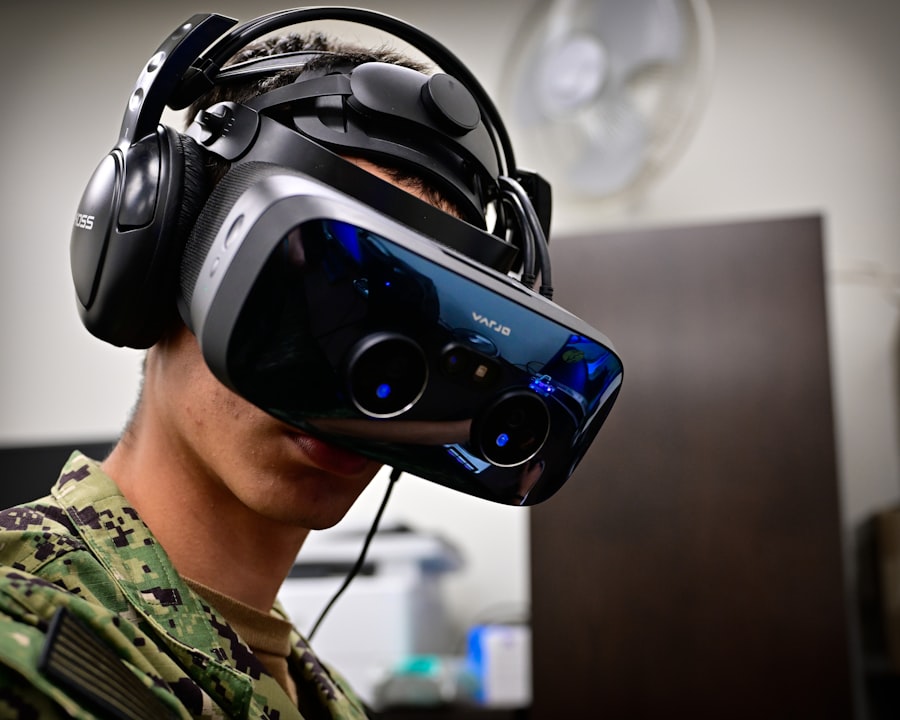
The fundamental goal of many VR OBE experiments is to induce a state of dissociation, where the strong, ingrained connection between your mind and your physical body is temporarily weakened or disrupted. This dissociation can manifest in various ways, mimicking the subjective reports of individuals who have experienced spontaneous OBEs.
The Visual Perspective Shift
A common trigger for OBEs, both spontaneous and induced, is a change in visual perspective. When you are no longer seeing the world from your own eyes, when you are observing yourself from an external vantage point, the sense of embodied self can begin to unravel.
The Third-Person Viewport
Imagine looking at a screen, or through a headset, and seeing a virtual representation of yourself moving through a virtual environment. You are controlling this avatar, but you are also watching it from a distance, as if you were another observer. This shift in perspective is a powerful dissociative tool.
The Floating Camera
In many experiments, the virtual camera isn’t fixed to the avatar’s head. Instead, it might float independently, offering a bird’s-eye view or an oblique angle. This disassociation of the viewpoint from the body’s sensory input is a core element.
The Body-Swap Illusion
When the duration and fidelity of this third-person perspective are sufficiently high, some participants report a powerful illusion of having swapped bodies, momentarily feeling that the virtual avatar is them, and their physical body is the detached observer.
Sensory Mismatch and Conflict
The brain thrives on consistency. When the sensory information it receives is contradictory, it can lead to a reorganization of perceptual and cognitive processes, sometimes resulting in dissociative phenomena.
Proprioceptive-Visual Discrepancy
This occurs when your sense of where your body is in space (proprioception) doesn’t match what you see (vision). If you feel your arm is at your side, but you see it extended out in front of you in VR, your brain is receiving conflicting information.
The Anosognosia Effect (Adapted)
While not a true neurological anosognosia, the VR analogue involves a temporary lack of awareness or recognition of one’s own physical body, replaced by an immersive sense of being the virtual body.
Auditory-Visual Asynchrony
If the sounds you hear coming from the virtual environment don’t match the visual cues or your own physical actions, this can also contribute to a sense of unease and dissociation.
The Role of Expectation and Suggestion
While the technology provides the framework, your own expectations and the way the experiment is presented can also play a significant role in the subjective experience.
Pre-Experiment Briefing
What you are told before entering the VR environment can subtly prime your experience. Researchers carefully design these briefings to guide participants towards a particular subjective outcome without overtly suggesting it.
Leading Questions Post-Experiment
The questions researchers ask after the VR session can also influence how participants interpret their experiences. Carefully crafted questions allow participants to articulate their feelings of dissociation and embodiment without being fed the answers.
Subjective Reports and Objective Correlates
The ultimate measure of an OBE, whether spontaneous or induced, is the subjective report of the individual experiencing it. However, in a lab setting, researchers aim to go beyond mere subjective accounts, looking for objective neurological or physiological correlates that might underpin these experiences.
Phenomenological Accounts of VR-Induced OBEs
Participants in VR OBE experiments often describe a range of sensations mirroring those reported in spontaneous OBEs:
Out-of-Body Sensations
The feeling of floating, of being detached from one’s physical body, and of observing oneself from an elevated or external viewpoint are commonly reported.
The Sense of Levitation
Subjects may describe a distinct sensation of being lifted or buoyant, separate from the grounded reality of their physical form.
Visualizing Oneself from Afar
A frequent report is the uncanny experience of seeing one’s own body, often the virtual representation, from a distance.
Altered Perceptions of Self and Body
The boundary between the self and the external world can become blurred, leading to a fundamental shift in how one perceives their own physicality.
Body Transfer Illusions
The feeling of consciousness fully residing within the virtual body, accompanied by a detachment from the physical form, is a profound subjective report.
Distortions of Body Image
Participants may report sensations of their virtual body being larger, smaller, or having different proportions than their physical body.
Neurophysiological Investigations
Researchers are employing a range of tools to monitor brain activity and physiological responses during these VR-induced OBEs.
Brain Imaging Techniques
- fMRI (functional Magnetic Resonance Imaging): This allows researchers to observe brain activity in real-time as participants experience VR-induced OBEs, looking for changes in specific brain regions associated with self-perception, body representation, and sensory integration.
- EEG (Electroencephalography): This technique measures electrical activity in the brain using electrodes placed on the scalp. It can reveal changes in brainwave patterns that might correlate with altered states of consciousness.
Physiological Measurements
- Heart Rate Variability (HRV): Changes in heart rate variability can be indicative of stress or altered states of arousal, which might be associated with dissociative experiences.
- Skin Conductance: This measures the electrical conductivity of the skin, which is affected by sweat gland activity and can reflect emotional or cognitive arousal.
Correlating Subjective and Objective Data
The ultimate aim is to establish a link between the subjective experiences reported by participants and the objective physiological and neurological data collected. This helps to validate the findings and move towards a scientific understanding of the underlying mechanisms.
Recent advancements in virtual reality have opened up fascinating possibilities for out-of-body experiences, allowing individuals to explore new dimensions of consciousness. For those interested in the science behind these experiences, a related article can be found at Freaky Science, which delves into the latest research and experiments conducted in VR labs. These innovations not only enhance our understanding of perception but also challenge the boundaries of human experience, making it an exciting time for both scientists and enthusiasts alike.
The Ethical Landscape of Conscious Delving
| Lab Name | Location | Number of VR Stations | Types of Experiences Offered |
|---|---|---|---|
| Virtual Realms Lab | Los Angeles, CA | 10 | Astral Projection, Mindfulness Journeys |
| Out of Body VR | New York, NY | 8 | Lucid Dreaming, Shamanic Journeys |
| VR Escape Realms | San Francisco, CA | 12 | Transcendental Meditation, Hypnotic Adventures |
Exploring the depths of consciousness, especially in ways that can temporarily alter one’s sense of self, is not without its ethical considerations. VR labs navigating this frontier must tread with care, ensuring the well-being and informed consent of all participants.
Informed Consent and Risk Assessment
Before stepping into the simulated world, you must be fully aware of what you’re consenting to. This isn’t like agreeing to a simple game; you’re agreeing to potentially experience profound shifts in your perception of reality.
Transparency in Experimental Design
Researchers have a duty to be completely transparent about the purpose of the study, the potential subjective experiences participants might encounter, and any associated risks.
Debriefing Protocols
A thorough debriefing process after the experiment is crucial. It’s not just about collecting data; it’s about helping participants process any unsettling experiences and ensuring they return to their baseline state of self.
Mitigating Potential Discomfort
While the goal isn’t to induce distress, the nature of OBE-like phenomena can be disorienting for some. Protocols must be in place to immediately stop the experiment if a participant experiences significant discomfort or distress.
The Blurring Lines of Reality
As VR becomes more convincing, the question of where the simulation ends and reality begins becomes more pertinent. This is especially true when dealing with experiences that challenge one’s fundamental sense of self.
Post-VR Integration
What happens when you disconnect the headset? How does your brain reintegrate the virtual experience with your physical reality? Research into this area is crucial for understanding the long-term effects.
Grounding Techniques
For participants who might feel lingering disorientation, post-experimental grounding techniques can be employed to help them re-establish their connection to their physical body and surroundings.
The Potential for Misinterpretation
The uncanny nature of VR-induced OBEs could lead to misinterpretations of personal identity or reality if not handled carefully within the scientific context.
Applications Beyond the Laboratory
While the immediate focus is on understanding consciousness, the insights gained from these VR-based OBE explorations could have broader implications.
Therapeutic Interventions
Could understanding and inducing temporary dissociative states have therapeutic applications for conditions involving distorted body image, chronic pain, or even PTSD, under strict clinical supervision?
Pain Management
Research suggests that altering one’s subjective experience of their body could potentially offer new avenues for managing chronic pain by shifting the focus away from the physical sensation.
Mental Health Applications
The ability to temporarily detach from one’s physical self, under controlled conditions, might offer unique therapeutic pathways for certain psychological conditions.
The exploration of out-of-body experiences in virtual reality labs is a testament to human curiosity and our relentless pursuit to understand the fundamental nature of ourselves. You stand at the precipice of a new era of self-discovery, where technology becomes a key to unlocking the mysteries of consciousness, one simulated sensation at a time. The journey is far from over, and as you delve deeper into these virtual realms, you might just discover more about your own embodied self than you ever imagined.
FAQs
What is a virtual reality out of body experience lab?
A virtual reality out of body experience lab is a facility equipped with virtual reality technology that allows individuals to experience a sense of being outside of their physical bodies. This technology creates a simulated environment that can induce the sensation of leaving one’s body and exploring the virtual world from a different perspective.
How does a virtual reality out of body experience lab work?
Virtual reality out of body experience labs typically use head-mounted displays, motion tracking sensors, and immersive audio to create a realistic and immersive virtual environment. By manipulating sensory input, such as visual and auditory cues, the lab can induce the sensation of being detached from one’s physical body and experiencing the virtual world from a different vantage point.
What are the potential applications of virtual reality out of body experience labs?
Virtual reality out of body experience labs have potential applications in various fields, including psychology, neuroscience, and mental health therapy. Researchers and practitioners can use these labs to study the nature of consciousness, self-perception, and the effects of altered states of awareness. Additionally, virtual reality out of body experiences may have therapeutic potential for individuals dealing with anxiety, trauma, or chronic pain.
Are there any ethical considerations associated with virtual reality out of body experience labs?
The use of virtual reality out of body experience labs raises ethical considerations related to the manipulation of perception and the potential impact on individuals’ mental and emotional well-being. Researchers and practitioners must consider issues such as informed consent, participant safety, and the potential for inducing distress or confusion. Ethical guidelines and oversight are important to ensure responsible and respectful use of this technology.
What are the limitations of virtual reality out of body experience labs?
While virtual reality out of body experience labs can create compelling and immersive experiences, they are still limited by the current capabilities of virtual reality technology. Factors such as visual fidelity, motion sickness, and the fidelity of sensory feedback may impact the realism and effectiveness of the out of body experience. Additionally, individual responses to virtual reality experiences can vary, and not everyone may be able to achieve the desired sensation of leaving their physical body.