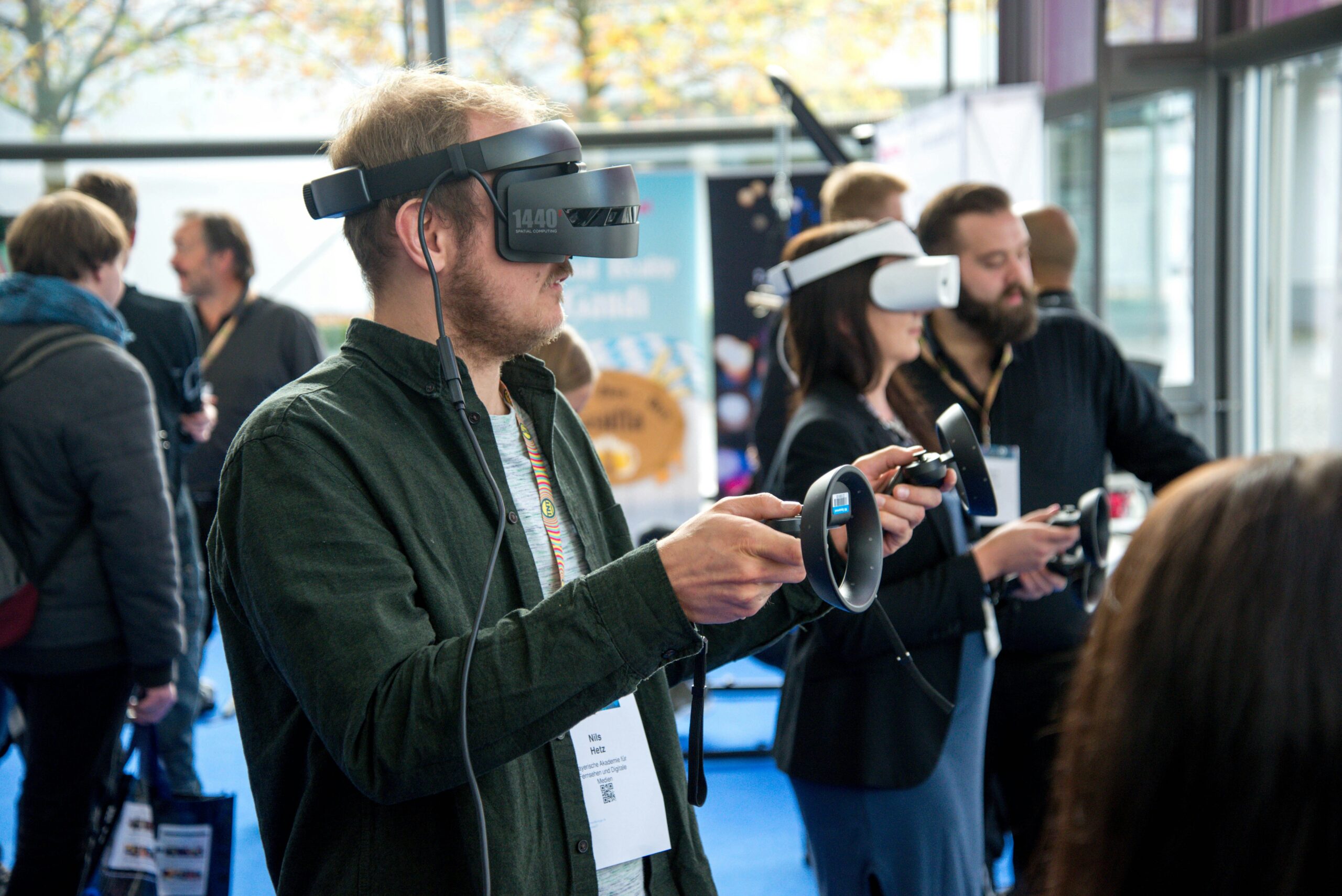
You stand on the precipice of worlds unseen, a digital frontier beckoning with promises of experiences that transcend the ordinary. Virtual Reality (VR) is no longer a pipe dream confined to science fiction; it is a tangible technology, steadily unfolding its potential to reshape how you learn, work, and entertain yourself. This exploration delves into the multifaceted capabilities of VR, examining its present applications and forecasting its future trajectory, all through your eyes as the active participant in this emerging landscape.
Virtual Reality, at its core, is an intricate dance between hardware and software designed to fool your senses into believing you are present in a simulated environment. This meticulously crafted illusion is built upon several foundational pillars.
The Headset: Your Gateway to the Digital Canvas
The most visible component of any VR system is the head-mounted display (HMD), colloquially known as the headset. This device serves as your personal portal, wrapping your field of vision with high-resolution displays. These displays, positioned close to your eyes, are typically OLED or LCD panels, chosen for their ability to render vibrant colors and deep blacks, crucial for a convincing visual experience.
Pixel Density and the Screen Door Effect
The clarity of the virtual world is directly tied to the pixel density of the HMD’s displays. A higher pixel count means more detail and less of the infamous “screen door effect,” where you can discern the individual pixels, appearing like looking through a fine mesh screen. Manufacturers are continually striving for higher resolutions, pushing beyond 4K per eye to achieve a photorealistic fidelity.
Field of View: Expanding Your Digital Horizon
The field of view (FOV) dictates how much of the virtual world you can perceive at any given moment. A wider FOV mimics more closely the natural human peripheral vision, contributing significantly to immersion. Early VR headsets were characterized by narrow FOVs, akin to looking through binoculars. Modern iterations are expanding this, aiming for a 100-degree or even wider FOV to create a more encompassing sensory experience.
Refresh Rate: The Rhythm of Reality
The refresh rate, measured in Hertz (Hz), determines how many times per second the image on the display is updated. A higher refresh rate, typically 90Hz or 120Hz, is essential for smooth motion and to prevent motion sickness. Think of it as the frame rate of your personal cinema; a jerky, stuttering film is disorienting, and so too is a low refresh rate in VR.
Tracking: Grounding You in the Virtual Space
Beyond visual input, VR systems employ sophisticated tracking mechanisms to translate your physical movements into the digital realm. This allows you to look around, walk, and interact with the virtual environment naturally.
Inside-Out Tracking: The Autonomous Navigator
Many modern VR headsets utilize “inside-out” tracking. This technology employs cameras embedded within the headset itself to map the surrounding physical space and track the headset’s position and orientation. This eliminates the need for external sensors, offering greater freedom of movement and simplifying setup. These cameras act as your eyes, constantly scanning the real world to anchor your virtual presence.
Outside-In Tracking: The Sentinel System
In contrast, “outside-in” tracking relies on external sensors or base stations placed within your play area. These sensors emit infrared light or lasers, which are then detected by sensors on the headset and controllers. While requiring more setup, this method can offer very precise and robust tracking, especially in larger or more complex environments. These are like silent sentinels, meticulously charting your every move.
Hand and Controller Tracking: The Embodiment of Action
Accurate tracking extends to your hands and controllers, allowing for intuitive interaction within VR. Controllers often feature gyroscopes and accelerometers to detect their orientation and movement. Some systems also offer direct finger tracking, providing a more nuanced and natural way to manipulate virtual objects. This is where your digital avatar gains its dexterity.
Audio: The Unseen Dimension of Presence
While visuals may be the most lauded aspect of VR, spatial audio plays an equally critical role in fostering a sense of presence. High-quality VR audio systems are designed to simulate how sound behaves in the real world, with sound sources appearing to emanate from specific directions and distances.
Binaural Audio: The Illusion of Depth
Binaural audio, often employed in VR, uses two microphones to record sound, mimicking how human ears perceive sound. When played back through headphones, this creates a three-dimensional soundscape, allowing you to pinpoint the origin of every rustle and whisper. It’s like having an invisible orchestra playing just for you, precisely where it should be.
Sound Propagation and Occlusion: Realism in Every Echo
Advanced VR audio engines simulate how sound waves interact with virtual objects, including reflections and occlusion (when an object blocks sound). This level of detail contributes to a more believable and immersive environment, where sounds are not just heard but experienced as they would be in reality.
Virtual reality (VR) has been making significant strides in various fields, from gaming to education and therapy. For those interested in exploring the latest advancements and applications of VR technology, a related article can be found at Freaky Science. This article delves into the innovative ways VR is transforming experiences and enhancing learning opportunities, making it a must-read for enthusiasts and professionals alike.
Applications Transforming Industries
VR’s potential extends far beyond gaming and entertainment, permeating various sectors and offering transformative solutions. You are at the cusp of witnessing industries fundamentally altered by this technology.
Education and Training: Learning by Doing, Not Just Seeing
The traditional classroom, a passive conduit of information, is being augmented and in some cases, supplanted by VR’s active learning paradigms. Instead of merely reading about historical events, you can now step into them.
Immersive Historical Recreations: A Time Machine for the Mind
Imagine walking through ancient Rome, experiencing the bustling Forum firsthand, or standing on the deck of a ship during a pivotal naval battle. VR can bring history alive, offering a visceral and memorable learning experience that textbooks simply cannot replicate. You become the archaeologist, the explorer, the witness.
Medical and Surgical Training: Practicing Without Peril
For aspiring surgeons and medical professionals, VR provides a safe and repeatable training ground. Complex surgical procedures can be practiced countless times in a realistic simulation without any risk to patients. This allows for the refinement of skills and the development of muscle memory in a consequence-free environment. It’s like having an anatomy lab that bleeds digital blood.
Technical Skill Development: From Assembly Lines to Astronaut Training
Industries requiring hands-on technical skills, from manufacturing and engineering to aviation and aerospace, are leveraging VR for training. Complex machinery can be operated, hazardous environments can be simulated, and emergency procedures can be rehearsed with unprecedented fidelity. This accelerates learning curves and reduces the cost associated with physical training equipment and potential accidents.
Design and Engineering: Visualizing the Intangible
Before a single brick is laid or a component is manufactured, VR allows designers and engineers to visualize and interact with their creations in full scale, revolutionizing the design process.
Architectural Walkthroughs: Experiencing Buildings Before They Exist
Architects can create detailed virtual models of buildings, allowing clients to walk through spaces, assess layouts, and make informed decisions before construction begins. This preempts costly design changes and ensures clear communication of the envisioned structure. You can virtually inhabit your future home before the foundation is even poured.
Product Prototyping and Iteration: Accelerating Innovation
In fields like automotive and product design, VR enables rapid prototyping and iterative refinement. Engineers can examine virtual prototypes, test ergonomics, and identify potential flaws without needing to manufacture physical models, significantly speeding up the innovation cycle. It’s like having a digital claymation studio where your ideas take tangible form instantly.
Collaborative Design Spaces: Bridging Geographical Divides
VR is fostering collaborative design environments where teams, regardless of their physical location, can convene in a shared virtual space to review designs, provide feedback, and jointly brainstorm solutions. This breaks down geographical barriers and promotes a more dynamic and responsive design process. Your team meetings are no longer confined to a conference room but can span continents.
Entertainment and Gaming: Escaping the Mundane
The entertainment industry was one of the earliest adopters of VR, and its impact has been profound, offering experiences that push the boundaries of what you consider entertainment.
Immersive Gaming Worlds: Stepping Into the Game
VR gaming offers an unparalleled level of immersion. Instead of controlling an avatar from the outside, you are the avatar. The world unfolds around you, and your actions have direct and immediate consequences within the game. This creates a deeply engaging and often thrilling experience. The passive observer becomes the active protagonist.
Virtual Tourism and Exploration: Traveling Without Leaving Home
VR enables you to explore far-flung destinations, from the depths of the ocean to the surface of Mars, without ever leaving your living room. This opens up travel opportunities to those who may be physically or financially unable to visit these locations in person. Your armchair becomes a portal to the planet and beyond.
Interactive Storytelling and Cinematic Experiences: Redefining Narrative
VR is also pushing the envelope of narrative storytelling. Interactive films allow you to influence the plot, and VR documentaries provide a powerful sense of presence, allowing you to experience events from a first-person perspective. You are no longer just watching a story; you are a participant in its unfolding.
Healthcare and Therapy: Healing Through Simulated Realities
Beyond surgical training, VR is proving to be a powerful tool in therapeutic interventions, addressing a range of mental and physical health challenges.
Pain Management and Distraction Therapy: Alleviating Suffering
VR has shown promise in managing chronic pain and providing distraction during painful medical procedures. By immersing patients in calming or engaging virtual environments, their focus is shifted away from discomfort, reducing the perceived intensity of pain. It’s like a mental anesthetic, guiding your mind away from the physical.
Exposure Therapy for Phobias and PTSD: Confronting Fears Safely
For individuals suffering from phobias or post-traumatic stress disorder (PTSD), VR offers a controlled and safe environment to confront their fears. Therapists can gradually expose patients to simulated triggering situations, allowing them to process and overcome their anxieties in a supported setting. You can face your dragons in a dragon-proof arena.
Rehabilitation and Physical Therapy: Gamified Recovery
VR can make physical rehabilitation more engaging and motivating. Gamified exercises and virtual environments can encourage patients to perform repetitive movements, improving motor skills and accelerating recovery after injuries or strokes. The drudgery of recovery is transformed into a playful pursuit.
The Future Horizons: What Lies Ahead for Virtual Reality
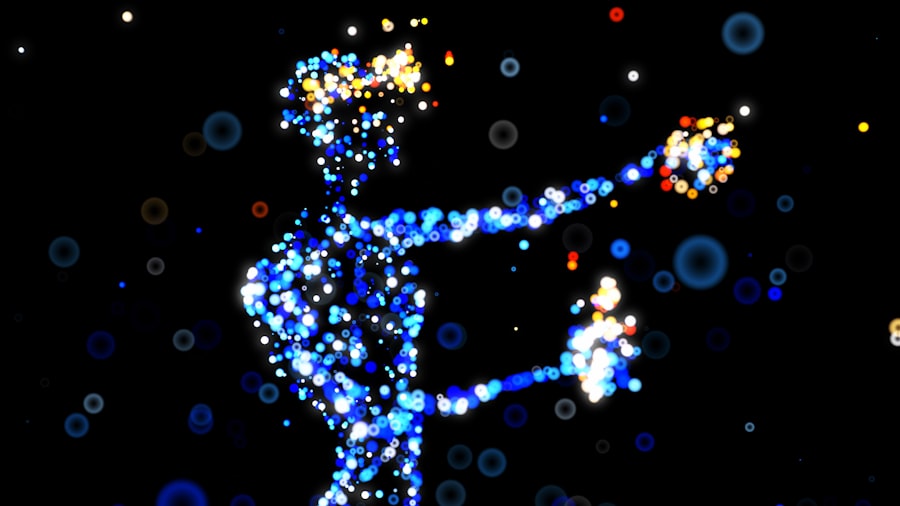
The current state of VR is impressive, but it represents only the nascent stages of its potential. The trajectory of its development promises even more profound transformations.
Enhanced Realism and Fidelity: Blurring the Lines Further
The relentless pursuit of visual and auditory fidelity will continue to be a driving force. Expect higher resolution displays, wider fields of view, and more sophisticated rendering techniques that will make virtual worlds indistinguishable from reality. The pixel dust will settle, and the digital canvas will become a mirror of the physical.
Photorealistic Graphics: A Visual Revelation
As processing power increases and rendering algorithms become more advanced, the graphical fidelity of VR experiences will approach photorealism. This will deepen the sense of presence and make virtual environments even more believable. The uncanny valley will become a distant memory.
Haptic Feedback and Sensory Augmentation: Feeling the Virtual World
Beyond sight and sound, the development of advanced haptic feedback systems will allow you to feel the virtual world. Gloves, vests, and even full-body suits will simulate textures, resistance, and temperature, adding a crucial tactile dimension to VR. Imagine feeling the rough bark of a virtual tree or the warmth of a virtual sun.
Increased Accessibility and Affordability: Bringing VR to the Masses
Currently, high-end VR systems can be a significant investment. However, as the technology matures and production scales, you can anticipate VR hardware becoming more affordable and accessible to a broader population. This democratization of the technology will unlock its widespread adoption. The digital frontier will extend to every home.
Standalone VR Headsets: Unfettered Exploration
The rise of standalone VR headsets, which do not require a powerful PC to operate, has already made VR more convenient. This trend will continue, with increasingly powerful and versatile all-in-one devices entering the market. You’ll be able to slip on a headset and step into another world without being tethered.
Improved User Interfaces and Ergonomics: Simplicity in Complexity
Efforts will focus on making VR interfaces more intuitive and comfortable for extended use. Streamlined controls, lighter headsets, and better ergonomic designs will reduce friction and make VR a more seamless part of your digital life. The barrier to entry will become a welcoming threshold.
Integration with Augmented Reality (AR): The Blended Reality Era
The lines between virtual and augmented reality are beginning to blur. The future may see devices that seamlessly blend the two, allowing for dynamic experiences where digital elements are overlaid onto the real world, or where virtual and real environments merge. We are moving towards a future where the “real” and the “virtual” are not distinct but interwoven.
Mixed Reality Experiences: The Best of Both Worlds
Mixed Reality (MR) devices combine aspects of both VR and AR, allowing users to interact with both virtual objects and their physical surroundings. This opens up possibilities for highly interactive and context-aware applications. Your physical space becomes a canvas for digital creation.
The Evolution of Social VR: Connecting in New Dimensions
Social VR platforms are already enabling people to connect and interact in virtual spaces. As the technology advances, these platforms will become more sophisticated, offering richer and more meaningful social experiences that rival or even surpass in-person interactions. Your social circle will no longer be limited by geography but by your avatar’s reach.
Realistic Avatars and Expressive Interactions: True Digital Embodiment
Future social VR will feature highly realistic avatars that accurately reflect your appearance and movements, allowing for more natural and expressive communication. This will foster deeper connections and a stronger sense of social presence. You won’t just see your friends; you’ll truly be with them.
Shared Virtual Worlds and Persistent Environments: Living in the Metaverse
The concept of the “metaverse,” persistent, interconnected virtual worlds where users can socialize, work, play, and create, is gaining momentum. As VR technology evolves, these metaverses will become increasingly sophisticated and integrated into our digital lives. Your digital life will extend into shared, enduring realities.
The Ethical and Societal Considerations: Navigating the New Landscape

As VR technology matures, it brings with it a new set of ethical and societal challenges that demand careful consideration. You are not just a consumer of this technology; you are a participant in shaping its future.
Privacy and Data Security: Protecting Your Digital Footprint
VR systems collect vast amounts of data about your behavior, preferences, and even your physical reactions. Ensuring the privacy and security of this data is paramount. Robust regulations and responsible data handling practices will be crucial to building trust. Your every gaze and gesture could become a data point; vigilance is key.
Biometric Data and Surveillance Concerns: The All-Seeing Eye
The potential for collecting sensitive biometric data, such as eye movements and physiological responses, raises concerns about surveillance and potential misuse. Clear guidelines and user consent mechanisms are vital.
Data Ownership and Exploitation: Who Owns Your Virtual Self?
Questions surrounding the ownership of data generated within VR environments and the potential for its exploitation by corporations will need to be addressed through legal and ethical frameworks.
Psychological and Social Impact: The Double-Edged Sword of Immersion
While VR offers immense benefits, prolonged or excessive use could have unforeseen psychological and social consequences.
Addiction and Escapism: The Siren Song of the Virtual
The highly immersive nature of VR could lead to addictive behaviors and an unhealthy reliance on virtual worlds as an escape from real-world problems. Establishing healthy usage habits and promoting digital well-being will be important.
The Blurring of Reality and Virtual Identity: Who Am I?
As individuals spend more time in virtual environments, the lines between their real-world and virtual identities may blur, potentially impacting self-perception and social interactions. Navigating this duality will be a unique challenge.
Social Isolation and Real-World Disconnection: The Paradox of Connection
Ironically, while VR can facilitate connections, excessive immersion might lead to social isolation in the physical world. Striking a balance between virtual and real-world relationships is essential for overall well-being.
Accessibility and Inclusivity: Ensuring VR is for Everyone
As VR becomes more prevalent, it is crucial to ensure that it is designed and implemented in a way that is accessible and inclusive to all individuals, regardless of their physical or cognitive abilities.
Design for Disabilities: Breaking Down Barriers
VR developers must prioritize inclusive design principles, creating experiences that can be enjoyed by individuals with visual, auditory, motor, or cognitive impairments. This requires proactive consideration during the design phase.
Bridging the Digital Divide: Equity in Access
Efforts must be made to ensure that access to VR technology and the opportunities it presents are not limited to privileged demographics. Addressing the digital divide will be key to realizing the full potential of VR for society as a whole.
Virtual reality has been making waves in various fields, from gaming to education, and its potential continues to expand. For those interested in exploring the latest advancements and applications of this technology, a related article can be found at Freaky Science, which delves into the innovative ways VR is transforming our experiences and interactions. As we embrace this immersive technology, it is fascinating to consider how it will shape our future.
Conclusion: Your Journey into the Uncharted
| Metric | Value | Unit | Description |
|---|---|---|---|
| Average Frame Rate | 90 | FPS | Recommended minimum frame rate for smooth VR experience |
| Field of View | 110 | Degrees | Typical horizontal field of view in VR headsets |
| Latency | 20 | Milliseconds | Average motion-to-photon latency for VR systems |
| Resolution per Eye | 1832 x 1920 | Pixels | Common display resolution per eye in high-end VR headsets |
| Tracking Accuracy | 0.1 | Degrees | Typical angular tracking accuracy of VR headsets |
| Average Session Length | 45 | Minutes | Average duration of a VR session for users |
| Market Growth Rate | 21 | Percent (Annual) | Projected annual growth rate of the VR market |
You stand on the threshold of a new era, an era defined by the boundless possibilities of virtual reality. From transforming industries to enriching your personal experiences, VR is poised to become an integral part of your life. As you venture further into these uncharted territories, remember that this technology is a tool, and like any tool, its impact is shaped by how you wield it. The potential is immense, and the journey is just beginning. Embrace the exploration, engage with critical awareness, and help shape a future where virtual reality serves to enhance, not diminish, your humanity. The digital cosmos awaits your exploration.
FAQs
What is virtual reality (VR)?
Virtual reality (VR) is a computer-generated simulation of a three-dimensional environment that can be interacted with using special electronic equipment, such as a VR headset and controllers. It immerses users in a virtual world, often providing sensory experiences like sight, sound, and sometimes touch.
How does virtual reality technology work?
Virtual reality technology works by creating a digital environment that responds to the user’s movements and actions. VR headsets display stereoscopic images to each eye, creating a sense of depth, while sensors track head and hand movements to allow interaction within the virtual space. Audio and haptic feedback enhance the immersive experience.
What are common applications of virtual reality?
Virtual reality is used in various fields including gaming, education, healthcare, training simulations, architecture, and virtual tourism. It allows users to practice skills, explore environments, or experience scenarios that might be difficult or impossible in real life.
What equipment is needed to experience virtual reality?
To experience virtual reality, users typically need a VR headset, which may include built-in displays and sensors. Additional equipment can include hand controllers, motion trackers, and sometimes external sensors or cameras. Some VR systems require a powerful computer or gaming console, while others are standalone devices.
Are there any health concerns associated with virtual reality?
Some users may experience motion sickness, eye strain, or dizziness when using virtual reality, especially during prolonged sessions. It is recommended to take regular breaks and use VR in a safe environment. People with certain medical conditions should consult a doctor before using VR technology.