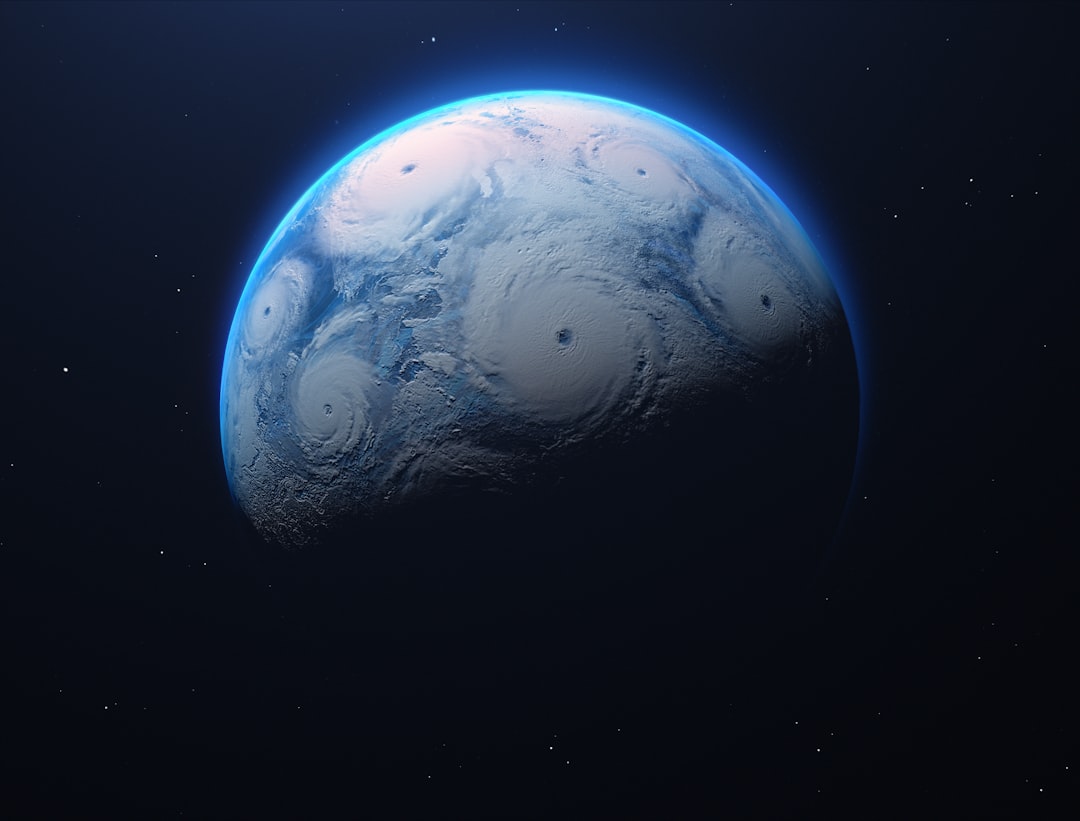
The quest to understand the universe has led humanity to explore the vast expanse of space, with a particular focus on the search for exoplanets—planets that orbit stars outside our solar system. Among the myriad of questions that arise in this exploration, one of the most compelling is whether any of these distant worlds could harbor life. Central to this inquiry is the concept of habitability zones, regions around stars where conditions may be just right for life as we know it.
These zones are not merely theoretical constructs; they represent a critical framework for astrobiologists and astronomers alike, guiding their search for extraterrestrial life. Habitability zones are often referred to as the “Goldilocks zones” of the cosmos, where conditions are neither too hot nor too cold, but just right for liquid water to exist on a planet’s surface. This notion stems from the understanding that water is essential for life as it exists on Earth.
As scientists delve deeper into the characteristics and dynamics of these zones, they uncover a complex interplay of factors that influence a planet’s potential to support life. The exploration of habitability zones not only enhances our understanding of planetary systems but also raises profound questions about our place in the universe.
Key Takeaways
- Habitability zones are regions around stars where conditions may support liquid water and life.
- Multiple factors, including star type and planetary atmosphere, influence exoplanet habitability.
- Detection methods like transit photometry and radial velocity help identify planets in these zones.
- Discovering Earth-like exoplanets in habitability zones advances the search for extraterrestrial life.
- Future missions and technologies aim to overcome challenges and deepen understanding of habitable worlds.
Definition and Characteristics of Habitability Zones
Habitability zones are defined as regions around a star where the temperature allows for the presence of liquid water on a planet’s surface. This definition is rooted in the understanding that water is a fundamental ingredient for life, serving as a solvent for biochemical reactions and a medium for transporting nutrients. The boundaries of these zones vary depending on several factors, including the type and size of the star, as well as the planet’s atmospheric conditions.
For instance, a planet orbiting a cooler star may have its habitability zone located much closer than one orbiting a hotter star. In addition to temperature, several characteristics define habitability zones. The stability of a planet’s orbit plays a crucial role; planets in highly elliptical orbits may experience extreme temperature fluctuations that could hinder the development of life.
Furthermore, the presence of an atmosphere is vital, as it can regulate temperature and protect potential life forms from harmful radiation. The composition of the atmosphere also matters; a thick atmosphere rich in greenhouse gases could create a runaway effect, leading to conditions similar to those found on Venus, which are inhospitable to life. Thus, understanding these characteristics is essential for identifying exoplanets that lie within habitable zones.
Factors Affecting the Habitability of Exoplanets
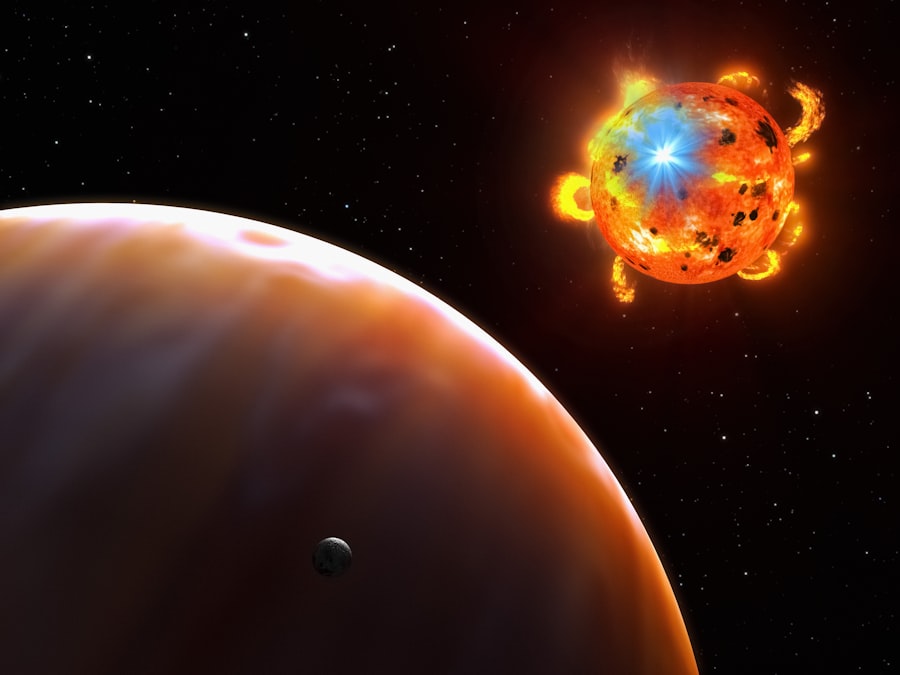
Several factors influence the habitability of exoplanets beyond their mere location within a habitability zone. One significant factor is planetary composition. Rocky planets with solid surfaces are generally considered more likely to support life than gas giants, which lack stable surfaces and have extreme atmospheric conditions.
The presence of essential elements such as carbon, hydrogen, nitrogen, oxygen, phosphorus, and sulfur is also critical, as these elements form the building blocks of life. Another important consideration is the planet’s magnetic field. A strong magnetic field can shield a planet from harmful cosmic radiation and solar winds, creating a more stable environment conducive to life.
Additionally, geological activity plays a role in maintaining habitability; processes such as plate tectonics can recycle nutrients and regulate climate over geological timescales. The interplay between these factors creates a complex web of conditions that must be favorable for life to emerge and thrive on an exoplanet.
Methods for Detecting Exoplanet Habitability Zones
Detecting exoplanet habitability zones involves a combination of observational techniques and theoretical modeling. One of the most common methods is the transit method, where astronomers observe the dimming of a star’s light as a planet passes in front of it. This technique allows scientists to determine the size and orbital period of the planet, which can then be used to infer its position relative to the star’s habitable zone.
Another method involves direct imaging, where telescopes capture light from exoplanets themselves rather than relying solely on their effects on their host stars. This approach can provide valuable information about a planet’s atmosphere and surface conditions. Spectroscopy is also employed to analyze the light spectrum from an exoplanet’s atmosphere, revealing its composition and potential indicators of habitability, such as water vapor or oxygen.
By combining these methods with advanced computer simulations, researchers can create models that predict where habitable conditions might exist in various planetary systems.
Examples of Exoplanets in Habitability Zones
| Parameter | Description | Typical Range / Value | Unit |
|---|---|---|---|
| Inner Edge of Habitable Zone | Closest distance to the star where liquid water can exist without runaway greenhouse effect | 0.95 – 1.1 | Astronomical Units (AU) |
| Outer Edge of Habitable Zone | Farthest distance from the star where liquid water can exist before CO2 condensation limits greenhouse warming | 1.37 – 1.67 | Astronomical Units (AU) |
| Stellar Luminosity | Energy output of the star affecting habitable zone distance | 0.1 – 10 | Solar Luminosities (L☉) |
| Surface Temperature Range | Temperature range allowing liquid water on planet surface | 273 – 373 | Kelvin (K) |
| Planetary Albedo | Reflectivity of planet surface affecting temperature | 0.1 – 0.4 | Unitless |
| Orbital Eccentricity | Variation in planet’s orbit affecting habitability stability | 0 – 0.2 | Unitless |
| Greenhouse Gas Concentration | Atmospheric gases that trap heat, influencing habitable zone boundaries | Variable (e.g., CO2 levels from 0.0004 to several %) | Volume Fraction |
Several exoplanets have been identified within their respective habitability zones, sparking excitement among scientists and enthusiasts alike. One notable example is Proxima Centauri b, which orbits the closest star to our solar system, Proxima Centauri. This exoplanet lies within its star’s habitable zone and has garnered attention due to its Earth-like characteristics and potential for liquid water.
Another intriguing candidate is Kepler-186f, which was discovered by NASA’s Kepler mission. This exoplanet orbits a star that is smaller and cooler than our Sun but resides within its habitable zone. Kepler-186f is particularly interesting because it is roughly the same size as Earth, raising hopes that it may possess similar conditions conducive to life.
These examples illustrate the diversity of exoplanets found within habitability zones and highlight the ongoing efforts to identify worlds that could potentially harbor life.
The Search for Earth-like Exoplanets
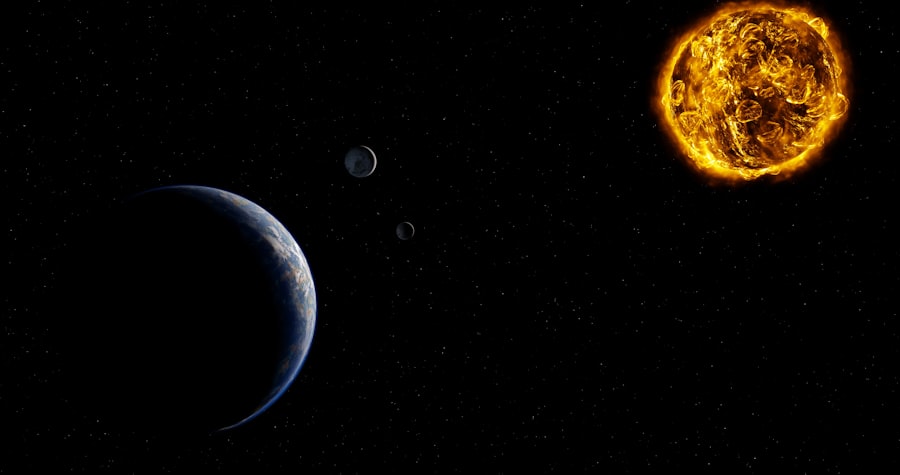
The search for Earth-like exoplanets has become a focal point in astrobiology and planetary science. Scientists are particularly interested in finding planets that share similar characteristics with Earth, such as size, composition, and distance from their host stars. The rationale behind this search lies in the assumption that planets resembling Earth may have similar potential for supporting life.
NASA’s Kepler mission revolutionized this search by discovering thousands of exoplanets, many of which fall within their stars’ habitable zones. The mission’s data has provided invaluable insights into the prevalence of Earth-like planets in our galaxy. More recently, missions like TESS (Transiting Exoplanet Survey Satellite) have continued this work by focusing on nearby stars, increasing the chances of finding potentially habitable worlds that are easier to study in detail.
Potential for Life in Exoplanet Habitability Zones
The potential for life in exoplanet habitability zones remains one of the most tantalizing questions in modern science. While finding planets within these zones is an essential first step, determining whether they can actually support life involves further investigation into their atmospheres and surface conditions. For instance, detecting biosignatures—chemical indicators of life—such as methane or oxygen could provide compelling evidence that life exists or once existed on these distant worlds.
Moreover, researchers are beginning to consider alternative forms of life that may not rely on water or carbon-based chemistry as we know it.
As technology advances and more data becomes available from ongoing missions, scientists remain hopeful that they will uncover signs of life or at least evidence that conditions were once suitable for life on some exoplanets.
Challenges in Studying Exoplanet Habitability Zones
Despite significant advancements in technology and methodology, studying exoplanet habitability zones presents numerous challenges. One major hurdle is the vast distances involved; many exoplanets lie light-years away from Earth, making direct observation difficult.
Additionally, distinguishing between planets that are truly habitable and those that merely fall within habitable zones requires sophisticated modeling and analysis. Factors such as stellar activity can influence a planet’s climate and atmospheric composition, leading to misinterpretations about its potential for supporting life. Furthermore, our understanding of habitability is still evolving; what constitutes a habitable environment may differ significantly from one celestial body to another.
Future Missions and Technologies for Exploring Exoplanet Habitability Zones
Looking ahead, future missions and technologies hold great promise for advancing our understanding of exoplanet habitability zones. The James Webb Space Telescope (JWST), set to launch soon after 2021, is expected to revolutionize our ability to study exoplanet atmospheres in unprecedented detail. With its advanced infrared capabilities, JWST will enable scientists to analyze chemical compositions and search for potential biosignatures in the atmospheres of distant worlds.
In addition to JWST, upcoming missions like ESA’s ARIEL (Atmospheric Remote-sensing Infrared Exoplanet Large-survey) aim to characterize the atmospheres of exoplanets within habitable zones systematically. These missions will provide critical data that could help refine our understanding of what makes a planet truly habitable and guide future explorations in search of extraterrestrial life.
Implications of Discovering Habitable Exoplanets
The discovery of habitable exoplanets carries profound implications for humanity’s understanding of its place in the universe. Finding planets capable of supporting life would challenge long-held beliefs about Earth’s uniqueness and raise questions about the potential for intelligent civilizations beyond our own. Such discoveries could inspire new philosophical inquiries into the nature of life itself and humanity’s responsibility toward other forms of existence.
Moreover, identifying habitable exoplanets could pave the way for future exploration missions aimed at studying these worlds up close. As technology continues to advance, humanity may one day send probes or even crewed missions to investigate these distant planets directly. The implications extend beyond scientific curiosity; they touch upon ethical considerations regarding how humanity interacts with other potential forms of life.
Conclusion and Future Directions in Exoplanet Habitability Research
In conclusion, research into exoplanet habitability zones represents one of the most exciting frontiers in modern science. As astronomers continue to refine their methods for detecting and studying these distant worlds, they inch closer to answering fundamental questions about life’s existence beyond Earth. The interplay between various factors influencing habitability underscores the complexity of this endeavor while highlighting humanity’s insatiable curiosity about the cosmos.
Future directions in this field will likely involve interdisciplinary collaboration among astronomers, astrobiologists, geologists, and climate scientists to develop comprehensive models that account for diverse planetary environments. As new technologies emerge and missions are launched, researchers remain optimistic about uncovering new insights into habitability zones and potentially discovering worlds where life may thrive—forever altering humanity’s understanding of its place in an expansive universe filled with possibilities.
Recent studies on exoplanets have highlighted the importance of the habitable zone, the region around a star where conditions may be just right for liquid water to exist. This concept is crucial for identifying potentially life-supporting planets beyond our solar system. For more in-depth insights into the fascinating world of exoplanets and their habitable zones, you can read a related article on this topic at Freaky Science.
WATCH THIS! 🌌 Where Is Everybody? The Discovery That Would End Civilization 🌌
FAQs
What is an exoplanet habitable zone?
The exoplanet habitable zone, often called the “Goldilocks zone,” is the region around a star where conditions might be just right for liquid water to exist on a planet’s surface, which is essential for life as we know it.
How is the habitable zone determined?
The habitable zone is determined based on the star’s luminosity and temperature. Scientists calculate the range of distances where a planet could maintain surface temperatures that allow liquid water, considering factors like the star’s energy output and the planet’s atmosphere.
Can planets outside the habitable zone support life?
While the habitable zone is the most likely place to find life, some planets outside this zone might support life if they have alternative heat sources, such as geothermal energy or thick atmospheres that trap heat.
Does being in the habitable zone guarantee a planet is habitable?
No, being in the habitable zone does not guarantee habitability. Other factors like atmospheric composition, planetary magnetic field, geological activity, and presence of water are crucial for a planet to support life.
Are all habitable zones the same for every star?
No, habitable zones vary depending on the star’s size, temperature, and brightness. For example, smaller, cooler stars have habitable zones closer in, while larger, hotter stars have habitable zones farther out.
How do scientists detect exoplanets in the habitable zone?
Scientists use methods like the transit method, where they observe a planet passing in front of its star, and the radial velocity method, which detects wobbles in a star’s motion caused by orbiting planets. These methods help identify planets within the habitable zone.
Why is liquid water important for habitability?
Liquid water is essential because it is a solvent that facilitates chemical reactions necessary for life. It also helps regulate temperature and transport nutrients, making it a key ingredient for life as we understand it.
Have any exoplanets in the habitable zone been discovered?
Yes, astronomers have discovered several exoplanets within their stars’ habitable zones, such as Proxima Centauri b and planets in the TRAPPIST-1 system, though their actual habitability is still under study.
Can the habitable zone change over time?
Yes, as stars age and their luminosity changes, the habitable zone shifts. For example, as a star becomes brighter, its habitable zone moves outward, potentially affecting the habitability of orbiting planets.
What role does a planet’s atmosphere play in habitability?
A planet’s atmosphere can regulate surface temperature through greenhouse gases, protect the surface from harmful radiation, and maintain liquid water. Without a suitable atmosphere, a planet in the habitable zone might still be inhospitable.