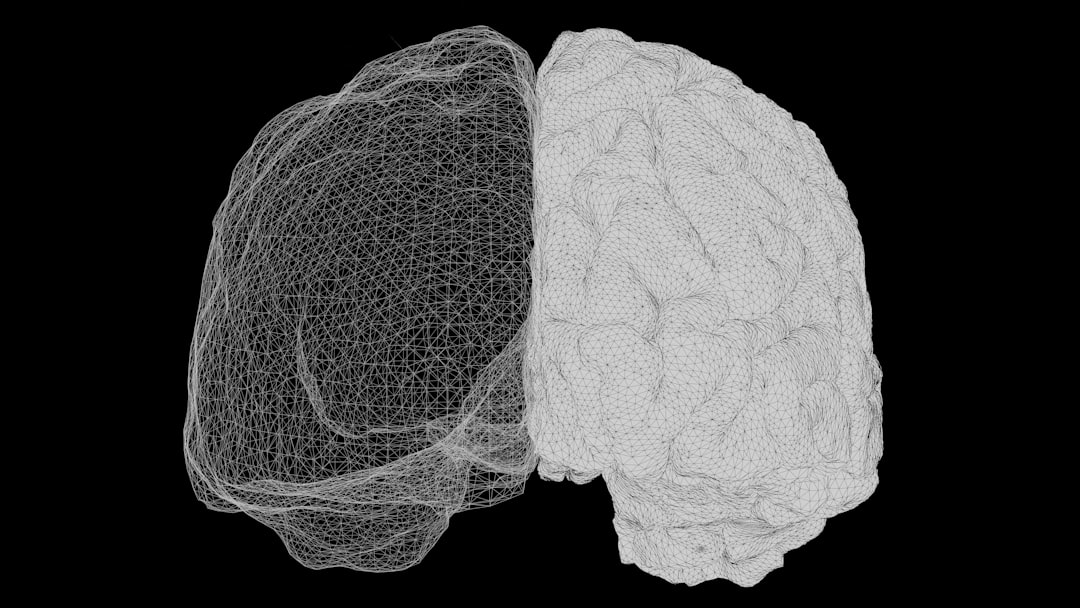
Brain augmentation encompasses scientific methods and technologies designed to enhance human cognitive functions, including memory retention, attention span, and problem-solving capabilities. This field has experienced significant development due to advances in neuroscience research, neuroplasticity studies, and emerging technologies such as transcranial stimulation, nootropic compounds, and brain-computer interfaces. Cognitive outsourcing represents the systematic delegation of mental processes to external tools and systems, including smartphones, search engines, GPS navigation, and cloud-based storage platforms.
This practice reduces cognitive burden by transferring information storage and processing tasks to digital resources, allowing individuals to allocate mental resources more efficiently. The convergence of brain augmentation and cognitive outsourcing creates new frameworks for understanding human intelligence and cognitive performance. As digital technologies become increasingly integrated into daily cognitive tasks, the distinction between innate mental abilities and technologically-assisted cognition becomes less defined.
This integration affects how individuals process information, make decisions, and solve complex problems. Current research examines the implications of this technological integration for cognitive development, educational practices, and workplace productivity. Studies investigate whether reliance on external cognitive aids enhances or diminishes natural cognitive abilities, and how different augmentation approaches affect long-term brain function and learning capacity.
Key Takeaways
- Brain augmentation and cognitive outsourcing involve enhancing mental abilities through technology and external resources.
- Scientific research supports that cognitive enhancement can improve memory, learning, decision-making, and problem-solving.
- Ethical considerations are crucial when implementing cognitive outsourcing to balance benefits and potential risks.
- Technology plays a central role in enabling brain augmentation, offering practical applications in everyday life.
- Despite promising opportunities, brain augmentation carries risks and limitations that must be carefully managed for future development.
The Science Behind Enhancing Cognitive Abilities
The science of cognitive enhancement is rooted in a multidisciplinary approach that encompasses neuroscience, psychology, and technology. Researchers have identified various methods to improve cognitive functions, including pharmacological interventions, neurostimulation techniques, and cognitive training exercises. For instance, nootropics—substances that purportedly enhance cognitive function—have gained popularity among individuals seeking to boost their mental performance.
These substances can range from natural supplements to prescription medications, each with varying degrees of efficacy and safety. Neurostimulation techniques, such as transcranial magnetic stimulation (TMS) and transcranial direct current stimulation (tDCS), have also emerged as promising avenues for enhancing cognitive abilities. These non-invasive methods involve applying electrical or magnetic fields to specific brain regions to modulate neural activity.
Research has shown that such interventions can lead to improvements in memory, attention, and even creativity. As scientists continue to unravel the complexities of the brain, the potential for targeted interventions to enhance cognitive abilities becomes increasingly feasible.
Exploring the Potential Benefits of Brain Augmentation

The potential benefits of brain augmentation are vast and varied, impacting numerous aspects of daily life.
For students, augmented memory and learning capabilities can facilitate more effective study habits and retention of information.
In professional settings, individuals equipped with enhanced cognitive skills may find themselves better able to tackle complex tasks and navigate challenging situations. Moreover, brain augmentation can contribute to personal development by fostering creativity and innovation. Individuals who can think more clearly and process information more efficiently are often better positioned to generate novel ideas and solutions.
This creative edge can be particularly advantageous in fields that require out-of-the-box thinking, such as technology, art, and entrepreneurship. As society continues to evolve, the ability to harness these benefits through brain augmentation may become increasingly essential for success.
The Ethics of Cognitive Outsourcing
As with any technological advancement, the ethics surrounding cognitive outsourcing warrant careful consideration. The delegation of mental tasks to external resources raises questions about autonomy, dependency, and the potential for inequality. For instance, individuals who have access to advanced cognitive tools may gain an unfair advantage over those who do not, leading to disparities in educational and professional opportunities.
This concern highlights the need for equitable access to cognitive enhancement technologies. Furthermore, the reliance on external resources for cognitive tasks may lead to a decline in critical thinking skills and problem-solving abilities. If individuals become overly dependent on technology for mental tasks, they may struggle to engage in deep thinking or develop their cognitive skills independently.
This ethical dilemma underscores the importance of finding a balance between leveraging external resources and maintaining one’s cognitive capabilities.
How Brain Augmentation Can Improve Memory and Learning
| Metric | Description | Typical Range/Value | Impact on Cognitive Performance |
|---|---|---|---|
| Memory Retention Improvement | Percentage increase in short-term and long-term memory capacity due to augmentation | 10% – 40% | Enhances recall speed and accuracy |
| Processing Speed Enhancement | Increase in cognitive processing speed measured in tasks per minute | 15% – 50% | Improves multitasking and decision-making speed |
| Attention Span Extension | Duration increase in sustained attention during cognitive tasks | 20% – 60% | Reduces errors and improves focus |
| Outsourced Cognitive Load | Percentage of cognitive tasks delegated to external augmentation systems | 30% – 70% | Frees mental resources for complex problem-solving |
| Neural Interface Latency | Time delay between brain signals and augmentation system response | 5 – 20 milliseconds | Lower latency improves real-time interaction |
| Learning Rate Acceleration | Increase in speed of acquiring new knowledge or skills | 25% – 80% | Speeds up adaptation to new environments or tasks |
| Error Reduction Rate | Decrease in cognitive errors during complex tasks | 15% – 45% | Improves accuracy and reliability of decisions |
One of the most significant areas where brain augmentation shows promise is in enhancing memory and learning processes. Techniques such as spaced repetition and mnemonic devices have long been used to improve retention of information. However, with advancements in technology, new methods are emerging that can further optimize these processes.
For example, digital platforms that utilize adaptive learning algorithms can tailor educational content to individual learning styles and paces, maximizing retention and understanding. Additionally, neurofeedback—a technique that allows individuals to monitor their brain activity in real-time—has shown potential in improving memory performance. By providing immediate feedback on cognitive states, individuals can learn to regulate their brain activity for optimal learning conditions.
This innovative approach not only enhances memory but also empowers individuals to take control of their cognitive processes actively.
The Role of Technology in Cognitive Enhancement

Technology plays a pivotal role in the realm of cognitive enhancement, providing tools and resources that facilitate brain augmentation. From mobile applications designed for memory training to sophisticated neurostimulation devices, technology has opened new avenues for improving cognitive abilities. These tools often leverage data analytics and machine learning algorithms to create personalized experiences that cater to individual needs.
Moreover, the rise of virtual reality (VR) and augmented reality (AR) technologies presents exciting possibilities for immersive learning experiences. By simulating real-world scenarios, these technologies can enhance engagement and retention of information. For instance, medical students can practice surgical procedures in a virtual environment before performing them on actual patients.
Such applications not only enhance learning but also contribute to skill development in a safe and controlled setting.
Cognitive Outsourcing: Leveraging External Resources for Mental Tasks
Cognitive outsourcing involves utilizing external resources to manage mental tasks more efficiently. This practice can take many forms, from using digital note-taking applications to employing artificial intelligence (AI) tools for data analysis. By offloading certain cognitive responsibilities onto external systems, individuals can free up mental bandwidth for more complex or creative tasks.
For example, professionals often rely on project management software to organize their workflows and track progress. By outsourcing these organizational tasks to technology, they can focus on higher-level strategic thinking rather than getting bogged down by administrative details. This shift not only enhances productivity but also allows individuals to allocate their cognitive resources more effectively.
The Impact of Brain Augmentation on Decision Making and Problem Solving
Brain augmentation has profound implications for decision-making processes and problem-solving capabilities. Enhanced cognitive functions can lead to more informed choices by improving analytical thinking and reducing biases that often cloud judgment. Individuals equipped with augmented cognitive skills are better positioned to evaluate options critically and consider multiple perspectives before arriving at a decision.
Moreover, brain augmentation can facilitate creative problem-solving by enabling individuals to approach challenges from different angles. Techniques such as brainstorming sessions supported by digital collaboration tools can foster innovative thinking among teams. By leveraging augmented cognitive abilities, groups can generate a wider array of solutions and ultimately arrive at more effective outcomes.
Risks and Limitations of Brain Augmentation and Cognitive Outsourcing
Despite the numerous benefits associated with brain augmentation and cognitive outsourcing, there are inherent risks and limitations that must be acknowledged. One significant concern is the potential for over-reliance on technology, which may lead to diminished cognitive skills over time. If individuals consistently outsource mental tasks without actively engaging their own cognitive abilities, they may experience a decline in critical thinking and problem-solving skills.
Additionally, the use of nootropics or other pharmacological interventions carries risks related to safety and efficacy. While some substances may offer short-term benefits, their long-term effects on brain health remain largely unknown. Furthermore, ethical considerations surrounding access to these enhancements raise questions about fairness and equity in society.
The Future of Cognitive Enhancement: Opportunities and Challenges
The future of cognitive enhancement presents both exciting opportunities and formidable challenges. As research continues to advance our understanding of the brain, new methods for augmenting cognitive abilities will likely emerge. This evolution could lead to unprecedented improvements in education, workplace productivity, and personal development.
However, navigating the ethical landscape surrounding these advancements will be crucial. Policymakers must address issues related to access, equity, and the potential consequences of widespread cognitive enhancement. Striking a balance between innovation and ethical considerations will be essential for ensuring that the benefits of brain augmentation are accessible to all members of society.
Practical Applications of Brain Augmentation and Cognitive Outsourcing in Daily Life
In daily life, practical applications of brain augmentation and cognitive outsourcing are becoming increasingly prevalent. Individuals can utilize various tools designed to enhance memory retention or streamline workflows. For instance, apps that employ gamification techniques can make learning more engaging while simultaneously improving retention rates.
Moreover, professionals can leverage AI-driven analytics tools to process large volumes of data quickly and accurately. By outsourcing data analysis tasks to intelligent systems, they can focus on interpreting results and making strategic decisions based on insights derived from the data. This practical application not only enhances efficiency but also empowers individuals to harness their augmented cognitive abilities effectively.
In conclusion, brain augmentation and cognitive outsourcing represent a transformative shift in how individuals approach learning and mental performance. As technology continues to evolve, understanding the implications of these advancements will be crucial for navigating the complexities of modern cognition while maximizing the benefits they offer.
Brain augmentation and cognitive outsourcing are rapidly evolving fields that explore the intersection of technology and human intelligence. A related article that delves deeper into these concepts can be found at Freaky Science, where the implications of enhancing cognitive abilities through external tools and technologies are discussed. This exploration raises important questions about the future of human cognition and the ethical considerations surrounding such advancements.
FAQs
What is brain augmentation?
Brain augmentation refers to the enhancement of cognitive functions through various means, including technological, pharmacological, or biological interventions. It aims to improve memory, attention, problem-solving skills, and overall mental performance.
What does cognitive outsourcing mean?
Cognitive outsourcing is the practice of relying on external tools, devices, or systems to perform cognitive tasks that would otherwise require mental effort. Examples include using smartphones for memory recall or AI assistants for decision-making support.
How are brain augmentation and cognitive outsourcing related?
Brain augmentation and cognitive outsourcing are interconnected concepts where brain augmentation may involve using external technologies to enhance cognitive abilities, effectively outsourcing certain mental tasks to these tools to improve efficiency and performance.
What technologies are commonly used for brain augmentation?
Common technologies include neurostimulation devices, brain-computer interfaces (BCIs), nootropic drugs, and AI-powered cognitive assistants. These tools aim to enhance neural activity, improve focus, or support memory and learning.
Are there any risks associated with brain augmentation?
Yes, potential risks include side effects from pharmacological agents, privacy concerns with data collected by cognitive devices, dependency on technology, and ethical considerations regarding fairness and accessibility.
Can cognitive outsourcing affect natural cognitive abilities?
While cognitive outsourcing can improve efficiency, excessive reliance on external tools may lead to reduced practice of certain mental skills, potentially impacting natural cognitive abilities over time.
Is brain augmentation widely available and used?
Some forms of brain augmentation, like nootropics and cognitive apps, are widely accessible, while advanced technologies such as BCIs are still largely experimental and primarily used in research or clinical settings.
What ethical issues are associated with brain augmentation?
Ethical concerns include equitable access, consent, potential coercion, privacy of neural data, and the implications of enhancing cognitive abilities beyond natural human limits.
How does cognitive outsourcing benefit daily life?
Cognitive outsourcing can reduce mental workload, improve decision-making speed, enhance memory recall, and allow individuals to focus on higher-level tasks by delegating routine cognitive functions to external aids.
What future developments are expected in brain augmentation and cognitive outsourcing?
Future advancements may include more seamless brain-computer interfaces, personalized cognitive enhancement therapies, improved AI assistants, and greater integration of biological and technological systems to augment human cognition.