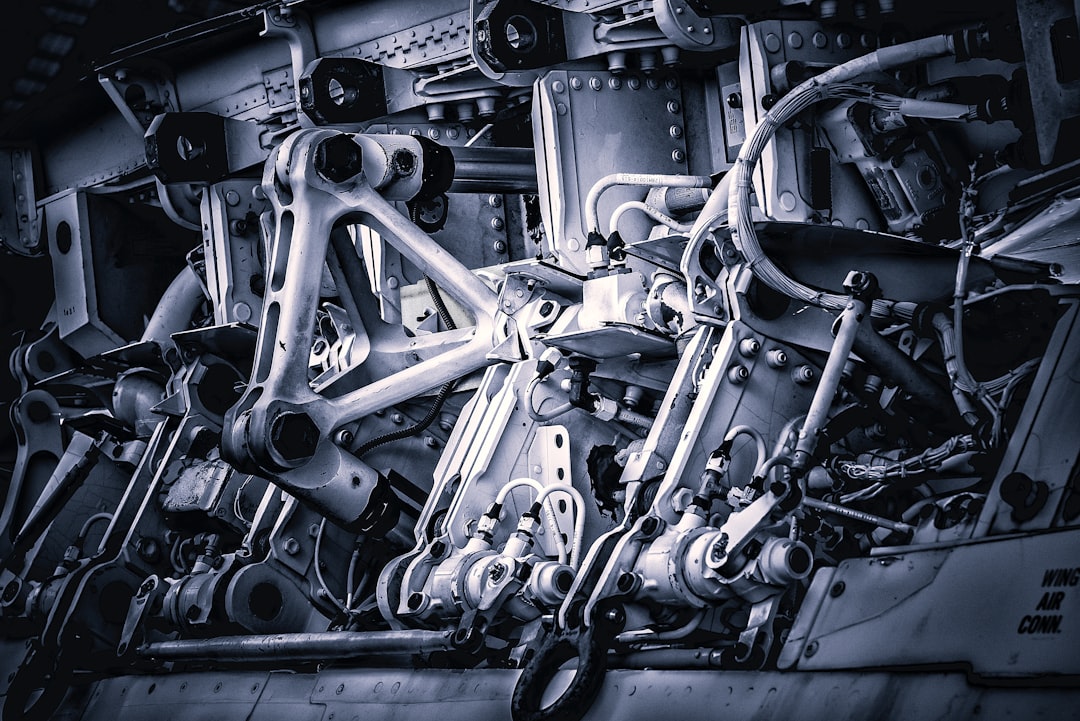
Earth’s engine is a complex and intricate system that drives the planet’s climate, ecosystems, and overall health. This metaphorical engine encompasses a multitude of natural processes, including the water cycle, carbon cycle, and energy flow from the sun. These interconnected systems work in harmony to maintain the delicate balance necessary for life to thrive.
Understanding how this engine operates is crucial for recognizing the challenges it faces and the implications of its potential slowdown. The concept of Earth’s engine serves as a reminder of the planet’s dynamic nature. It is not merely a static entity but rather a living, breathing system that responds to both natural and anthropogenic influences.
As humanity continues to evolve and expand its footprint on the planet, the need to comprehend the mechanics of this engine becomes increasingly urgent. The health of Earth’s engine directly correlates with the well-being of all living organisms, making it imperative to explore its functions and vulnerabilities.
Key Takeaways
- Earth’s engine refers to the complex natural systems that regulate the planet’s climate and environment.
- Climate change and human activities are significantly disrupting Earth’s natural processes.
- Signs of Earth’s engine slowing down include extreme weather events and declining biodiversity.
- Mitigation efforts and global collaboration are crucial to preserving Earth’s natural balance.
- Immediate action is needed to ensure a sustainable future and maintain Earth’s environmental health.
Understanding Earth’s Natural Systems
To grasp the intricacies of Earth’s engine, one must first delve into its natural systems. The water cycle, for instance, is a fundamental component that regulates climate and supports life. Water evaporates from oceans, lakes, and rivers, condensing into clouds before falling back to the surface as precipitation.
This cycle not only replenishes freshwater sources but also plays a vital role in temperature regulation and weather patterns. Another critical aspect of Earth’s engine is the carbon cycle, which involves the movement of carbon among the atmosphere, oceans, soil, and living organisms.
This exchange is essential for maintaining atmospheric balance and supporting life. However, human activities have disrupted these natural cycles, leading to significant consequences for the planet’s health.
The Role of Climate Change in Earth’s Engine

Climate change represents one of the most pressing challenges facing Earth’s engine today. Driven primarily by human-induced greenhouse gas emissions, climate change alters temperature patterns, disrupts weather systems, and affects biodiversity. The increase in global temperatures has far-reaching implications for ecosystems and human societies alike.
As the planet warms, glaciers melt, sea levels rise, and extreme weather events become more frequent and severe. The impact of climate change on Earth’s engine is multifaceted. For instance, altered precipitation patterns can lead to droughts in some regions while causing flooding in others.
These changes not only threaten agricultural productivity but also jeopardize water supplies and increase the risk of natural disasters. Furthermore, as ecosystems struggle to adapt to these rapid changes, many species face extinction, disrupting the delicate balance that sustains life on Earth.
Impact of Human Activities on Earth’s Engine
Human activities have significantly influenced Earth’s engine, often in detrimental ways. Deforestation, urbanization, and industrialization have all contributed to the degradation of natural systems. The removal of forests not only releases stored carbon dioxide but also disrupts local climates and habitats.
Urban sprawl leads to increased energy consumption and waste production, further straining the planet’s resources. Moreover, pollution from various sources—such as agriculture, industry, and transportation—has contaminated air, water, and soil. This pollution not only harms human health but also affects wildlife and ecosystems.
The introduction of invasive species due to global trade has further complicated matters by disrupting local ecosystems and outcompeting native species for resources. Collectively, these human activities have created a perfect storm that threatens to bog down Earth’s engine.
Signs of Earth’s Engine Bogging Down
| Metric | Value | Unit | Description |
|---|---|---|---|
| Earth’s Core Rotation Speed | 0.0007 | degrees per year | Rate of slowing down of Earth’s inner core rotation |
| Geomagnetic Field Strength | 25,000 | nanoteslas (nT) | Current average strength of Earth’s magnetic field |
| Core-Mantle Boundary Heat Flow | 15 | terawatts (TW) | Heat flow from Earth’s core to mantle, affecting convection |
| Earth’s Rotation Deceleration | 1.7 | milliseconds per century | Increase in length of day due to slowing rotation |
| Seismic Wave Velocity | 10.5 | km/s | Speed of seismic waves through Earth’s outer core |
| Magnetic Pole Drift Rate | 55 | km per year | Speed at which Earth’s magnetic poles are moving |
As Earth’s engine faces increasing pressure from climate change and human activities, several signs indicate that it may be bogging down. One prominent indicator is the rise in global temperatures, which has reached unprecedented levels in recent years. This warming trend is accompanied by more frequent heatwaves, prolonged droughts, and intense storms—events that strain both natural systems and human infrastructure.
Additionally, biodiversity loss serves as a critical warning sign of an ailing Earth’s engine. The extinction rates of species are accelerating at an alarming pace due to habitat destruction, climate change, and pollution. As ecosystems become less diverse, their resilience diminishes, making them more susceptible to collapse under environmental stressors.
These signs underscore the urgent need for action to address the factors contributing to the slowdown of Earth’s engine.
Consequences of Earth’s Engine Slowing Down

The consequences of a slowing Earth’s engine are profound and far-reaching.
As climate change alters growing seasons and reduces crop yields, food insecurity becomes a pressing issue for millions of people.
This situation is exacerbated by extreme weather events that can devastate agricultural lands and disrupt supply chains. Moreover, the slowing of Earth’s engine can lead to increased social and economic instability. Communities that rely on natural resources for their livelihoods may find themselves facing unprecedented challenges as ecosystems degrade.
Water scarcity can lead to conflicts over resources, while rising sea levels threaten coastal communities with displacement. The interconnectedness of these issues highlights the urgency of addressing the factors contributing to the slowdown of Earth’s engine.
Efforts to Mitigate Earth’s Engine Slowdown
In response to the alarming signs of Earth’s engine bogging down, various efforts are underway to mitigate its slowdown. Governments, organizations, and individuals are increasingly recognizing the importance of sustainable practices that prioritize environmental health. Renewable energy sources such as solar and wind power are gaining traction as alternatives to fossil fuels, reducing greenhouse gas emissions and promoting cleaner air.
Conservation initiatives also play a crucial role in preserving biodiversity and restoring ecosystems. Protected areas are being established to safeguard habitats from development and exploitation. Reforestation projects aim to restore lost forests while enhancing carbon sequestration efforts.
These collective actions demonstrate a growing commitment to nurturing Earth’s engine and ensuring its long-term viability.
The Importance of Preserving Earth’s Engine
Preserving Earth’s engine is not merely an environmental concern; it is essential for human survival and well-being. Healthy ecosystems provide vital services such as clean air and water, pollination of crops, and regulation of climate patterns. The loss of these services can have dire consequences for humanity’s future.
Furthermore, preserving Earth’s engine fosters resilience against climate change impacts. Diverse ecosystems are better equipped to adapt to changing conditions, providing a buffer against extreme weather events and other environmental stressors. By prioritizing conservation efforts and sustainable practices, society can work towards a more balanced relationship with nature—one that benefits both people and the planet.
Future Projections for Earth’s Engine
Looking ahead, projections for Earth’s engine are concerning if current trends continue unchecked. Climate models indicate that without significant reductions in greenhouse gas emissions, global temperatures could rise by several degrees Celsius by the end of the century. Such changes would exacerbate existing challenges related to food security, water availability, and biodiversity loss.
However, there is also hope for a more positive future if proactive measures are taken now. Transitioning to sustainable energy sources, implementing conservation strategies, and fostering global cooperation can help reverse some of the damage inflicted on Earth’s engine. By investing in innovative technologies and prioritizing environmental stewardship, society can work towards a more sustainable future that supports both human needs and ecological health.
Global Collaboration to Address Earth’s Engine Issues
Addressing the challenges facing Earth’s engine requires global collaboration across nations and sectors. Climate change knows no borders; therefore, international cooperation is essential for developing effective solutions. Agreements such as the Paris Accord aim to unite countries in their efforts to reduce emissions and combat climate change collectively.
Additionally, partnerships between governments, non-governmental organizations (NGOs), businesses, and local communities can foster innovative approaches to sustainability. Sharing knowledge and resources can lead to more effective conservation strategies while empowering communities to take action at local levels. By working together on a global scale, humanity can harness its collective strength to protect and preserve Earth’s engine for future generations.
Conclusion and Call to Action
In conclusion, understanding Earth’s engine is vital for recognizing its significance in sustaining life on our planet. As signs indicate that this intricate system is bogging down due to climate change and human activities, it becomes imperative for individuals and societies alike to take action. Preserving Earth’s engine is not just an environmental issue; it is a matter of survival for all living beings.
The time for action is now—every individual has a role to play in nurturing this vital system through sustainable practices and advocacy for policy changes that prioritize environmental health. By fostering awareness about the importance of Earth’s engine and collaborating on solutions at local and global levels, humanity can work towards a healthier planet where both nature and people can thrive together harmoniously.
Recent studies have indicated that Earth’s engine, which drives vital processes such as ocean circulation and climate regulation, is showing signs of bogging down. This phenomenon could have significant implications for global weather patterns and ecosystems. For a deeper understanding of this issue, you can read more in the related article on Freaky Science, which discusses the potential consequences of these changes in detail. Check it out here: Freaky Science Article.
FAQs
What does “Earth’s engine bogging down” mean?
“Earth’s engine bogging down” refers to the slowing or weakening of the natural processes that drive Earth’s systems, such as the planet’s rotation, magnetic field, or geological activity. This phrase is often used metaphorically to describe disruptions or declines in Earth’s dynamic functions.
Is Earth’s rotation slowing down?
Yes, Earth’s rotation is gradually slowing down due to tidal friction caused by the gravitational interaction with the Moon. This results in longer days over very long timescales, but the change is extremely gradual and not noticeable in daily life.
What causes changes in Earth’s magnetic field?
Earth’s magnetic field is generated by the movement of molten iron in its outer core. Changes in this flow can cause fluctuations in the magnetic field’s strength and direction, including periodic reversals known as geomagnetic reversals.
Can geological activity slow down on Earth?
Geological activity, such as plate tectonics and volcanic eruptions, is driven by Earth’s internal heat. While these processes can vary in intensity over time, there is no evidence that they are “bogging down” or ceasing on a global scale.
Are there any consequences if Earth’s natural processes slow down?
Significant changes in Earth’s natural processes could impact climate, ecosystems, and human activities. However, current scientific observations do not indicate any immediate or drastic slowing that would cause widespread problems.
How do scientists monitor Earth’s internal processes?
Scientists use a variety of tools, including seismographs, satellite measurements, and magnetic observatories, to monitor Earth’s rotation, magnetic field, and geological activity continuously.
Is the concept of Earth’s engine bogging down supported by scientific evidence?
While Earth’s systems do experience natural variations, the idea of Earth’s “engine” bogging down is often a metaphor and not a precise scientific term. Current evidence shows that Earth’s dynamic processes continue to operate within expected ranges.