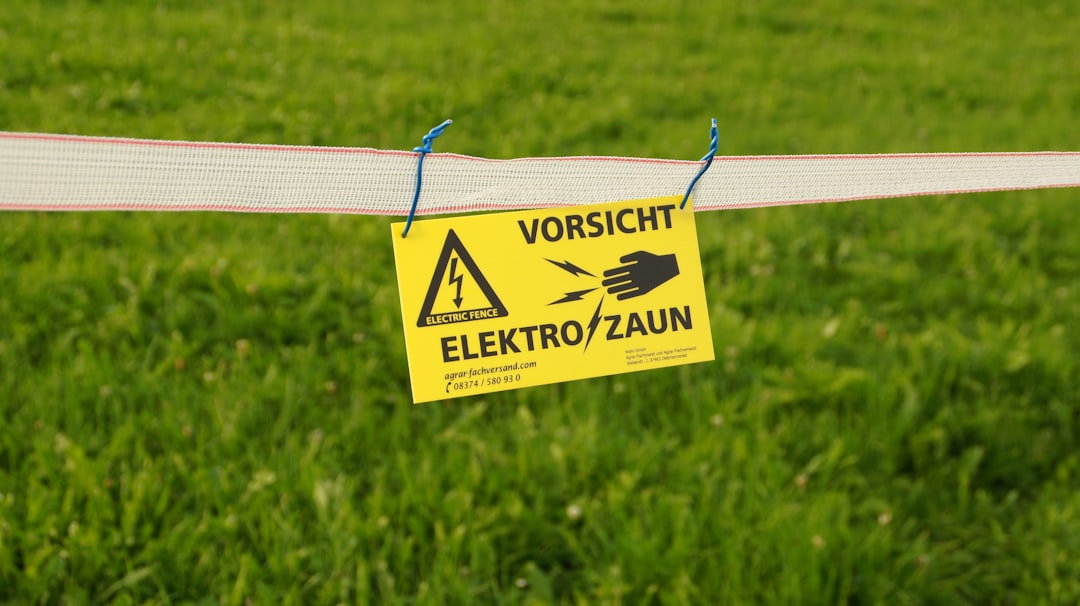
Early warning systems (EWS) play a crucial role in disaster risk reduction and management. They serve as a vital tool for governments, organizations, and communities to anticipate and respond to potential hazards, thereby minimizing the impact of disasters on human life and property.
By alerting populations to impending threats, early warning systems empower individuals and communities to take proactive measures, enhancing their resilience against disasters. Moreover, the importance of early warning systems extends beyond immediate disaster response. They contribute to long-term planning and preparedness strategies, fostering a culture of safety and awareness within communities.
By integrating EWS into local governance and community practices, societies can build a robust framework for disaster risk management. This proactive approach not only enhances the effectiveness of emergency responses but also promotes sustainable development by reducing vulnerability to future hazards.
Key Takeaways
- Early warning systems are crucial for timely disaster preparedness and risk reduction.
- They operate by monitoring hazards, analyzing data, and disseminating alerts to at-risk populations.
- Technology and community engagement significantly enhance the effectiveness of these systems.
- Despite challenges like false alarms and infrastructure limitations, early warning systems have saved lives globally.
- Individuals can improve their safety by understanding and responding promptly to early warnings.
How Early Warning Systems Work
Early warning systems operate through a systematic process that involves several key components: risk assessment, monitoring, communication, and response. Initially, these systems assess the risks associated with various hazards, identifying vulnerable populations and critical infrastructure. This foundational step is essential for tailoring the warning system to the specific needs of a community or region.
Once risks are identified, continuous monitoring of environmental conditions and hazard indicators is established to detect any changes that may signal an impending disaster. The communication aspect of early warning systems is equally vital. Effective communication channels must be established to disseminate warnings promptly and accurately to the affected populations.
This often involves multiple platforms, including radio, television, mobile alerts, and social media, ensuring that information reaches as many people as possible. Finally, the response phase involves mobilizing resources and implementing pre-established action plans to mitigate the impact of the disaster. This comprehensive approach ensures that early warning systems are not merely reactive but are integrated into a broader framework of disaster preparedness and response.
Types of Early Warning Systems

There are various types of early warning systems tailored to address different hazards and contexts. Meteorological early warning systems focus on weather-related events such as hurricanes, floods, and severe storms. These systems utilize advanced meteorological data and forecasting models to predict weather patterns and issue timely alerts to at-risk populations.
Similarly, seismic early warning systems are designed to detect earthquakes in real-time, providing crucial seconds or minutes for individuals and communities to take protective actions before the shaking begins. In addition to natural hazards, early warning systems can also be developed for technological or man-made disasters. For instance, chemical spill detection systems monitor industrial sites for hazardous material leaks, alerting nearby communities to potential dangers.
Public health early warning systems track disease outbreaks and health emergencies, enabling swift responses to protect public health. Each type of early warning system is tailored to its specific context, ensuring that communities receive relevant information that can guide their actions in times of crisis.
Examples of Successful Early Warning Systems
Numerous successful early warning systems around the world demonstrate the effectiveness of these tools in mitigating disaster impacts. One notable example is the Pacific Tsunami Warning Center (PTWC), which monitors seismic activity in the Pacific Ocean and issues tsunami alerts to coastal communities. Established after the devastating 2004 Indian Ocean tsunami, the PTWC has significantly improved tsunami preparedness in the region, saving countless lives through timely warnings.
Another exemplary case is the European Flood Awareness System (EFAS), which provides early warnings for river flooding across Europe. By utilizing advanced hydrological models and real-time data from various sources, EFAS enables authorities to issue flood alerts well in advance, allowing communities to prepare and respond effectively. These examples highlight how well-implemented early warning systems can lead to significant reductions in disaster-related casualties and economic losses.
The Role of Technology in Early Warning Systems
| Metric | Description | Typical Value/Range | Unit | Importance |
|---|---|---|---|---|
| Detection Time | Time taken to detect an impending hazard | Seconds to hours | Time | Critical for timely alerts |
| Lead Time | Time between warning issuance and event occurrence | Minutes to days | Time | Allows preparation and evacuation |
| False Alarm Rate | Percentage of warnings issued without actual event | 5% – 20% | Percentage | Impacts public trust |
| Missed Event Rate | Percentage of events not detected or warned | 1% – 10% | Percentage | Reduces system reliability |
| Population Coverage | Percentage of population covered by the system | 50% – 100% | Percentage | Determines system reach |
| Communication Delay | Time taken to disseminate warning to end-users | Seconds to minutes | Time | Impacts effectiveness of warnings |
| System Uptime | Percentage of time system is operational | 95% – 99.9% | Percentage | Ensures continuous monitoring |
| Response Rate | Percentage of population responding appropriately to warnings | 60% – 90% | Percentage | Measures effectiveness of warnings |
Technology plays an indispensable role in enhancing the effectiveness of early warning systems. Advances in satellite imagery, remote sensing, and data analytics have revolutionized how hazards are monitored and predicted. For instance, satellite technology allows for real-time observation of weather patterns and environmental changes, providing critical data for forecasting models.
Additionally, geographic information systems (GIS) enable authorities to visualize risk areas and plan evacuation routes more effectively. Furthermore, mobile technology has transformed communication within early warning systems. With the widespread use of smartphones, authorities can send instant alerts directly to individuals in affected areas through text messages or app notifications.
Social media platforms also serve as powerful tools for disseminating information quickly and widely. As technology continues to evolve, it will undoubtedly enhance the capabilities of early warning systems, making them more efficient and accessible.
Challenges and Limitations of Early Warning Systems

Despite their importance, early warning systems face several challenges and limitations that can hinder their effectiveness. One significant challenge is the need for accurate data collection and analysis. In many regions, particularly in developing countries, limited resources and infrastructure can impede the ability to gather timely information about hazards.
Without reliable data, the predictions made by early warning systems may be less accurate, leading to either false alarms or missed warnings. Another limitation is the issue of communication barriers. Even when warnings are issued promptly, they may not reach all segments of the population due to language differences, technological access disparities, or lack of awareness about the system itself.
Vulnerable groups such as the elderly or those with disabilities may struggle to receive or understand warnings effectively. Addressing these challenges requires a concerted effort from governments, organizations, and communities to ensure that early warning systems are inclusive and accessible to all.
The Impact of Early Warning Systems on Disaster Preparedness
The implementation of early warning systems has a profound impact on disaster preparedness at both individual and community levels. By providing timely alerts about potential hazards, these systems enable individuals to take necessary precautions such as evacuating their homes or securing property before a disaster strikes. This proactive approach not only saves lives but also reduces injuries and property damage.
At a community level, early warning systems foster collaboration among various stakeholders including government agencies, non-governmental organizations (NGOs), and local communities. This collaboration enhances collective preparedness efforts by facilitating training exercises, developing response plans, and establishing communication protocols. As communities become more engaged in disaster preparedness initiatives through EWS, they build resilience against future hazards while promoting a culture of safety and awareness.
The Role of Community Engagement in Early Warning Systems
Community engagement is a critical component of effective early warning systems. Involving local populations in the design and implementation of EWS ensures that the system meets their specific needs and addresses their unique vulnerabilities. Engaging communities fosters a sense of ownership over the system, encouraging individuals to participate actively in preparedness efforts.
Moreover, community engagement enhances trust between authorities and residents. When people feel included in decision-making processes regarding disaster risk management, they are more likely to heed warnings and follow recommended actions during emergencies. Educational initiatives that raise awareness about hazards and promote preparedness strategies further empower communities to respond effectively when faced with potential threats.
Early Warning Systems for Different Types of Disasters
Early warning systems are not one-size-fits-all; they must be tailored to address various types of disasters effectively. For instance, while meteorological EWS focus on weather-related events like hurricanes or floods, geological EWS are designed specifically for earthquakes or volcanic eruptions. Each type requires specialized knowledge and technology to monitor relevant indicators accurately.
In addition to natural disasters, EWS can also be adapted for public health emergencies such as disease outbreaks or bioterrorism threats. These systems rely on surveillance data from healthcare providers and laboratories to detect unusual patterns that may indicate an emerging health crisis.
The Future of Early Warning Systems
The future of early warning systems looks promising as advancements in technology continue to reshape how hazards are monitored and communicated. Innovations such as artificial intelligence (AI) and machine learning have the potential to enhance predictive capabilities by analyzing vast amounts of data more efficiently than ever before. These technologies can improve forecasting accuracy and enable quicker responses to emerging threats.
Additionally, there is a growing recognition of the importance of integrating traditional knowledge with modern scientific approaches in developing EWS. Local communities often possess valuable insights into their environment and historical patterns of hazards that can complement scientific data. By fostering collaboration between scientists and local populations, future early warning systems can become more holistic and effective in addressing diverse risks.
How Individuals Can Benefit from Early Warning Systems
Individuals stand to gain significantly from well-implemented early warning systems. By receiving timely alerts about potential hazards, they can take proactive measures to protect themselves and their families. This may include evacuating their homes during severe weather events or preparing emergency kits with essential supplies ahead of time.
Furthermore, being informed about local risks fosters a sense of empowerment among individuals. When people understand the hazards they face and how early warning systems operate, they are more likely to engage in preparedness activities within their communities. This collective effort not only enhances individual safety but also contributes to building resilient communities capable of withstanding future disasters.
In conclusion, early warning systems are indispensable tools for disaster risk reduction that save lives and minimize economic losses through timely alerts and effective communication strategies. As technology advances and community engagement becomes increasingly prioritized, these systems will continue evolving to meet the challenges posed by various hazards in an ever-changing world.
Early warning systems play a crucial role in disaster management by providing timely alerts that can save lives and reduce damage. For a deeper understanding of the effectiveness and implementation of these systems, you can read the article on early warning systems available at this link. This resource offers valuable insights into the technology and strategies used to enhance preparedness and response to various hazards.
WATCH THIS! 🌌 Where Is Everybody? The Discovery That Would End Civilization 🌌
FAQs
What is an early warning system?
An early warning system is a set of procedures and technologies designed to detect and provide timely information about potential hazards or threats, allowing individuals and communities to take preventive actions to reduce risk and minimize damage.
What types of hazards do early warning systems monitor?
Early warning systems can monitor a variety of hazards including natural disasters such as earthquakes, tsunamis, hurricanes, floods, volcanic eruptions, and droughts, as well as technological and human-made threats like industrial accidents or disease outbreaks.
How do early warning systems work?
Early warning systems work by continuously monitoring environmental or situational data through sensors, satellites, or other detection tools. When indicators of a potential hazard are detected, the system analyzes the data and issues alerts or warnings to authorities and the public to enable timely response.
Who benefits from early warning systems?
Communities, governments, emergency responders, and organizations benefit from early warning systems as they provide critical information that helps reduce loss of life, property damage, and economic impact by enabling preparedness and timely evacuation or mitigation measures.
What are the key components of an effective early warning system?
An effective early warning system typically includes four key components: risk knowledge (understanding hazards and vulnerabilities), monitoring and detection, communication and dissemination of warnings, and preparedness and response capabilities.
Can early warning systems prevent disasters?
While early warning systems cannot prevent disasters from occurring, they significantly reduce the impact by providing advance notice that allows people to take protective actions, thereby saving lives and reducing damage.
What technologies are commonly used in early warning systems?
Technologies used include seismic sensors, weather radar, satellite imagery, communication networks (such as SMS alerts and sirens), data analysis software, and geographic information systems (GIS) for mapping and risk assessment.
How reliable are early warning systems?
The reliability of early warning systems depends on the quality of data, technology, and communication infrastructure. While no system is perfect, continuous improvements and integration of multiple data sources enhance accuracy and timeliness.
Are early warning systems used worldwide?
Yes, early warning systems are implemented globally, especially in regions prone to natural disasters. International organizations and governments collaborate to develop and improve these systems to protect vulnerable populations.
What role do communities play in early warning systems?
Communities play a crucial role by participating in preparedness activities, understanding warnings, and responding appropriately. Local knowledge and engagement improve the effectiveness of early warning systems and disaster resilience.