
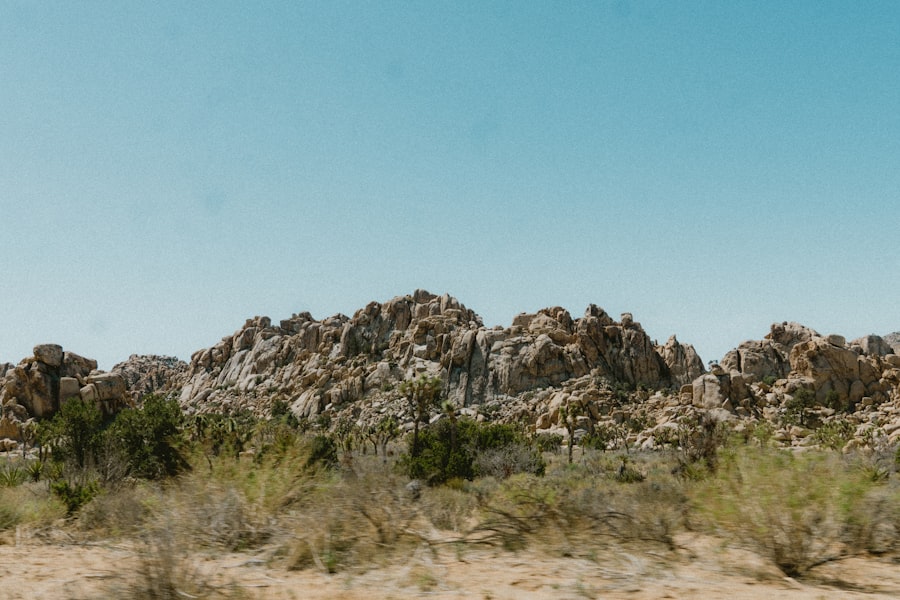
Desert environments, characterized by their arid conditions and extreme temperatures, present a unique landscape that is both harsh and beautiful. These regions, often defined by vast stretches of sand dunes, rocky plateaus, and sparse vegetation, cover approximately one-third of the Earth’s land surface. The climate in deserts is typically marked by low precipitation, high evaporation rates, and significant temperature fluctuations between day and night.
Despite these seemingly inhospitable conditions, deserts are home to a variety of life forms that have adapted to survive in such an environment. The stark beauty of deserts also makes them a focal point for scientific research, particularly in the fields of geology and astronomy. The clear skies and minimal light pollution found in many desert regions provide ideal conditions for astronomical observations.
Furthermore, the geological formations and mineral deposits found in deserts offer insights into the Earth’s history and the processes that have shaped its surface over millions of years.
Key Takeaways
- Desert environments are unique and harsh landscapes that are home to a variety of natural phenomena, including iron meteorites.
- Iron meteorites are formed from the cores of planetesimals and asteroids, and their composition provides valuable insights into the early solar system.
- Iron meteorites are important for scientific research, as they can help scientists understand the formation and evolution of the solar system.
- Threats to iron meteorites in desert environments include erosion, vandalism, and illegal collection, which can impact their scientific value.
- Climate change can also impact iron meteorites in desert environments, leading to increased weathering and degradation.
Formation of Iron Meteorites
Iron meteorites are fascinating celestial objects that originate from the cores of differentiated asteroids. These asteroids, remnants from the early solar system, underwent a process of melting and differentiation, leading to the formation of metallic cores composed primarily of iron and nickel. When these asteroids collided with other celestial bodies or were disrupted by gravitational forces, fragments of their cores were ejected into space.
Over time, some of these fragments made their way to Earth, where they landed in various environments, including deserts. The formation process of iron meteorites is a testament to the dynamic nature of our solar system. As they travel through space, these meteorites can experience extreme temperatures and pressures, which contribute to their unique crystalline structures.
Upon entering the Earth’s atmosphere, they undergo a dramatic transformation as they heat up and begin to melt. This process can create a characteristic fusion crust on their surface, which helps scientists identify them as meteorites upon recovery. The study of these iron meteorites not only provides insights into their formation but also sheds light on the conditions present in the early solar system.
Importance of Iron Meteorites in Scientific Research
Iron meteorites hold immense significance in scientific research due to their unique composition and origin. They are considered time capsules that offer a glimpse into the early solar system’s conditions and processes. By analyzing the isotopic ratios and elemental compositions of these meteorites, scientists can glean information about the formation and evolution of planetary bodies.
This research contributes to a broader understanding of planetary formation theories and the history of our solar system. Moreover, iron meteorites are invaluable for studying the physical properties of materials under extreme conditions. Their metallic nature allows researchers to investigate how these materials behave under high pressures and temperatures, which can have implications for various fields, including materials science and engineering.
Additionally, the study of iron meteorites can provide insights into the potential for resource utilization in space exploration, as they may contain valuable metals that could be mined for future missions.
Threats to Iron Meteorites in Desert Environments
| Threats | Description |
|---|---|
| Weathering | Exposure to moisture and oxygen can cause iron meteorites to rust and deteriorate over time. |
| Erosion | Wind and sand abrasion can wear down the surface of iron meteorites, leading to loss of original features. |
| Theft | Iron meteorites are valuable and can be targeted by thieves, especially in remote desert areas. |
| Illegal Collection | Collectors may illegally remove iron meteorites from their natural desert environment, disrupting scientific study. |
Despite their resilience, iron meteorites face several threats in desert environments that can jeopardize their preservation. One significant threat is human activity, including mining, construction, and tourism. As more people venture into desert regions for exploration or resource extraction, the likelihood of disturbing or damaging these meteorites increases.
The removal of surface materials can lead to the loss of valuable scientific specimens that have remained untouched for millennia. Natural factors also pose risks to iron meteorites in desert settings. Erosion caused by wind and sand can gradually wear away at their surfaces, altering their physical characteristics over time.
Additionally, temperature fluctuations can lead to thermal stress fractures, which may compromise the integrity of these meteorites. The combination of human impact and natural erosion creates a precarious situation for the preservation of iron meteorites in these unique environments.
Impact of Climate Change on Iron Meteorites
Climate change presents an additional layer of complexity regarding the preservation of iron meteorites in desert environments. As global temperatures rise and weather patterns shift, deserts may experience changes in precipitation and temperature extremes that could affect the stability of these meteorites. Increased rainfall events could lead to flash flooding, which may wash away or bury meteorites that were previously exposed on the surface.
Furthermore, climate change can exacerbate existing threats such as erosion and habitat degradation. As vegetation patterns shift due to changing climate conditions, the protective cover that plants provide may diminish, leaving meteorites more vulnerable to wind erosion and other natural forces. The long-term implications of climate change on desert ecosystems could significantly impact the preservation of iron meteorites and their scientific value.
Conservation Efforts for Iron Meteorites
Recognizing the importance of iron meteorites and the threats they face, various conservation efforts have been initiated to protect these valuable specimens. One approach involves establishing protected areas within desert environments where iron meteorites are known to exist. These designated zones can help minimize human interference and provide a safe haven for meteorites to remain undisturbed.
In addition to creating protected areas, researchers are advocating for increased public awareness about the significance of iron meteorites and the need for their conservation. Educational programs aimed at local communities can foster a sense of stewardship and encourage responsible behavior when exploring desert regions. By engaging with the public and promoting conservation efforts, scientists hope to ensure that future generations can continue to study and appreciate these remarkable celestial artifacts.
Role of Desert Environments in Preserving Iron Meteorites
Desert environments play a crucial role in preserving iron meteorites due to their unique climatic conditions. The arid atmosphere limits moisture exposure, reducing the likelihood of corrosion that can occur in more humid environments. Additionally, the lack of vegetation means that meteorites are less likely to be buried or obscured by plant growth, allowing for easier discovery and study.
The geological stability often found in deserts also contributes to the preservation of these meteorites. Many desert regions have experienced minimal tectonic activity over geological time scales, meaning that iron meteorites can remain relatively undisturbed since their arrival on Earth. This stability allows researchers to study them in their original context, providing valuable insights into their history and formation.
Strategies for Protecting Iron Meteorites in Desert Environments
To effectively protect iron meteorites in desert environments, a multifaceted approach is necessary. One strategy involves conducting comprehensive surveys to identify known meteorite locations and assess their condition. By mapping these sites and monitoring any changes over time, researchers can better understand the threats they face and implement targeted conservation measures.
Another important strategy is collaboration with local authorities and organizations involved in land management. By working together, scientists can develop guidelines for responsible exploration and resource extraction that prioritize the preservation of iron meteorites. Establishing protocols for reporting discoveries can also help ensure that newly found specimens are documented and studied rather than lost to human activity.
Collaboration with Local Communities for Iron Meteorite Preservation
Engaging local communities is essential for successful conservation efforts regarding iron meteorites in desert environments. Many indigenous groups have deep cultural connections to these landscapes and possess traditional knowledge about their ecosystems. By involving local communities in conservation initiatives, researchers can benefit from this knowledge while fostering a sense of ownership over the preservation efforts.
Educational outreach programs can also play a vital role in building relationships with local communities. Workshops and informational sessions can raise awareness about the significance of iron meteorites and encourage responsible behavior when exploring desert regions. By creating partnerships with local stakeholders, scientists can enhance conservation efforts while promoting sustainable practices that benefit both people and the environment.
Future Challenges and Opportunities for Iron Meteorite Conservation
As conservation efforts continue to evolve, several challenges lie ahead for protecting iron meteorites in desert environments. Climate change remains a pressing concern that could alter ecosystems and increase vulnerability to erosion and human impact. Additionally, growing interest in space exploration may lead to increased activity in desert regions as researchers seek new resources or conduct experiments related to extraterrestrial materials.
However, these challenges also present opportunities for innovation in conservation strategies. Advances in technology can aid in monitoring meteorite sites more effectively, allowing researchers to track changes over time with greater precision. Furthermore, increased collaboration between scientists, policymakers, and local communities can lead to more comprehensive conservation frameworks that address both environmental concerns and community needs.
The Importance of Preserving Iron Meteorites in Desert Environments
In conclusion, preserving iron meteorites in desert environments is crucial not only for scientific research but also for understanding our planet’s history and the broader cosmos. These celestial artifacts provide invaluable insights into the formation processes of our solar system while offering opportunities for advancements in various scientific fields. However, they face numerous threats from human activity, natural erosion, climate change, and more.
By implementing effective conservation strategies that involve local communities and leverage technological advancements, it is possible to protect these remarkable specimens for future generations. The unique characteristics of desert environments make them ideal locations for preserving iron meteorites; thus, it is imperative that concerted efforts are made to ensure their continued existence amidst an ever-changing world. The legacy of these ancient travelers from space deserves protection as humanity continues its quest for knowledge about its origins and place within the universe.
Deserts play a crucial role in preserving iron meteorites due to their arid conditions and minimal vegetation, which reduce the rate of weathering and corrosion. The dry environment helps maintain the integrity of these extraterrestrial objects, allowing scientists to study them in relatively pristine condition. For more insights into how deserts contribute to the preservation of iron meteorites and other fascinating scientific phenomena, you can read a related article on This resource delves into the unique characteristics of desert landscapes that make them ideal for preserving these cosmic relics. WATCH THIS! They Crashed a US Missile Into the Zone of Silence Iron meteorites are pieces of solid metal that have fallen to Earth from outer space. They are composed mostly of iron and nickel, with small amounts of other elements. Deserts are ideal environments for preserving iron meteorites because the dry climate and lack of vegetation slow down the process of weathering and erosion. This allows the meteorites to remain relatively intact for long periods of time. Iron meteorites are commonly found in deserts because the dry, sandy terrain makes it easier to spot the dark, metallic rocks against the light-colored sand. Additionally, the lack of vegetation and minimal human activity in deserts make it easier to locate and collect meteorites. Iron meteorites can end up in deserts after falling to Earth from space. Once they land, they can become buried in the sand or remain on the surface, where they are preserved by the dry climate and lack of vegetation. Yes, there are several deserts around the world where iron meteorites are commonly found, including the Sahara Desert in Africa, the Atacama Desert in South America, and the Nullarbor Plain in Australia. These deserts are known for their dry, arid conditions, which are ideal for preserving meteorites.FAQs
What are iron meteorites?
How do deserts preserve iron meteorites?
Why are iron meteorites commonly found in deserts?
How do iron meteorites end up in deserts?
Are there specific deserts where iron meteorites are commonly found?