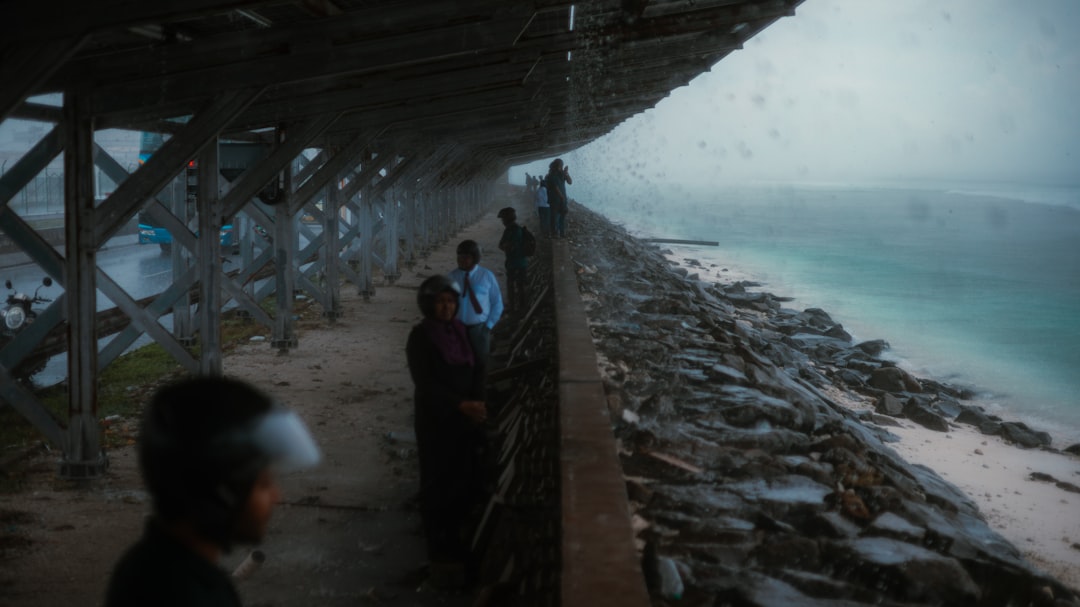
The modern electrical grid, a complex tapestry of generation, transmission, and distribution, forms the backbone of contemporary society. Its consistent operation is paramount for economic stability, public safety, and individual well-being. However, this intricate system is increasingly vulnerable to a diverse array of threats, ranging from extreme weather events to cyberattacks and physical assaults. The concept of “infrastructure hardening” emerges as a critical strategy to enhance the grid’s resilience, ensuring power stability in the face of these challenges.
The vulnerability of electrical infrastructure has been starkly illuminated by numerous events throughout history. Consider, for instance, the widespread blackouts experienced after Hurricane Katrina in 2005, or the more recent incidents of targeted physical attacks on substations. These events underscore a fundamental truth: a static, unchanging grid is inherently fragile in an ever-evolving threat landscape. To address this, a proactive and adaptive approach towards resilience is indispensable. You can learn more about the earth’s magnetic field and its effects on our planet.
Defining Resilience
Resilience, in the context of electrical grids, extends beyond simple reliability. Reliability often refers to the statistical measure of system uptime and component failure rates. Resilience, however, encompasses the ability of the system to anticipate, absorb, recover from, and adapt to disruptive events. It is about bouncing back, and even bouncing forward, stronger than before the disruption. This includes the capacity for graceful degradation, minimizing the impact of failures on a larger scale.
Economic and Societal Impacts of Outages
The consequences of grid failures are multifaceted and severe. Economically, widespread power outages can cripple businesses, halting production, disrupting supply chains, and causing significant financial losses. Hospitals lose critical life support, data centers crash, and communication networks fail. Societally, the disruption can lead to public unrest, endanger vulnerable populations, and impede emergency response efforts. The cost of a single major outage can be in the tens of billions of dollars, making proactive hardening a financially prudent investment.
Grid resilience infrastructure hardening is a critical topic in the face of increasing climate-related challenges and the need for reliable energy systems. For a deeper understanding of the strategies and technologies involved in enhancing grid resilience, you can refer to a related article that discusses innovative approaches and case studies. To explore this further, visit this article.
Hardening Against Physical Threats
Physical hardening addresses the tangible vulnerabilities of grid infrastructure, aiming to protect critical components from direct attacks, natural disasters, and accidental damage. This involves a multi-layered approach, employing both traditional engineering solutions and advanced protective technologies.
Hardening Distribution Networks
The “last mile” of the grid, the distribution network, is often the most exposed and least resilient segment. Overhead lines, while cost-effective to install, are highly susceptible to wind-borne debris, ice storms, and vehicle collisions.
Undergrounding Power Lines
One of the most effective strategies for hardening distribution is the undergrounding of power lines. This practice removes conductors from direct exposure to weather phenomena and reduces their visibility to potential attackers. While costly and more challenging to repair, undergrounding significantly enhances resilience against physical damage and improves aesthetic appeal.
Hardening Poles and Structures
Where undergrounding is not feasible, fortifying existing overhead infrastructure becomes crucial. This includes using stronger poles made of composite materials or reinforced concrete, designed to withstand higher wind loads and impact forces. Guy wires can be strengthened, and vegetation management programs implemented to prevent tree falls from damaging lines.
Protecting Substations and Critical Facilities
Substations are the heart of the transmission and distribution network, converting voltage levels and directing power flow. Their vulnerability makes them prime targets for physical attacks and environmental hazards.
Physical Security Measures
Perimeter security is paramount for substations. This includes robust fencing, integrated with intrusion detection systems such as motion sensors, thermal cameras, and ground-penetrating radar. Access control systems, biometric verification, and armed security personnel can further deter unauthorized entry.
Ballistic and Blast Protection
In high-threat environments, or for particularly critical substations, ballistic and blast protection may be necessary. This involves reinforcing walls and structures with materials resistant to small arms fire, explosives, and vehicle impact. Berms and hardened shelters can also be constructed to protect sensitive equipment.
Flood and Earthquake Mitigation
Many substations are located in flood plains or seismic zones. Flood mitigation measures include elevating critical equipment, constructing floodwalls, and implementing sophisticated drainage systems. Earthquake hardening involves seismic isolation techniques, reinforcing foundations, and securing equipment to withstand ground motion.
Hardening Against Cyber Threats

The increasing digitalization of the grid, particularly with the advent of smart grid technologies, introduces new and complex cybersecurity vulnerabilities. Cyberattacks can range from espionage and data theft to direct operational disruption and potentially physical damage.
Securing Operational Technology (OT)
The operational technology (OT) systems that control the grid, such as SCADA (Supervisory Control and Data Acquisition) systems, PLCs (Programmable Logic Controllers), and RTUs (Remote Terminal Units), are fundamentally different from traditional IT systems. Their security requirements demand specialized approaches.
Network Segmentation and Isolation
Implementing robust network segmentation and isolation is critical. This involves creating air gapped networks or highly segmented zones to prevent lateral movement of attackers from less secure IT networks into critical OT infrastructure. Firewalls, intrusion detection and prevention systems (IDPS), and strict access controls are essential.
Robust Authentication and Authorization
Strong authentication mechanisms, such as multi-factor authentication (MFA), must be implemented for all access to OT systems. Role-based access control (RBAC) ensures that individuals only have the minimum necessary permissions to perform their duties, limiting the potential impact of compromised credentials.
Patch Management and Vulnerability Assessments
Regular patch management for OT systems, while challenging due to uptime requirements and legacy hardware, is non-negotiable. Comprehensive vulnerability assessments and penetration testing should be conducted periodically to identify and address weaknesses before they can be exploited by adversaries.
Protecting Communication Networks
The communication networks that underpin smart grid operations are a prime target for cyberattacks. Disruption of these networks can cascade into widespread operational failures.
Encrypted Communication Channels
All communication links within the grid, particularly those carrying critical control signals, must be robustly encrypted using strong cryptographic algorithms. This protects data in transit from eavesdropping and tampering.
Redundant Communication Pathways
Establishing redundant communication pathways, utilizing diverse technologies (e.g., fiber optic, satellite, cellular) and geographical routes, ensures continued communication even if one pathway is compromised or fails. This provides a critical lifeline for operational control during emergencies.
Adapting to Climate Change and Extreme Weather
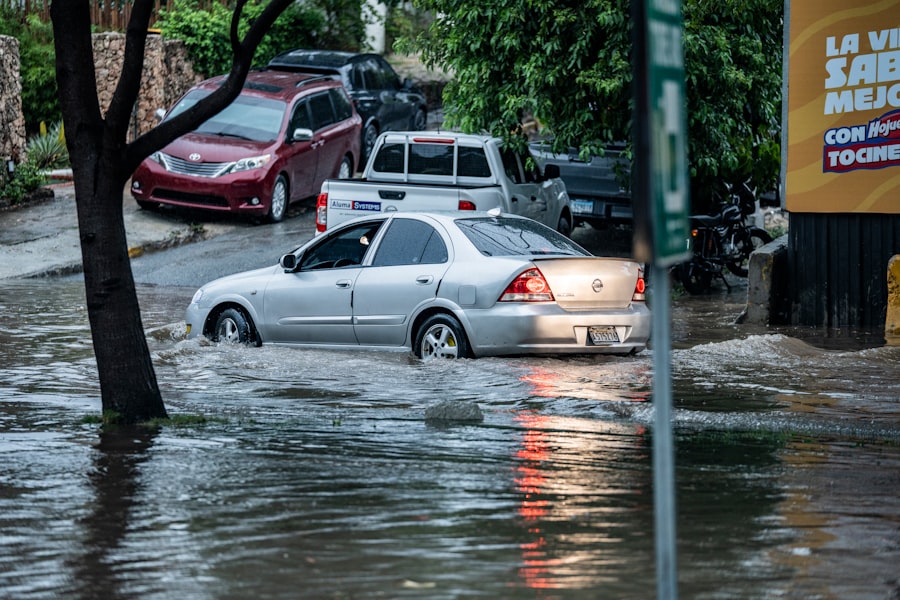
Climate change is accelerating the frequency and intensity of extreme weather events, posing unprecedented challenges to grid stability. Hardening against these threats requires foresight, predictive capabilities, and adaptive engineering.
Weather-Resilient Infrastructure Design
Designing infrastructure with climate resilience in mind is no longer an option but a necessity. This involves incorporating higher design parameters for wind speeds, ice loading, and flood levels.
Advanced Materials and Construction Techniques
Utilizing advanced materials, such as high-strength composites and corrosion-resistant alloys, can extend the lifespan of infrastructure and improve its resistance to harsh conditions. Innovative construction techniques, such as modular design for rapid deployment and recovery, can also enhance resilience.
Vegetation Management Programs
Aggressive and intelligent vegetation management is crucial for preventing widespread outages caused by falling trees and branches during storms. This includes strategically trimming or removing vegetation within rights-of-way and employing remote sensing technologies to identify encroaching vegetation.
Predictive Analytics and Early Warning Systems
Leveraging advanced meteorological models and real-time sensor data allows for proactive measures to be taken before severe weather strikes.
Real-time Weather Monitoring
Implementing a dense network of weather sensors and integrating with national weather services provides grid operators with real-time, localized weather information. This enables timely activation of emergency protocols and pre-positioning of response crews.
Predictive Modeling of Grid Impacts
Sophisticated analytical models can predict the potential impact of forecasted weather events on grid infrastructure. This allows operators to identify vulnerable areas, de-energize at-risk sections, or reroute power proactively, minimizing the scope and duration of outages.
Grid resilience infrastructure hardening is crucial for ensuring the stability and reliability of energy systems, especially in the face of increasing climate-related challenges. A related article discusses innovative strategies for enhancing grid resilience through advanced technologies and community engagement. For more insights on this topic, you can read the article on Freaky Science, which explores various approaches to fortifying our energy infrastructure against potential disruptions.
The Role of Distributed Energy Resources (DERs)
| Metric | Description | Typical Value / Range | Unit | Importance for Grid Resilience |
|---|---|---|---|---|
| System Average Interruption Duration Index (SAIDI) | Average outage duration for each customer served | 30 – 120 | Minutes/year | Lower values indicate better resilience and quicker recovery |
| System Average Interruption Frequency Index (SAIFI) | Average number of interruptions per customer | 0.5 – 2.0 | Interruptions/year | Lower values reflect fewer outages and improved infrastructure hardening |
| Infrastructure Hardening Investment | Capital invested in physical upgrades to withstand extreme events | Varies by region and project | Investment units | Directly improves grid robustness and reduces outage risk |
| Undergrounding Percentage | Percentage of power lines placed underground | 10% – 50% | Percent (%) | Higher undergrounding reduces weather-related outages |
| Microgrid Penetration | Percentage of grid served by microgrids capable of islanding | 5% – 20% | Percent (%) | Enhances local resilience and continuity during main grid failures |
| Grid Automation Level | Extent of automated controls and self-healing capabilities | Low / Medium / High | Qualitative | Higher automation improves fault detection and restoration speed |
| Redundancy Ratio | Ratio of backup capacity to primary capacity | 1.1 – 1.5 | Ratio | Higher redundancy supports continuous operation during component failures |
| Storm Hardening Measures | Number of implemented measures such as stronger poles, guy wires, and tree trimming | Varies | Count | Reduces damage and outage duration from storms |
The proliferation of Distributed Energy Resources (DERs) such as rooftop solar, battery storage, and microgrids presents both opportunities and challenges for grid resilience. When integrated strategically, DERs can significantly enhance power stability during disruptions.
Microgrids for Localized Resilience
Microgrids are localized electricity grids that can operate independently from the main grid. They draw power from local DERs and can “island” themselves during outages, providing continuous power to critical loads.
Critical Infrastructure Resilience
Deploying microgrids at essential facilities like hospitals, emergency centers, and military bases ensures their continued operation during widespread blackouts. This localized resilience acts as a lifeboat, keeping vital services functional when the larger grid falters.
Community Energy Independence
Community microgrids can provide energy independence for entire neighborhoods, fostering a sense of security and supporting local economies even when the broader grid is compromised. This distributed approach reduces reliance on lengthy transmission lines, which are often the first to fail during major events.
Smart Grid Integration of DERs
The effective integration of DERs into the broader grid requires advanced smart grid technologies and sophisticated control systems.
Advanced Grid Control Systems
Advanced distribution management systems (ADMS) and energy management systems (EMS) are essential for coordinating the operation of DERs, managing power flow, and optimizing their contribution to grid stability during both normal and emergency conditions.
Virtual Power Plants (VPPs)
Virtual Power Plants aggregate numerous DERs into a single, controllable entity. This allows grid operators to dispatch and optimize DERs as if they were a conventional power plant, providing services like frequency regulation and demand response, further enhancing grid stability.
Building resilient grids is not merely an engineering challenge; it is a societal imperative. It demands a holistic, multi-faceted approach that addresses threats from all angles – physical, cyber, and environmental. By investing in infrastructure hardening, leveraging advanced technologies, and strategically integrating distributed energy resources, nations can ensure a stable and reliable power supply for future generations. The grid, much like a living organism, must be able to adapt, heal, and evolve to withstand the tempests of the 21st century.
WATCH THIS! 🌍 EARTH’S MAGNETIC FIELD IS WEAKENING
FAQs
What is grid resilience?
Grid resilience refers to the ability of the electrical power grid to anticipate, withstand, adapt to, and rapidly recover from disruptive events such as natural disasters, cyberattacks, or equipment failures.
What does infrastructure hardening mean in the context of the power grid?
Infrastructure hardening involves strengthening the physical components of the power grid—such as substations, transmission lines, and transformers—to reduce their vulnerability to damage from extreme weather, physical attacks, or other hazards.
Why is grid resilience important?
Grid resilience is crucial to ensure continuous and reliable electricity supply, minimize outages, protect public safety, support economic stability, and enable quick recovery after disruptions.
What are common methods used to harden grid infrastructure?
Common methods include installing stronger poles and towers, undergrounding power lines, reinforcing substations with flood barriers, using advanced materials resistant to weather damage, and implementing smart grid technologies for better monitoring and control.
How do natural disasters impact grid infrastructure?
Natural disasters like hurricanes, wildfires, floods, and ice storms can cause physical damage to power lines, poles, and equipment, leading to widespread outages and prolonged recovery times.
What role does technology play in enhancing grid resilience?
Technologies such as smart sensors, automated switches, real-time monitoring systems, and distributed energy resources help detect issues quickly, isolate faults, and restore power more efficiently.
Are there regulatory standards for grid resilience and infrastructure hardening?
Yes, various regulatory bodies and industry organizations set standards and guidelines to improve grid resilience, including requirements for equipment durability, emergency response planning, and cybersecurity measures.
How does infrastructure hardening affect the cost of electricity?
While infrastructure hardening requires upfront investment, it can reduce long-term costs by minimizing outage-related losses, lowering maintenance expenses, and improving overall system reliability.
Can renewable energy sources contribute to grid resilience?
Yes, integrating distributed renewable energy sources like solar and wind, along with energy storage systems, can enhance grid resilience by providing localized power and reducing dependence on centralized infrastructure.
What challenges exist in implementing grid resilience and infrastructure hardening?
Challenges include high costs, regulatory hurdles, coordination among multiple stakeholders, technological integration, and balancing resilience improvements with environmental and community impacts.