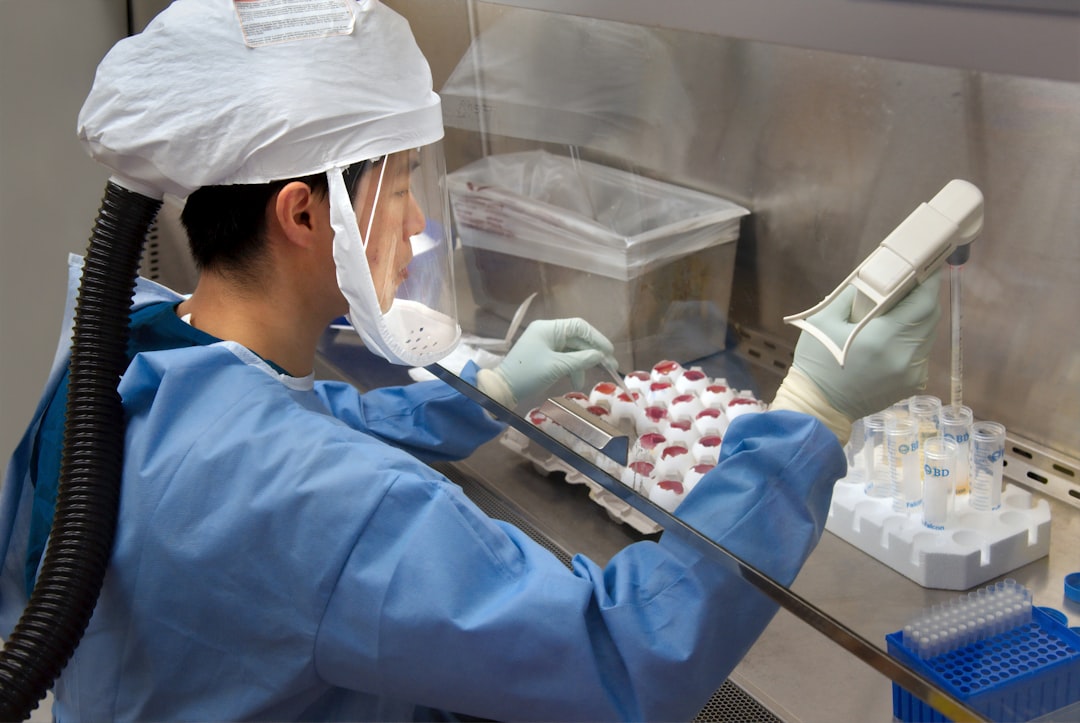
In an era marked by rapid advancements in biotechnology, the potential for engineered pathogens to cause widespread disease has emerged as a significant concern. Biotech pandemic risk refers to the possibility that biological agents, whether naturally occurring or artificially created, could lead to global health crises.
The implications of such risks extend beyond health, affecting economies, social structures, and international relations. As scientists continue to explore the frontiers of genetic engineering, synthetic biology, and other biotechnological innovations, the potential for misuse or accidental release of harmful agents looms large. The dual-use nature of many biotechnological advancements—wherein they can be employed for both beneficial and malicious purposes—adds a layer of complexity to the discourse surrounding biotech pandemic risk.
Understanding this multifaceted issue is crucial for developing effective strategies to mitigate potential threats and safeguard public health.
Key Takeaways
- Biotech pandemics pose a significant emerging threat due to advances in biotechnology and synthetic biology.
- Historical cases highlight the potential for engineered pathogens to cause widespread health crises.
- Multiple factors, including technological accessibility and biosecurity gaps, increase the risk of biotech pandemics.
- Coordinated global efforts and ethical considerations are crucial in mitigating and managing these risks.
- Emerging technologies and improved risk assessment strategies offer hope for better prevention and response in the future.
Understanding the Potential Threat of Biotech Pandemics
The threat posed by biotech pandemics is not merely theoretical; it is grounded in the realities of modern science and technology. Advances in genetic engineering have made it possible to manipulate organisms at a molecular level, creating new pathogens that could evade existing immune responses or treatments. This capability raises alarms about the potential for engineered viruses or bacteria to emerge, which could spread rapidly across populations, leading to devastating health outcomes.
Moreover, the global interconnectedness of societies today means that a localized outbreak can quickly escalate into a worldwide crisis. The ease of international travel and trade facilitates the rapid dissemination of pathogens, making containment efforts increasingly challenging. As such, the potential for biotech pandemics necessitates a comprehensive understanding of both the scientific principles involved and the socio-political dynamics that influence public health responses.
Historical Examples of Biotech Pandemics
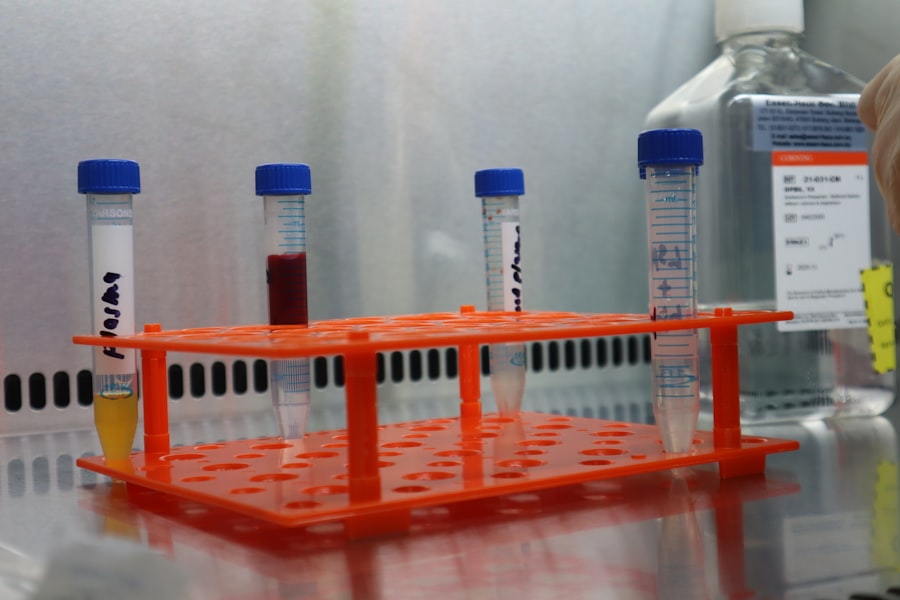
While the concept of biotech pandemics may seem contemporary, historical precedents exist that illustrate the dangers associated with biological manipulation. One notable example is the 1977 outbreak of H1N1 influenza, which some researchers believe may have originated from a laboratory accident involving a vaccine strain. This incident underscores the risks inherent in manipulating viral genomes and highlights the potential for unintended consequences when biotechnology is employed without stringent oversight.
Another significant case is the development and use of biological weapons during the Cold War. Nations engaged in bioweapons research created pathogens with the intent to incapacitate or kill adversaries. Although these programs were largely dismantled following international treaties, the legacy of such research remains a cautionary tale about the potential for biotechnology to be weaponized.
These historical examples serve as reminders of the importance of vigilance and ethical considerations in biotechnological advancements.
Factors Contributing to the Risk of Biotech Pandemics
Several factors contribute to the increasing risk of biotech pandemics in today’s world. First and foremost is the rapid pace of technological advancement in biotechnology. Techniques such as CRISPR gene editing and synthetic biology have democratized access to powerful tools that can create or modify organisms with unprecedented precision.
While these technologies hold great promise for medicine and agriculture, they also pose risks if misused or mishandled. Additionally, globalization plays a critical role in amplifying these risks. The movement of people, goods, and information across borders facilitates not only innovation but also the potential spread of engineered pathogens.
Furthermore, inadequate regulatory frameworks in some regions may allow for lax oversight of biotechnological research and development, increasing the likelihood of accidents or intentional misuse. These factors collectively create an environment where biotech pandemics could emerge more readily than in previous eras.
Assessing the Likelihood of Biotech Pandemics
| Metric | Description | Current Value | Trend | Source |
|---|---|---|---|---|
| Number of Biotech Labs Handling Pathogens | Count of laboratories worldwide working with high-risk pathogens | 1,200 | Increasing | WHO |
| Reported Lab Accidents (Annual) | Incidents involving accidental release or exposure to pathogens | 15 | Stable | CDC |
| Global Pandemic Preparedness Index | Composite score measuring readiness for pandemics | 65/100 | Improving | Global Health Security Index |
| Biotech Research Funding (Annual) | Investment in biotech research related to infectious diseases | 45 billion | Increasing | OECD |
| Frequency of Emerging Infectious Diseases | Number of new infectious diseases identified per year | 5 | Increasing | WHO |
| Percentage of Labs with Biosafety Level 3 or Higher | Proportion of labs equipped for handling dangerous pathogens | 30% | Increasing | NIH |
| Global Biotech Workforce Size | Number of professionals working in biotech pandemic research | 250,000 | Increasing | Industry Reports |
Assessing the likelihood of biotech pandemics involves a complex interplay of scientific analysis, risk assessment methodologies, and socio-political considerations. Experts in epidemiology and biosecurity utilize various models to predict how engineered pathogens might behave in populations, taking into account factors such as transmission rates, virulence, and public health responses. However, predicting human behavior in response to an outbreak adds another layer of uncertainty to these assessments.
Moreover, the emergence of new technologies can shift risk profiles rapidly. For instance, advancements in artificial intelligence may enhance predictive modeling capabilities but could also lead to new vulnerabilities if AI systems are employed in bioweapons development. As such, ongoing research and collaboration among scientists, policymakers, and public health officials are essential for continuously updating risk assessments and preparing for potential biotech pandemics.
Impact of Biotech Pandemics on Global Health and Economy
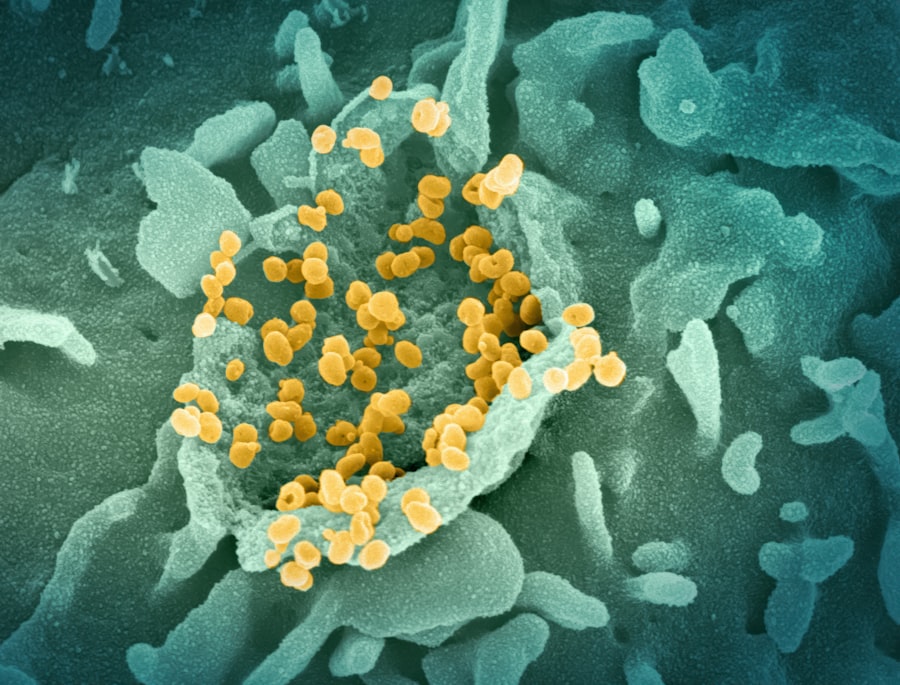
The ramifications of biotech pandemics extend far beyond immediate health concerns; they can have profound effects on global economies and social structures. A widespread outbreak can overwhelm healthcare systems, leading to increased morbidity and mortality rates. The strain on medical resources can result in delayed treatments for non-pandemic-related conditions, exacerbating overall public health crises.
Economically, biotech pandemics can disrupt supply chains, reduce workforce productivity, and lead to significant financial losses across various sectors. The COVID-19 pandemic serves as a stark reminder of how quickly economies can falter in the face of a health crisis. Businesses may close their doors permanently due to prolonged lockdowns or reduced consumer confidence, while governments may face mounting pressure to provide financial support to affected populations.
The interconnectedness of global markets means that the impact of a biotech pandemic can reverberate across nations, highlighting the need for coordinated international responses.
Current Efforts to Mitigate Biotech Pandemic Risk
In response to the growing awareness of biotech pandemic risks, various initiatives have been launched to mitigate potential threats. Research institutions and governments are investing in biosecurity measures aimed at preventing accidental releases or intentional misuse of biological agents. This includes establishing stringent laboratory safety protocols and promoting responsible research practices among scientists.
Additionally, international collaborations are being fostered to enhance surveillance systems for detecting emerging pathogens. Organizations such as the World Health Organization (WHO) are working with member states to develop frameworks for rapid response to outbreaks, including those caused by engineered organisms. These efforts underscore the importance of proactive measures in safeguarding public health against potential biotech pandemics.
Role of Government and International Organizations in Addressing Biotech Pandemic Threats
Governments play a pivotal role in addressing biotech pandemic threats through policy formulation and regulatory oversight. National governments are tasked with creating frameworks that govern biotechnological research while ensuring public safety. This includes establishing guidelines for laboratory practices, funding research on biosecurity measures, and fostering collaboration between public health agencies and scientific communities.
International organizations also play a crucial role in coordinating responses to biotech pandemic threats. The WHO, for instance, provides guidance on best practices for outbreak preparedness and response while facilitating information sharing among countries. Collaborative efforts such as the Global Health Security Agenda aim to strengthen global capacities for detecting and responding to biological threats, emphasizing the need for a unified approach in tackling these complex challenges.
Ethical and Social Implications of Biotech Pandemics
The ethical considerations surrounding biotech pandemics are multifaceted and warrant careful examination. The potential for engineered pathogens raises questions about responsibility—who is accountable if a bioweapon is released or if an accidental outbreak occurs? Furthermore, issues related to consent and transparency in biotechnological research must be addressed to ensure public trust in scientific endeavors.
Social implications also arise from the fear and stigma associated with outbreaks caused by engineered organisms.
Addressing these ethical and social dimensions is essential for fostering resilience within societies facing the threat of biotech pandemics.
Future Trends and Emerging Technologies in Biotech Pandemic Risk Assessment
As technology continues to evolve, new tools and methodologies are emerging that could enhance our ability to assess biotech pandemic risks effectively. Advances in genomics and bioinformatics are enabling researchers to analyze pathogen genomes more rapidly, facilitating early detection of engineered organisms that may pose threats. Additionally, machine learning algorithms are being developed to predict outbreak patterns based on vast datasets from previous pandemics.
Moreover, innovations in vaccine development—such as mRNA technology—hold promise for rapid responses to emerging threats. These advancements could revolutionize how societies prepare for potential biotech pandemics by enabling swift production and distribution of vaccines tailored to specific pathogens. However, as these technologies advance, ethical considerations surrounding their use must remain at the forefront of discussions about public health preparedness.
Strategies for Managing and Preventing Biotech Pandemics
In conclusion, managing and preventing biotech pandemics requires a multifaceted approach that encompasses scientific innovation, regulatory oversight, international collaboration, and ethical considerations. As biotechnology continues to advance at an unprecedented pace, it is imperative that stakeholders remain vigilant in assessing risks and implementing strategies that prioritize public health. Proactive measures such as enhancing biosecurity protocols, fostering global partnerships for surveillance and response, and promoting responsible research practices will be essential in mitigating potential threats posed by engineered pathogens.
By addressing both the scientific and socio-political dimensions of biotech pandemic risk, societies can better prepare for future challenges while safeguarding global health and well-being.
In the context of understanding the implications of biotechnology on pandemic risk, the article on Freaky Science provides valuable insights into the intersection of these fields. You can read more about it in the article titled “Biotech and Pandemic Preparedness” available at Freaky Science. This resource discusses how advancements in biotech can both mitigate and exacerbate the risks associated with emerging infectious diseases.
WATCH THIS! 🌌 Where Is Everybody? The Discovery That Would End Civilization 🌌
FAQs
What is biotech pandemic risk?
Biotech pandemic risk refers to the potential threat of a widespread infectious disease outbreak caused or exacerbated by advances in biotechnology. This includes risks from engineered pathogens, accidental releases from laboratories, or misuse of biological research.
How can biotechnology contribute to pandemic risks?
Biotechnology can contribute to pandemic risks through the creation or modification of pathogens that may be more transmissible, virulent, or resistant to existing treatments. Accidental lab leaks or deliberate misuse of synthetic biology tools can also increase the likelihood of outbreaks.
What measures are in place to mitigate biotech pandemic risks?
Measures include strict biosafety and biosecurity protocols in research facilities, regulatory oversight of genetic engineering activities, international collaboration on pathogen research, and development of rapid detection and response systems for emerging infectious diseases.
Why is monitoring biotech pandemic risk important?
Monitoring biotech pandemic risk is crucial to prevent or quickly contain outbreaks that could have severe public health, economic, and social impacts globally. Early detection and risk assessment help guide policy decisions and resource allocation for preparedness.
Can biotechnology also help prevent pandemics?
Yes, biotechnology plays a key role in pandemic prevention by enabling the development of vaccines, diagnostics, antiviral drugs, and improved surveillance technologies that can detect and control infectious diseases more effectively.
What role do international organizations play in managing biotech pandemic risks?
International organizations like the World Health Organization (WHO) and the Biological Weapons Convention (BWC) facilitate cooperation, set guidelines, and promote transparency among countries to reduce the risks associated with biotechnology and pandemics.
Are there ethical concerns related to biotech pandemic risk?
Yes, ethical concerns include dual-use research (where scientific work intended for good could be misused), equitable access to biotechnology benefits, and ensuring that research does not disproportionately endanger certain populations or violate human rights.
How can individuals stay informed about biotech pandemic risks?
Individuals can stay informed by following updates from reputable public health agencies, scientific organizations, and trusted news sources that report on biotechnology developments and infectious disease threats.