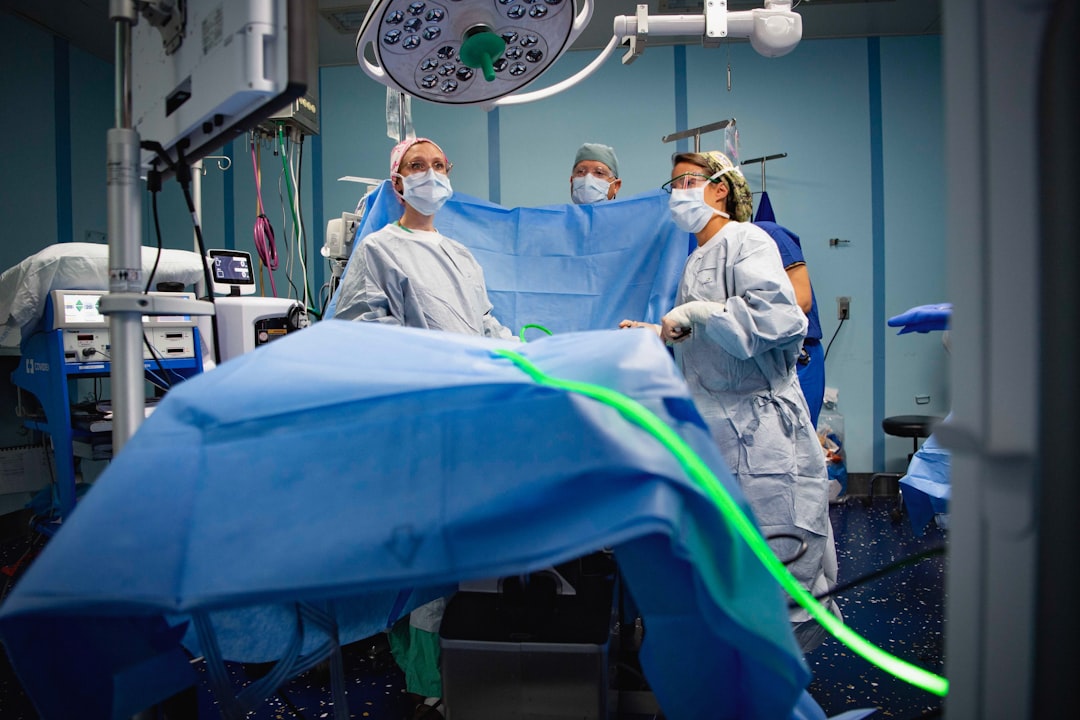
The landscape of neurosurgery, a discipline grappling with the intricate complexities of the human nervous system, is undergoing a significant transformation – a quiet revolution driven by the evolution of disposable neurosurgical tools. These once-niche instruments are now emerging from the shadows, offering surgeons enhanced precision, improved patient safety, and greater operational efficiency. For centuries, neurosurgical interventions, like navigating a labyrinth blindfolded, relied on reusable instruments, demanding meticulous sterilization processes and carrying inherent risks. However, the advent and refinement of disposable technologies are dismantling these age-old barriers, presenting a stark contrast to the traditional approach.
The demanding nature of neurosurgery necessitates tools of exceptional caliber. The brain and spinal cord are not forgiving canvases; even minor deviations can have profound consequences. Historically, reusable instruments, crafted from durable metals, were the bedrock of these procedures. While effective, their perpetual reuse presented a persistent challenge: the specter of surgical site infections. Even with stringent sterilization protocols, the potential for microscopic contamination remained, a lingering concern for both patient and surgeon. Furthermore, the wear and tear associated with repeated autoclaving could subtly alter the ergonomics or performance of delicate instruments, like a seasoned craftsman’s favorite chisel gradually losing its edge.
The Shadow of Sterilization and Infection Control
The meticulous process of sterilizing reusable neurosurgical instruments is a critical, yet often invisible, battleground. Each instrument, after a complex surgery, embarks on a journey through cleaning, disinfection, and sterilization cycles. This journey is not without its vulnerabilities. Biofilms, tenacious colonies of microorganisms embedded in protective matrices, can cling stubbornly to instrument surfaces, proving resistant to even the most aggressive sterilization techniques. Even single-use items, if mishandled or stored improperly prior to use, can become vulnerable. The economic and logistical burden of maintaining this complex sterilization infrastructure is also substantial, consuming significant resources in terms of personnel, equipment, and downtime. The pursuit of infection control, therefore, becomes a paramount driver, pushing the boundaries of material science and manufacturing for neurosurgical tools.
Evolving Surgical Demands and the Quest for Precision
Neurosurgery is not a static field; it is a dynamic landscape constantly being reshaped by advancements in imaging, understanding of neuroanatomy, and the development of minimally invasive techniques. As surgeons venture deeper into the intricate neural pathways, the demand for instruments that offer unparalleled precision intensifies. The ability to manipulate delicate neural tissues with the finesse of a watchmaker assembling a complex timepiece is no longer a luxury but a necessity. Traditional instruments, while robust, may lack the micro-scale control required for today’s sophisticated procedures. This evolving surgical paradigm acts as a powerful catalyst, propelling the development of materials and designs specifically engineered for nuanced manipulations, often in confined anatomical spaces.
Disposable surgical instruments have become increasingly important in neurosurgery, providing a sterile and efficient alternative to reusable tools. A related article that explores the advancements and benefits of these instruments can be found at Freaky Science. This resource delves into the impact of disposable instruments on surgical outcomes, infection control, and overall patient safety, highlighting their growing role in modern medical practices.
Material Science Breakthroughs Fueling Disposable Instrument Design
The transformation in disposable neurosurgical tools is inextricably linked to revolutionary advancements in material science. The development of biocompatible polymers, advanced ceramics, and novel metal alloys has unlocked possibilities previously unimagined. These materials are not merely substitutes for traditional metals; they offer unique properties that enhance instrument performance and safety.
Biocompatible Polymers: The Foundation of Modern Disposables
Polymers, once considered too fragile for surgical applications, have undergone a remarkable metamorphosis. Through sophisticated engineering, medical-grade polymers now exhibit exceptional tensile strength, chemical resistance, and biocompatibility. These characteristics are fundamental to the creation of disposable tools that can withstand the rigors of the operating room environment without degrading or eliciting adverse biological responses. Think of them as sophisticated scaffolding, providing structural integrity without compromising the biological harmony of the surgical site. The ability to mold these polymers into complex shapes also facilitates the creation of intricate, specialized instruments that would be prohibitively expensive or difficult to manufacture using traditional metalworking.
Advanced Ceramics: Sharpness and Inertness Redefined
Ceramics, known for their hardness and inertness, are finding new life in disposable neurosurgical instruments. Ceramic blades, for instance, can achieve and maintain an exceptional degree of sharpness, enabling precise incisions with minimal tissue trauma. Unlike metal blades, ceramics are non-reactive, meaning they do not interact chemically with bodily fluids or tissues, further reducing the risk of adverse reactions. Their inherent stiffness also contributes to predictable and controlled cutting performance. Imagine a scalpel forged from a material that remains impossibly sharp, cutting through tissue like a hot knife through butter, without leaving behind any metallic residue.
Novel Metal Alloys: Enhancing Strength and Reducing Artifacts
While polymers and ceramics are gaining prominence, advances in metal alloys continue to play a vital role. The development of specialized superalloys and titanium-based composites offers superior strength-to-weight ratios and enhanced corrosion resistance. These materials allow for the creation of thinner, stronger, and more maneuverable instruments. Furthermore, certain novel alloys are designed to minimize artifacts in neuroimaging modalities such as MRI, a crucial consideration for intraoperative imaging and postoperative follow-up. This means surgeons can operate with confidence, knowing their instruments will not obscure vital diagnostic information.
The Expanding Spectrum of Disposable Neurosurgical Tools
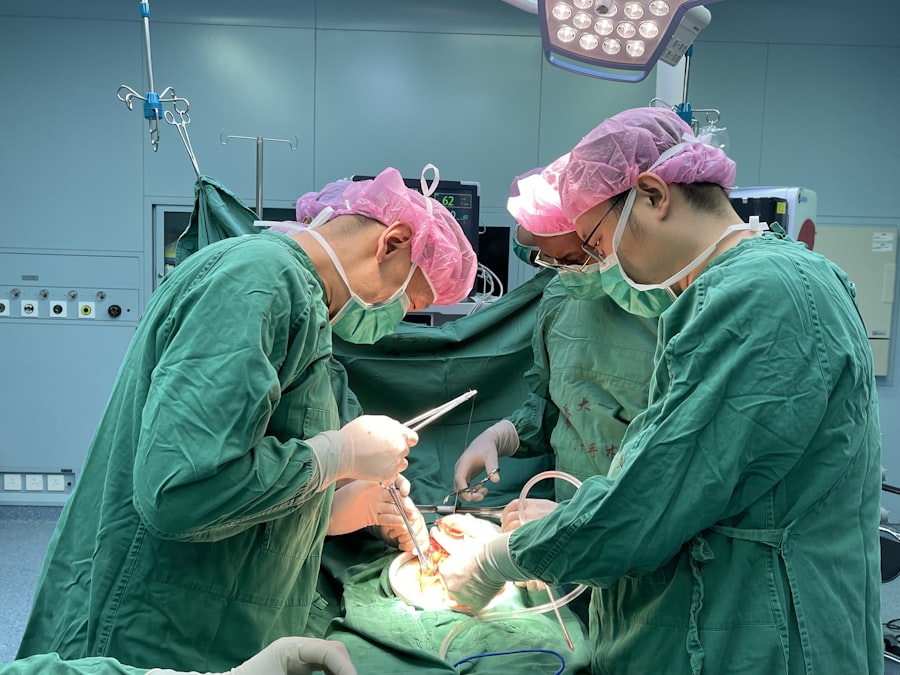
The initial wave of disposable neurosurgical instruments primarily focused on blades and simple cutting tools. Today, the market boasts a comprehensive range of specialized devices, catering to diverse neurosurgical subspecialties and complex procedures. This expansion reflects a growing recognition of the tangible benefits these tools offer across the entire surgical spectrum.
Disposable Blades and Scalpels: A Sharper Edge for Precision
The humble scalpel has been reimagined in disposable form, offering surgeons a consistently sharp and sterile cutting edge for every procedure. Beyond standard scalpels, specialized disposable blades with innovative geometries and coatings are emerging. These are designed for specific tasks, such as excising tumors with minimal disruption to surrounding neural tissue, or creating precise entry points for endoscopic instruments. The predictability of a fresh, sharp blade is a significant advantage, offering control that can be compromised by the dulling effect of repeated use on traditional instruments.
Micro-instruments for Minimally Invasive Surgery
The rise of minimally invasive neurosurgery, akin to navigating intricate tunnels with specialized vehicles, has been a major driver for the development of ultra-fine disposable instruments. Endoscopic dissectors, micro-forceps, and specialized graspers designed for single-use provide surgeons with the delicate manipulation capabilities required within confined anatomical spaces. These instruments are often manufactured with extremely tight tolerances, ensuring precise interaction with delicate neural structures. Their disposable nature eliminates the need for complex reassembly and sterilization of these intricate components, streamlining the surgical workflow.
Specialized Drills and Burrs: Precision in Bone and Tissue Ablation
Procedures involving the cranial vault or vertebral column require precise bone removal. Disposable neurosurgical drills and burrs, crafted from advanced materials, are offering enhanced control and reduced thermal damage to surrounding tissues. These instruments are engineered to efficiently ablate bone while minimizing heat generation, a critical factor in preventing thermal injury to underlying neural structures. The consistent sharpness and design of disposable burrs ensure predictable performance, which is crucial when working in close proximity to the brain and spinal cord.
Enhancing Patient Safety and Reducing the Risk of Complications
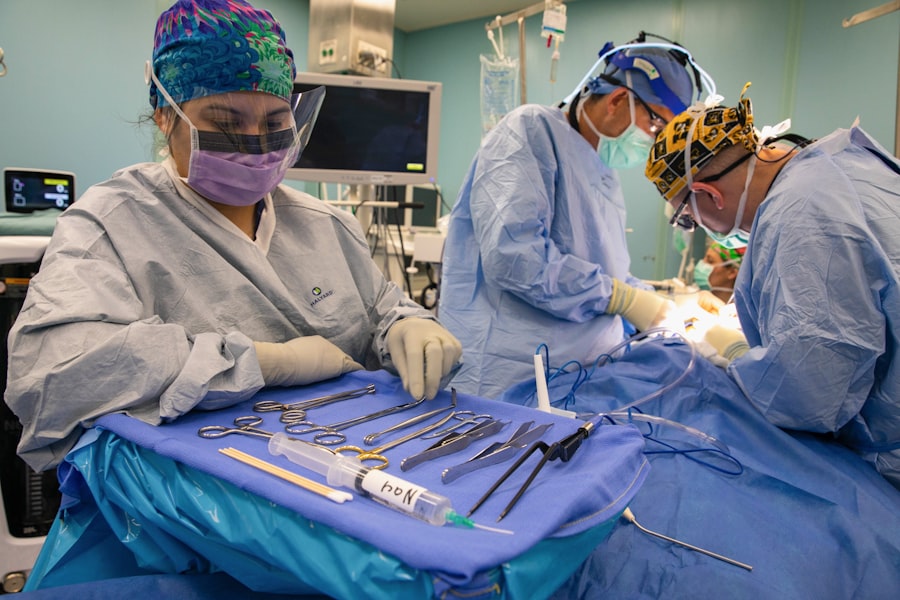
The primary advantage of disposable neurosurgical tools, albeit one that is often understated in its direct impact, lies in their contribution to patient safety and the reduction of iatrogenic complications. By mitigating the risks associated with reusable instruments, these innovations offer a tangible benefit to those undergoing neurosurgical interventions.
Eliminating the Risk of Cross-Contamination
The most significant advantage of disposable instruments is the complete elimination of cross-contamination between patients. Each instrument is sterile out of the package, providing a pristine starting point for every procedure. This directly addresses the persistent threat of hospital-acquired infections, a concern that casts a long shadow over any surgical endeavor. For patients undergoing delicate neurosurgical procedures, where the immune system may already be compromised, this reduction in infection risk is paramount.
Minimized Tissue Trauma and Improved Healing
The enhanced sharpness and precision of many disposable neurosurgical instruments can lead to minimized tissue trauma during dissection and resection. Cleaner incisions and gentler manipulation of neural tissues can contribute to improved postoperative healing and potentially reduce the incidence of complications such as inflammation and scarring. Imagine a surgeon working with tools that are as precise and gentle as a painter carefully applying fine strokes of pigment, rather than using blunt instruments that could smudge and distort the underlying artwork.
Reduced Surgical Time and Improved Workflow Efficiency
The elimination of sterilization and reprocessing cycles for disposable instruments translates directly into reduced turnover time between cases. This can lead to improved operating room efficiency, allowing for more procedures to be performed within a given timeframe. Furthermore, surgeons have immediate access to a fresh supply of instruments, eliminating any delays associated with instrument availability or preparation. This streamlined workflow can contribute to a more focused and efficient surgical team.
In recent discussions about advancements in neurosurgery, the use of disposable surgical instruments has gained significant attention due to their potential to enhance safety and efficiency in operating rooms. A related article explores the benefits and challenges associated with these innovative tools, highlighting their role in reducing the risk of infection and streamlining surgical procedures. For more insights on this topic, you can read the full article here.
The Path Forward: Challenges and Future Trajectories
| Instrument | Type | Material | Average Length (cm) | Sterilization Method | Typical Use | Cost Range |
|---|---|---|---|---|---|---|
| Disposable Scalpel | Cutting | Stainless Steel | 15 | Pre-sterilized, single-use | Initial incision and tissue dissection | 5 – 15 |
| Disposable Bipolar Forceps | Coagulation | Stainless Steel with insulated tips | 20 | Pre-sterilized, single-use | Hemostasis during microsurgery | 50 – 120 |
| Disposable Suction Tube | Suction | Plastic (PVC) | 25 | Pre-sterilized, single-use | Removal of fluids and debris | 10 – 25 |
| Disposable Micro Scissors | Cutting | Stainless Steel | 12 | Pre-sterilized, single-use | Fine tissue dissection | 15 – 40 |
| Disposable Needle Holder | Suturing | Stainless Steel | 14 | Pre-sterilized, single-use | Holding needles for suturing | 20 – 50 |
Despite the undeniable advantages, the widespread adoption of disposable neurosurgical tools is not without its hurdles. Economic considerations, environmental impact, and the inherent need for continuous innovation present ongoing challenges that shape the future trajectory of this field.
Economic Considerations and Cost-Effectiveness
The initial cost of disposable neurosurgical instruments can be higher than their reusable counterparts. However, a comprehensive cost-effectiveness analysis needs to consider the reduced expenses associated with sterilization, reprocessing, instrument repair, and the potential financial burden of infection-related complications. As manufacturing processes become more refined and economies of scale are realized, the cost differential is likely to diminish further, making disposables an increasingly attractive economic proposition.
Environmental Impact and Sustainability Concerns
A significant concern surrounding disposable medical devices is their environmental impact. The generation of medical waste, often requiring specialized disposal methods, raises questions about sustainability. Research is ongoing into developing biodegradable polymers and implementing robust recycling programs for medical waste. As the field matures, a greater emphasis will be placed on developing “greener” disposable neurosurgical tools and more sustainable waste management strategies. This is akin to a gardener tending to their plot, ensuring that the tools they use do not harm the very soil they cultivate.
Continued Research and Development in Multifunctional and Smart Instruments
The future of disposable neurosurgical tools lies in the development of increasingly sophisticated and multifunctional devices. This includes the integration of sensing technologies, enabling real-time feedback on tissue characteristics or instrument placement. The concept of “smart instruments” that can communicate with surgical navigation systems or provide haptic feedback to the surgeon is no longer science fiction but a burgeoning reality. Furthermore, the development of modular disposable instruments that can be customized or assembled intraoperatively to meet specific surgical needs holds significant promise. The journey of these humble tools, from basic cutting implements to potentially intelligent assistants in the operating room, is far from over. They are, and will continue to be, vital companions in the delicate art of navigating the human nervous system.
FAQs
What are disposable surgical instruments used in neurosurgery?
Disposable surgical instruments for neurosurgery are single-use tools designed specifically for brain and spinal surgeries. They are intended to be used once and then discarded to prevent contamination and infection.
Why are disposable instruments preferred in neurosurgery?
Disposable instruments reduce the risk of cross-contamination and infection, ensure consistent sharpness and performance, and eliminate the need for sterilization between procedures, which can save time and resources.
What types of disposable instruments are commonly used in neurosurgery?
Common disposable instruments include scalpels, forceps, suction tips, needle holders, and retractors, all designed to meet the precision and sterility requirements of neurosurgical procedures.
Are disposable neurosurgical instruments as effective as reusable ones?
Yes, disposable instruments are manufactured to meet strict quality standards and are often made with advanced materials to ensure they perform as effectively as reusable instruments during surgery.
How do disposable surgical instruments impact the cost of neurosurgical procedures?
While disposable instruments may increase per-procedure costs due to single use, they can reduce overall expenses by lowering infection rates, minimizing sterilization costs, and improving surgical efficiency.