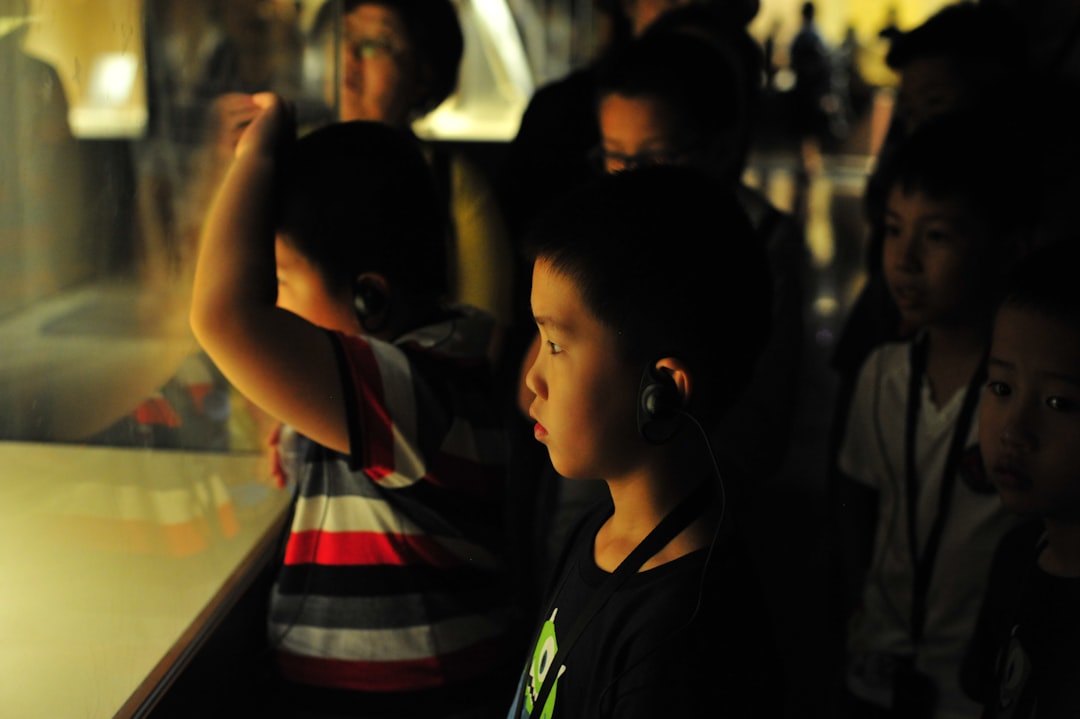
Cultural evolution is a complex, dynamic process encompassing changes in human societies over time. It involves the interplay of social structures, beliefs, practices, and technologies. Societies adapt to challenges and opportunities, developing new cultural norms and values.
This transformation isn’t linear but features cycles of innovation, adaptation, and occasional regression. Understanding cultural evolution requires examining the diverse influences shaping human experiences and interactions. Studying cultural evolution helps explain how societies function and how individuals relate within them.
It provides historical context for contemporary issues, showing how past events continue to influence current cultural landscapes. By understanding mechanisms of cultural change, researchers gain appreciation for human diversity and shared experiences connecting communities. This knowledge is particularly valuable in today’s interconnected world, where cultural exchanges occur with unprecedented frequency and impact.
Key Takeaways
- Technology and social media are key drivers accelerating cultural evolution globally.
- Globalization and multiculturalism foster diverse cultural exchanges and transformations.
- Education, art, and media play crucial roles in shaping and advancing culture.
- Environmental changes and political governance significantly influence cultural development.
- Understanding and adapting to rapid cultural evolution is essential for future societal progress.
The Role of Technology in Cultural Advancements
Technology has always played a pivotal role in shaping cultural advancements throughout history. From the invention of the wheel to the advent of the internet, technological innovations have transformed the way people communicate, work, and interact with their environment. Each technological breakthrough has not only facilitated practical improvements but has also influenced cultural practices and social norms.
For instance, the printing press revolutionized the dissemination of knowledge, leading to increased literacy rates and the spread of new ideas during the Renaissance. This shift in access to information fundamentally altered cultural landscapes across Europe and beyond. In contemporary society, technology continues to drive cultural evolution at an unprecedented pace.
The rise of digital communication tools has redefined interpersonal relationships and community dynamics. Social media platforms enable individuals to connect across vast distances, share experiences, and engage in cultural exchanges that were once unimaginable. This digital interconnectedness fosters a sense of global citizenship while simultaneously allowing for the preservation and promotion of local cultures.
However, it also raises questions about cultural homogenization and the potential loss of unique identities as dominant cultures exert influence over others.
Accelerating Globalization and its Impact on Cultural Evolution
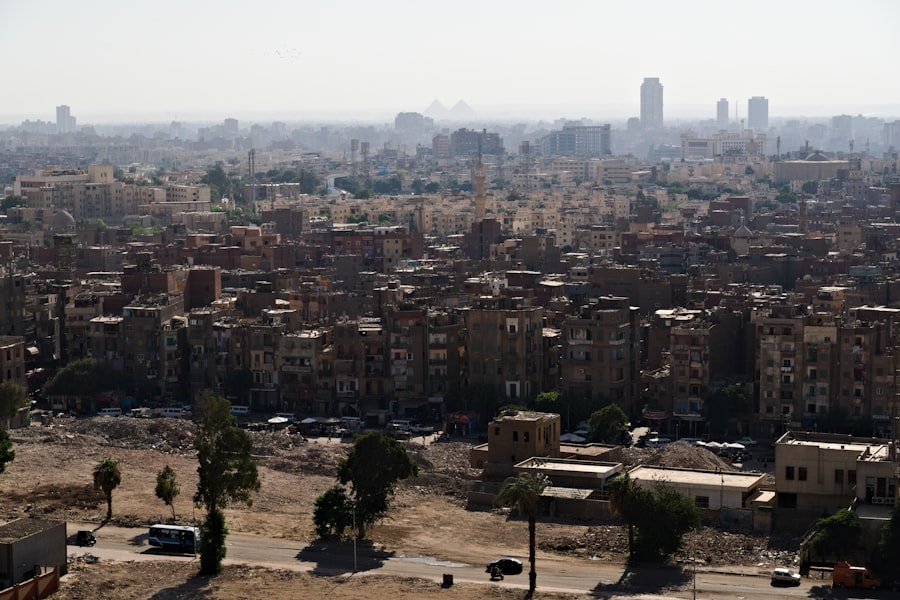
Globalization has emerged as a powerful force in shaping cultural evolution in the modern era. The increasing interconnectedness of economies, societies, and cultures has led to a blending of traditions and practices from diverse backgrounds. This phenomenon has facilitated the exchange of ideas, art forms, and lifestyles, enriching cultural experiences worldwide.
However, globalization also presents challenges as it can lead to the dilution of local cultures in favor of more dominant global narratives. The tension between preserving cultural heritage and embracing global influences is a central theme in discussions about cultural evolution today. As globalization accelerates, it creates opportunities for cross-cultural dialogue and collaboration.
People from different backgrounds can share their stories, traditions, and perspectives, fostering mutual understanding and respect. This exchange can lead to innovative cultural expressions that reflect a synthesis of influences rather than a mere replication of one culture by another. Nevertheless, it is crucial to approach globalization with a critical lens, recognizing that not all cultures have equal power in this exchange.
The impact of globalization on cultural evolution is complex, requiring careful consideration of both its benefits and drawbacks.
The Influence of Social Media on Cultural Evolution
Social media has emerged as a significant catalyst for cultural evolution in recent years. Platforms such as Facebook, Twitter, Instagram, and TikTok have transformed how individuals communicate and share their experiences. These digital spaces allow users to express their identities, engage with diverse communities, and participate in cultural conversations on a global scale.
The immediacy and accessibility of social media have democratized content creation, enabling voices that were previously marginalized to gain visibility and influence. Moreover, social media serves as a powerful tool for cultural movements and activism. Hashtags can mobilize support for social causes, raise awareness about injustices, and foster solidarity among individuals who share common goals.
This phenomenon has been particularly evident in movements such as #BlackLivesMatter and #MeToo, where social media played a crucial role in amplifying voices and driving cultural change. However, the rapid spread of information on these platforms also poses challenges, including the proliferation of misinformation and the potential for echo chambers that reinforce existing biases. As social media continues to shape cultural evolution, it is essential to navigate its complexities thoughtfully.
The Rise of Multiculturalism and its Effect on Cultural Evolution
| Metric | Description | Example | Impact on Cultural Evolution |
|---|---|---|---|
| Rate of Technological Innovation | Number of new technologies developed per decade | Smartphones, AI, Internet | Speeds up knowledge dissemination and cultural change |
| Information Transmission Speed | Time taken to share information globally | From months (postal mail) to seconds (internet) | Accelerates cultural diffusion and adaptation |
| Generational Turnover | Average time between generations | ~25 years historically, decreasing in some societies | Faster generational turnover can quicken cultural shifts |
| Cultural Adoption Rate | Percentage of population adopting new cultural traits per year | Rapid adoption of social media platforms | Indicates speed of cultural evolution |
| Global Connectivity Index | Measure of global communication and interaction | High internet penetration rates worldwide | Facilitates cross-cultural exchange and hybridization |
The rise of multiculturalism represents a significant shift in how societies understand and engage with cultural diversity. In an increasingly globalized world, multiculturalism emphasizes the coexistence of various cultural identities within a single society. This approach recognizes that diverse perspectives enrich communities and contribute to a more vibrant social fabric.
As societies embrace multiculturalism, they often experience shifts in values, norms, and practices that reflect this diversity. Multiculturalism can lead to greater tolerance and appreciation for different cultures, fostering an environment where individuals feel empowered to express their identities freely. This inclusivity can result in innovative cultural expressions that draw from multiple influences, creating new art forms, culinary traditions, and social practices.
However, challenges remain as societies grapple with issues related to integration, representation, and power dynamics among different cultural groups. The impact of multiculturalism on cultural evolution is profound, prompting ongoing discussions about identity, belonging, and the future of diverse societies.
The Importance of Education in Cultural Advancements

Education plays a crucial role in facilitating cultural advancements by equipping individuals with the knowledge and skills necessary to navigate an increasingly complex world. Through education, individuals gain exposure to diverse perspectives and ideas that challenge their preconceived notions and broaden their understanding of different cultures. This process fosters critical thinking and empathy, essential qualities for engaging with others in a multicultural society.
Moreover, education serves as a vehicle for preserving cultural heritage while promoting innovation. By incorporating diverse curricula that reflect various cultural histories and contributions, educational institutions can empower students to appreciate their own backgrounds while learning about others. This approach not only enriches students’ educational experiences but also cultivates a sense of global citizenship that encourages active participation in addressing societal challenges.
As societies continue to evolve culturally, education remains a cornerstone for fostering understanding and collaboration among diverse populations.
The Role of Art and Media in Shaping Cultural Evolution
Art and media are powerful instruments for shaping cultural evolution by reflecting societal values, challenging norms, and inspiring change. Throughout history, artists have used their creative expressions to comment on social issues, convey emotions, and provoke thought. From literature to visual arts to film, these mediums serve as mirrors that capture the complexities of human experiences across different cultures.
In contemporary society, art and media continue to play a vital role in shaping public discourse around cultural issues. Documentaries can shed light on underrepresented narratives, while films can challenge stereotypes and promote empathy through storytelling. Additionally, artists often draw inspiration from their cultural backgrounds while also engaging with global themes, resulting in innovative works that resonate with diverse audiences.
As art evolves alongside society, it becomes an essential tool for fostering dialogue about identity, belonging, and the shared human experience.
The Impact of Environmental and Climate Change on Cultural Evolution
Environmental changes pose significant challenges to cultural evolution as societies grapple with the consequences of climate change and ecological degradation. Traditional ways of life are often closely tied to local environments; thus, shifts in climate can disrupt established practices and threaten cultural identities rooted in specific landscapes. Indigenous communities worldwide exemplify this connection between culture and environment; as their habitats face degradation or displacement due to climate change, their cultural practices may also be at risk.
Conversely, environmental challenges can also inspire cultural resilience and adaptation. Communities may innovate new practices or revive traditional knowledge systems that promote sustainability in response to ecological crises. This dynamic interplay between environmental change and cultural evolution highlights the importance of recognizing the interconnectedness of human societies with their natural surroundings.
The Role of Politics and Governance in Cultural Advancements
Politics and governance significantly influence cultural advancements by shaping policies that either promote or hinder cultural expression. Governments play a crucial role in establishing frameworks that support diversity through legislation related to education, arts funding, language preservation, and anti-discrimination measures. When political systems prioritize inclusivity and representation, they create environments where diverse cultures can thrive.
However, political dynamics can also lead to tensions surrounding cultural expression. In some cases, authoritarian regimes may suppress dissenting voices or impose homogenous narratives that stifle diversity. Conversely, democratic systems may foster vibrant cultural landscapes by encouraging open dialogue and participation from various groups.
The relationship between politics and culture is complex; as societies evolve politically, they inevitably influence the trajectory of cultural advancements.
The Future of Cultural Evolution: Predictions and Possibilities
The future of cultural evolution is poised for continued transformation as societies navigate an increasingly interconnected world marked by rapid technological advancements and shifting demographics. Predictions suggest that globalization will further blur the lines between cultures while simultaneously prompting renewed efforts to preserve local identities amidst this change. As individuals become more aware of their interconnectedness through technology and communication channels, there may be a growing emphasis on collaborative approaches to address global challenges.
Moreover, emerging technologies such as virtual reality (VR) and artificial intelligence (AI) hold potential for reshaping how cultures are experienced and expressed.
However, ethical considerations surrounding these technologies will be paramount; ensuring equitable access while respecting diverse cultural narratives will be essential for fostering inclusive advancements.
Embracing and Navigating the Acceleration of Cultural Evolution
Cultural evolution is an ongoing journey shaped by myriad influences ranging from technology to politics to environmental changes. As societies continue to evolve at an accelerated pace due to globalization and technological advancements, it becomes increasingly important for individuals to embrace diversity while navigating these transformations thoughtfully. By fostering open dialogue around cultural issues—whether through education or artistic expression—communities can cultivate understanding amidst complexity.
Ultimately, embracing cultural evolution requires recognizing both its challenges and opportunities; it calls for active engagement with diverse perspectives while honoring local traditions that enrich our shared human experience. As individuals navigate this dynamic landscape together—celebrating differences while seeking common ground—they contribute not only to their own growth but also to a more inclusive future for all cultures involved in this intricate tapestry we call humanity.
Cultural evolution is a fascinating topic that explores how societies change and adapt over time, often at an accelerated pace due to various factors such as technology and globalization. For a deeper understanding of this phenomenon, you can read the article on Freaky Science that delves into the intricacies of cultural evolution and its implications. Check it out here: Cultural Evolution Accelerated.
FAQs
What is cultural evolution?
Cultural evolution refers to the process by which human culture changes and develops over time. It involves the transmission of knowledge, beliefs, customs, technologies, and social behaviors from one generation to the next, often leading to cumulative improvements and adaptations.
How does cultural evolution differ from biological evolution?
While biological evolution involves genetic changes passed through reproduction, cultural evolution is based on the transmission of information and behaviors through learning, imitation, and communication. Cultural evolution can occur much faster than biological evolution because it does not rely on genetic changes.
What does “accelerated time” mean in the context of cultural evolution?
“Accelerated time” refers to the increasing speed at which cultural changes and innovations occur. Advances in communication, technology, and social organization have led to faster dissemination and adoption of new ideas, resulting in a more rapid pace of cultural evolution compared to the past.
What factors contribute to the acceleration of cultural evolution?
Key factors include technological advancements (such as the internet and mass media), improved education systems, globalization, and enhanced communication methods. These elements facilitate quicker sharing and modification of cultural information across societies.
Can cultural evolution impact biological evolution?
Yes, cultural evolution can influence biological evolution by altering selective pressures. For example, cultural practices like agriculture and medicine have affected human diets, health, and survival, which in turn can impact genetic evolution over time.
Is cultural evolution always positive or beneficial?
Not necessarily. While cultural evolution can lead to beneficial innovations and social improvements, it can also result in negative consequences such as cultural homogenization, loss of traditional knowledge, or the spread of harmful practices.
How do researchers study cultural evolution?
Researchers use interdisciplinary approaches, including anthropology, archaeology, psychology, and computational modeling, to analyze patterns of cultural change. They study artifacts, language, social behaviors, and historical records to understand how cultures evolve over time.
What role does technology play in accelerating cultural evolution?
Technology acts as a catalyst by enabling faster communication, information storage, and dissemination. Innovations like the printing press, telecommunication, and digital media have dramatically increased the speed at which cultural knowledge spreads and evolves.
Can cultural evolution be predicted?
While some trends in cultural evolution can be anticipated based on current technological and social developments, the process is complex and influenced by numerous unpredictable factors, making precise predictions challenging.
Why is understanding cultural evolution important?
Understanding cultural evolution helps explain how human societies develop, adapt, and solve problems. It provides insights into the dynamics of social change, the spread of ideas, and the impact of culture on human behavior and history.