
The Earth’s climate history, a complex narrative spanning billions of years, is meticulously recorded in its geological formations. Unlocking these records is akin to deciphering an ancient, multi-layered manuscript, where each rock stratum, ice core, and fossil tells a part of the story. The “Geological Metronome Time Machine” is not a physical device but a conceptual framework encompassing the diverse scientific methods and natural archives scientists utilize to reconstruct past climates and understand the mechanisms driving climatic change. By examining these geological indicators, researchers can differentiate between natural climate fluctuations and human-induced alterations, providing crucial context for contemporary climate science.
Paleoclimatology is the study of past climates, employing various proxy data to infer climatic conditions before the advent of instrumental records. This field is inherently interdisciplinary, drawing upon geology, oceanography, glaciology, biology, and chemistry. The Earth’s geological processes act as a continuous recorder, albeit one that requires sophisticated interpretation.
Sediment Cores: Layers of Time
Sediment cores, extracted from ocean floors, lakes, and peat bogs, offer a granular view of past environments. Each layer of sediment represents a discrete period, and within these layers, a wealth of information is preserved.
- Foraminifera and Ostracods: These microscopic marine organisms incorporate isotopes of oxygen and carbon from the surrounding seawater into their shells. The ratios of these isotopes can indicate past sea surface temperatures, salinity, and ice volume. A higher ratio of Oxygen-18 to Oxygen-16 (δ18O) in shell carbonate typically signifies colder temperatures and larger ice sheets.
- Pollen and Spores: Terrestrial sediment cores often contain preserved pollen grains and spores. By identifying the types and relative abundances of these microfossils, scientists can reconstruct past vegetation patterns, which are directly linked to temperature and precipitation regimes. For instance, an abundance of spruce pollen in a region now dominated by oak would indicate a colder, more boreal climate in the past.
- Bulk Sediment Composition: The grain size, mineralogy, and organic carbon content of sediments provide insights into past erosion rates, sediment transport mechanisms, and organic productivity. Enhanced terrigenous (land-derived) input might suggest increased precipitation and erosion, while higher organic carbon content can indicate warmer, more productive seas or lakes.
Ice Cores: Frozen Archives
Ice cores, primarily extracted from polar ice sheets (Antarctica, Greenland) and high-altitude glaciers, offer unparalleled resolution for recent climatic history, extending back hundreds of thousands of years. As snow falls and compacts into ice, it traps air bubbles and impurities, creating a layer-by-layer archive.
- Trapped Air Bubbles: These bubbles contain samples of the ancient atmosphere, allowing direct measurement of past greenhouse gas concentrations, such as carbon dioxide (CO2), methane (CH4), and nitrous oxide (N2O). This direct measurement is a cornerstone of understanding the link between greenhouse gases and temperature. The correlation between past CO2 levels and temperature derived from ice cores is one of the strongest pieces of evidence for anthropogenic climate change.
- Isotopic Composition of Water: The ratio of heavy to light isotopes of oxygen and hydrogen in the ice itself (δ18O and δD) serves as a thermometer for the temperature at which the snow precipitated. Colder temperatures generally lead to lower δ18O and δD values.
- Volcanic Ash and Dust: Layers of volcanic ash provide chronological markers that can be correlated globally, while changes in dust concentration are often linked to past aridity, wind patterns, and the extent of glaciated areas. High dust levels frequently correlate with colder, drier periods.
The concept of a geological metronome as a climate time machine offers fascinating insights into Earth’s past climate patterns and their implications for the future. For those interested in exploring this topic further, a related article can be found at Freaky Science, which delves into the intricate relationship between geological processes and climate change over millennia. This resource provides valuable information on how understanding these natural rhythms can help us better predict future climate scenarios.
Biological Climate Proxies: Life’s Response to Change
Living organisms, and their fossilized remains, are exquisitely sensitive to their environment, making them valuable proxies for past climatic conditions. Their growth patterns, geographical distribution, and chemical composition are all influenced by temperature, precipitation, and other environmental factors.
Tree Rings: Dendroclimatology
Dendroclimatology uses the growth rings of trees to reconstruct past climate. Tree growth is often limited by temperature or precipitation, resulting in narrower or wider rings.
- Ring Width: In temperature-limited environments, warmer growing seasons typically produce wider rings, while colder seasons result in narrower ones. Conversely, in moisture-limited regions, ample precipitation leads to wider rings.
- Isotopic Analysis of Cellulose: The isotopic composition of oxygen and carbon in tree ring cellulose can provide further insights. For example, δ18O in tree rings can be linked to the isotopic composition of precipitation and humidity, reflecting past hydrological cycles.
- Maximum Annual Density (MAD): For conifers, the density of the latewood, known as Maximum Annual Density, is a strong indicator of summer growing season temperatures, often more sensitive than ring width alone.
Corals: Ocean’s Recorders
Corals, particularly massive reef-building corals, grow by depositing calcium carbonate skeletons that incorporate environmental signals from the surrounding seawater.
- Growth Bands: Similar to tree rings, corals exhibit annual growth bands, which can be measured to determine growth rates. These rates are often influenced by sea surface temperature, light availability, and nutrient levels.
- δ18O in Coral Skeletons: The oxygen isotopic composition of coral aragonite is a proxy for past sea surface temperature and the δ18O of the ambient seawater. Changes in seawater δ18O can reflect regional rainfall patterns and ice sheet melt.
- Sr/Ca Ratios: The ratio of strontium to calcium in coral skeletons is highly sensitive to sea surface temperature, making it a robust thermometer for tropical ocean waters.
Geochemical Tracers: Unveiling Deep Time Climates
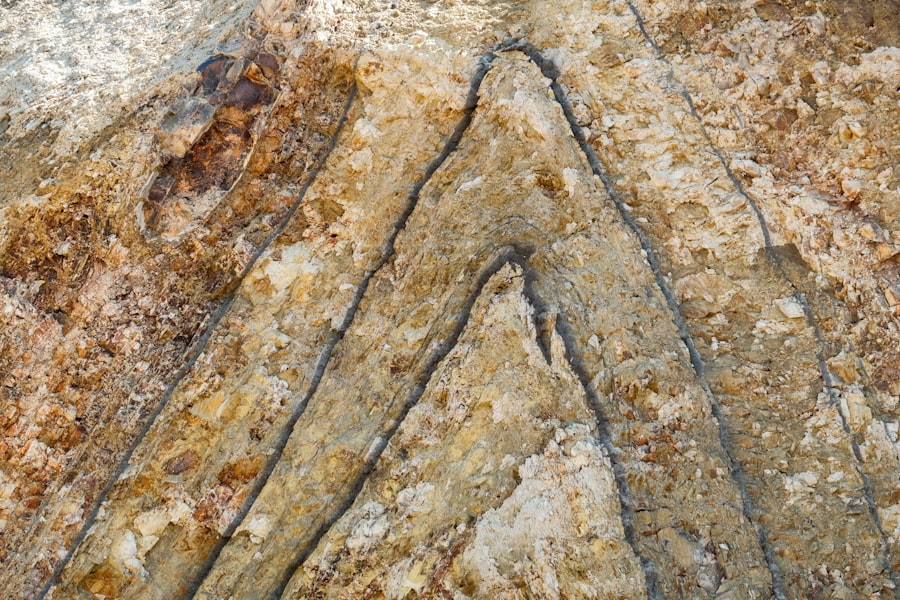
Beyond biological proxies, the chemical signatures preserved within rocks and minerals offer a window into Earth’s deep past, extending back millions and even billions of years, allowing for the construction of a long-term geological metronome.
Stable Isotopes: Unlocking Ancient Temperatures and Hydrology
The ratios of stable isotopes of various elements are fundamental tools in paleoclimatology, particularly oxygen, carbon, and nitrogen.
- Oxygen Isotopes (δ18O): As discussed with foraminifera, ice cores, and corals, the δ18O of carbonates (e.g., in limestones, foraminifera, stalagmites) and silicates provides information on paleotemperatures and the global ice volume. When ice sheets grow, they preferentially lock up lighter isotopes of oxygen (16O) in glacial ice, enriching the oceans with heavier isotopes (18O).
- Carbon Isotopes (δ13C): The δ13C of organic matter and carbonates reflects shifts in the global carbon cycle, including changes in ocean productivity, atmospheric CO2 concentrations, and the burial of organic carbon. For instance, large negative δ13C excursions can indicate significant release of isotopically light carbon from methane clathrates or volcanic activity.
- Nitrogen Isotopes (δ15N): δ15N in sediments can indicate changes in the marine nitrogen cycle, revealing past oceanographic conditions and productivity, which are indirectly linked to climate.
Trace Elements and Elemental Ratios: Chemical Fingerprints
The concentrations of certain trace elements and their ratios in geological archives are sensitive indicators of past environmental conditions.
- Mg/Ca Ratios in Foraminifera: Similar to Sr/Ca in corals, the magnesium to calcium ratio in the calcite shells of foraminifera is a strong proxy for past sea surface temperature, independent of ice volume effects.
- Ti/Ca Ratios in Sediments: The ratio of titanium to calcium in ocean sediments can indicate changes in continental runoff and weathering intensity, which are driven by precipitation and temperature. Higher Ti/Ca often correlates with increased terrestrial input.
- Dust Fluxes: The presence and composition of dust in marine and ice cores provide information about wind strength, atmospheric circulation patterns, and aridity in source regions. Elements like iron, aluminum, and titanium are common indicators of terrigenous dust.
Geological Evidences of Past Climates: A Broader Perspective
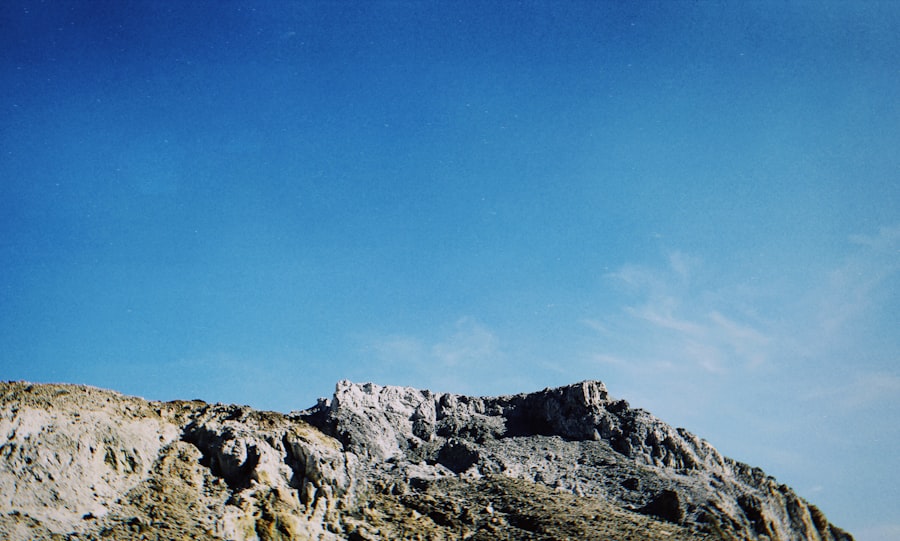
While specific proxies provide detailed insights, broader geological features offer macro-scale evidence of past climate regimes, operating as the large pendulum swings of the geological metronome.
Glacial Features: Sculpted by Ice
The presence and distribution of glacial landforms are unmistakable signs of past ice ages.
- Moraines: Ridges of till (unsorted glacial sediment) marking the former extent of glaciers. Terminal moraines indicate the maximum advance, while recessional moraines show pauses during retreat.
- Tillites: Lithified till, found in ancient sedimentary rock sequences, provides indisputable evidence of widespread glaciation millions to billions of years ago. The presence of Snowball Earth events, where the planet was potentially entirely glaciated, is largely supported by extensive tillite deposits.
- Striations and Polished Bedrock: Grooves and scratches on bedrock, along with polished surfaces, are formed by rocks embedded in the base of moving glaciers, indicating the direction of ice flow.
Fossil Records: Biodiversity and Distribution
The fossil record provides crucial evidence for the distribution of ancient flora and fauna, which are highly constrained by climate.
- Paleobotanical Data: The discovery of tropical plant fossils in regions now characterized by temperate or polar climate (e.g., fossil palms in Greenland) points to dramatically warmer past climates. Conversely, discoveries of tundra-like species in currently temperate zones indicate past cold periods.
- Paleozoological Data: The migration patterns and geographical range of animals, from marine plankton to megafauna, are directly influenced by temperature and food availability. For example, the distribution of cold-adapted mammals in the Quaternary period delineates the extent of periglacial environments.
- Reef Distribution: Extensive coral reefs are restricted to warm, clear, shallow tropical waters. Their past distribution can indicate the extent of ancient tropical seas.
Ancient Soils and Paleosols: Fossilized Surfaces
Paleosols, or fossil soils, preserve information about past weathering processes, vegetation, and atmospheric composition.
- Laterites and Bauxites: These highly weathered soils, rich in iron and aluminum oxides, form in hot, humid tropical climates. Their presence in ancient rock sequences indicates periods of intense chemical weathering and tropical conditions.
- Calcrete: This cemented soil horizon, rich in calcium carbonate, forms in arid to semi-arid environments. Extensive calcrete layers suggest past periods of pronounced aridity.
- Carbon Isotope Signatures in Paleosols: The δ13C of organic matter and carbonates within paleosols can help determine the dominant type of ancient vegetation (e.g., C3 vs. C4 plants), which is linked to atmospheric CO2 levels and precipitation.
The concept of a geological metronome as a climate time machine offers fascinating insights into Earth’s climatic history, revealing how geological processes have shaped our planet’s environment over millennia. For those interested in exploring this topic further, a related article discusses the intricate connections between geological formations and climate patterns, shedding light on how past events can inform our understanding of future climate scenarios. You can read more about it in this insightful article.
The Synergy of Multiple Proxies: A Holistic View
| Metric | Description | Value/Range | Unit | Relevance to Geological Metronome Climate Time Machine |
|---|---|---|---|---|
| Geological Time Scale | Division of Earth’s history into eons, eras, periods, and epochs | 4.6 billion years to present | Years | Framework for understanding climate changes over geological time |
| Milankovitch Cycles | Periodic changes in Earth’s orbit affecting climate | 20,000 – 100,000 | Years (cycle length) | Acts as a natural “metronome” for glacial and interglacial periods |
| Ice Core Data Resolution | Temporal resolution of climate data from ice cores | Annual to decadal | Years | Provides precise climate records for time machine modeling |
| Atmospheric CO2 Concentration | Historical levels of carbon dioxide in atmosphere | 180 – 420 | ppm (parts per million) | Key metric for reconstructing past climate conditions |
| Temperature Anomaly Range | Deviation from baseline global temperature | -6 to +4 | °C | Indicator of climate shifts over geological time |
| Sediment Accumulation Rate | Rate at which sediment layers build up | 0.1 – 10 | mm/year | Used to date geological layers and infer climate changes |
| Magnetic Polarity Reversal Frequency | Frequency of Earth’s magnetic field reversals | Every 200,000 to 300,000 | Years | Helps calibrate geological time and climate events |
No single proxy record provides a complete picture of past climate. The strength of paleoclimatology lies in the convergence of evidence from multiple, independent archives. Think of it like assembling a complex jigsaw puzzle, where each piece, whether it’s a sediment core, an ice core, a tree ring, or a fossil, contributes to the overall image.
- Cross-Validation: When different proxies from different archives (e.g., ice core CO2 and marine sediment temperature proxies) show consistent trends, it significantly strengthens the confidence in the reconstructed climate history. This cross-validation is critical for robust scientific conclusions.
- Regional and Global Reconstruction: By integrating data from a global network of proxy sites, scientists can reconstruct not only regional climate variations but also global climate patterns, such as the timing and magnitude of glacial-interglacial cycles or the extent of past greenhouse warming events.
- Understanding Climate Sensitivity: The long-term geological record provides natural experiments on Earth’s climate system. By observing how climate has responded to past changes in greenhouse gases, orbital forcing (Milankovitch cycles), and volcanic activity, scientists can better understand the sensitivity of the climate system to various forcings. This historical perspective is vital for validating climate models and predicting future climate scenarios.
The “Geological Metronome Time Machine” is thus an ongoing endeavor, a relentless quest to read Earth’s vast archives. Each discovery refines our understanding, adding another tick to the metronome, providing critical context for the rapid climatic changes observed today and offering essential guidance for navigating the challenges of the future. The deeper we delve into Earth’s past, the clearer the path forward becomes.

WARNING: The 8th Continent Is Moving
FAQs
What is a geological metronome?
A geological metronome refers to natural, periodic processes in Earth’s geology that occur at regular intervals, such as volcanic eruptions, sediment deposition, or tectonic shifts. These processes help scientists understand the timing and rhythm of Earth’s geological history.
How does a geological metronome relate to climate studies?
The geological metronome provides a timeline of Earth’s past events, allowing researchers to correlate geological changes with climate variations. By studying these regular patterns, scientists can better understand how Earth’s climate has changed over millions of years.
What is meant by the term “climate time machine” in geology?
A “climate time machine” refers to tools or methods that allow scientists to look back into Earth’s climate history. Geological records, such as ice cores, sediment layers, and fossil data, act as natural archives that reveal past climate conditions, helping predict future climate trends.
How do scientists use geological records to study past climates?
Scientists analyze geological records like rock strata, ice cores, and fossilized remains to reconstruct past climate conditions. These records contain chemical and physical clues, such as isotopic compositions and sediment types, which indicate temperature, atmospheric composition, and environmental changes over time.
Why is understanding Earth’s geological metronome important for future climate predictions?
Understanding Earth’s geological metronome helps identify natural climate cycles and their causes. This knowledge allows scientists to distinguish between natural climate variability and human-induced changes, improving the accuracy of future climate models and informing mitigation strategies.