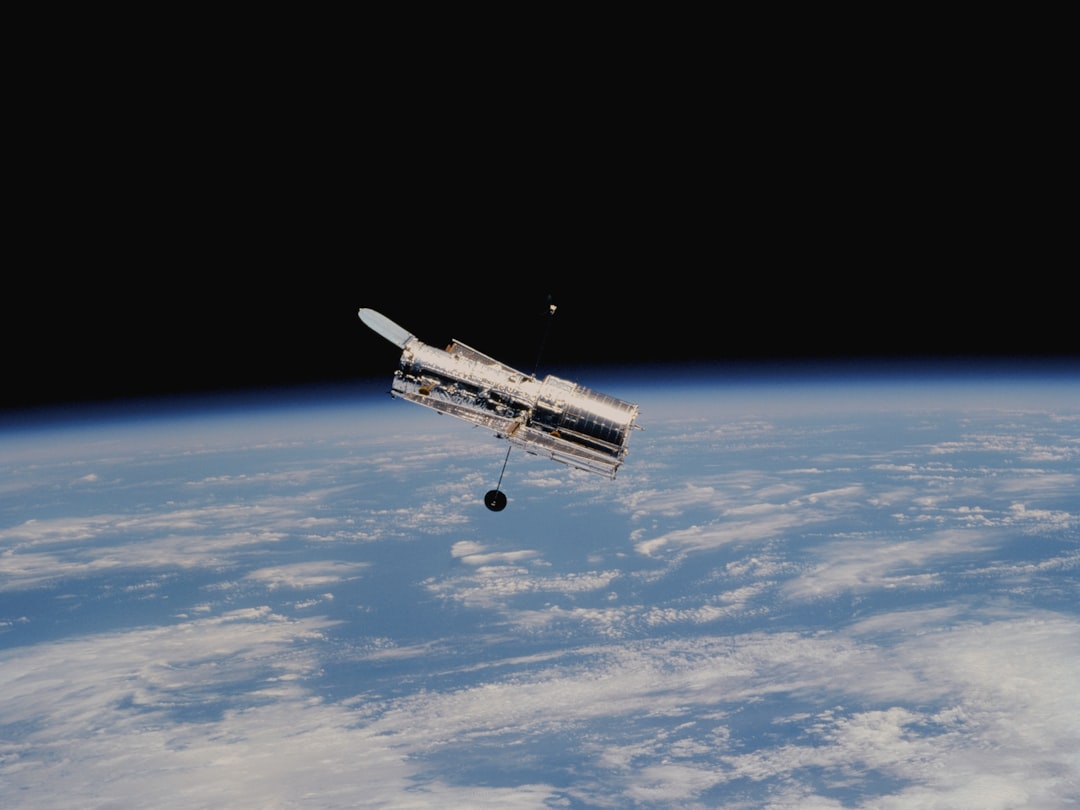
Space weather, a phenomenon originating from the Sun, encompasses a range of dynamic processes that can significantly impact Earth’s technological infrastructure. These events, often described as solar storms, represent a profound threat, given the increasing reliance of modern society on space-based and ground-based systems. Understanding these risks is crucial for mitigating potential disruptions and ensuring the resilience of critical infrastructure.
Solar storms are complex events driven by various solar phenomena. These phenomena collectively release immense amounts of energy and matter into space, traversing the interplanetary medium to potentially interact with Earth’s magnetosphere.
Coronal Mass Ejections (CMEs)
Coronal Mass Ejections (CMEs) are colossal expulsions of plasma and magnetic field from the Sun’s corona, its outermost atmosphere. These events can propagate through space at speeds ranging from a few hundred to over a thousand kilometers per second. When a CME is directed towards Earth, it carries a significant magnetic field that can interact with and disrupt Earth’s own magnetic field, a process known as a geomagnetic storm. The energy contained within a typical CME is equivalent to billions of megatons of TNT, illustrating their immense power.
Solar Flares
Solar flares are intense bursts of electromagnetic radiation, primarily X-rays and ultraviolet light, originating from the Sun’s atmosphere. These events are the most powerful explosive phenomena in the solar system. While travel time for light is negligible, a solar flare’s effects on Earth are almost instantaneous. They are categorized by their intensity, with X-class flares being the most powerful, followed by M-class, C-class, B-class, and A-class flares. The classification is logarithmic, meaning an X2 flare is twice as powerful as an X1 flare.
High-Speed Solar Wind Streams
The solar wind is a continuous stream of charged particles emanating from the Sun. High-speed solar wind streams are faster, denser regions within this flow, typically originating from coronal holes – areas in the Sun’s atmosphere where magnetic field lines extend outwards into space, allowing the solar wind to escape more easily. While less dramatic than CMEs or flares, these streams can still induce geomagnetic disturbances, albeit generally less severe.
As our reliance on technology grows, understanding the risks posed by space weather to modern infrastructure becomes increasingly critical. A related article discusses the potential impacts of solar storms on power grids and communication systems, highlighting the need for preparedness in the face of these natural phenomena. For more insights on this topic, you can read the article here: Space Weather Risks for Modern Infrastructure.
Impacts on Satellite Systems
Satellites, forming the backbone of global communication, navigation, and Earth observation, are particularly vulnerable to space weather events. Their operational environment, high above the protective blanket of Earth’s atmosphere, exposes them directly to the radiation and charged particles generated during solar storms.
Radiation Damage to Electronics
Space weather events, particularly solar flares and CMEs, inundate the space environment with energetic protons and electrons. These particles, acting as microscopic projectiles, can penetrate satellite shielding and bombard sensitive electronic components. This bombardment can lead to single-event upsets (SEUs), which are transient errors in data or computer memory. More severe and prolonged exposure can cause single-event latch-ups (SELs), potentially leading to permanent damage or even total mission failure if not properly mitigated. Long-term exposure to this radiation environment also contributes to gradual degradation of electronic components, shortening their operational lifespan. Imagine these particles as tiny bullets constantly impacting the delicate machinery of a satellite; even if individual impacts are minor, their cumulative effect can be devastating.
Orbital Mechanics Perturbations
The expanded atmosphere and increased drag caused by solar heating during geomagnetic storms can subtly, but significantly, affect the orbits of low Earth orbit (LEO) satellites. As the atmosphere expands, the drag on satellites increases, causing them to lose altitude and potentially re-enter the atmosphere prematurely. This necessitates more frequent orbital maneuvers, consuming valuable propellant and shortening the satellite’s operational life. Furthermore, the altered atmospheric density makes precise orbital prediction more challenging, impacting collision avoidance strategies for the ever-growing constellation of satellites.
Communication and Navigation Disruptions
Solar flares, by unleashing powerful bursts of X-rays and UV radiation, directly ionize Earth’s upper atmosphere, specifically the ionosphere. This ionization alters the reflective and refractive properties of the ionosphere, severely disrupting high-frequency (HF) radio communications, which rely on the ionosphere for long-distance propagation. For commercial airlines and maritime operations, HF radio is a critical communication link. Similarly, the Global Positioning System (GPS), which is based on precise timing signals from satellites, can experience signal degradation and errors. The inaccuracies are caused by the altered ionospheric conditions delaying or accelerating GPS signals, akin to light passing through a distorting lens, leading to position errors ranging from meters to tens of meters, impactful for precision agriculture, construction, and autonomous vehicles.
Ground-Based Infrastructure Vulnerabilities
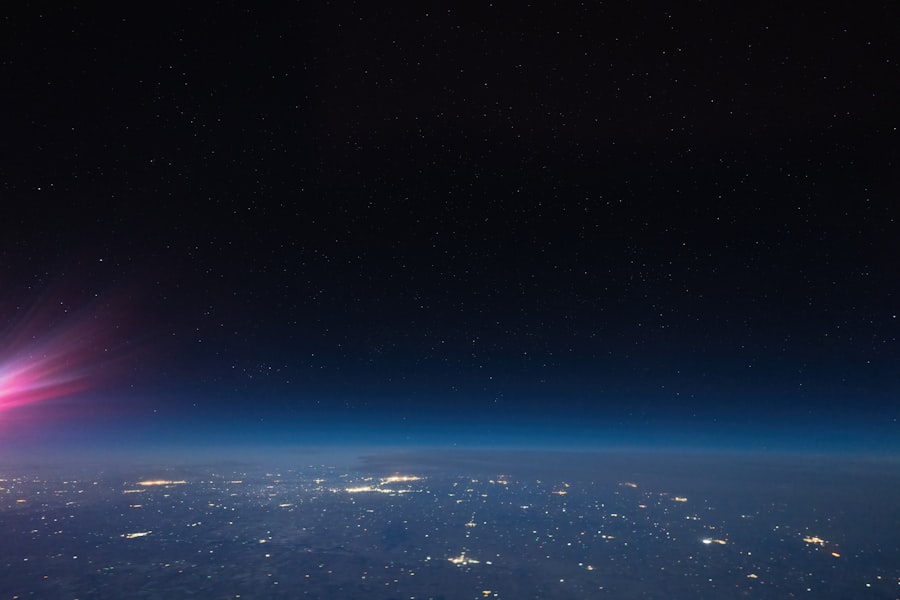
While satellites bear the brunt of direct space weather insults, terrestrial infrastructure is far from immune. Geomagnetic storms, the Earth-bound consequence of CMEs, can induce powerful electric currents in long conductors, with far-reaching implications.
Geomagnetically Induced Currents (GICs)
Geomagnetic storms cause rapid fluctuations in Earth’s magnetic field. By Faraday’s Law of Induction, these fluctuating magnetic fields induce electric currents in long, grounded conductors – such as power transmission lines, oil and gas pipelines, and railway systems. These induced currents, known as Geomagnetically Induced Currents (GICs), are not part of the normal operational design of these systems.
Power Grid Vulnerabilities
GICs pose a significant threat to electrical power grids. When GICs flow through transformers, they can cause the magnetic core of the transformer to saturate. This saturation leads to increased reactive power demand, generating excess heat within the transformer. Prolonged exposure or sufficiently strong GICs can damage transformers, leading to their catastrophic failure. Such failures can trigger a cascade of outages, potentially resulting in widespread and prolonged power blackouts. The Quebec blackout of 1989 and the Malmö blackout of 2003 serve as historical precedents, demonstrating the disruptive potential of GICs on power infrastructure. A major event could plunge entire regions into darkness, impacting everything from communication to heating and cooling.
Pipeline Corrosion and Control Systems
While less immediately dramatic than power grid impacts, GICs can also affect oil and gas pipelines. Pipeline systems often utilize cathodic protection systems to prevent corrosion. GICs can interfere with these protective systems, leading to accelerated corrosion and compromising the structural integrity of pipelines over time. Furthermore, the electronic control systems that monitor and regulate flow rates and pressures within pipelines are susceptible to GIC-induced transients, potentially disrupting operations or leading to safety concerns.
Railway Signaling and Switchgear
Modern railway systems, particularly those with electrified lines or extensive signaling and control networks, can also experience GIC-related issues. GICs can interfere with track circuits, which are essential for detecting train presence and ensuring safe spacing, leading to false signals or system malfunctions. Additionally, electronic switchgear and control systems in railway infrastructure are vulnerable to GIC-induced voltage spikes, potentially causing failures and operational disruptions.
Communication Cable Disruptions
While optical fiber cables are largely immune to GIC-related induction due to their non-conductive nature, the repeaters and amplifiers necessary for long-haul submarine and terrestrial fiber-optic cables contain sensitive electronic components that are vulnerable to GIC-induced surges. These surges can damage or disable the electronic components, disrupting the flow of global internet traffic and communication. Imagine the internet as a vast river; while the water (data) itself is unaffected, the pumps (repeaters) that keep it flowing are at risk.
Health Risks to Humans
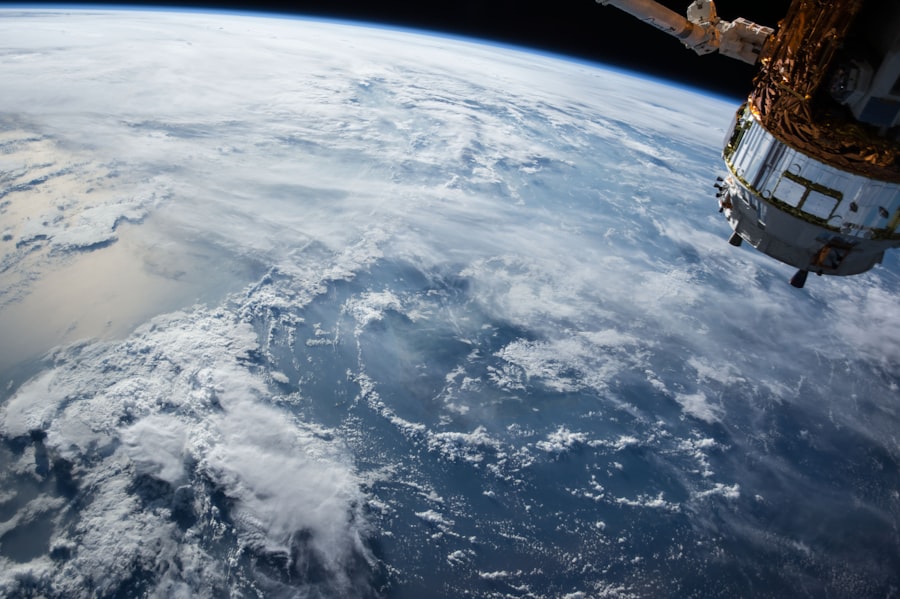
While Earth’s atmosphere and magnetosphere provide substantial protection, space weather can pose direct and indirect health risks to humans, particularly those in vulnerable occupations or locations.
Astronaut Radiation Exposure
Astronauts in Low Earth Orbit (LEO), such as on the International Space Station (ISS), are exposed to higher levels of radiation than on Earth. During a powerful solar event, the flux of energetic protons and heavy ions can increase dramatically. While spacecraft shielding offers some protection, it is not absolute. Acute exposure can lead to radiation sickness, while chronic exposure increases the lifetime risk of cancer, cataracts, and degenerative diseases of the circulatory system and central nervous system. For deep-space missions, such as to the Moon or Mars, away from Earth’s protective magnetic field, the radiation hazard is significantly amplified, posing a formidable challenge for long-duration human exploration.
Aviation Radiation Exposure
High-altitude aircraft passengers and crew are exposed to elevated levels of galactic cosmic rays (GCRs) and solar energetic particles (SEPs), especially during solar events. Airlines often reroute flights during significant solar storms to minimize passenger and crew exposure, particularly for polar routes where Earth’s magnetic field offers less shielding. Although the risk for individual flights is low, cumulative exposure for airline crew throughout their careers can be a concern.
Indirect Health Impacts from Infrastructure Failure
The most widespread health impacts of space weather would likely stem from the cascading failures of critical infrastructure. A widespread and prolonged power blackout, for example, could have severe public health consequences:
Disruption of Healthcare Systems
Hospitals and medical facilities rely heavily on electricity for everything from life support systems and diagnostic equipment to refrigeration of medicines and vaccines. A power outage would compromise patient care, particularly for those in critical condition, and hinder emergency services.
Water and Sanitation Issues
Modern water treatment and distribution systems are electrically powered. Prolonged outages could lead to contamination of drinking water and failure of sanitation systems, increasing the risk of waterborne diseases.
Food Supply Chain Disruption
Refrigeration is essential for preserving food. A large-scale power outage would lead to spoilage of perishable goods, impacting the food supply and potentially leading to food insecurity.
As our reliance on technology continues to grow, understanding the implications of space weather on modern infrastructure becomes increasingly vital. A recent article highlights the potential risks posed by solar storms and how they can disrupt power grids and communication systems. For more insights on this pressing issue, you can read the full article here. By staying informed, we can better prepare for the challenges that space weather may present in the future.
Mitigating Space Weather Risks
| Space Weather Risk | Impact on Infrastructure | Severity Level | Mitigation Measures | Example Event |
|---|---|---|---|---|
| Geomagnetic Storms | Power grid failures, transformer damage | High | Grid hardening, real-time monitoring, load management | March 1989 Quebec blackout |
| Solar Flares | Satellite communication disruption, GPS errors | Medium to High | Satellite shielding, signal redundancy, forecasting | October 2003 Halloween solar storms |
| Solar Energetic Particles (SEPs) | Radiation hazards to astronauts and high-altitude flights | Medium | Flight path adjustments, radiation shielding | January 2005 SEP event |
| Radio Blackouts | HF radio communication loss affecting aviation and maritime | Medium | Alternate communication systems, forecasting | September 2017 solar flare |
| Satellite Drag Increase | Orbital decay, increased fuel consumption for satellites | Low to Medium | Orbit adjustments, drag modeling | March 1989 geomagnetic storm |
Addressing the multifaceted threats posed by space weather requires a comprehensive and multi-pronged approach, encompassing scientific research, technological advancements, and policy development.
Space Weather Forecasting and Warning Systems
Accurate and timely space weather forecasting is paramount for enabling effective mitigation strategies. This involves a global network of space-based and ground-based observatories continuously monitoring the Sun and the space environment.
Satellite-Based Solar Observatories
Missions like NASA’s Solar Dynamics Observatory (SDO) and the European Space Agency’s Solar Orbiter provide crucial data on solar activity, allowing scientists to track CMEs and solar flares as they erupt from the Sun. These observations are the bedrock of early warning systems.
Interplanetary Space Weather Sentinels
Missions like NASA’s STEREO (Solar TErrestrial Relations Observatory) and the upcoming Aurora mission aim to provide observations from different vantage points in the solar system, allowing for more precise forecasting of CME arrival times and characteristics at Earth. These are like advanced scouts, providing crucial intelligence.
Ground-Based Magnetometer Networks
Networks of ground-based magnetometers, such as those operated by the U.S. Geological Survey (USGS) and INTERMAGNET, continuously monitor changes in Earth’s magnetic field, providing real-time data on the onset and progression of geomagnetic storms. This data is critical for assessing GIC risks.
Infrastructure Hardening and Resilience
Beyond forecasting, measures must be taken to make critical infrastructure more robust against space weather effects.
Power Grid Enhancements
For power grids, this includes installing surge arresters on transformers, operating transformers at lower tap settings to increase their GIC tolerance, and implementing smart grid technologies that can quickly isolate affected sections and reroute power. Investing in spare high-voltage transformers and maintaining a strategic reserve is also crucial, given the long lead times for their manufacture and delivery.
Satellite Design and Operational Procedures
Satellite operators can employ radiation-hardened electronics, redundant systems, and sophisticated shielding to protect spacecraft from radiation. During high-risk periods, satellites can be put into “safe mode,” temporarily shutting down non-essential systems to minimize exposure and conserve power. Orbital maneuvers can also be planned to avoid regions of enhanced atmospheric drag.
Pipeline Protection Systems
For pipelines, upgrading cathodic protection systems to be more resilient against GICs and ensuring robust backup power for control systems are vital steps. Implementing GIC monitoring systems can also help operators detect and respond to induced currents in real-time.
International Collaboration and Policy
Space weather is a global phenomenon, and its impacts transcend national borders. Therefore, international cooperation is essential for effective mitigation.
Data Sharing and Research Initiatives
Collaborative efforts in data sharing from space weather observatories and joint research programs are crucial for improving scientific understanding and forecasting models. Organizations like the Space Weather World Center (SWWC) foster this international exchange.
Standardized Risk Assessments and Best Practices
Developing international standards for assessing space weather risks and establishing best practices for infrastructure resilience can help ensure a consistent global response to these threats.
Policy Frameworks and应急计划
Governments need to integrate space weather risks into national disaster preparedness plans and develop policies that encourage infrastructure operators to implement hardening measures. This includes identifying critical infrastructure, conducting vulnerability assessments, and establishing communication protocols for warning and response. Just as we prepare for hurricanes or earthquakes, so too must we prepare for solar storms.
In conclusion, space weather represents a formidable, albeit often overlooked, threat to modern technological society. From the subtle degradation of satellite electronics to the catastrophic failure of power grids, the consequences of a severe solar storm could be profound, cascading through every facet of our interconnected world. By enhancing our understanding of solar dynamics, investing in robust forecasting capabilities, hardening critical infrastructure, and fostering international collaboration, humanity can build greater resilience against these powerful natural phenomena and safeguard the technological advancements that define our modern era. The challenge is immense, but the imperative to address it is even greater.

SHOCKING: NASA Data Proves Our Shield Is Collapsing
FAQs
What is space weather and how does it affect modern infrastructure?
Space weather refers to the environmental conditions in space caused by the Sun’s activity, such as solar flares and coronal mass ejections. These events can produce geomagnetic storms that disrupt satellite operations, communication systems, navigation, and power grids on Earth.
Which types of modern infrastructure are most vulnerable to space weather?
Critical infrastructure vulnerable to space weather includes electrical power grids, satellite communication networks, GPS navigation systems, aviation communication, and pipeline operations. These systems rely on electromagnetic signals and electrical currents that can be disturbed by geomagnetic activity.
What are the potential consequences of severe space weather events on power grids?
Severe space weather can induce geomagnetically induced currents (GICs) in power lines, potentially causing transformer damage, voltage instability, and widespread power outages. Such disruptions can last from hours to days, affecting millions of people and critical services.
How can space weather risks to infrastructure be mitigated?
Mitigation strategies include improving space weather forecasting, hardening infrastructure against electromagnetic disturbances, developing rapid response protocols, and increasing coordination between government agencies and utility companies to minimize damage and recovery time.
Are there any recent examples of space weather impacting modern infrastructure?
Yes, notable events include the March 1989 geomagnetic storm that caused a major blackout in Quebec, Canada, and more recent solar storms that have temporarily disrupted satellite communications and GPS signals. These incidents highlight the ongoing risk space weather poses to technology-dependent systems.