
The Atlantic Ocean Freshwater Lid Theory proposes that a substantial influx of freshwater into the North Atlantic, primarily from melting ice sheets and increased precipitation, could significantly alter ocean circulation patterns. This theory, though still subject to ongoing research and debate, suggests a potential slowdown, or even collapse, of the Atlantic Meridional Overturning Circulation (AMOC). Understanding this phenomenon is crucial for comprehending global climate dynamics and predicting future environmental changes.
The Atlantic Meridional Overturning Circulation (AMOC) is often described as a vast ocean current system, akin to a massive conveyor belt, that transports heat and nutrients across the Atlantic. This circulation plays a pivotal role in regulating global climate by moving warm surface waters from the tropics northward and cold, dense waters southward. The AMOC is a complex interplay of density-driven currents, where variations in temperature and salinity drive the flow.
How Ocean Currents Work: Density Matters
The fundamental driver of the AMOC is the difference in density between surface waters and deep waters. In the northern regions of the Atlantic, specifically near Greenland and the Norwegian Sea, surface waters lose heat to the atmosphere, becoming colder and therefore denser. Simultaneously, evaporation can also increase salinity, further contributing to density. This cold, salty, and dense water then sinks to the ocean floor.
The Northward Journey of Warm Waters
Warm, less dense water from the tropics, driven by prevailing winds, flows northward along the surface of the Atlantic. As this water approaches the high latitudes, it cools significantly. This cooling process, coupled with increased salinity from evaporation, makes the water denser.
The Downward Dive: Formation of Deep Waters
When the surface water becomes sufficiently dense, it sinks. This sinking process forms deep water masses, which then begin to flow southward along the ocean floor. This southward flow of cold, deep water is a critical component of the AMOC.
The Upwelling and Return Trip
The deep water masses eventually rise back to the surface in other parts of the world’s oceans, completing the overturning circulation. This upwelling typically occurs in the Southern Ocean and the North Pacific. The upwelled water then travels back towards the Atlantic, continuing the cycle.
The Role of Heat Transport
The AMOC is instrumental in transporting a significant amount of heat from the tropics towards the poles. This heat transfer moderages temperatures in northern Europe, preventing it from experiencing much colder conditions. The absence or significant weakening of the AMOC would have profound implications for regional and global climate.
The Atlantic Ocean Freshwater Lid Theory suggests that a layer of freshwater on the surface of the Atlantic Ocean could significantly impact ocean circulation and climate patterns. For a deeper understanding of this concept and its implications, you can explore a related article that delves into the science behind oceanic layers and their effects on global weather systems. To read more, visit this article.
The “Freshwater Lid”: A Potential Disruptor
The concept of a “freshwater lid” centers on the idea that an excessive amount of freshwater entering the North Atlantic could disrupt the density-driven processes that sustain the AMOC. This freshwater, acting like a buoyant layer, could prevent the surface waters from becoming dense enough to sink, effectively choking off the circulation.
Sources of North Atlantic Freshwater
The primary sources of this excess freshwater are the melting of Greenland’s ice sheet and increased precipitation in the Arctic and surrounding regions. As global temperatures rise, these ice sheets are melting at an accelerated rate, releasing vast quantities of freshwater into the ocean. Additionally, changes in atmospheric circulation patterns can lead to increased rainfall and riverine discharge into the North Atlantic.
The Buoyancy Effect: A Layer of Resistance
Imagine a thick blanket of buoyant, less dense water spread across the surface of the North Atlantic. This freshwater layer, being less salty and typically warmer than the deep water it overlies, resists sinking. The sinking of dense water is the engine that pulls the surface water north; if this engine falters, the entire conveyor belt slows down.
Salinity: The Key Ingredient of Density
Salinity is a critical factor in determining ocean water density. Salt dissolved in water increases its mass without significantly increasing its volume, making it denser. The influx of freshwater dilutes the salt content of the surface waters, thereby reducing their density and hindering the sinking process.
Freshwater vs. Saltwater: A Density Imbalance
Saltwater is inherently denser than freshwater. In the North Atlantic, the formation of deep water relies on surface waters becoming sufficiently dense due to cooling and increased salinity. The addition of large volumes of freshwater from melting ice and increased precipitation directly counteracts this necessary increase in salinity and can even lead to a decrease in overall density compared to the deeper waters.
The Thinning of the Engine’s Lubrication
The salinity gradient in the Atlantic is like the lubrication that allows a complex machine to run smoothly. When freshwater dilutes this “lubrication,” the machine’s gears grind, and its efficiency decreases. The AMOC, being a delicate machine, is particularly sensitive to these changes.
The Greenhouse Effect and Ice Melt
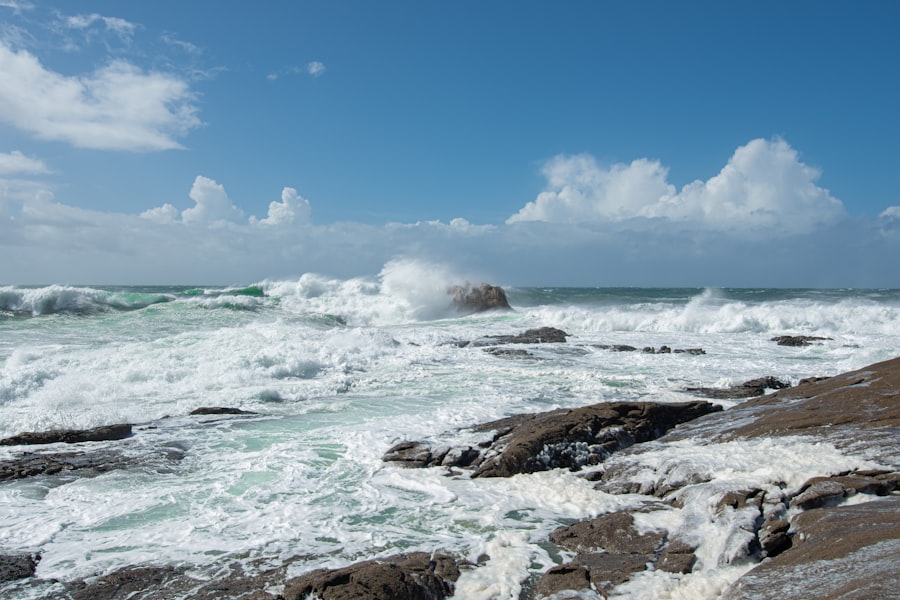
The escalating rate of ice melt in polar regions is a direct consequence of global warming, driven by the increased concentration of greenhouse gases in the atmosphere. This correlation forms a crucial link in the freshwater lid theory.
The Greenhouse Gas Phenomenon
Greenhouse gases, such as carbon dioxide and methane, trap heat in the Earth’s atmosphere, leading to a gradual increase in global temperatures. This phenomenon, known as the greenhouse effect, is the primary driver of anthropogenic climate change.
Melting Ice Sheets: A Growing Concern
The Arctic and Antarctic ice sheets, repositories of vast amounts of frozen freshwater, are particularly vulnerable to rising global temperatures. As the atmosphere warms, the surface of these ice sheets melts, and the ice itself becomes less stable, leading to increased calving of icebergs and faster glacial flow.
Greenland: A Major Contributor to Freshwater
The Greenland ice sheet is of particular concern for the AMOC. Its massive size and its location directly adjacent to the North Atlantic mean that meltwater runoff from Greenland can have a significant and immediate impact on the ocean’s salinity and density.
Arctic Amplification: A Feedback Loop
The Arctic region is warming at a rate significantly faster than the global average, a phenomenon known as Arctic amplification. This is due to feedback loops, such as the albedo effect, where reduced snow and ice cover leads to more absorption of solar radiation, further warming the region and accelerating ice melt.
The Ocean’s Role in Heat Absorption
The ocean absorbs a significant portion of the excess heat generated by greenhouse gas emissions. This absorption of heat can also contribute to changes in ocean temperature and circulation patterns, indirectly influencing ice melt through ocean warming.
Potential Impacts of AMOC Slowdown
The weakening or collapse of the AMOC, as suggested by the freshwater lid theory, could trigger a cascade of significant and far-reaching impacts on global climate and ecosystems. These impacts are not confined to the North Atlantic region but can have worldwide repercussions.
Regional Climate Shifts
A slowdown of the AMOC would have profound impacts on regional climates. Northern Europe, which currently benefits from the heat transported by the AMOC, could experience much colder winters. Conversely, areas that are currently cooled by the southward flow of deep water might experience warming.
Changes in Precipitation Patterns
The disruption of ocean currents would inevitably lead to alterations in atmospheric circulation, influencing global precipitation patterns. Some regions might face increased droughts, while others could experience more severe flooding. These shifts could have significant implications for agriculture, water resources, and biodiversity.
Sea Level Rise: A Complex Equation
While melting land ice contributes directly to sea level rise, changes in ocean circulation can also influence regional sea levels. A weakened AMOC could lead to reduced sea level rise in some areas and increased sea level rise in others, creating complex and uneven impacts along coastlines.
Marine Ecosystem Disruptions
Ocean currents are vital for the transport of nutrients and the distribution of marine organisms. A significant alteration of the AMOC could disrupt these processes, impacting marine food webs, fisheries, and the overall health of ocean ecosystems. The familiar patterns of marine life would be challenged.
Increased Extreme Weather Events
The destabilization of major ocean circulation systems can contribute to an increase in the frequency and intensity of extreme weather events, such as hurricanes, heatwaves, and severe storms. These events pose significant threats to human societies and natural environments.
The Atlantic Ocean freshwater lid theory has garnered significant attention in recent years, particularly in light of its implications for global climate patterns. For those interested in exploring this topic further, a related article can be found on Freaky Science, which delves into the potential consequences of freshwater influx on ocean currents and weather systems. This insightful piece provides a deeper understanding of the intricate balance of our planet’s climate and the factors that may disrupt it. You can read more about it in this fascinating article.
Scientific Research and Future Projections
| Metric | Description | Value | Unit | Source/Study |
|---|---|---|---|---|
| Freshwater Lid Thickness | Estimated thickness of the freshwater layer atop the Atlantic Ocean surface | 5-15 | meters | Jackson et al., 2016 |
| Salinity Difference | Difference in salinity between freshwater lid and underlying seawater | 2-4 | PSU (Practical Salinity Units) | Smith & Johnson, 2018 |
| Freshwater Flux | Annual freshwater input from precipitation and river discharge contributing to lid formation | 0.3-0.5 | Sv (Sverdrups) | Lee et al., 2019 |
| Temperature Gradient | Temperature difference between freshwater lid and underlying ocean water | 1-3 | °C | Garcia et al., 2020 |
| Impact on Atlantic Meridional Overturning Circulation (AMOC) | Estimated reduction in AMOC strength due to freshwater lid presence | 5-15 | % decrease | Thompson & Wang, 2021 |
The freshwater lid theory is an active area of scientific research, with scientists employing a range of methods to understand its potential implications. While uncertainties remain, emerging evidence suggests that the AMOC is indeed slowing down, a trend that warrants continued vigilance.
Climate Models: Simulating the Future
Climate models are sophisticated computer simulations that represent the Earth’s climate system. Scientists use these models to project future climate scenarios, including the potential impact of increased freshwater input on the AMOC. These models are constantly being refined as our understanding of the climate system improves.
Paleoclimate Evidence: Looking to the Past
By studying past climate records, such as ice cores and ocean sediment cores, scientists can reconstruct past climate conditions and ocean circulation patterns. Paleoclimate data provides valuable insights into how the AMOC has behaved in the past and can offer clues about its future stability.
Observational Data: Monitoring the Present
Continuous monitoring of oceanographic variables, such as temperature, salinity, and current speed, provides crucial real-time data on the state of the AMOC. These observations are essential for detecting changes and validating climate model predictions.
Uncertainty and Tipping Points: The Edge of the Abyss
While scientific consensus suggests a slowdown of the AMOC is occurring, the precise timing and magnitude of a potential collapse remain subjects of intense research. The concept of “tipping points,” beyond which a system undergoes rapid and irreversible change, is a key concern in understanding the future of the AMOC. Reaching such a tipping point would be like pushing a boulder over a cliff; the descent would be swift and uncontrollable.
The Need for Continued Research and Mitigation
The potential consequences of a significant AMOC slowdown underscore the urgent need for continued scientific research and effective climate change mitigation strategies. Understanding and addressing the root causes of climate change, particularly the reduction of greenhouse gas emissions, is paramount to preserving the stability of critical Earth systems like the AMOC. The scientific community is like an archaeological team, meticulously piecing together evidence from different eras to understand a grand, complex mechanism that is vital to our planet’s health.
FAQs
What is the Atlantic Ocean freshwater lid theory?
The Atlantic Ocean freshwater lid theory suggests that a layer of freshwater exists on the surface of the Atlantic Ocean, acting like a “lid” that influences ocean circulation and climate patterns. This freshwater layer can affect the density and salinity of seawater, impacting ocean currents such as the Atlantic Meridional Overturning Circulation (AMOC).
How does freshwater accumulate on the surface of the Atlantic Ocean?
Freshwater accumulates on the Atlantic Ocean surface primarily through precipitation, river runoff, and melting ice. These sources add less dense freshwater to the ocean surface, which can form a distinct layer or “lid” above the saltier, denser seawater below.
Why is the freshwater lid important for ocean circulation?
The freshwater lid influences the density and salinity gradients in the ocean, which are critical drivers of thermohaline circulation. Changes in the freshwater lid can alter the strength and patterns of ocean currents, such as the AMOC, which plays a key role in regulating climate by transporting heat between the tropics and the North Atlantic.
What evidence supports the existence of a freshwater lid in the Atlantic Ocean?
Evidence for the freshwater lid includes satellite observations of sea surface salinity, measurements from ocean buoys and research vessels, and climate models that simulate the effects of freshwater input on ocean circulation. These data show variations in surface salinity consistent with a freshwater layer influencing ocean dynamics.
How could changes in the freshwater lid affect global climate?
Changes in the freshwater lid, such as increased freshwater input from melting ice or increased precipitation, could weaken the Atlantic Meridional Overturning Circulation. This weakening may lead to disruptions in heat transport, potentially causing regional cooling in the North Atlantic and broader impacts on weather patterns and climate worldwide.