The potential shutdown of the Atlantic Meridional Overturning Circulation (AMOC) represents a profound environmental concern, a sleeping giant whose awakening could reshuffle the meteorological deck of the Northern Hemisphere. Recent scientific investigations have begun to illuminate the intricate ways in which such a shutdown might manifest in weather patterns, moving beyond theoretical models to paint a more tangible picture of a dramatically altered climate. This article delves into these uncovered weather effects, exploring the mechanisms at play and the potential consequences for regions that have long relied on the AMOC’s predictable influence.
The Ocean’s Warming Conveyor Belt
The AMOC is, in essence, the ocean’s grand circulatory system for heat, a vast conveyor belt that transports warm surface waters from the tropics northward and cooler, denser waters southward at deeper levels. This process is driven by differences in temperature and salinity, with the sinking of cold, salty water in the high latitudes of the North Atlantic acting as a critical engine. Think of it as the Earth’s central heating system, diligently distributing warmth across vast distances. A significant weakening or complete shutdown of this circulation would be akin to turning off that thermostat, plunging the system into a far less regulated state.
Drivers of the Potential Shutdown
The primary concern driving the possibility of an AMOC shutdown is the influx of freshwater into the North Atlantic, largely attributed to the melting of the Greenland ice sheet and increased precipitation. As freshwater is less dense than saltwater, it disrupts the sinking process that powers the AMOC. Imagine pouring a large amount of ice into a pot of boiling water; the vigorous bubbling and circulation would be significantly hampered. Scientists employ sophisticated climate models to simulate these scenarios, with recent studies providing increasingly concerning projections about the pace and potential tipping points for such a disruption.
Evidence from Paleoclimate Records
While current direct observations of AMOC strength are a relatively recent phenomenon, the Earth’s geological memory holds clues. Paleoclimate data, derived from ice cores, ocean sediments, and tree rings, reveal past periods of rapid climate change, some of which are strongly correlated with abrupt shifts in ocean circulation, including potential AMOC collapses during glacial periods. These past events serve as stark natural experiments, demonstrating the profound and often abrupt climatic consequences of such large-scale oceanic disturbances.
The potential shutdown of the Atlantic Meridional Overturning Circulation (AMOC) could have profound implications for global weather patterns, as discussed in a related article on Freaky Science. This phenomenon is crucial for regulating climate, and its disruption may lead to extreme weather events, including harsher winters in Europe and increased rainfall in the tropics. For more insights on this topic, you can read the article here: Freaky Science.
North Atlantic Cooling: A Reversal of Fortune
Dropping Temperatures in the Atlantic Sector
One of the most immediate and widely anticipated consequences of an AMOC shutdown is a significant cooling in the North Atlantic region, particularly across Europe and parts of North America. The warm Gulf Stream, a crucial component of the AMOC, currently delivers substantial heat to these areas. Without this oceanic heat transport, these regions would experience a dramatic reduction in incoming warmth. This is not a subtle shift; it would be like a region accustomed to a mild spring suddenly experiencing a deep freeze.
Impact on European Winters
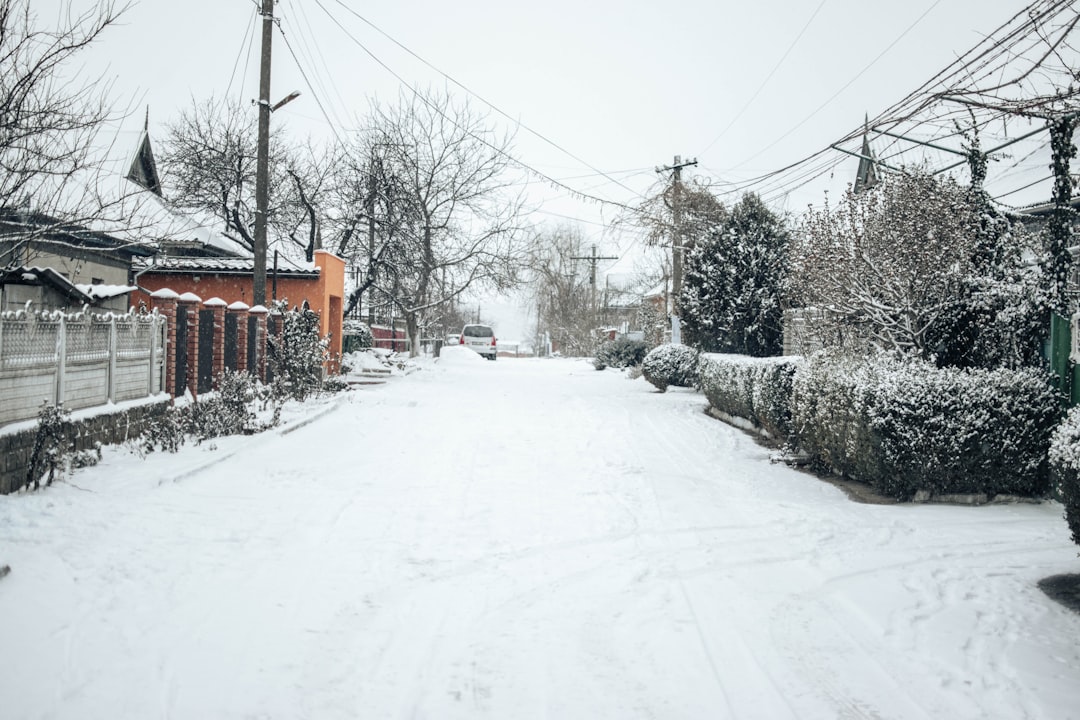
The effects on European winters would be particularly pronounced. Countries like the United Kingdom, Ireland, and Scandinavia, which benefit from the moderating influence of the Gulf Stream, would see a drastic drop in average temperatures. This could lead to harsher, longer winters, with increased frequency of severe cold snaps and heavy snowfall. Cities that are currently accustomed to relatively mild winters might find themselves struggling with infrastructure and energy demands far beyond their current capacity.
Shifting Agricultural Zones
The altered temperature regimes would inevitably impact agricultural productivity. Traditional crops grown in certain regions might become unviable due to colder growing seasons and increased frost risk. This could necessitate extensive agricultural adaptation, including the cultivation of hardier crops or a significant shift in agricultural focus, potentially leading to food security challenges if not managed proactively. The vast breadbaskets of some nations could face an existential threat.
Coastal Impacts and Sea Ice Expansion
Beyond temperature, a weakened AMOC could also contribute to increased sea ice formation in the North Atlantic. The export of warmer waters already plays a role in limiting ice extent. With less heat transported northward, conditions would become more favorable for ice to form and persist, potentially impacting shipping routes and coastal communities. The visual impact of a frozen North Atlantic could be a stark reminder of the drastic thermodynamic shift.
Precipitation Patterns: A Global Redistribution
Aridification in Some Regions
The changes in oceanic circulation would not be confined to temperature. Precipitation patterns across the Northern Hemisphere are intricately linked to the AMOC. With a shutdown, the moisture transport mechanisms would be disrupted, leading to significant alterations in rainfall distribution. Some regions, particularly those downwind of areas that would otherwise receive substantial moisture from the Atlantic, could experience increased aridity and a higher risk of drought. This would be like a meticulously watered garden suddenly finding its hose disconnected in critical areas.
Increased Rainfall Elsewhere
Conversely, other regions might experience an increase in precipitation. The complex interplay of atmospheric currents and oceanic heat distribution means that shifts in the AMOC could redirect moisture-laden air masses, leading to more frequent and intense rainfall events in unexpected locations. This could manifest as increased flooding risks, landslides, and further challenges for infrastructure not designed to cope with such deluge.
The Sahel and Subtropical Zones
Areas like the Sahel region in Africa, which have historically experienced significant rainfall variability, could be particularly vulnerable. A disruption to the AMOC could exacerbate existing arid conditions or lead to more prolonged and severe droughts. Similarly, subtropical regions might experience shifts in rainfall, impacting their unique ecosystems and the livelihoods of their populations.
Monsoon Systems and their Alterations
The intricate dynamics of monsoon systems, which are crucial for agriculture and water resources in many parts of Asia and Africa, could also be affected. Changes in atmospheric pressure gradients and sea surface temperatures driven by an altered AMOC could influence the timing, intensity, and spatial distribution of monsoon rains, with significant implications for billions of people.
Extreme Weather Events: An Intensified Frequency
Heatwaves in Other Regions
While the North Atlantic might cool, the global redistribution of heat could lead to intensified heatwaves in other parts of the world. As atmospheric circulation patterns shift, areas not historically prone to extreme heat could find themselves enduring prolonged periods of dangerously high temperatures, posing significant risks to human health and ecosystems. This is the flip side of the coin: where one region cools, another might overheat.
Storm Intensity and Frequency
The altered temperature gradients and atmospheric moisture content can influence the formation and intensity of storm systems. While the precise impacts are still a subject of intense research, models suggest a potential increase in the frequency and intensity of severe storms, including hurricanes and typhoons, in certain ocean basins. These colossal weather engines could become even more unpredictable and destructive.
Droughts and Floods: A Tale of Extremes
The dichotomous trend of increased aridification in some areas and heightened flood risk in others underscores the potential for an amplification of extreme weather events. Societies would need to contend with the dual challenges of managing prolonged droughts and preparing for devastating floods, often within the same geographical regions or with rapidly shifting patterns.
Shifts in Jet Stream Behavior
The behavior of the jet stream, a high-altitude current of air that influences weather patterns across the Northern Hemisphere, is closely tied to oceanic circulation. A weakened AMOC could lead to a more meandering or even stalled jet stream, resulting in prolonged periods of unusual weather, such as extended heatwaves, droughts, or cold spells. This would be like a river, normally flowing predictably, suddenly diverting into convoluted oxbows, bringing stagnant conditions.
Recent studies have highlighted the potential consequences of an AMOC shutdown on global weather patterns, emphasizing the need for further research in this area. For instance, an insightful article discusses how such a disruption could lead to extreme weather events, including harsher winters in Europe and increased rainfall in the tropics. To explore this topic further, you can read the full article here: AMOC Shutdown Weather Effects. Understanding these implications is crucial as we navigate the challenges posed by climate change.
Implications for Global Climate and Ecosystems
| Metric | Effect Description | Observed Impact | Timeframe |
|---|---|---|---|
| North Atlantic Sea Surface Temperature (SST) | Cooling in the North Atlantic due to reduced heat transport | Decrease of 1-3°C in SST near Greenland and surrounding areas | Within 5-10 years of AMOC slowdown |
| European Summer Temperatures | Reduction in summer temperatures due to weakened warm water flow | Average summer temperature drop of 1-2°C in Western Europe | 5-15 years after AMOC weakening |
| West African Monsoon Intensity | Decrease in monsoon rainfall linked to AMOC slowdown | Reduction of 10-20% in monsoon precipitation | Within 10 years of AMOC disruption |
| Hurricane Activity in the Atlantic | Potential increase in hurricane frequency and intensity | Up to 15% increase in major hurricanes (Category 3+) | Following AMOC weakening over decades |
| Arctic Sea Ice Extent | Accelerated sea ice loss due to altered heat distribution | Reduction of 5-10% in summer sea ice extent | Within 10-20 years of AMOC slowdown |
A New Climate Equilibrium
A shutdown of the AMOC would not be a temporary blip; it would represent a fundamental shift in the Earth’s climate system, forcing the planet into a new, potentially less stable, equilibrium. The interconnectedness of atmospheric and oceanic systems means that changes in one would inevitably cascade through the others. Understanding this new equilibrium is a monumental task for climate scientists.
Biodiversity and Ecosystem Resilience
The rapid and dramatic shifts in temperature and precipitation would place immense pressure on ecosystems and biodiversity. Species adapted to specific climatic conditions might struggle to survive or migrate quickly enough to adapt to the new environments. This could lead to significant biodiversity loss and a reduction in ecosystem resilience. The intricate tapestry of life could begin to unravel at a rapid pace.
Socioeconomic Disruptions
The cascading effects on agriculture, water resources, and extreme weather events would inevitably lead to significant socioeconomic disruptions. This could include mass migrations, increased resource conflicts, and economic instability. Nations and communities would need to invest heavily in adaptation and mitigation strategies to cope with the altered climatic realities.
The Need for Continued Research and Monitoring
The intricate mechanisms and far-reaching consequences of an AMOC shutdown necessitate continued and intensified scientific research. Sophisticated climate models, alongside robust oceanographic and atmospheric monitoring systems, are crucial for refining our understanding of these potential changes and for developing effective strategies to address them. The scientific community is engaged in a race against time to decipher the secrets of this potentially awakening giant.
The prospect of an AMOC shutdown serves as a potent reminder of the Earth’s delicate climatic balance and the profound impact of human activities on this system. While the exact timing and magnitude of these weather effects remain areas of active scientific investigation, the uncovered potential consequences paint a sobering picture of a significantly altered Northern Hemisphere climate, demanding our urgent attention and proactive response.
FAQs
What is the AMOC and why is it important?
The Atlantic Meridional Overturning Circulation (AMOC) is a large system of ocean currents, including the Gulf Stream, that transports warm water from the tropics to the North Atlantic. It plays a crucial role in regulating climate by distributing heat and influencing weather patterns across the Atlantic region and beyond.
What happens when the AMOC shuts down?
A shutdown or significant weakening of the AMOC can disrupt the normal flow of warm and cold water, leading to drastic changes in weather and climate. This can cause cooler temperatures in Europe, rising sea levels along the U.S. East Coast, and altered rainfall patterns in Africa and the Americas.
How does an AMOC shutdown affect weather in Europe?
If the AMOC weakens or shuts down, Europe may experience colder winters and cooler overall temperatures because less warm water is transported northward. This can also lead to more extreme weather events, such as increased storms and changes in precipitation.
What are the potential impacts of AMOC shutdown on global climate?
Beyond regional effects, an AMOC shutdown can contribute to global climate disruptions, including intensified droughts in the Sahel region of Africa, shifts in monsoon patterns in South Asia, and changes in hurricane activity in the Atlantic. It may also accelerate global sea level rise.
Is the AMOC currently weakening, and what are the causes?
Scientific observations indicate that the AMOC has weakened over the past century, likely due to increased freshwater input from melting ice sheets and higher rainfall caused by global warming. This influx of freshwater reduces the ocean’s salinity and density, disrupting the circulation. However, a complete shutdown has not yet occurred.