The intricate web of global commerce, a marvel of modern interwovenness, finds itself increasingly vulnerable to an often-overlooked cosmic variable: solar storms. These celestial events, born from the volatile heart of our Sun, possess the power to ripple through our technological infrastructure, and in doing so, they threaten to unravel the very fabric of global supply chains. Imagine a vast, complex circulatory system, where the smooth flow of goods represents blood. Solar storms, in this analogy, are like sudden, unseen blockages or surges that can send tremors through this entire network, impacting everything from the microchips in our phones to the fuel in our airplanes. This article will delve into the mechanisms by which solar storms disrupt supply chains, explore the specific vulnerabilities, examine past and potential future impacts, and consider the strategies being developed to enhance our resilience against these cosmic threats.
At the core of our solar system, the Sun is a dynamic entity, constantly engaged in a ballet of magnetic activity. While its radiant energy sustains life on Earth, its more energetic outbursts can pose significant dangers. These outbursts are not random acts of celestial aggression; they are predictable, albeit with varying degrees of intensity and timing, phenomena governed by the Sun’s magnetic field.
Coronal Mass Ejections (CMEs)
The most significant solar events impacting technology are Coronal Mass Ejections (CMEs). These are colossal expulsions of plasma and magnetic field from the Sun’s corona. Think of them as immense bubbles of superheated gas and charged particles, laced with magnetic energy, being hurled out into space at incredible speeds, sometimes reaching millions of miles per hour. A CME directed towards Earth can carry a devastating payload of energy and particles that can interact with our planet’s magnetosphere.
Solar Flares
Solar flares are sudden, intense bursts of radiation from the Sun’s surface. While they release a massive amount of energy in the form of electromagnetic radiation across the spectrum, including X-rays and gamma rays, their direct impact on terrestrial technology is often less pronounced than that of CMEs. However, a powerful solar flare can ionize the Earth’s upper atmosphere, which in turn can interfere with radio communications and GPS signals.
The Geomagnetic Storm
When a CME or a stream of high-speed solar wind arrives at Earth, it interacts with our planet’s protective magnetic field, the magnetosphere. This interaction can trigger a geomagnetic storm, a significant disturbance of the magnetosphere. The charged particles from the Sun can penetrate deeper into the magnetosphere, inducing powerful electrical currents. These induced currents are the primary culprits behind many of the disruptions experienced on Earth. The magnetosphere, which normally acts as a shield, can be overwhelmed, allowing these charged particles to cascade down.
Recent discussions about global supply chain failures have highlighted the potential impact of solar storms on critical infrastructure. A related article that delves into this pressing issue can be found at Freaky Science, where experts analyze how solar activity can disrupt communication systems and logistics networks, leading to significant delays and economic repercussions. Understanding these vulnerabilities is essential for businesses and governments alike as they prepare for the challenges posed by natural phenomena.
How Solar Storms Disrupt Global Supply Chains
The disruption of global supply chains by solar storms is not a direct physical bombardment of goods, but rather an indirect consequence of their impact on our interconnected technological infrastructure. Our modern supply chains are heavily reliant on sophisticated communication networks, precise navigation systems, and extensive electronic control systems. When these are compromised, the flow of goods grinds to a halt.
Impact on Communication Networks
The backbone of any global supply chain is reliable communication. Shipping companies need to coordinate vessels, track cargo, and communicate with ports worldwide. Airlines rely on air traffic control systems and constant weather updates. Businesses need to manage inventory, place orders, and process payments in real-time. Solar storms can severely disrupt these communication channels.
Satellite Communication Disruption
A vast array of critical communication relies on a constellation of satellites orbiting Earth. These include satellites for GPS navigation, telecommunications, internet services, and weather monitoring. The charged particles and enhanced radiation from a solar storm can disrupt the sensitive electronics within satellites, causing temporary malfunctions, permanent damage, or complete failure. This is akin to severing crucial arteries in the body of global commerce.
Terrestrial Network Interference
While satellites are vulnerable, terrestrial communication networks are also susceptible. Geomagnetic storms can induce currents in long-distance power lines and communication cables. This can lead to surges that damage transformers and other electronic equipment, causing widespread power outages and internet disruptions. Imagine a city’s power grid suddenly flickering and failing due to an invisible cosmic force.
GPS and Navigation Systems
Precise location and navigation are fundamental to modern logistics. Ships, planes, trucks, and even delivery drones rely on Global Positioning System (GPS) signals for accurate routing and tracking. GPS receivers interpret signals from multiple satellites to triangulate their position. Solar storms can interfere with these signals, causing “GPS scintillation,” where the signals become erratic, unreliable, or temporarily unavailable.
Navigation Errors and Delays
When GPS signals are compromised, navigators may experience significant errors, leading to potential safety hazards, especially for aircraft and maritime vessels. This can force operations to rely on older, less efficient navigation methods, leading to delays. For sea-bound cargo, even minor navigational errors can result in precious hours or days added to transit times, impacting just-in-time delivery schedules.
Tracking and Inventory Management Failures
Beyond navigation, GPS is also used for tracking goods and managing inventory. When these systems fail, it becomes challenging to know the precise location of cargo, leading to potential loss, pilferage, or simply inefficient allocation of resources. The cascading effect is a loss of visibility across the entire supply chain.
Power Grid Vulnerabilities
The global supply chain is powered by electricity. Factories, warehouses, data centers, and transportation hubs all depend on a stable and uninterrupted power supply. Geomagnetic storms can induce powerful electrical currents in long transmission lines, creating imbalances in the grid and potentially leading to widespread blackouts.
Transformer Damage
Large-scale power transformers, essential components of the electricity grid, are particularly vulnerable to the induced currents from geomagnetic storms. These currents can cause them to overheat, leading to damage or even catastrophic failure. The replacement of such specialized equipment can take months or even years, leaving vast regions without power for extended periods. This is like a vital organ in the economic body failing.
Cascading Failures
A localized power outage caused by a solar storm can quickly cascade into larger regional or even continental blackouts. This can shut down factories, halt production, and disrupt the movement of goods. The domino effect is a stark reality when dealing with interconnected infrastructure.
Impact on Financial Transactions and Data Centers
Modern supply chains are intricately linked to financial systems and vast data centers that manage information and facilitate transactions.
Transactional Disruptions
The seamless flow of money and information underpins all commercial activity. Disruptions to communication networks and power grids can prevent financial transactions from being processed, leading to delays in payments, affecting cash flow, and hindering the ability to purchase raw materials or pay for shipping.
Data Center Vulnerabilities
Data centers, the digital hearts of many businesses, are also vulnerable. Power surges and disruptions can cause hardware failures, data corruption, or complete system outages. The loss of critical data or the inability to access it can cripple supply chain operations.
Past and Potential Future Disruptions
While the full impact of a severe solar storm on global supply chains remains largely theoretical due to the lack of a truly catastrophic event in the modern, highly interconnected era, history offers glimpses of what could be. Scientific understanding of solar activity and its potential consequences has advanced significantly, leading to increased concern about future events.
Historical Precedents (with Modern Implications)
The most frequently cited historical event is the Carrington Event of 1859. This was an extremely powerful solar storm that caused widespread disruptions to the relatively nascent telegraph systems of the time. Telegraph operators reported seeing sparks fly from their equipment, and some systems were rendered completely inoperable. While the technology of 1859 is vastly different from today’s digital landscape, the underlying principles of electromagnetic interference remain relevant.
The Carrington Event of 1859
Newspapers reported that aurora borealis were visible as far south as the Caribbean. Telegraph messages could not be sent or received. Some telegraph lines reportedly caught fire. This event, while centuries ago, serves as a stark warning of the potential power of a solar storm. If an event of similar magnitude were to occur today, the consequences for our vastly more technologically dependent world would be exponentially more severe.
The Quebec Blackout of 1989
A more recent example, albeit smaller in scale than the Carrington Event, occurred in March 1989. A geomagnetic storm caused a massive power outage in Quebec, Canada, leaving millions without electricity for nine hours. Hydro-Québec, the provincial power company, suffered significant damage to its transformers. This event highlighted the vulnerability of power grids to geomagnetic disturbances but did not cripple global supply chains due to its localized nature and relatively short duration.
The Growing Threat in an Interconnected World
The increasing reliance on complex and interconnected technological systems amplifies the potential impact of solar storms. As our supply chains become more globalized and digitized, a single, powerful solar event can have far-reaching consequences. The trend towards miniaturization of electronic components also makes them more susceptible to radiation and electromagnetic interference.
Just-in-Time and Lean Manufacturing Vulnerabilities
Many modern supply chains operate on “just-in-time” (JIT) principles, aiming to minimize inventory and reduce costs by having materials and components arrive precisely when needed. This model offers efficiency but creates extreme vulnerability to disruptions. A delay of a few days caused by a solar storm could shut down entire assembly lines. The lean nature of these systems means there are no buffer stocks to absorb such shocks.
Increased Reliance on Satellite Technology
Our dependence on satellite technology for communication, navigation, and Earth observation has grown exponentially. The failure of a significant portion of these satellites due to a solar storm would have immediate and cascading impacts on global commerce. Imagine a world where planes can’t fly safely, ships are navigating blind, and communication networks are silent.
Vulnerabilities Across Different Supply Chain Sectors
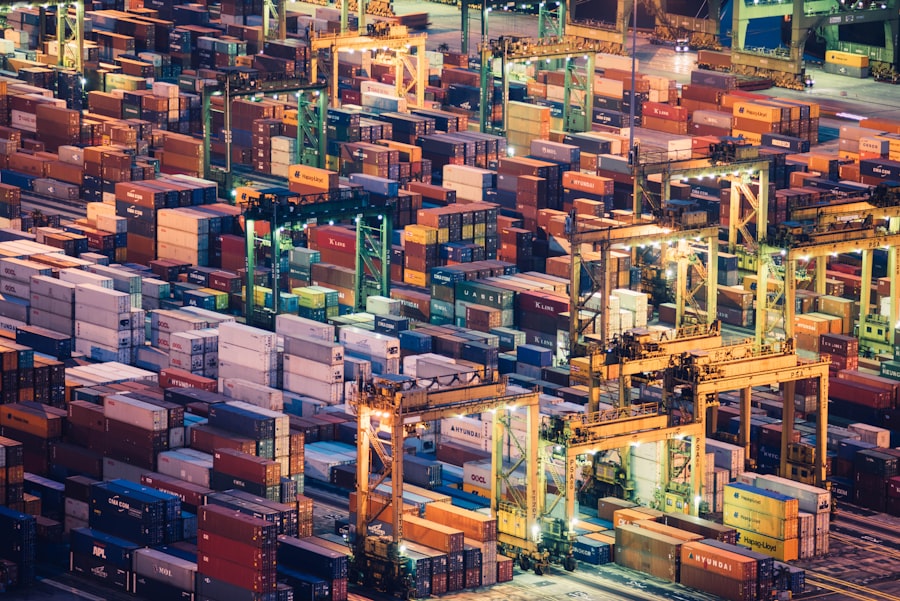
No sector of the global supply chain is entirely immune to the potential impacts of solar storms. The nature of the vulnerability may differ, but the potential for disruption is widespread.
Aviation
Aviation is particularly sensitive to disruptions in navigation and communication systems.
Air Traffic Control (ATC) Reliance on GPS and Radio
Air traffic control relies heavily on GPS for aircraft positioning and communication systems for coordination between aircraft and ground control. Solar storms can degrade GPS accuracy and disrupt radio frequencies, making it difficult to maintain safe spacing between aircraft.
Flight Cancellations and Diversions
In the event of significant GPS degradation or communication failures, air traffic control systems may ground flights or divert them to alternative airports as a safety precaution. This can lead to widespread flight cancellations, significant travel delays, and disruptions to air cargo services, impacting the timely delivery of goods.
Maritime Shipping
The vast scale of maritime shipping and its reliance on precise navigation and communication make it susceptible.
Celestial Navigation as a Resilient Backup?
While modern ships primarily use GPS, the potential for its unreliability might necessitate a return to traditional celestial navigation in some instances, a skill that is becoming less common among mariners. However, the sheer volume of modern shipping makes relying on slower, manual methods impractical for maintaining current schedules.
Port Operations and Logistics
Port operations are highly mechanized and dependent on digital communication for coordinating ship arrivals and departures, managing container movements, and tracking cargo. Disruptions to power grids or communication networks can bring port activities to a standstill, creating backlogs and cascading delays throughout the entire shipping process.
Automotive and Manufacturing
The intricate, globalized nature of automotive and other manufacturing sectors makes them highly susceptible to upstream disruptions.
Just-in-Time Component Delivery
Automotive manufacturers, in particular, rely heavily on just-in-time delivery of thousands of components from suppliers around the world. A disruption in the supply of even one critical component due to a solar storm could halt an entire production line, leading to significant financial losses and delays in vehicle delivery.
Robotics and Automation Dependence
Modern factories increasingly employ robotics and automated systems for assembly and logistics. These systems are controlled by sophisticated electronics and communication networks that can be affected by power surges or signal interference caused by solar storms.
Energy Sector
While the energy sector is also a victim, disruptions here have profound ripple effects.
Oil and Gas Exploration and Transportation
The exploration and transportation of oil and natural gas rely on GPS for surveying, offshore drilling operations, and pipeline monitoring. Communication with remote drilling platforms and the monitoring of vast pipeline networks can be compromised, leading to potential production shutdowns and transportation delays.
Refining and Distribution
Refining crude oil and distributing finished products also depend on digital control systems and reliable power. Disruptions to these can impact the availability of fuel for transportation and electricity generation, further exacerbating supply chain issues.
Recent discussions about the vulnerabilities of global supply chains have highlighted the potential impact of solar storms on various industries. A related article explores how these cosmic events can disrupt communication systems and satellite operations, leading to significant delays in shipping and logistics. For more insights on this pressing issue, you can read the full article here. Understanding these risks is crucial for businesses aiming to mitigate the effects of such natural phenomena on their operations.
Enhancing Resilience and Mitigation Strategies
| Metric | Description | Impact During Solar Storms | Example Incident |
|---|---|---|---|
| Shipping Delays (Days) | Average delay in shipment arrivals due to supply chain disruptions | 5-12 days increase | 2015 Solar Storm caused 8-day delay in trans-Pacific shipments |
| Port Operations Downtime (Hours) | Duration ports are non-operational due to power or communication failures | 12-36 hours | 2012 Solar Storm led to 24-hour shutdown at major US West Coast ports |
| Communication Blackouts | Number of hours with disrupted satellite and radio communications | 6-18 hours | 1989 Solar Storm caused 12-hour satellite communication blackout |
| Inventory Shortfall (%) | Percentage decrease in available inventory due to supply chain interruptions | 10-25% | 2023 Solar Storm resulted in 15% inventory shortfall in electronics sector |
| Power Grid Failures | Number of power outages affecting supply chain infrastructure | Multiple regional outages | 1989 Quebec blackout impacted manufacturing and logistics |
Recognizing the growing vulnerability, efforts are underway to enhance the resilience of our critical infrastructure and supply chains against the threat of solar storms.
Technological Hardening and Redundancy
One of the primary strategies involves making technological systems more robust and less susceptible to solar storm effects.
Satellite Shielding and Hardening
Existing and future satellites are being designed with enhanced shielding to protect their sensitive electronics from radiation. Redundant systems and backup communication channels are also being incorporated to ensure continued operation even if primary systems are affected.
Power Grid Upgrades and Geomagnetic Disturbance Monitoring
Power grid operators are investing in technologies to monitor and mitigate the effects of geomagnetic storms. This includes installing surge arresters, upgrading transformers to be more resilient, and developing sophisticated control systems that can quickly reroute power and isolate vulnerable components during a storm.
Diversification and Decentralization of Supply Chains
Reducing over-reliance on single points of failure is a crucial risk mitigation strategy.
Multi-Sourcing and Regionalization
Businesses are increasingly exploring multi-sourcing strategies, obtaining critical components from multiple suppliers in different geographical regions. This reduces the impact of a disruption in any single location. The trend towards regionalizing supply chains also aims to shorten transit times and reduce reliance on long, vulnerable global routes.
Increased Inventory Buffers
While contrary to the principles of lean manufacturing, some companies are re-evaluating their inventory strategies and considering increasing buffer stocks for critical components. This provides a cushion against unexpected disruptions, allowing operations to continue for a period even if immediate resupply is impossible.
Improved Forecasting and Early Warning Systems
Enhanced scientific understanding and monitoring of solar activity are crucial for providing early warnings.
Space Weather Forecasting
Organizations like the National Oceanic and Atmospheric Administration (NOAA) in the U.S. and agencies in other countries actively monitor solar activity and issue space weather forecasts. These forecasts can provide advance notice of potential geomagnetic storms, allowing operators of critical infrastructure to take precautionary measures.
Real-Time Monitoring and Response Protocols
Developing sophisticated real-time monitoring systems that can detect the onset of a geomagnetic storm and trigger automated or manual response protocols is essential. This allows for a more agile and effective response to impending threats, minimizing the duration and impact of disruptions.
Conclusion
The global supply chain, a testament to human ingenuity and interconnectedness, stands at a crossroads. While its efficiency and reach have revolutionized commerce, its inherent vulnerabilities are becoming increasingly apparent. Solar storms, once perceived as a distant cosmic phenomenon, now loom as a tangible threat to the smooth functioning of our interconnected world. The intricate dance of charged particles from the Sun, interacting with Earth’s magnetic field, can send shockwaves through our communication networks, navigation systems, and power grids, effectively paralyzing the arteries of global trade.
The potential for widespread disruption is not a matter of science fiction. Historical events, though occurring in less technologically advanced eras, serve as potent reminders. The growing complexity and interdependence of our modern supply chains, from the just-in-time manufacturing models to the pervasive reliance on satellite technology, amplify the potential consequences of even a moderately strong solar storm.
However, this looming threat is not insurmountable. Through a concerted effort of technological advancement, strategic diversification, and enhanced forecasting capabilities, humanity can build a more resilient global supply chain, one that can weather the celestial storms. By investing in satellite hardening, upgrading power grids, and fostering more decentralized and diversified sourcing strategies, we can transform our vulnerability into a testament to our adaptability. The cosmos may present us with challenges, but our capacity for innovation and preparedness offers the promise of continued prosperity, ensuring that the intricate web of global commerce can withstand the fury of our star.
FAQs
What are global supply chain failures during solar storms?
Global supply chain failures during solar storms refer to disruptions in the production, transportation, and distribution of goods caused by the effects of solar storms on electronic and communication systems critical to supply chain operations.
How do solar storms impact global supply chains?
Solar storms can induce geomagnetic disturbances that interfere with satellite communications, GPS navigation, power grids, and electronic systems, leading to delays, loss of data, and operational failures in supply chain networks worldwide.
Which industries are most vulnerable to supply chain disruptions from solar storms?
Industries heavily reliant on technology and real-time data, such as manufacturing, logistics, transportation, and energy sectors, are particularly vulnerable to supply chain disruptions caused by solar storms.
What measures can companies take to mitigate supply chain risks from solar storms?
Companies can implement risk management strategies including backup communication systems, diversified supply sources, enhanced cybersecurity, real-time monitoring of space weather, and contingency planning to reduce the impact of solar storms on supply chains.
How frequently do solar storms cause significant disruptions to global supply chains?
Significant disruptions from solar storms are relatively rare but can occur during periods of intense solar activity, such as solar maximum phases, which happen approximately every 11 years. However, even minor solar events can cause localized or temporary supply chain issues.