
The placebo effect has long fascinated both the medical community and the general public, serving as a testament to the intricate relationship between the mind and body. Defined as a beneficial outcome resulting from a treatment that has no therapeutic effect, the placebo effect underscores the power of belief and expectation in influencing health outcomes. This phenomenon raises critical questions about the nature of healing and the mechanisms that underpin human physiology.
As researchers delve deeper into the complexities of the placebo effect, they uncover layers of psychological and physiological interactions that challenge traditional notions of treatment efficacy. In recent years, the exploration of placebo has expanded beyond mere anecdotal evidence, gaining traction in scientific research and clinical practice. The implications of these findings are profound, suggesting that the mind can significantly alter physical states.
This article aims to explore the multifaceted impact of placebo, particularly within the realms of neuroscience, clinical trials, pain management, mental health, and neurological disorders. By examining these areas, one can appreciate how placebo not only serves as a tool for understanding human health but also as a potential catalyst for innovative therapeutic approaches.
Key Takeaways
- Placebo’s impact is significant in neuroscience and clinical trials, influencing brain function and mental health.
- Neuroscience research has uncovered the role of placebo in brain function and its potential impact on neurological disorders.
- Placebo has been found to have a significant effect on pain management, offering potential alternative treatments.
- Ethical considerations in placebo research are crucial for ensuring the well-being of participants and the validity of results.
- Future implications of placebo discoveries may lead to innovative treatments and a deeper understanding of the mind-body connection.
The Role of Placebo in Neuroscience
Neuroscience has played a pivotal role in elucidating the mechanisms behind the placebo effect. Researchers have employed advanced imaging techniques, such as functional magnetic resonance imaging (fMRI), to observe brain activity in response to placebo treatments. These studies reveal that when individuals believe they are receiving treatment, their brains can exhibit changes similar to those seen with actual therapeutic interventions.
This suggests that the brain is capable of initiating physiological responses based solely on expectation and belief, highlighting the intricate interplay between cognition and bodily function. Moreover, the role of neurotransmitters in the placebo effect cannot be overstated. Studies have shown that the release of endorphins and dopamine can be triggered by the mere anticipation of relief from symptoms.
This biochemical response indicates that the brain’s reward pathways are activated when individuals expect positive outcomes from treatment. Consequently, understanding these neural mechanisms provides valuable insights into how psychological factors can influence physical health, paving the way for more effective treatment strategies that harness the power of belief.
Placebo Effect on Brain Function
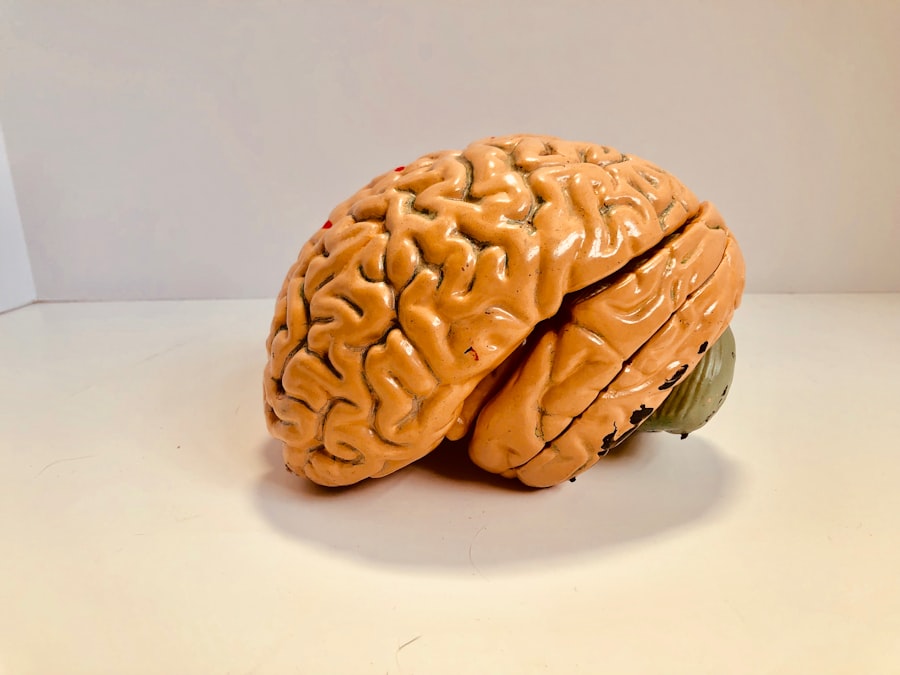
The impact of placebo extends beyond mere psychological effects; it significantly influences brain function and overall health. When individuals experience a placebo effect, their brain can undergo changes that enhance cognitive performance and emotional well-being.
This phenomenon suggests that the brain’s perception of treatment can lead to real changes in mental state and cognitive function. Furthermore, the placebo effect can modulate pain perception through alterations in brain activity. Research indicates that when individuals anticipate pain relief from a placebo, specific brain regions associated with pain processing become less active.
This reduction in neural activity correlates with decreased pain perception, illustrating how expectation can shape sensory experiences. By understanding these mechanisms, researchers can develop targeted interventions that leverage the placebo effect to enhance patient outcomes in various medical contexts.
Neuroscience Discoveries in Placebo Research
| Neuroscience Discoveries in Placebo Research |
|---|
| 1. Placebo Effect Activation in Brain |
| 2. Neurotransmitter Involvement in Placebo Response |
| 3. Brain Imaging Studies on Placebo Effects |
| 4. Role of Expectations and Conditioning in Placebo Response |
Recent discoveries in neuroscience have shed light on the underlying mechanisms of the placebo effect, revealing its complexity and potential applications. One significant finding is the role of conditioning in shaping placebo responses. Just as Pavlov’s dogs learned to associate a bell with food, patients can learn to associate certain cues—such as pill color or doctor demeanor—with therapeutic effects.
This learned response can trigger physiological changes even when no active treatment is administered, demonstrating how powerful conditioning can be in influencing health outcomes. Additionally, research has identified specific brain regions involved in mediating placebo responses. The prefrontal cortex, for instance, plays a crucial role in expectation and decision-making processes related to treatment outcomes.
These discoveries not only deepen our understanding of the placebo effect but also open avenues for developing new therapeutic strategies that incorporate cognitive and emotional elements into treatment plans.
Placebo in Clinical Trials
Placebo-controlled clinical trials are considered the gold standard for evaluating the efficacy of new treatments. By comparing a treatment group receiving an active intervention with a control group receiving a placebo, researchers can isolate the true effects of a drug or therapy from those attributable to patient expectations or psychological factors. This methodology has been instrumental in advancing medical science, ensuring that new treatments are both safe and effective before they reach patients.
However, the use of placebos in clinical trials raises ethical considerations that must be carefully navigated. In some cases, withholding effective treatment from patients in favor of a placebo may be deemed unethical, particularly for conditions where established therapies exist. Researchers must balance the need for rigorous scientific inquiry with their ethical obligation to prioritize patient welfare.
As such, ongoing discussions about the ethical implications of placebo use continue to shape clinical trial design and implementation.
Placebo and Pain Management
The application of placebo in pain management is one of its most compelling areas of study. Pain is a complex experience influenced by both physiological and psychological factors, making it an ideal candidate for exploring the interplay between expectation and symptom relief. Numerous studies have demonstrated that placebos can significantly reduce pain perception in patients suffering from various conditions, including chronic pain syndromes and postoperative discomfort.
The mechanisms behind this phenomenon are multifaceted. When patients believe they are receiving effective pain relief, their brains can release endogenous opioids—natural pain-relieving chemicals—resulting in actual reductions in pain sensation. Additionally, the context in which treatment is administered plays a crucial role; factors such as clinician-patient interactions and environmental cues can enhance or diminish placebo responses.
By harnessing these insights, healthcare providers can develop more effective pain management strategies that incorporate both pharmacological and non-pharmacological approaches.
Placebo and Mental Health
The impact of placebo extends into the realm of mental health, where it has been shown to influence conditions such as depression and anxiety. Research indicates that individuals who believe they are receiving effective treatment for mental health issues often experience significant improvements in their symptoms, even when administered a placebo. This highlights the importance of psychological factors in mental health treatment and underscores the potential for integrating placebo-based approaches into therapeutic practices.
Cognitive-behavioral therapy (CBT) and other psychotherapeutic modalities often leverage elements akin to the placebo effect by fostering positive expectations and beliefs about treatment outcomes. By instilling hope and encouraging patients to engage actively in their healing process, therapists can enhance treatment efficacy. Furthermore, understanding how placebo responses manifest in mental health contexts can inform future research aimed at developing innovative interventions that capitalize on these psychological mechanisms.
Placebo and Neurological Disorders
The exploration of placebo effects extends into neurological disorders, where it presents unique challenges and opportunities for research and treatment. Conditions such as Parkinson’s disease and multiple sclerosis have shown notable responses to placebo interventions, suggesting that expectation can influence neurological functioning. For instance, studies have indicated that Parkinson’s patients may experience improvements in motor function when they believe they are receiving effective treatment, even if it is a placebo.
These findings raise intriguing questions about the neurobiological underpinnings of such responses. The interplay between expectation and neurological pathways may offer insights into developing new therapeutic strategies for managing neurological disorders. By understanding how belief systems can modulate symptoms in these conditions, researchers may uncover novel approaches that enhance patient quality of life while minimizing reliance on pharmacological interventions.
Ethical Considerations in Placebo Research
As research into the placebo effect continues to evolve, ethical considerations remain at the forefront of discussions surrounding its use in clinical practice and trials. The ethical dilemma often centers on whether it is justifiable to administer a placebo instead of an active treatment when effective therapies exist. Informed consent becomes a critical issue; patients must be made aware of their treatment options while also understanding the potential benefits and limitations of participating in studies involving placebos.
Moreover, researchers must navigate the fine line between deception and transparency when designing studies involving placebos. While some degree of deception may be necessary to maintain the integrity of a trial, it raises ethical concerns about patient autonomy and trust in medical professionals. Ongoing dialogue within the medical community is essential to establish guidelines that respect patient rights while advancing scientific knowledge about the placebo effect.
Future Implications of Placebo Discoveries
The future implications of discoveries related to the placebo effect are vast and promising. As researchers continue to unravel its complexities, there is potential for integrating placebo-based approaches into standard medical practice across various fields. For instance, personalized medicine could benefit from understanding individual differences in placebo responsiveness, allowing healthcare providers to tailor treatments based on patients’ beliefs and expectations.
Additionally, advancements in neuroscience may lead to innovative therapies that harness the power of expectation without relying solely on pharmacological interventions. By incorporating psychological strategies into treatment plans—such as enhancing patient-provider communication or utilizing conditioning techniques—healthcare professionals may improve patient outcomes across diverse medical conditions. The ongoing exploration of placebo effects holds promise for transforming how healthcare is delivered and experienced.
Conclusion and Future Directions
In conclusion, the impact of placebo extends far beyond mere psychological phenomena; it encompasses intricate interactions between mind and body that have profound implications for health and healing. As research continues to illuminate the mechanisms underlying this effect, it becomes increasingly clear that understanding placebo responses is essential for advancing medical science and improving patient care. Looking ahead, future directions in placebo research will likely focus on refining methodologies for studying its effects while addressing ethical considerations surrounding its use in clinical practice.
By fostering collaboration between neuroscientists, psychologists, and clinicians, researchers can develop comprehensive frameworks that integrate psychological factors into treatment paradigms. Ultimately, embracing the complexities of the placebo effect may lead to innovative approaches that enhance patient well-being and redefine our understanding of healing itself.
In recent years, the field of neuroscience has made significant strides in understanding the placebo effect and its implications for treatment and therapy. A fascinating article on this topic can be found on Freaky Science, which delves into the latest discoveries and theories surrounding the placebo phenomenon. This article explores how the brain’s perception of treatment can lead to real physiological changes, offering new insights into how we might harness this effect for therapeutic purposes. For more in-depth information, you can read the full article by visiting Freaky Science.
WATCH THIS! 🧪The Placebo Effect Is Completely Fake
FAQs
What are some recent neuroscience discoveries in 2025?
In 2025, there have been several significant neuroscience discoveries, including advancements in understanding the placebo effect and its impact on the brain.
What is the placebo effect?
The placebo effect is a phenomenon in which a patient experiences a real improvement in their condition after receiving a treatment that has no therapeutic effect. This improvement is attributed to the patient’s belief in the treatment rather than the treatment itself.
What are some recent discoveries about the placebo effect in neuroscience?
Recent neuroscience discoveries have shed light on the mechanisms behind the placebo effect, including the role of neurotransmitters such as dopamine and endorphins in modulating the brain’s response to placebos.
How do these discoveries impact the field of neuroscience?
These discoveries have the potential to improve our understanding of the brain’s ability to self-regulate and heal, as well as to inform the development of more effective treatments that harness the power of the placebo effect.
What are the potential implications of these discoveries for medical practice?
The insights gained from these discoveries may lead to the development of more personalized and effective treatment strategies that take into account the individual’s psychological and neurobiological responses to placebo interventions. This could ultimately lead to better patient outcomes and improved healthcare delivery.