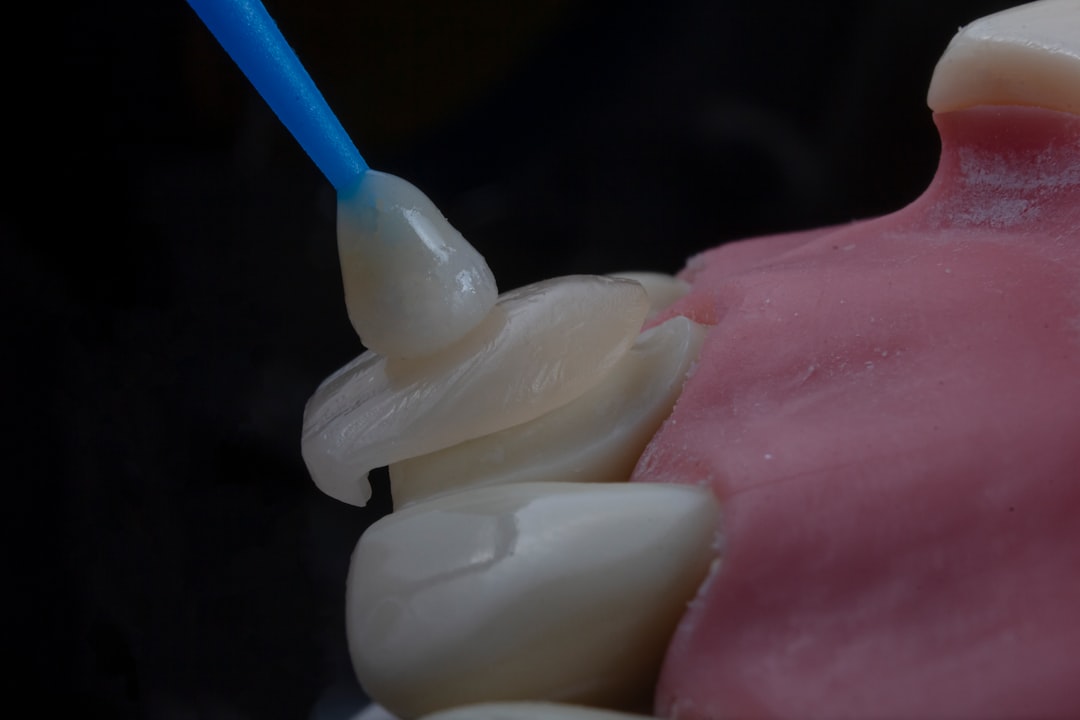
Creating Realistic Human Wear: Filing Teeth for Authenticity
The meticulous crafting of human wear within speculative fiction, historical reenactment, and character design often hinges on the inclusion of subtle yet impactful details that contribute to a sense of lived experience. Among these, the condition of a character’s teeth can serve as a powerful, non-verbal indicator of their environment, diet, social standing, and even their personal history. While often overlooked in favor of more prominent features, the careful depiction of worn or altered teeth can imbue a fictional persona with a depth of realism that resonates with an audience. One such technique, focusing on the deliberate filing of teeth, has a documented history across various cultures and time periods, offering a fertile ground for creators seeking to craft authentic human wear. This article will explore the practice of filing teeth, its historical context, the motivations behind it, and its application in creating believable characters.
The act of consciously altering the natural form of human teeth through abrasion or grinding is generally understood as tooth filing or dental modification. This practice stands apart from accidental wear caused by diet or trauma, and instead involves intentional manipulation. The process can range from simple sharpening of the incisors to more elaborate shaping and patterning. The underlying principle is to create a distinct visual characteristic that communicates something about the individual or their group. To the uninitiated, this might seem a curious or even grotesque practice. However, when viewed through the lens of historical and anthropological evidence, tooth filing emerges not as a singular aberration, but as a nuanced form of cultural expression and personal adornment. It is a practice that, like the subtle grain in aged wood, speaks of time, environment, and the deliberate hand of creation.
The deliberate alteration of teeth is not a modern invention, nor is it exclusively tied to a single geographic location or cultural group. Archaeological evidence suggests that tooth filing, among other forms of dental modification, has been practiced by humans for millennia. Understanding this historical lineage is crucial for creators aiming for authenticity, as it provides a foundation upon which to build their fictional representations.
Early Archaeological Discoveries
Some of the earliest evidence for intentional dental modification comes from ancient civilizations. Excavations of prehistoric burial sites have unearthed skeletal remains exhibiting teeth that have clearly been shaped by artificial means.
- The Natufian Culture: Remnants of the Natufian people, who inhabited the Levant region as far back as the 10th millennium BCE, have shown instances of teeth being deliberately smoothed or sharpened. These modifications are often found on incisors and canines, and their purpose remains a subject of ongoing scholarly debate.
- Ancient Egypt: While scarification and tattooing were prominent forms of body modification in ancient Egypt, some evidence suggests limited instances of dental alteration. These are less common than in other cultures but point to the broad human inclination to alter the body for various purposes.
- Mesoamerica: Civilizations such as the Maya and Aztec are well-known for their sophisticated dental practices, which often involved inlaying teeth with precious stones like jade and obsidian, but also included filing and shaping. These practices were often deeply ingrained in religious and social rituals, signifying status and spiritual connection.
Geographic Distribution and Cultural Variance
The practice of filing teeth was not confined to one corner of the globe. It appears in diverse cultures across continents, suggesting independent development or the diffusion of techniques over long periods. The motivations, methods, and aesthetic goals varied significantly, reflecting the unique cultural landscapes they inhabited.
- Indigenous Peoples of North America: Certain indigenous groups in North America, particularly in regions like California and the Southwest, practiced various forms of dental modification, including filing teeth into points or notches. These practices were often linked to rites of passage, warfare, or spiritual beliefs.
- Southeast Asia and Oceania: Tooth filing, often accompanied by teeth blackening, was a common practice in many parts of Southeast Asia and Oceania for centuries. In some cultures, the achievement of a pointed or notched tooth was a sign of maturity and beauty, particularly for women. The removal of the sharp edges of the incisors could also be a practical measure to prevent accidental injury during intimate contact or to facilitate oral activities.
- Africa: Throughout the African continent, numerous cultures have historically engaged in dental modification. This could involve filing teeth into points, creating parallel grooves, or even removing teeth entirely. These practices were often tied to initiation ceremonies, social status, or to signify membership in specific social groups.
Motivations Behind Tooth Filing
The reasons why ancient and historical populations chose to file their teeth were multifaceted and deeply rooted in their cultural and social contexts. It was rarely a frivolous act but rather a deliberate choice with significant meaning.
- Aesthetic and Social Signaling: In many societies, filed teeth were considered a mark of beauty, refinement, or social status. This could be influenced by perceived ideals of attractiveness, or by the desire to emulate the appearance of elders or respected individuals. The elaboration of the teeth could be an outward expression of one’s belonging to a particular social stratum.
- Ritual and Spiritual Significance: Dental modification was often integrated into religious or spiritual practices. Filing teeth might be seen as a way to align oneself with deities, ancestors, or spiritual forces. It could be a requirement for performing certain rituals or for entering specific spiritual states. In some animistic beliefs, the teeth might be seen as conduits for spiritual energy, and their alteration could be intended to enhance this connection.
- Rites of Passage and Identity Formation: The process of filing teeth frequently marked significant life transitions, such as puberty or adulthood. Successfully undergoing this rite of passage conferred a new identity and social standing. For young individuals, the pain and ritual associated with the filing could be a test of resilience and maturity.
- Practical Considerations: While less common as a primary motivation in the historical record for pronounced filing, some forms of dental alteration may have served practical purposes. For example, smoothing or altering the biting surfaces could have been influenced by the specific requirements of a diet, or to prevent damage to the lips during activities like chewing tough materials.
In a fascinating exploration of dental modifications, the article on filing teeth to mimic human wear discusses the cultural significance and historical practices associated with this unique form of body art. For those interested in the intersection of anthropology and dental aesthetics, this piece provides valuable insights into how societies have embraced tooth filing as a means of identity and expression. To learn more about this intriguing topic, you can read the full article here: Filing Teeth to Fake Human Wear.
The Mechanics and Aesthetics of Filing
Understanding the physical act of filing teeth, as well as the intended aesthetic outcomes, is essential for creators aiming for believable human wear. It’s not simply about making teeth look “old” or “rough,” but about replicating specific, intentional alterations.
Tools and Techniques Employed
The methods used for filing teeth varied depending on the available materials and the desired effect. These were often simple but effective tools, reflecting the ingenuity of early artisans.
- Abrasive Materials: The primary tools for filing teeth were abrasive substances. This included:
- Sand and Gravel: Coarse grit could be rubbed against teeth to create friction and wear them down.
- Sharp Stones and Flint: These could be used to scrape or chip away at the enamel, creating sharper edges or notches.
- Animal Bones and Teeth: Ground bone or the teeth of certain animals could also serve as abrasive agents.
- Manual Application: The process was almost exclusively manual, requiring significant skill, patience, and often, a steady hand. The individual performing the filing might be a specialist within the community, an elder, or even the individual themselves, though this would be considerably more challenging and painful.
- Gradual Process: It is unlikely that the most intricate dental modifications were achieved in a single session. Rather, they were likely the result of repeated filing over an extended period, allowing for precision and adaptation. The pain involved would have been a significant factor, often requiring a communal or ritualistic context to endure.
Desired Aesthetic Outcomes
The concept of beauty is culturally constructed, and this extended to the practice of filing teeth. What was considered desirable varied greatly, leading to a diverse range of visual outcomes.
- Sharpened Incisors: A common form of filing involved sharpening the front teeth (incisors) to points or V-shapes. This could be subtle, creating a slight V-notch, or extreme, resulting in sharp, conical points. The degree of sharpness would often be a reflection of the cultural ideal.
- Notched Teeth: Creating deliberate notches or geometric patterns along the biting edges of teeth was another popular technique. These notches could be uniform or irregular, and their placement might carry symbolic meaning.
- Segmented or Serrated Edges: Some cultures aimed to create teeth that appeared to be segmented, as if divided into smaller sections. This could be achieved through precise filing of parallel lines or grooves.
- Smoothing and Shaping: Beyond creating sharp edges or notches, filing could also be used to alter the overall shape of the teeth, perhaps to create a more uniform or aesthetically pleasing alignment, or to achieve a specific occlusion.
The Pain and Resilience Factor
It is crucial for creators to acknowledge the inherent pain involved in such procedures. The enamel, while hard, is not impervious to abrasion and the dental pulp beneath is sensitive.
- Endurance as a Virtue: The ability to withstand the pain of tooth filing was often seen as a demonstration of strength, resilience, and commitment to cultural norms. This made the practice an effective means of testing and reinforcing character.
- Community Support and Ritual: The filing was frequently integrated into communal ceremonies, where the presence and encouragement of others could help the individual endure the process. Chants, music, or the performance of other rituals could serve to distract from or mitigate the pain.
- Potential for Infection and Damage: It is also important to consider the inherent risks. Without sterile practices, there was a significant chance of infection. Furthermore, improper filing could lead to tooth sensitivity, damage to the underlying tooth structure, or even the loss of teeth. While creators may choose to downplay these risks for narrative purposes, understanding them adds a layer of gritty realism.
Replicating True Wear: Beyond Simple Damage
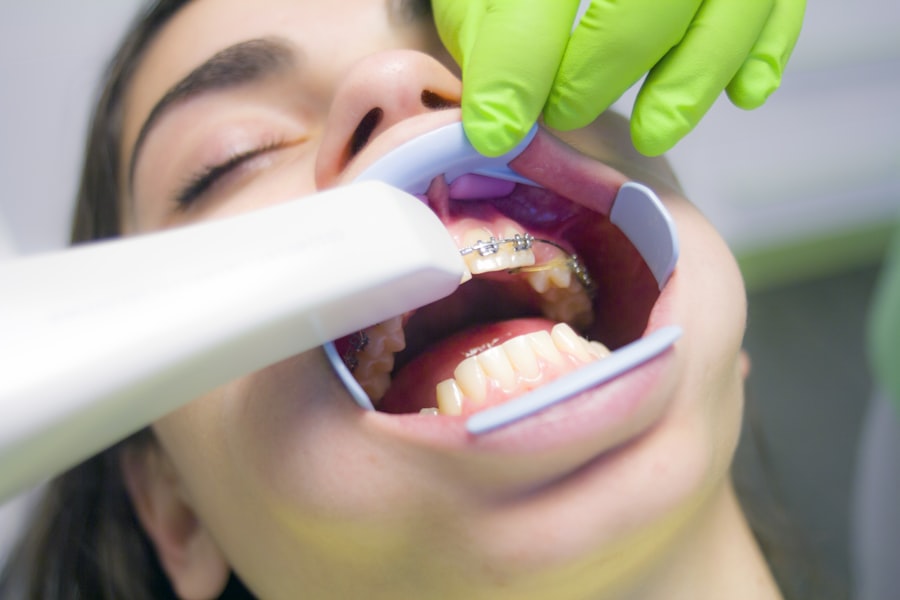
When depicting filed teeth in character design or narrative, the goal is to move beyond simply making teeth look “bad” or “broken.” Authentic representation requires understanding the intent and the process behind the modification, distinguishing it from accidental damage.
Differentiating Intentional Filing from Accidental Wear
Accidental wear, such as that caused by constant grinding of hard foods or habitual teeth grinding (bruxism), creates a different pattern of abrasion. Intentional filing, by contrast, exhibits a deliberate and often more uniform alteration.
- Uniformity of Wear: Intentional filing often results in a more uniform wear pattern across multiple teeth, especially if the goal was to achieve a specific look for all visible teeth. Accidental wear might be more pronounced on teeth used most for chewing or those impacted by irregular grinding.
- Sharpness and Defined Edges: Newly filed teeth, or those that have been recently maintained, would likely exhibit sharper, more defined edges than teeth worn down purely by friction. Over time, these edges would naturally soften and round out, but the initial imprint of the tool would be distinct.
- Pattern vs. Randomness: Accidental wear often appears random, with uneven surfaces and less predictable patterns. Intentional filing, particularly in cultures with established aesthetic norms, would exhibit a recognizable pattern or design, even if subtle. It’s the difference between a natural erosion by a river and the deliberate carving of a sculpture.
The Role of Diet and Environment in Wear
While intentional filing is the primary focus, the character’s diet and environmental factors will inevitably interact with the altered teeth, creating a unique blend of wear.
- Abrasive Diets: Characters who consume diets rich in grit, sand, or other abrasive particles (e.g., those living in desert environments or relying on poorly processed grains) might experience accelerated wear, even on filed teeth. This could soften the sharp edges of filed teeth more quickly.
- Hard Foods: Consuming a diet heavy in very hard foods could also lead to chipping or further wear on filed edges, potentially altering the original design over time. However, it might also create new, distinct patterns of damage on top of the filed foundation.
- Oral Hygiene Practices: The presence or absence of effective oral hygiene practices will also influence the long-term appearance of filed teeth. Neglect can lead to discoloration, decay, and increased wear, compounding the effects of the intentional filing.
The Illusion of Authenticity: Subtle Versus Overt
Not all instances of tooth filing need to be extreme or immediately apparent. Subtlety can often be more impactful in conveying realism, hinting at a character’s background without overt displays.
- Subtle Sharpening: A slight V-notch in the incisors, almost imperceptible unless one looks closely, can suggest a past ritual or cultural practice without being jarring. This is akin to a scar that has healed, leaving a faint trace of an injury.
- Slight Notching on Molars: Even the molars, less visible, could bear subtle notches or altered biting surfaces that speak of a specific diet or an ancient tradition. This might affect the way food is processed and contribute to a unique mastication sound.
- The Cumulative Effect: The true power of depicting filed teeth lies in their cumulative effect. When combined with other elements of character design – clothing, demeanor, language – even a subtle detail can contribute significantly to the overall verisimilitude of the character. It’s a piece of the puzzle that makes the whole picture coalesce.
Applications in Character Design and Storytelling
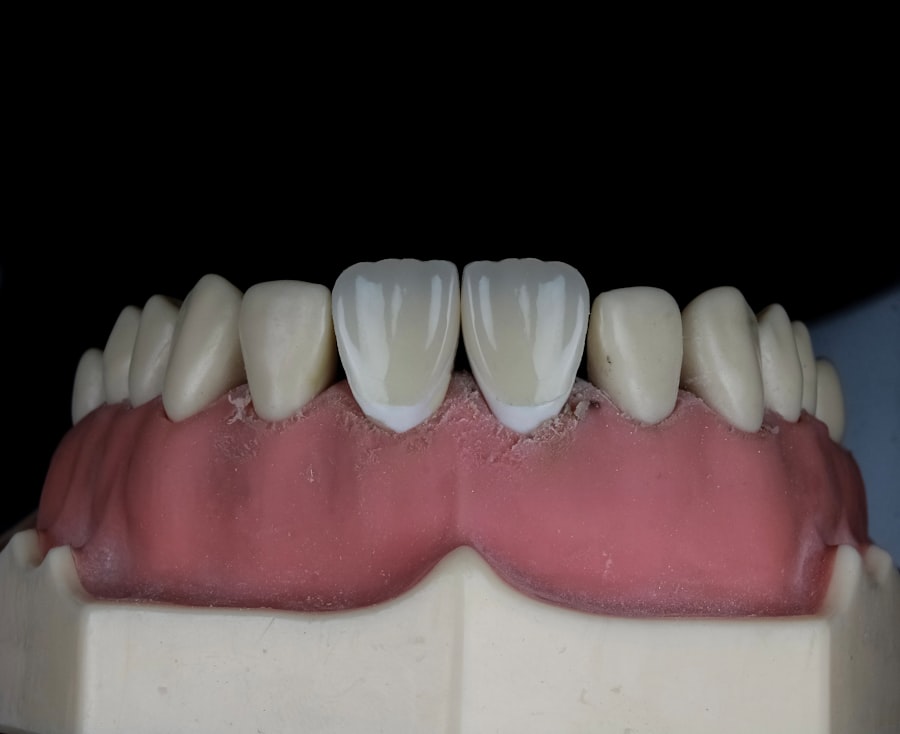
The deliberate filing of teeth offers a rich vein for creators looking to add depth and authenticity to their characters across various media. It can serve as a powerful narrative tool, conveying information about the character’s past, their culture, and their very nature.
Visual Storytelling Through Dental Traits
In visual media like film, television, and video games, the appearance of a character’s teeth is immediately perceptible and can convey a wealth of information before a single word is spoken.
- Indicator of Social Stratification: In a fantasy or historical setting, characters from ruling classes might have well-maintained, naturally shaped teeth, while those from lower strata might exhibit signs of hardship, ill-health, or intentional, cruder dental modifications from lack of access to refinement. Filed teeth could, in some contexts, signify adherence to ancient traditions over modern aesthetics.
- Signifier of Tribal or Cultural Affiliation: A distinct style of tooth filing can instantly place a character within a specific fictional culture or tribe, differentiating them from others and establishing their origins. This is a direct visual shorthand for belonging.
- Conveyor of Personality and Temperament: Characters with sharply filed teeth might be perceived as more aggressive, predatory, or exotic. Conversely, subtler forms of filing might suggest a deeper, more spiritual connection to an ancient heritage. The visual language of the teeth can strongly influence our initial impression of a character’s inner world.
Narrative Implications and Character Backstory
Beyond the visual, the history of a character’s filed teeth can be woven into their backstory and inform their motivations and conflicts within a story.
- Telling Tales of Survival: A character who has undergone painful dental modification might have a backstory of great resilience, having survived harsh initiation rites or societal pressures. This can be a source of pride or a painful memory, depending on their personal journey.
- Exploring Cultural Conflict: The presence of filed teeth can create narrative tension if the character enters a society that views such modifications negatively. This can lead to prejudice, misunderstanding, and opportunities for thematic exploration of cultural differences.
- Symbolism and Metaphor: Filed teeth can be used metaphorically in storytelling. A character with sharp, predatory teeth might symbolize a hidden danger, while a character whose filed teeth are worn and softened might represent a fading tradition or a spiritual journey. The teeth become a tangible metaphor for abstract concepts.
Practical Considerations for Creators
When incorporating filed teeth into a design, creators should consider the practicalities of their representation.
- Consistency Across Views: For animated or CG characters, ensuring the dental modifications are consistent across different camera angles and expressions is crucial for maintaining illusion.
- Voice Acting Considerations: While the visual is primary, severe dental modifications might subtly affect how a character speaks, though this should be approached with care to avoid caricature. The tongue’s interaction with filed teeth can lead to slight, nuanced phonetic shifts.
- Research and Sensitivity: Thorough research into real-world practices is recommended. Approaching the depiction of dental modification with respect for the cultures that historically practiced it, rather than resorting to fearful or sensationalist portrayals, is essential for creating meaningful and authentic characters.
In the fascinating world of dental modifications, the practice of filing teeth to mimic natural human wear has garnered attention for its cultural significance and aesthetic appeal. For those interested in exploring this topic further, a related article can be found at Freaky Science, which delves into the various methods and historical contexts behind this intriguing trend. Understanding the reasons behind such practices can provide insight into human behavior and societal norms.
Modern Interpretations and Ethical Considerations
| Metric | Description | Typical Range | Measurement Method |
|---|---|---|---|
| Filing Depth | Depth of material removed from tooth surface to simulate wear | 0.1 – 0.5 mm | Micrometer or caliper measurement |
| Surface Roughness (Ra) | Average roughness of filed tooth surface to mimic natural wear texture | 0.5 – 2.0 µm | Profilometer |
| Angle of Filing | Angle at which filing is performed to replicate natural wear patterns | 15° – 30° | Protractor or angle gauge |
| Number of Filing Strokes | Count of filing motions applied to achieve desired wear | 10 – 50 strokes | Manual count or automated tool counter |
| Material Removed | Weight or volume of tooth material removed during filing | 0.01 – 0.1 grams | Precision scale or volume displacement |
| Wear Pattern Consistency | Degree to which filing replicates natural human wear patterns | High (90% similarity) | Visual inspection and comparison with reference samples |
While the historical practice of filing teeth is well-documented, its intentional replication in modern contexts, particularly within fictional realms, necessitates careful consideration of both creative intent and ethical implications. The enduring human fascination with altering the body for expression and identity continues to inform how we depict such practices.
The “Gritty Realism” Trend
In certain genres, such as dark fantasy, grimdark science fiction, or post-apocalyptic settings, the depiction of worn, altered, or damaged teeth contributes to an overall aesthetic of harsh realism.
- Reflecting a Hardscrabble Existence: Characters in such settings often face brutal environments and limited resources. Their teeth, if filed, might reflect a practical, perhaps even desperate, approach to survival, or adherence to the customs of a marginalized community. The filing could be less about beauty and more about utilitarian modification for a challenging life.
- Subverting Traditional Beauty Standards: Intentional dental modification can be used to challenge conventional notions of attractiveness, presenting characters who are visually striking and compelling precisely because they deviate from idealized norms. Their filed teeth might be a badge of defiance and self-acceptance of their cultural heritage, even if it appears unusual to outsiders.
- Augmenting a Sense of Otherness: For non-human or alien races in science fiction, filed teeth can be a powerful tool for establishing their biological distinctiveness and cultural practices, further alienating them from human experience and enhancing their unique biological identity.
The Ethics of Depicting Bodily Modification
When creators choose to depict intentional tooth filing, especially in a fictional context, it is important to be mindful of the ethical dimensions involved in representing bodily modification.
- Avoiding Sensationalism and Othering: The primary concern should be to avoid portraying tooth filing solely as a mark of savagery, barbarism, or grotesqueness. If the intention is to explore historical or cultural practices, it should be done with nuance and respect, much like portraying any other cultural artifact or tradition. A balanced approach is key.
- Understanding the Context of Pain and Sacrifice: While creators may choose to emphasize the aesthetic or symbolic aspects, acknowledging the potential pain, sacrifice, and risks associated with such practices lends authenticity. It is not a casual choice for those who historically engaged in it.
- The Line Between Inspiration and Appropriation: When drawing inspiration from real-world cultures, it is vital to do so with an understanding and respect for those cultures, avoiding misrepresentation or the trivialization of deeply significant practices. The goal is informed creation, not disrespectful appropriation.
Contemporary Interpretations and Future Possibilities
The concept of filing teeth in contemporary fiction can be explored in innovative ways, moving beyond direct historical replication.
- Technological or Magical Augmentation: In science fiction or fantasy, future or magically-enhanced societies might develop advanced techniques for altering teeth, perhaps for aesthetic, functional, or even ideological reasons. This could involve precision lasers, bio-engineered enamel, or potent magical spells.
- Subliminal Cultural Echoes: Even in modern settings, vestiges of ancient practices might emerge. Perhaps a subculture or a fringe group adopts tooth filing as a form of rebellion or rediscovery of lost traditions, creating a fascinating juxtaposition between the ancient and the contemporary.
- The Psychological Dimension: Focusing on a character’s internal experience of having filed teeth could offer profound insights. The way they perceive themselves, how others perceive them, and the emotional weight of their dental modifications can be powerful narrative drivers.
In conclusion, the deliberate filing of teeth, when approached with a researcher’s diligence and a storyteller’s insight, offers creators a potent tool for crafting characters that resonate with authenticity. By understanding its historical roots, the motivations behind it, and the subtle ways it can be depicted, creators can imbue their fictional worlds with a richer tapestry of human experience, proving that even the smallest details, like the honed edge of a tooth, can tell a profound story.
FAQs
What is filing teeth to fake human wear?
Filing teeth to fake human wear is a process where artificial or animal teeth are intentionally abraded or shaped to mimic the natural wear patterns seen in human teeth. This technique is often used in forensic science, archaeology, or dental research to study or replicate human dental characteristics.
Why would someone file teeth to fake human wear?
People may file teeth to fake human wear for various reasons, including creating realistic dental models for educational purposes, reconstructing ancient human diets in archaeological studies, or producing forensic evidence that simulates natural tooth wear patterns.
How is the filing process performed to simulate human tooth wear?
The filing process typically involves using fine abrasive tools or dental instruments to carefully remove enamel or dentin from the tooth surface. The goal is to replicate the specific patterns of wear such as flattening of cusps, chipping, or smoothing that occur naturally over time due to chewing and other oral activities.
Are there ethical concerns related to filing teeth to fake human wear?
Yes, ethical concerns can arise, especially if the practice involves altering human remains without proper authorization or is used to deceive in forensic or legal contexts. It is important that such procedures are conducted responsibly, with respect for cultural heritage and scientific integrity.
Can filing teeth accurately replicate all types of human tooth wear?
While filing can simulate many aspects of human tooth wear, it may not perfectly replicate all microscopic features or the complex patterns caused by diet, age, and individual habits. Advanced techniques and careful analysis are often required to achieve realistic and scientifically valid results.