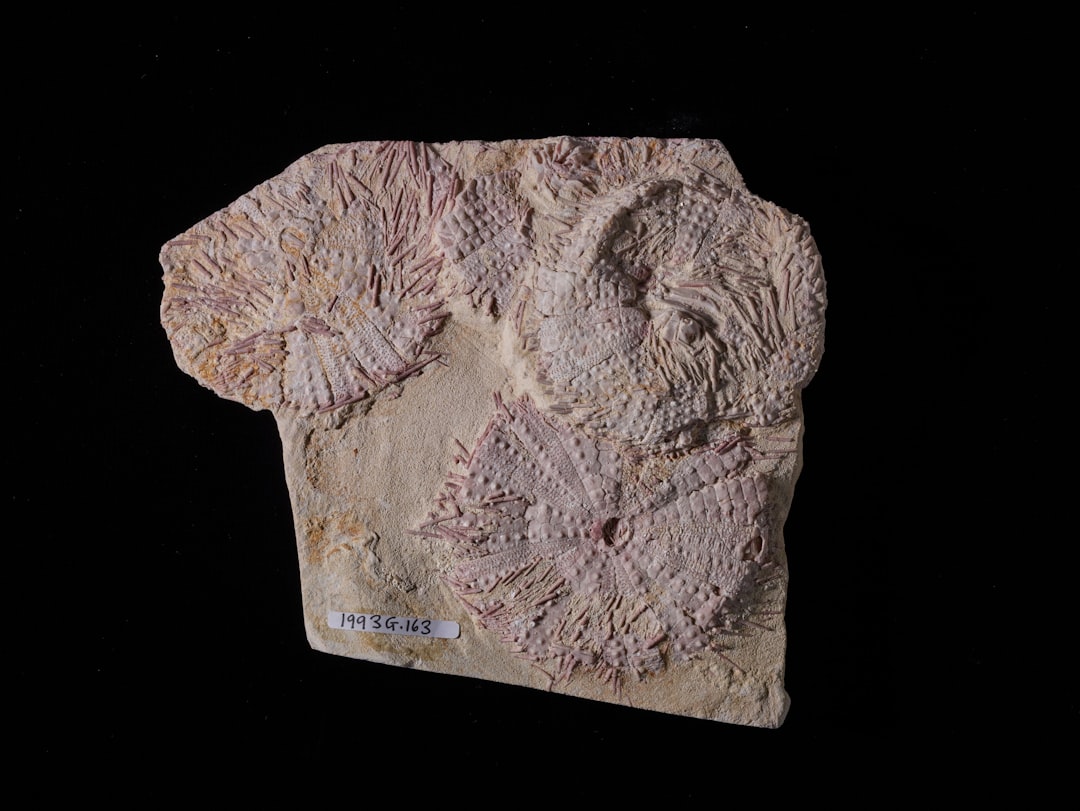
Fossils represent windows into Earth’s primordial past, tangible remnants of ancient life forms. Their allure inspires both scientific inquiry and the passion of collectors. However, the world of paleontology, particularly in the commercial sphere, is not immune to deception. The market, unfortunately, contains a significant number of fabricated or heavily reconstructed specimens, designed to deceive the unsuspecting buyer or even the less experienced researcher. This article aims to provide a comprehensive guide for beginners on how to identify fake fossils, empowering them to navigate the often-murky waters of fossil acquisition with greater confidence. Understanding the common methods of fabrication and the tell-tale signs of a counterfeit is crucial for anyone embarking on a journey into fossil collecting or research.
The impetus for creating fake fossils is primarily economic. Genuine, well-preserved fossils, especially those of rare or iconic species, can command substantial prices. This financial incentive drives unscrupulous individuals to create replicas or enhance damaged specimens to increase their perceived value. The motivations extend beyond simple profit, sometimes venturing into the realm of academic fraud, where a fabricated specimen might be presented as a groundbreaking discovery.
The Role of Market Demand
High demand for specific fossil types directly correlates with the prevalence of fakes. For instance, trilobites, ammonites, and dinosaur teeth are frequently faked due to their popularity and often relatively compact size, making them easier to replicate or restore. Rarer finds amplify this phenomenon, as scarcity drives up prices and encourages fabrication.
Skill Levels of Forgers
The sophistication of forgeries varies widely. Some fakes are crude and easily recognizable, while others demonstrate remarkable craftsmanship, employing advanced techniques and materials to mimic natural processes. These highly skilled fakes can even deceive experienced paleontologists, underscoring the importance of rigorous examination and a healthy dose of skepticism.
If you’re interested in learning how to spot a fake fossil, you might find the article on Freaky Science particularly helpful. It provides valuable insights into the characteristics of genuine fossils and tips for distinguishing them from replicas. To read more about this fascinating topic, visit Freaky Science for a comprehensive guide.
Common Types of Fake Fossils
Fake fossils are not monolithic; they encompass a spectrum of alteration, ranging from entirely man-made creations to subtly enhanced natural specimens. Recognizing these different categories is the first step in successful identification.
Entirely Fabricated Fossils
These are specimens crafted entirely from scratch, with no original fossil material present. They are designed to imitate a genuine fossil. Materials used can range from readily available rocks and minerals to sophisticated polymers and resins.
Resin Casts and Molds
A common technique involves creating a mold from a genuine fossil and then casting replicas using resin, often tinted to mimic the color of natural rock or bone. These can be convincing, especially if the original fossil was well-preserved. Close inspection often reveals air bubbles or a uniform, unnaturally smooth texture.
Carved Stone Fakes
Less common due to the skill and time required, some forgeries involve carving a fossil’s likeness directly into a piece of stone. These can be particularly difficult to spot if the carver is highly skilled and uses appropriate geological material. Microscopic analysis can sometimes reveal tool marks inconsistent with natural fossilization.
Composite Fossils
Composite fossils are assemblages of real fossil parts, often from different individuals or even different species, glued together to create a more complete or aesthetically pleasing specimen. This practice is particularly common with fragmented dinosaur bone finds.
“Franken-Fossils”
This colloquial term describes specimens cobbled together from disparate fragments of various individuals of the same species. While individual pieces may be genuine, the assembled whole is an artificial construct. An example might be a trilobite carapace glued onto a pygidium from a different specimen.
Interspecies Composites
More egregious examples involve combining parts from different species to create a “new” or more impressive fossil. This is particularly prevalent in dinosaur reconstructions, where isolated teeth or claws might be added to a skeleton from another species to enhance its market value or perceived rarity.
Restored and Enhanced Fossils
This category involves genuine fossils that have undergone significant repair or enhancement to improve their appearance or completeness. While some restoration is common and even necessary for scientific study and display, excessive or undisclosed restoration crosses the line into misrepresentation.
Matrix Restoration
Many fossils are found embedded in rock (the matrix). Forgers often “improve” the matrix around the fossil to make it look more appealing or to fill in gaps. This can involve sculpting new rock around the fossil, painting it to match, or cementing fragments of matrix together. Discrepancies in rock type, color, or texture between the fossil and its surrounding matrix can be red flags.
Fossil Part Restoration
Damaged or missing parts of a genuine fossil may be sculpted from artificial materials and seamlessly integrated into the specimen. This is particularly common with fragile elements like insect wings, bird feathers, or delicate trilobite antennae. The aim is to present a complete, pristine specimen that was never originally in such condition.
Key Indicators of a Fake Fossil
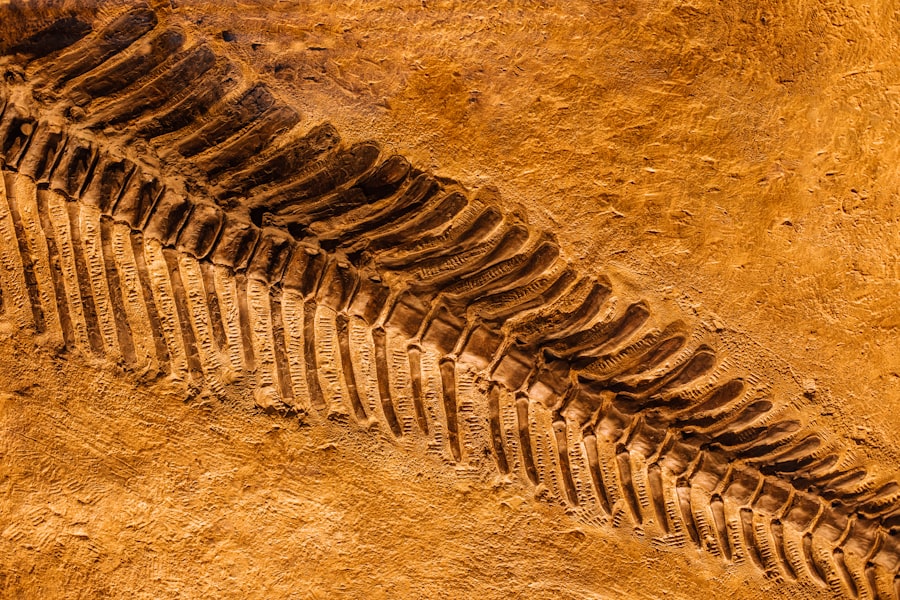
Developing a discerning eye is crucial. While no single indicator guarantees a fossil’s authenticity, a combination of suspicious signs should prompt further investigation. Consider yourself a detective, meticulously gathering clues.
Surface Characteristics and Texture
The nuanced surface of a fossil often holds the most revealing clues. Natural fossilization processes leave distinctive marks that are difficult to replicate artificially.
Uniformity and Smoothness
Genuine fossils, especially those extracted from sedimentary rock, often exhibit natural imperfections: small pits, cracks, or variations in texture due to the embedding matrix. An unnaturally uniform, smooth, or overly perfect surface can indicate a cast or a heavily polished forgery. Like a manufactured veneer, it lacks the organic irregularities of time.
Tool Marks and Abrasion
Examine the fossil under magnification. Look for tool marks (scratches, cuts, or polishing marks) that are inconsistent with natural fossilization or careful preparation techniques. A Dremel tool’s tell-tale circular abrasion marks on a fossil’s surface or surrounding matrix are a serious red flag.
Color Consistency
The color of a fossil often reflects the minerals present in the sediment during fossilization. Significant differences in color between different parts of the fossil or between the fossil and its matrix, especially if there are clear lines of demarcation, can indicate composite construction or artificial staining.
Material Analysis
The composition of the fossil itself offers invaluable insights. Different materials react differently to various tests.
Hardness and Density
Compare the hardness of the fossil to known minerals or authentic fossils of the same type. For example, a fossilized bone should be harder and denser than resin. A simple scratch test (on an inconspicuous spot, if absolutely necessary, or by comparing resistance to a probe) can sometimes reveal discrepancies.
Weight Discrepancies
Many fake fossils, particularly resin casts, will feel unnaturally light for their size compared to genuine fossilized bone or stone. Conversely, some heavily reconstructed pieces might feel denser if they are filled with heavy epoxy. Developing a “feel” for the proper weight of different fossil types comes with experience.
UV Light Examination (Fluorescence)
Some modern glues, resins, and paints used in restoration or fabrication will fluoresce under ultraviolet light, appearing as bright patches or lines. Natural rock and fossil material generally do not exhibit such fluorescence, or they show a different, more subdued reaction. This is a powerful, non-destructive test.
Microscopic Examination
A good quality hand lens (10x magnification) or a stereomicroscope is an indispensable tool for detailed examination. The smallest details can betray a forgery.
Air Bubbles
Resin casts often contain tiny air bubbles trapped during the casting process. While some may appear on the surface, many are internal and can be seen peeking out or through translucent areas under magnification. These are a definitive sign of an artificial cast.
Grain Structure and Crystal Growth
Natural fossils embedded in rock will show the natural grain of the matrix. Look for natural crystal growth or sedimentary layers that are consistent across the fossil and its matrix. Artificial fill or repair often lacks this natural geological structure.
Absence of Internal Structure
Fossilized bone or shell often retains some internal microscopic structure (e.g., Haversian canals in bone), even after mineralization. A completely homogeneous, featureless interior (if a cross-section is visible) can indicate a carved item or a non-biological material.
Contextual Clues and Provenance
Beyond the physical attributes of the fossil itself, surrounding information and the circumstances of acquisition can provide vital clues.
Lack of Locality Information
Reputable fossil dealers and collectors understand the importance of provenance. A fossil without specific locality information (where it was found), geological horizon, and discovery date is immediately suspect. Vague origins like “Morocco” or “China” are often red flags, especially for popular faked locations.
Unrealistic Perfection or Completeness
While perfect fossils do exist, they are exceptionally rare. A fossil that appears too perfect, with no signs of damage, erosion, or natural matrix, should raise suspicions. It’s often easier to fabricate completeness than to find it naturally. Like a pristine artifact found without a scratch in an ancient excavation, it defies common sense.
Price Discrepancy
If a fossil seems too good to be true for its asking price, it likely is. Unusually low prices for rare or large specimens often indicate a fake, a heavily restored piece, or a misidentified specimen. Conversely, an exceptionally high price without clear provenance and expert certification should also be questioned.
Verifying Authenticity and Next Steps
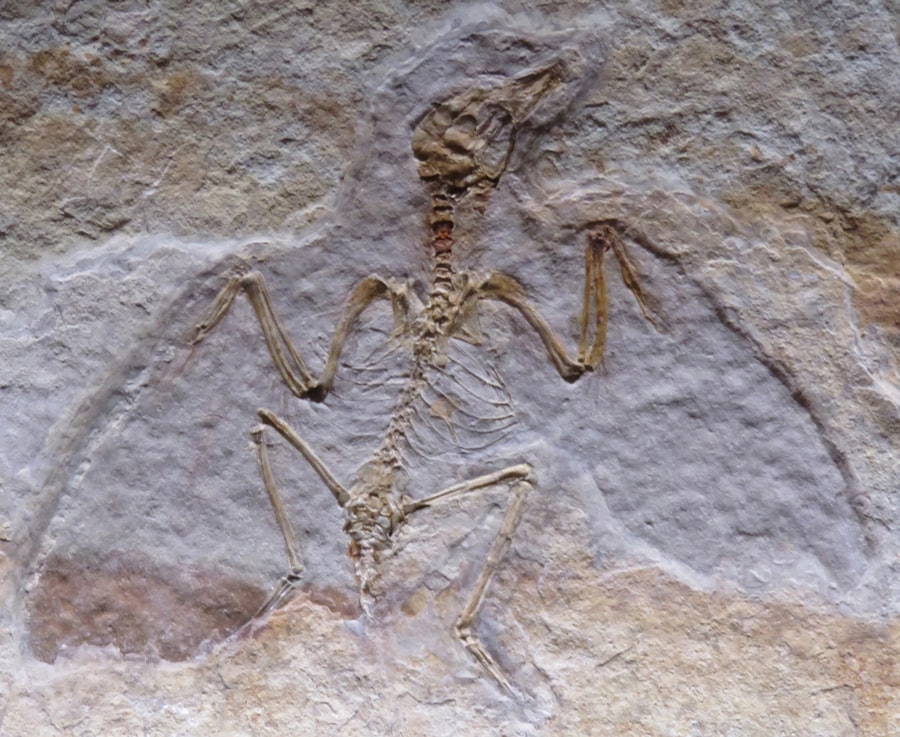
Once suspicions are raised, further steps are necessary. Do not be afraid to walk away from a potential purchase if doubts persist. Your reputation and financial investment are at stake.
Seek Expert Opinion
For significant purchases, consult an experienced paleontologist or a reputable fossil dealer specializing in the type of fossil in question. They possess the knowledge and equipment to conduct thorough examinations. A second opinion is always valuable.
Demand Documentation
Request detailed documentation, including locality information, geological context, and any disclosure of restoration. Reputable dealers will readily provide this. A refusal to provide such information is a significant red flag.
Consider Scientific Analysis
In some cases, advanced scientific techniques such as X-ray imaging, computed tomography (CT scans), or even elemental analysis can confirm authenticity by revealing internal structure, differences in material density, or chemical composition anomalies. These are typically reserved for high-value or scientifically significant specimens.
If you’re interested in learning how to spot a fake fossil, you might find it helpful to read a related article that provides insights into the characteristics of genuine specimens. Understanding the differences between authentic fossils and replicas can enhance your appreciation for paleontology. For more detailed information on this topic, check out this informative piece on the subject at Freaky Science, where you can discover tips and tricks to identify real fossils effectively.
Conclusion
| Metric | Real Fossil Characteristics | Fake Fossil Characteristics | How to Spot |
|---|---|---|---|
| Weight | Heavier due to mineral content | Lighter, often made of resin or plaster | Compare weight to similar-sized known fossils |
| Surface Texture | Natural, often rough or grainy with fine details | Smoother, sometimes overly polished or uniform | Look for unnatural smoothness or tool marks |
| Color | Varies naturally, often earthy tones with subtle variations | Uniform or unnatural colors, sometimes painted | Check for paint or artificial coloring under magnification |
| Detail Accuracy | Consistent with known species and geological period | Inaccurate anatomy or mixed features from different species | Compare with scientific references or consult experts |
| Matrix (Surrounding Rock) | Natural rock with embedded fossil, consistent with location | Loose or glued matrix, inconsistent rock type | Check for glue lines or unnatural attachment |
| Price | Reflects rarity and authenticity | Often too cheap or suspiciously expensive | Research market prices and seller reputation |
| Provenance | Documented origin and excavation details | No documentation or unverifiable source | Request and verify provenance papers |
The journey into fossil collecting is an exhilarating one, filled with the promise of connecting with deep time. However, it is essential to proceed with caution and cultivate a discerning eye. By understanding the motivations behind forgeries, recognizing the different types of fakes, and meticulously examining key indicators such as surface characteristics, material properties, and contextual clues, beginners can significantly reduce their risk of acquiring counterfeit specimens. Remember, a healthy dose of skepticism is your best tool. Like a seasoned prospector sifting through myriad stones, you will learn to distinguish the genuine gold from the pyrite, ensuring that your collection truly represents the awe-inspiring story of life on Earth.
FAQs
What are common signs that a fossil might be fake?
Common signs include unnatural or overly smooth surfaces, inconsistent coloration, visible tool marks, and a lack of matrix (the surrounding rock) that matches the fossil’s origin. Additionally, fossils that appear too perfect or complete may be suspicious.
How can the weight of a fossil help determine its authenticity?
Authentic fossils often have a weight consistent with the type of rock or mineral they are embedded in. Fake fossils made from resin or plaster tend to be lighter than genuine specimens.
Is it possible to test fossils scientifically to confirm if they are real?
Yes, scientific methods such as X-ray imaging, CT scans, and chemical analysis can help verify a fossil’s authenticity by examining its internal structure and composition.
Where should one buy fossils to reduce the risk of purchasing fakes?
Purchasing fossils from reputable dealers, museums, or certified auction houses reduces the risk of buying fake fossils. Always ask for provenance and documentation when possible.
Can expert paleontologists always identify fake fossils?
While experts have extensive knowledge and tools to identify fake fossils, some sophisticated forgeries can be challenging to detect. Combining expert analysis with scientific testing provides the best chance of accurate identification.