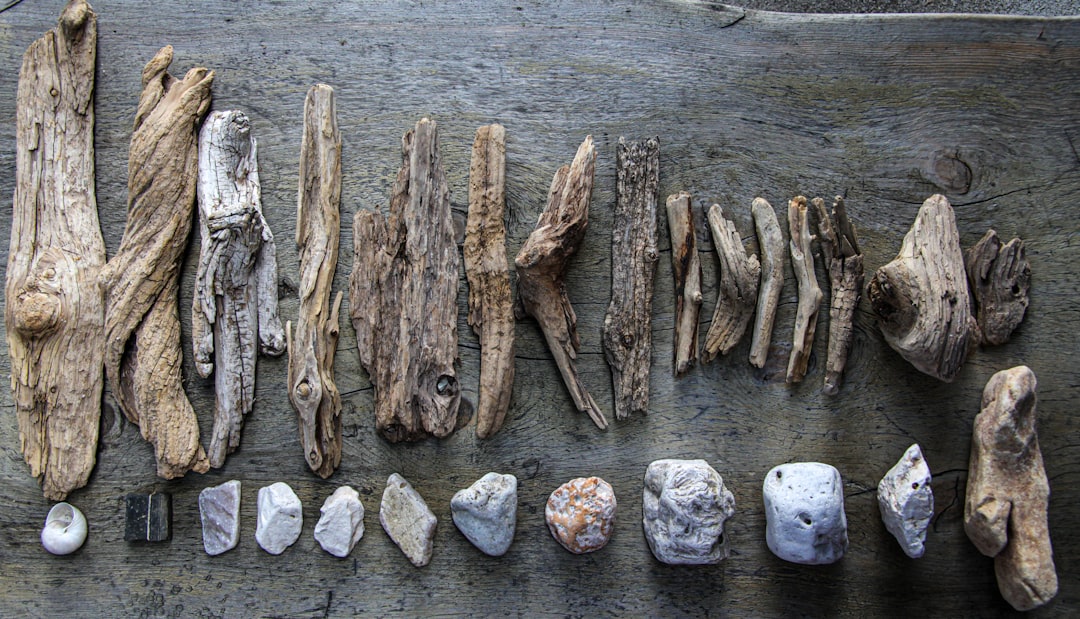
The allure of ancient life, etched in stone and bone, has captivated humanity for centuries. Fossils, the silent witnesses to Earth’s distant past, offer glimpses into a world teeming with creatures long extinct. However, beneath the surface of this fascinating field, a shadow lurks: the proliferation of counterfeit fossils. These fakes, skillfully crafted by individuals seeking financial gain or notoriety, can mislead both experienced paleontologists and enthusiastic collectors. Fortunately, a powerful ally has emerged from the realm of human investigation: forensic science. Just as detectives unscramble clues to solve crimes, forensic paleontologists apply scientific rigor to distinguish authentic ancient remains from cunning imitations.
The fossil market, both legitimate and illicit, has expanded significantly in recent decades. As interest in paleontology grows, so too does the demand for rare and impressive specimens. This demand, unfortunately, creates fertile ground for deception. Forgers, armed with increasingly sophisticated techniques, can produce remarkably convincing replicas that can fool all but the most discerning eyes. These fakes are not merely minor annoyances; they represent a direct threat to the integrity of scientific research and the historical record.
Types of Fossil Fakes
Fossil forgeries manifest in various forms, each with its own set of challenges for identification. Understanding these different methods is the first step in recognizing them.
Plaster and Resin Molds
One of the oldest and most common methods involves creating molds of genuine fossils. These molds, typically made from plaster or resin, are then used to cast replicas. While seemingly straightforward, these casts often lack the subtle textural details and internal structure of the original bone or rock.
Identifying Molds and Casts
- Surface Texture: Genuine fossils often exhibit a unique surface texture resulting from mineralization and weathering. Molds and casts may appear too smooth, too uniformly textured, or exhibit artificial patterns.
- Weight and Density: The materials used in casting can differ significantly in density from original fossilized bone or rock. A replica might feel unexpectedly light or heavy.
- Seams and Air Bubbles: Plaster or resin casts can sometimes reveal tell-tale seams where the mold was joined, or small air bubbles trapped during the casting process.
Assembled Fossils
Another deceptive practice involves assembling pieces from different, perhaps less valuable, fossils to create a more impressive or complete specimen. This might involve combining fragments of various bones to form a composite skeleton, or fusing a rare fossil into a more common matrix.
The Art of Deception in Assembly
- Mismatched Material: Different fossilized bones, even from the same individual, can exhibit subtle variations in color, grain, and mineralization. Forgers may overlook these nuances, leading to an unnatural appearance.
- Glue and Fillers: The joining of disparate pieces often leaves traces of glue, filler material, or even painted over areas that can be detected under magnification.
- Anatomical Inconsistencies: Assembled skeletons may display anatomical impossibilities or illogical arrangements of bones that a real organism would not possess.
Modified Existing Fossils
This category encompasses altering genuine, but perhaps damaged or insignificant, fossils to make them appear more complete, rarer, or more aesthetically appealing. This could involve filling cracks with putty, sculpting missing portions, or even painting over imperfections.
The Subtle Art of Enhancement
- Repaired Areas: Look for areas that appear too perfect, too smooth, or out of character with the surrounding fossil material. These could be areas where damage has been artfully concealed.
- Inconsistent Mineralization: If portions of a fossil appear to have undergone a different mineralization process than the rest, it might indicate artificial additions.
- Paint and Patina: Modern paints or artificial patinas can be applied to mimic the natural weathering and coloration of ancient fossils. These can often be identified through chemical analysis or microscopic examination.
Entirely Fabricated Fossils
The most ambitious forgeries involve creating entirely new fossils from scratch. This requires a high level of artistic skill and a deep understanding of fossilization processes. These can be the most difficult to detect, as they lack an original to compare against.
When Imagination Meets Deception
- Unusual Combinations: Fabricated fossils might combine anatomical features from different species in ways that are biologically impossible.
- Unnatural Formations: The fossilization process is governed by specific geological and chemical conditions. Entirely fabricated fossils may lack the characteristic mineral inclusions or internal structures consistent with natural fossilization.
- Lack of Provenance: A complete lack of a verifiable discovery location or excavation history is a significant red flag for entirely fabricated pieces.
Forensic science plays a crucial role in identifying and catching fake fossils, employing advanced techniques to distinguish genuine specimens from elaborate forgeries. Techniques such as radiocarbon dating, isotopic analysis, and microscopic examination help experts determine the authenticity of fossils and their geological context. For a deeper understanding of how these forensic methods are applied in the field of paleontology, you can read more in this related article: Freaky Science.
Forensic Paleontology: The Detective of the Past
Forensic paleontology applies the principles and techniques of forensic science to the study of fossils. It is an interdisciplinary field that draws upon expertise from paleontology, geology, chemistry, physics, and even art authentication. This scientific discipline acts as a crucial gatekeeper, working to safeguard the integrity of scientific discovery and protect the public from being duped.
The Scientific Toolkit of the Forensic Paleontologist
The forensic paleontologist employs a diverse array of tools and methodologies, each offering a unique lens through which to examine a fossil specimen. These techniques are like the magnifying glass and fingerprint kit of the crime scene investigator, revealing hidden truths.
Macroscopic Examination
The initial assessment often involves a thorough visual inspection. This methodical scrutiny can reveal a surprising number of clues.
Under the Naked Eye
- Overall Morphology: Examining the overall shape and proportions of the fossil can help identify inconsistencies or unnatural features.
- Surface Features: Observing the texture, color variations, and any apparent repairs or modifications is crucial.
- Comparison to Known Specimens: Having a vast knowledge base of genuine fossils allows for immediate detection of outliers or anomalies.
Microscopic Analysis
Stepping into the microscopic realm often reveals details invisible to the naked eye, exposing the subtle imperfections of a fake.
Unveiling Microscopic Deceits
- Scanning Electron Microscopy (SEM): SEM allows for incredibly detailed imaging of surface textures. Genuine fossils often have microscopic pore structures, mineral crystal growth patterns, and organic residues that are difficult to replicate artificially.
- Petrographic Microscopy: This technique involves examining thin slices of rock or fossil under a microscope. Forensic paleontologists can analyze the mineral composition, grain size, and arrangement of elements to determine if the material is consistent with natural fossilization processes.
- Micro-CT Scanning: Similar to medical CT scans, micro-CT provides detailed three-dimensional internal views of a fossil, revealing internal structures, hairline fractures, and any evidence of artificial filling or alteration.
Chemical and Isotopic Analysis
The elemental and isotopic composition of a fossil can act as a unique fingerprint, revealing its origin and the history of its formation.
Decoding the Chemical Signature
- X-ray Fluorescence (XRF) and Energy-Dispersive X-ray Spectroscopy (EDX): These techniques can identify the elemental composition of the fossil material, helping to determine if it is composed of materials consistent with natural fossilization or if artificial substances have been introduced.
- Stable Isotope Analysis: The ratios of stable isotopes (e.g., oxygen, carbon, strontium) within a fossil can provide information about the paleoenvironment in which it formed, its diet, and even its geographic origin. Deviations from expected isotopic signatures can indicate artificial alteration or fabrication.
- Mass Spectrometry: This powerful technique can detect and quantify trace elements and organic compounds. The presence of modern organic molecules or an absence of expected ancient biomolecules can be significant indicators of a fake.
Geological and Environmental Context
The story of a fossil is not just in its bone; it is also in the ground it was found in. Understanding the geological context is paramount.
The Ground Truth
- Stratigraphy: The position of a fossil within rock layers (strata) provides crucial information about its age. Forgers may place fossils in incorrect geological contexts to enhance their perceived value.
- Associated Sediments: The type of sediment surrounding a fossil should be consistent with the known geological environment of that particular fossil type and age.
- Paleoenvironmental Reconstruction: Understanding the ancient environment helps determine if the fossil’s features are consistent with the conditions it would have experienced during its life and after its death and fossilization.
Detecting Deception: Case Studies in Forensic Paleontology
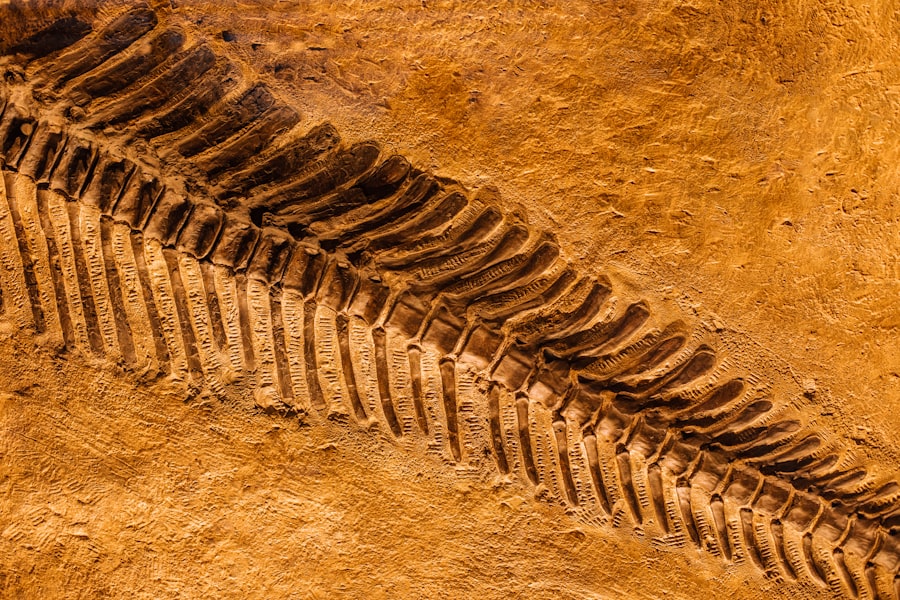
The application of forensic techniques has led to the exposure of numerous high-profile fossil forgeries, serving as stark reminders of the persistent creative nature of deception. These cases highlight the critical role of scientific scrutiny in maintaining the integrity of paleontological research.
The Tyrannosaurus Rex Tooth Hoax
One notorious instance involved a purportedly significant Tyrannosaurus rex tooth that eventually proved to be a fabrication. Forensic analysis revealed that the tooth was likely a composite, pieced together from fragments of other dinosaur teeth and artificially aged to appear more authentic.
A Closer Look at the T. Rex Deception
- Microscopic Discrepancies: SEM analysis revealed that the enamel structure and dentin patterns of different sections of the tooth did not match, indicating it was not from a single individual.
- Chemical Inconsistencies: Isotopic analysis showed variations in elemental composition across the tooth, suggesting the use of artificial fillers and repair materials.
- Lack of Provenance: The purported discovery site was vague and lacked credible geological documentation.
The Feathered Dinosaur Controversy
The discovery of feathered dinosaur fossils in China initially revolutionized our understanding of dinosaur evolution. However, some early specimens were later revealed to be expertly crafted fakes, with feathers meticulously glued onto dinosaur skeletons.
Unmasking the Feathered Fakes
- Microscopic Examination of Feather Structures: Forensic paleontologists examined the microscopic structure of the alleged feathers and found them to be inconsistent with true fossilized feathers. Instead, they resembled modern-day bird feathers or artificial fibers.
- Adhesive Residue: Under magnification, traces of modern adhesives were found where the feathers were attached to the bone.
- Geological Mismatch: The rock matrix surrounding some of these specimens did not align with the expected geological conditions for such fossilization.
The Plesiosaur Puzzle
Cases involving the fabrication of complete plesiosaur skeletons, often presented as rare finds for display in museums or private collections, have also been brought to light. These hoaxes typically involve assembling the bones of various marine reptiles and filling in missing parts with sculpted material.
The Artful Assemblage of Plesiosaurs
- Anatomical Inconsistencies: Forensic analysis revealed that the vertebral columns and limb structures did not conform to the known anatomy of any specific plesiosaur species.
- Material Variations: Different bone elements exhibited inconsistencies in their fossilization state and mineral composition.
- Sculpted Elements: Examination under high magnification revealed subtle surface textures and tool marks indicative of sculpted replacements for missing bones.
The Ethical Imperative: Preserving Scientific Integrity
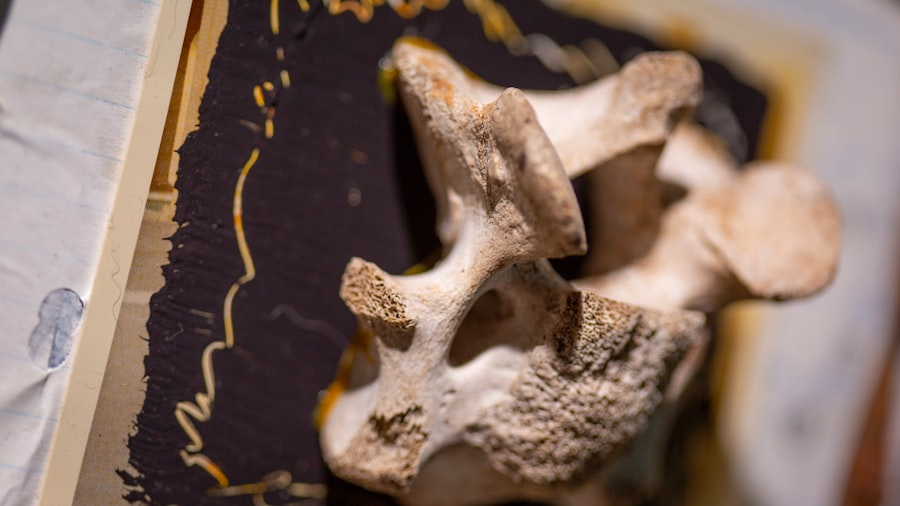
The fight against fossil forgery is not merely a battle of scientific detection; it is an ethical imperative. The integrity of scientific knowledge, built through decades of meticulous research and discovery, is at stake. When fake fossils enter the scientific record or the public domain through misrepresentation, they sow seeds of doubt and misinformation.
The Ripple Effect of Forgery
Misleading Scientific Research
- Distorted Evolutionary Trees: Faked fossils, if mistakenly accepted as genuine, can lead to incorrect interpretations of evolutionary relationships and lineages, effectively rerouting the course of scientific understanding.
- Inaccurate Paleoecological Models: The misrepresentation of ancient life can distort our understanding of past ecosystems, food webs, and environmental conditions.
- Wasted Resources: Significant time and financial resources can be diverted to studying and validating fraudulent specimens, diverting funds from legitimate scientific inquiry.
Eroding Public Trust
- Disillusionment for Collectors: Amateur collectors, who often invest significant passion and resources into their collections, can be deeply disappointed and financially harmed by acquiring fake specimens.
- Skepticism Towards Science: The prevalence of easily detectable fakes, especially when sensationalized, can foster a general skepticism towards scientific findings and the credibility of scientific institutions.
- The Commodification of History: The illicit fossil trade, often fueled by forgeries, can prioritize profit over the preservation and ethical study of natural heritage.
The Role of Education and Awareness
Raising awareness about the existence and detection of fossil forgeries is crucial for both the scientific community and the general public. Educational initiatives can equip individuals with the knowledge and critical thinking skills needed to identify potential fakes.
Empowering the Public
- Online Resources and Databases: The development and accessibility of online databases that document known forgery techniques and provide examples of authentic specimens can be invaluable.
- Museum Exhibitions and Educational Programs: Museums can play a vital role by hosting exhibitions that highlight the process of fossil authentication and educate visitors about the challenges of forgery.
- Guidelines for Collectors and Dealers: Establishing clear ethical guidelines for fossil collectors and dealers can promote responsible practices and discourage the trade of fraudulent specimens.
Forensic techniques have become increasingly sophisticated in the realm of paleontology, helping scientists distinguish between genuine fossils and elaborate fakes. One fascinating article that delves into this topic is available at Freaky Science, where it explores the various methods used to analyze the composition and age of fossils. These advancements not only enhance our understanding of prehistoric life but also protect the integrity of scientific research by ensuring that only authentic specimens are studied.
The Future of Forensic Paleontology in Combating Fakes
| Forensic Method | Purpose | Technique Description | Typical Findings in Fake Fossils | Accuracy/Effectiveness |
|---|---|---|---|---|
| Microscopic Analysis | Surface and material examination | Using microscopes to detect tool marks, unnatural textures, or modern materials | Presence of modern tool scratches, inconsistent grain patterns | High |
| X-ray Computed Tomography (CT Scan) | Internal structure analysis | 3D imaging to reveal internal inconsistencies or artificial fillings | Unnatural voids, resin or plaster infills, inconsistent bone density | Very High |
| Radiometric Dating | Age verification | Measuring isotopic decay to determine fossil age | Age inconsistent with claimed period, modern materials | High |
| Elemental and Chemical Analysis | Composition verification | Techniques like X-ray fluorescence (XRF) or mass spectrometry to analyze mineral content | Presence of modern adhesives, pigments, or synthetic compounds | High |
| UV Light Examination | Surface material detection | Using ultraviolet light to detect modern paints or glues | Fluorescence indicating modern substances | Moderate |
| Provenance Verification | Historical and contextual validation | Checking fossil origin records and excavation documentation | Inconsistent or missing provenance data | Variable |
As forgery techniques become increasingly sophisticated, so too must the methods employed by forensic paleontologists. The ongoing evolution of scientific technology and analytical techniques offers a promising horizon for the continued battle against fossil fabrication.
Technological Advancements on the Horizon
- AI and Machine Learning: The application of artificial intelligence and machine learning algorithms to analyze large datasets of fossil imagery and chemical data could help identify subtle patterns indicative of forgery more rapidly and accurately.
- Advanced Spectroscopic Techniques: The development of more sensitive and portable spectroscopic tools could enable on-site analysis of fossils, facilitating swift identification of potential fakes in the field or at auctions.
- DNA and Protein Analysis (Where Applicable): While rare in highly fossilized material, advancements in ancient DNA and protein extraction could, in exceptional cases, provide definitive confirmation of authenticity or reveal biological impossibilities in fabricated specimens.
The Collaborative Fight
The challenge of fossil forgery is too significant for any single entity to tackle alone. A collaborative approach involving paleontologists, geologists, forensic scientists, law enforcement, customs agencies, and museum curators is essential to create a united front against this persistent problem. Open communication and the sharing of information about detected forgeries are critical to preventing their dissemination and impact.
The captivating realm of paleontology, a window into Earth’s profound history, will undoubtedly continue to be a target for deception. However, with the ever-sharpening sword of forensic science, and a collective commitment to scientific integrity, the truth, etched in stone and bone, can remain illuminated, guiding our understanding of life’s extraordinary journey.
FAQs
What techniques do forensic experts use to identify fake fossils?
Forensic experts use a variety of techniques including microscopic analysis, chemical testing, and imaging technologies such as X-rays and CT scans to examine the fossil’s composition, structure, and any signs of artificial alteration.
How can chemical analysis help in detecting fake fossils?
Chemical analysis can reveal inconsistencies in the fossil’s mineral content or the presence of modern substances like adhesives or paints that are not naturally found in genuine fossils, indicating possible forgery.
Why is the study of fossil patina important in forensic examination?
Fossil patina, the surface weathering layer, develops over millions of years. Forensic experts examine the patina to determine if it is consistent with the fossil’s purported age or if it has been artificially applied to deceive collectors.
Can forensic methods determine the age of a fossil?
Yes, forensic methods such as radiometric dating and stratigraphic analysis can help estimate the age of a fossil, which is crucial in verifying its authenticity and ensuring it matches the geological context.
What role does provenance play in verifying fossil authenticity?
Provenance, or the documented history of a fossil’s discovery and ownership, is essential in forensic investigations. A well-documented provenance helps establish legitimacy, while gaps or inconsistencies may raise suspicion of forgery.