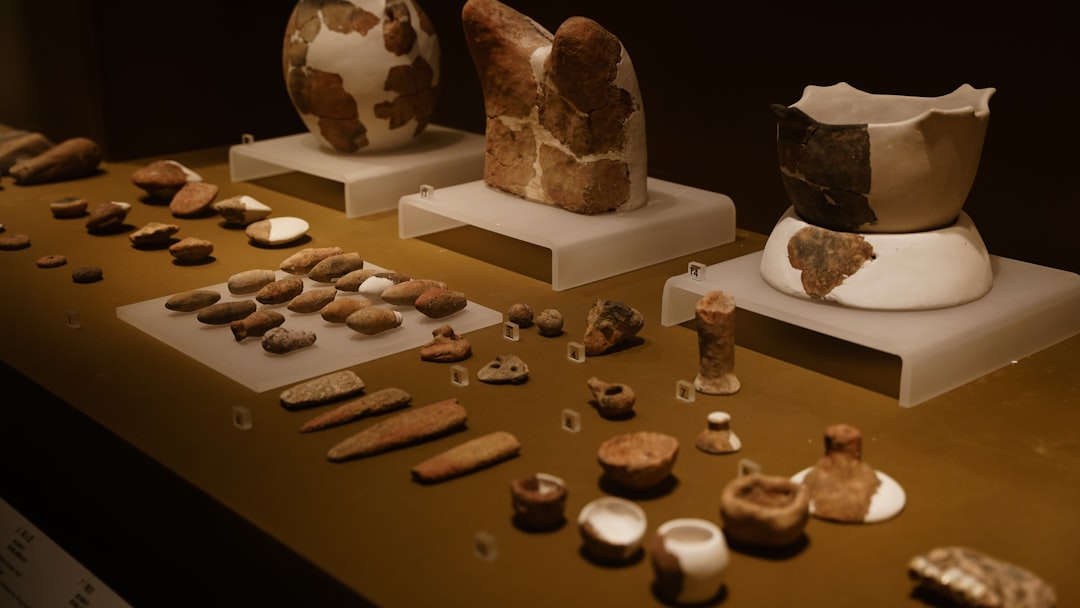
The annals of archaeology, while often lauded for their systematic unearthing of human history, are not immune to the specter of deceit. Throughout its development, the field has grappled with numerous instances of spectacular and often elaborate frauds, each serving as a stark reminder of the human capacity for invention, be it in the pursuit of fame, fortune, or simply a convincing narrative. These deceptions, ranging from crude forgeries to meticulously crafted hoaxes, have not only misled the scientific community and the public but have also underscored the critical importance of rigorous methodology and skeptical inquiry in archaeological research.
The Piltdown Man hoax, arguably the most celebrated and damaging archaeological fraud of the 20th century, stands as a testament to how easily collective desire can overshadow critical judgment. Discovered between 1908 and 1915 in a gravel pit at Piltdown, East Sussex, England, the remains were initially presented as the “missing link” between apes and humans, a pivotal discovery that seemed to confirm prevailing theories of human evolution.
The Initial “Discovery” and its Champion
Charles Dawson, a solicitor and amateur archaeologist, was the primary figure behind the Piltdown Man. He presented fragments of a skull and a jawbone, alongside flint tools and fossilized animal remains, to Arthur Smith Woodward, Keeper of Geology at the Natural History Museum. Woodward, a respected paleontologist, became a staunch proponent of the find, and together they unveiled Eoanthropus dawsoni – “Dawson’s Dawn Man” – to the world. The skull exhibited distinctly human-like features, while the jawbone was strikingly ape-like, a combination that perfectly fit the then-widespread belief that human evolution had begun with the development of a large brain.
The Unraveling of a Century-Long Deception
Despite initial widespread acceptance, doubts lingered among some researchers due to the anomalous nature of the remains. It wasn’t until 1953, nearly 40 years after the initial discovery, that a team of British scientists, including Kenneth Oakley, Joseph Weiner, and Wilfrid Le Gros Clark, conclusively exposed the fraud using fluorine dating, radiometric dating, and detailed anatomical analysis. Their forensic examination revealed that the “human” skull was relatively modern, while the “ape” jaw belonged to an orangutan. Both components had been stained with potassium bichromate to mimic an ancient patina, and the teeth in the orangutan jaw had been artificially abraded to resemble human wear patterns.
Lingering Questions of Guilt
The identity of the perpetrator, or perpetrators, remains a subject of ongoing debate. While Charles Dawson is widely considered the prime suspect due to his history of presenting dubious archaeological finds and his direct involvement in the Piltdown discoveries, others have been implicated, including Teilhard de Chardin, a Jesuit priest and paleontologist who assisted Dawson, and even Sir Arthur Conan Doyle, the creator of Sherlock Holmes, who lived near Piltdown. The Piltdown Man serves as a potent case study in the perils of confirmation bias and the seductive power of a groundbreaking discovery.
One of the most intriguing topics in the realm of archaeology is the history of famous archaeological frauds, which have captivated both scholars and the public alike. A notable article that delves into this subject is available at Freaky Science, where you can explore various cases of deception that have shaped our understanding of history. From the Piltdown Man to the Cardiff Giant, these frauds not only highlight the fallibility of human judgment but also underscore the importance of rigorous scientific scrutiny in the field of archaeology.
The Glozel Affair: Ancient Artifacts, Modern Fakes
The Glozel site in central France became the epicenter of another protracted archaeological controversy in the 1920s. The discovery of a trove of artifacts, including inscribed tablets, engraved stones, bone tools, and pottery, ignited a fierce debate about their authenticity and their potential to rewrite the history of European civilization.
A Farmer’s Field of “Miracles”
In 1924, a young farmer named Emile Fradin, while plowing his field in Glozel, uncovered what appeared to be an ancient burial site. Subsequent excavations, initially overseen by Fradin himself and later by various archaeologists and enthusiasts, yielded a staggering number of artifacts. These included enigmatic tablets bearing an unknown script, highly stylized pottery with unusual motifs, and tools crafted from bone and stone. The sheer quantity and peculiarity of the finds, particularly the script, led many to believe that Glozel represented a revolutionary discovery, possibly indicating a hitherto unknown prehistoric civilization in France.
The Battle for Authenticity
The scientific community was sharply divided. Prominent archaeologists, such as Salomon Reinach, initially championed the authenticity of the Glozel finds, believing they represented a unique European Neolithic or even Paleolithic culture. However, others, most notably the archaeologist and epigrapher René Dussaud, vehemently argued for forgery. Dussaud pointed to the crude execution of many of the artifacts, the stylistic inconsistencies, and the suspicious circumstances surrounding their discovery, often at night and under Fradin’s direct supervision.
A Verdict of Deception, and its Aftermath
Extensive investigations, including forensic analyses of the materials and methods used to create the artifacts, gradually shifted the consensus towards forgery. In 1927, an international commission of experts largely declared the Glozel finds to be modern fakes. Despite this, Fradin continued to maintain the authenticity of his discoveries, attracting a dedicated following of supporters. The Glozel Affair highlights the challenge of differentiating between genuine archaeological finds and deliberately manufactured artifacts, especially when new and unexpected findings disrupt established academic paradigms. It also underscores how the personal reputation and convictions of prominent individuals can influence the trajectory of archaeological debates.
The Cardiff Giant: A Colossal Hoax for Profit
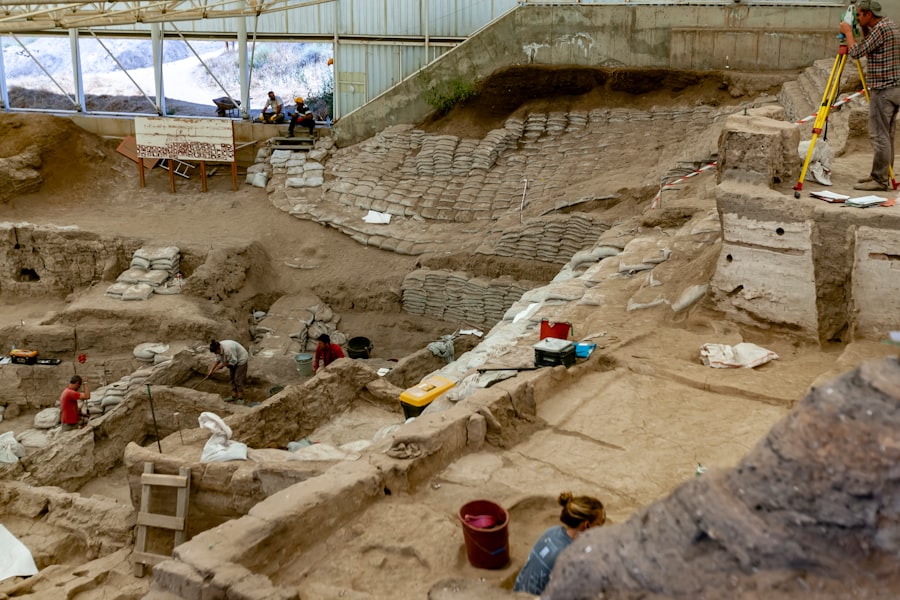
In the American context, the Cardiff Giant stands as a prime example of a geological “discovery” orchestrated for pure financial gain. This colossal statue, presented as the petrified remains of a prehistoric man, captivated and fooled thousands, illustrating the public’s eagerness for sensationalism and the financial incentives that can drive archaeological fraud.
The Discovery that Rocked Upstate New York
In October 1869, workers digging a well on the farm of William C. “Stub” Newell in Cardiff, New York, unearthed what appeared to be the 10-foot-tall petrified body of a man. The “Cardiff Giant,” as it quickly became known, was an immediate sensation. Thousands flocked to Newell’s farm, paying fifty cents a head to marvel at the massive figure, which was presented as an undeniable relic of an ancient race of giants referred to in biblical texts.
The Mastermind Behind the Monumental Lie
The true architect of the Cardiff Giant was George Hull, a notorious atheist and cigar manufacturer. Hull had conceived the idea as a critique of religious literalism and a scheme to make money. He hired stonecutters in Iowa to carve the giant from a 12-foot-tall block of gypsum. The statue was then artificially aged and transported to Newell’s farm, where it was secretly buried months before its “discovery.” Hull meticulously planned the hoax, even providing “ancient” iron tools to be found alongside the giant to further bolster its authenticity.
The Unveiling and Enduring Legacy
Despite some immediate skepticism, particularly from paleontologist Othniel C. Marsh who declared it a “most decided humbug,” the Cardiff Giant continued to draw crowds. P.T. Barnum, the famous showman, even offered a substantial sum to lease the giant, and when he was refused, he created his own imitation “giant” that proved even more popular. Hull eventually confessed to the hoax in December 1869, but the giant’s popularity demonstrated the public’s gullibility and the power of captivating narratives, even those built on blatant deception. The Cardiff Giant remains a classic example of an archaeological fraud driven by a blend of financial motivation and a desire to challenge cultural beliefs.
Shinichi Fujimura: The “God Hand” Who Rewrote Prehistory
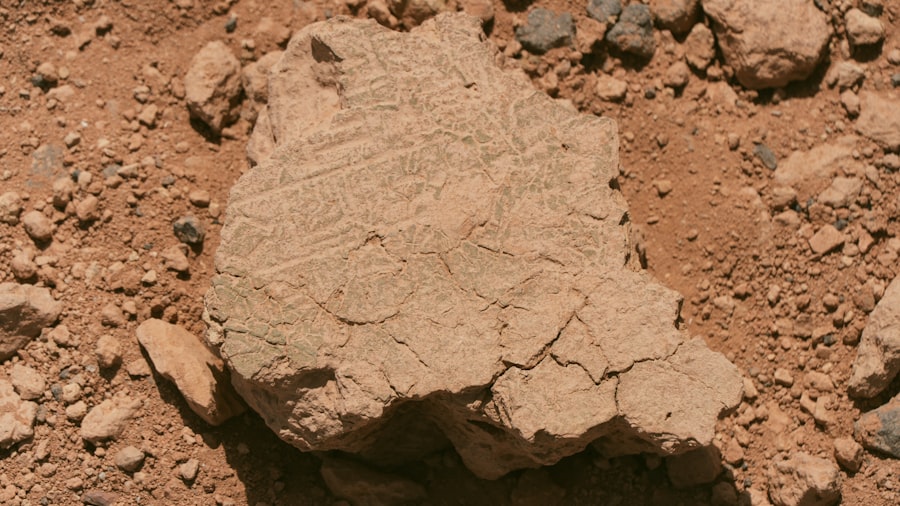
The case of Shinichi Fujimura, a Japanese amateur archaeologist nicknamed “God Hand” for his seemingly miraculous ability to unearth incredibly ancient artifacts, represents a particularly egregious betrayal of trust within the archaeological community. His elaborate and systematic planting of artifacts significantly distorted Japan’s Paleolithic record for decades.
A Seemingly Prodigious Discoverer
From the 1980s through the early 2000s, Fujimura gained widespread acclaim in Japan for his astonishing discoveries of stone tools at various sites, pushing back the known dates of human habitation in the Japanese archipelago by hundreds of thousands of years. His finds, often made publicly and dramatically before media assembled for the occasion, established Japan as a cradle of early human civilization, boosting national pride and scientific interest. Academics lauded his keen eye and seemingly unparalleled luck.
The Unmasking of a Professional Faker
The house of cards began to collapse in 2000 when Mainichi Shimbun, a major Japanese newspaper, published photographs and video footage of Fujimura burying artifacts at the Kamitakamori site, only to “discover” them later. The evidence was irrefutable. Fujimura confessed to planting artifacts at over 40 sites, acknowledging that many of his previous “discoveries” were fabrications. He admitted that his compulsion to find older and older artifacts, fueled by the adulation he received, led him down a path of systematic deception.
The Aftermath: A Devastating Reassessment
The Fujimura scandal sent shockwaves through Japanese archaeology. Numerous archaeological sites had their findings discredited, textbooks had to be rewritten, and many academic careers were tarnished. The incident forced a painful re-evaluation of institutional oversight, peer review processes, and the ethical responsibilities of archaeologists. It served as a sobering reminder of the potential for a single individual’s deceit to corrupt an entire field of study and undermine public trust in scientific findings. The “God Hand” became a symbol not of archaeological prowess, but of archaeological perfidy.
Throughout history, numerous archaeological frauds have captivated the public’s imagination, leading to significant debates within the scientific community. One notable case is the Piltdown Man, a supposed early human fossil that was later revealed to be a hoax. This incident highlights the lengths to which individuals may go to deceive both the public and experts in the field. For those interested in exploring more about such intriguing deceptions, you can read a related article on famous archaeological frauds in history at Freaky Science.
The Maya Jade Hoax: A Case of Cultural Deception
| Name | Date Discovered | Location | Description | Impact |
|---|---|---|---|---|
| Piltdown Man | 1912 | England | Fossil skull fragments claimed to be the “missing link” between apes and humans, later revealed as a forgery combining human and orangutan bones. | Misled paleoanthropology for decades, delaying understanding of human evolution. |
| Shroud of Turin | First documented in 1354 | Italy | Cloth bearing the image of a man, claimed to be Jesus Christ’s burial shroud; carbon dating suggests medieval origin. | Controversy over religious relic authenticity; influenced religious and scientific debates. |
| Cardiff Giant | 1869 | United States | Large petrified man figure supposedly unearthed, later admitted as a carved gypsum statue. | Exposed public gullibility and sparked interest in archaeological hoaxes. |
| Ossian Manuscripts | 1760s | Scotland | Poems claimed to be translations of ancient Gaelic works, actually composed by James Macpherson. | Influenced Romantic literature but questioned authenticity of Celtic history. |
| Glozel Tablets | 1924 | France | Artifacts with inscriptions claimed to be prehistoric, authenticity debated with accusations of forgery. | Ongoing controversy affecting archaeological methods and artifact verification. |
The “Maya Jade Hoax” of the late 19th and early 20th centuries presents a fascinating example of how the burgeoning demand for pre-Columbian artifacts, coupled with a lack of sophisticated authentication methods, created fertile ground for skilled forgers. These frauds not only misled collectors and museums but also complicated the understanding of ancient Maya art and symbolism.
The Allure of Ancient American Treasures
As interest in the ancient civilizations of Mesoamerica grew, so did the market for their artifacts. Jade, a highly prized material among the Maya, became particularly sought after. However, genuine Maya jade artifacts are rare. This scarcity, combined with the lack of detailed knowledge about Maya iconography and manufacturing techniques among early collectors, provided an opportunity for unscrupulous individuals.
The Rise of the Guatemala Forgers
A significant portion of the forged “Maya” jade pieces originated from workshops in Guatemala, particularly in the vicinity of Antigua. Skilled local artisans, often drawing on their own cultural heritage and adapting genuine styles, began producing large quantities of fake jade celts, plaques, pendants, and even elaborately carved masks. These forgeries were then sold to unwary foreign collectors, archaeologists, and museums, often through intermediaries who were either complicit or genuinely duped. The forgers were adept not only at carving but also at artificially aging the jade, using various chemical treatments and burial techniques to create a convincing patina.
Unmasking the False Idols
Over time, as archaeological understanding of the Maya developed and curatorial practices became more rigorous, the discrepancies in style, iconography, and material composition of these “ancient” jade objects became apparent. Scholars like J. Eric S. Thompson played a crucial role in identifying the stylistic anomalies that betrayed the forgeries. The proliferation of fakes highlighted the urgent need for archaeological provenance, detailed scientific analysis of materials, and a deeper understanding of indigenous artistic traditions to distinguish authentic pieces from their cunning contemporary imitations. The Maya Jade Hoax serves as a cautionary tale for collectors and institutions about the importance of critical assessment and the inherent risks when authenticity is not thoroughly verified.
These infamous archaeological frauds, though diverse in their origins and motivations, share a common thread: they represent moments when the pursuit of truth was derailed by human fallibility. They underscore the fact that archaeology, like any scientific discipline, is a human endeavor, susceptible to ambition, greed, and the potent desire to rewrite history. They remind us that the past is not merely waiting to be discovered, but also continually interpreted and, at times, regrettably, fabricated. The lessons learned from these deceptions, however painful, have ultimately strengthened the field, fostering a more rigorous, skeptical, and ultimately trustworthy approach to understanding our shared human heritage.
FAQs
What are some of the most famous archaeological frauds in history?
Some of the most famous archaeological frauds include the Piltdown Man, the Cardiff Giant, the Shroud of Turin, the Vinland Map, and the Crystal Skulls. These cases involved fabricated artifacts or misleading evidence that were initially accepted as genuine.
Why do archaeological frauds occur?
Archaeological frauds often occur due to a combination of factors such as the desire for fame, financial gain, national pride, or to support particular historical or religious narratives. Sometimes, they result from genuine mistakes or misinterpretations rather than intentional deceit.
How are archaeological frauds typically discovered?
Frauds are usually uncovered through scientific testing methods such as radiocarbon dating, microscopic analysis, or chemical composition studies. Advances in technology and peer review by experts also help identify inconsistencies or anachronisms in artifacts.
What impact do archaeological frauds have on the field of archaeology?
Archaeological frauds can damage the credibility of the field, mislead research, and waste resources. However, they also encourage the development of more rigorous scientific methods and critical scrutiny in archaeological investigations.
Can archaeological frauds be completely prevented?
While it is difficult to completely prevent fraud, the use of advanced scientific techniques, transparency in research, peer review, and ethical standards help minimize the risk. Ongoing education and vigilance within the archaeological community are essential to detect and deter fraudulent activities.