
Neurodegeneration, a term that might initially conjure images of irreversible decline, is a complex process affecting the very fabric of your being: your brain. It’s not a sudden cliff you fall from, but rather a gradual erosion, like a river slowly carving its path through rock. This erosion, particularly when it impacts memory, can feel like a fog descending, blurring the sharp edges of your past and increasingly obscuring your present. You are likely here because you, or someone you know, has experienced this unsettling phenomenon. This article aims to illuminate the intricate relationship between neurodegeneration and the pervasive experience of memory blur, offering a factual and insightful exploration of this critical area of neuroscience.
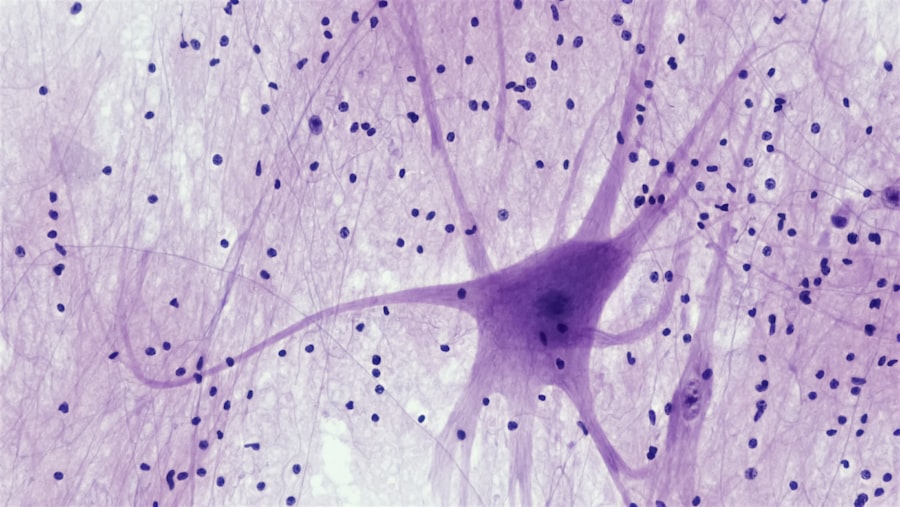
At its core, neurodegeneration refers to the progressive loss of structure or function of neurons, including neuronal death. Neurons, the fundamental units of your nervous system, are responsible for transmitting electrical and chemical signals throughout your brain. When these neurons begin to falter, communication channels become disrupted, leading to a cascade of detrimental effects. You see, your brain isn’t a solid, static mass; it’s a dynamic, interconnected network, a bustling city where information constantly flows. Neurodegeneration is analogous to key infrastructure failing within that city, causing traffic jams, power outages, and eventually, the breakdown of critical services. You can learn more about split brain consciousness by watching this insightful video.
Types of Neurodegenerative Diseases
Numerous diseases fall under the umbrella of neurodegeneration, each with its unique characteristics and primary targets. You might be familiar with some of the more prevalent ones:
- Alzheimer’s Disease (AD): The most common form of dementia, AD is characterized by the accumulation of amyloid plaques and tau tangles. These abnormal protein aggregates are like sticky debris clogging the neural pathways and disrupting cellular function. As these build up, the “wires” in your brain become increasingly tangled, making it harder for signals to pass through.
- Parkinson’s Disease (PD): Primarily affecting motor control, PD results from the loss of dopamine-producing neurons in the substantia nigra. While primarily a movement disorder, you’ll find that cognitive impairments, including memory issues, can emerge as the disease progresses, demonstrating the interconnectedness of brain regions.
- Huntington’s Disease (HD): This inherited disorder causes the progressive degeneration of nerve cells in the brain, leading to uncontrolled movements, cognitive decline, and psychiatric problems. It’s a particularly cruel disease, often manifesting in the prime of life.
- Amyotrophic Lateral Sclerosis (ALS): Often called Lou Gehrig’s disease, ALS attacks the nerve cells that control voluntary muscles. While memory is often spared in the early stages, you may observe that some cognitive changes, including executive function difficulties, can arise.
- Frontotemporal Dementia (FTD): This group of disorders primarily affects the frontal and temporal lobes of the brain, leading to changes in personality, behavior, and language. Memory for events may still be relatively intact, but you’ll notice significant difficulties with planning, decision-making, and social conduct.
The Role of Protein Misfolding
A common thread running through many neurodegenerative diseases is the phenomenon of protein misfolding. Proteins, the workhorses of your cells, must fold into precise three-dimensional shapes to function correctly. When they misfold, they can become toxic, aggregating into insoluble clumps. Think of it like a finely tuned machine where a critical gear is bent; it not only fails to perform its own function but also obstructs the operation of other components. These misfolded proteins are believed to initiate a cascade of cellular damage, contributing directly to neuronal dysfunction and eventual death.
Recent studies have shed light on the intricate relationship between neurodegeneration and memory blur, revealing how conditions such as Alzheimer’s disease can lead to significant cognitive decline. For a deeper understanding of this topic, you can explore the article available at Freaky Science, which discusses the latest research findings and their implications for memory and brain health.
The Mechanisms of Memory Blur in Neurodegeneration
Memory, your personalized archive of experiences, knowledge, and skills, is not a monolithic entity. It’s a complex tapestry woven from various threads: short-term, long-term, episodic, semantic, procedural. Neurodegeneration doesn’t typically attack this tapestry uniformly. Instead, it often targets specific elements, leading to a distinctive pattern of memory blur. You might find yourself easily recalling distant childhood memories but struggling to remember what you had for breakfast. This selectivity is key to understanding the progression of these conditions.
Hippocampal Atrophy and Episodic Memory
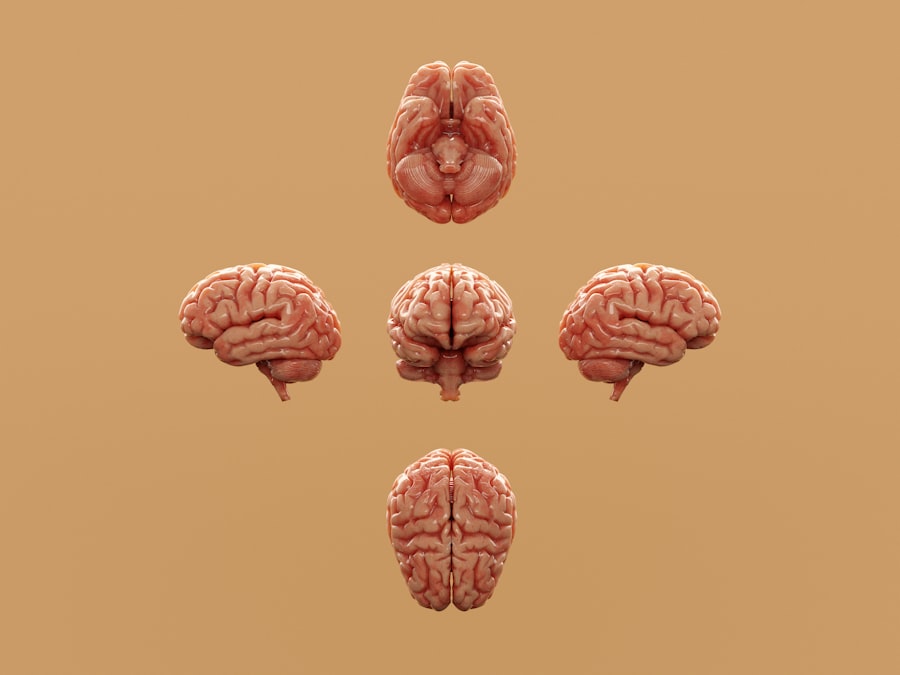
The hippocampus, a seahorse-shaped structure deep within your temporal lobe, is a critical orchestrator of new memories, particularly episodic memory – your ability to recall specific events, experiences, and their context. In many neurodegenerative conditions, especially Alzheimer’s disease, the hippocampus is among the earliest and most severely affected regions. Imagine the hippocampus as the central library for new books; as it deteriorates, the ability to catalog and retrieve new information diminishes.
- Formation of New Memories: When the hippocampus is compromised, you will find it increasingly difficult to form new memories. This manifests as forgetting recent conversations, misplacing items frequently, and struggling to learn new information.
- Memory Consolidation: The hippocampus plays a vital role in memory consolidation, the process by which unstable new memories are transformed into more stable, long-term forms. Damage to this region disrupts this critical process, making memories more susceptible to decay or even preventing their permanent storage.
Cortical thinning and Semantic Memory
Beyond the hippocampus, the cerebral cortex, the wrinkled outer layer of your brain, is extensively involved in higher cognitive functions, including semantic memory – your knowledge of facts, concepts, and words. As neurodegeneration progresses, particularly in diseases like Alzheimer’s and Frontotemporal Dementia, cortical thinning becomes apparent, particularly in regions associated with language and meaning.
- Word Finding Difficulties (Anomia): You might notice an increasing struggle to find the right words, often substituting them with generic terms or descriptions. This “tip-of-the-tongue” phenomenon becomes more frequent and frustrating.
- Loss of Conceptual Knowledge: Over time, you might observe a gradual erosion of conceptual knowledge, where understanding of categories, their attributes, and their relationships diminishes. This can impact your ability to grasp complex ideas or participate in nuanced conversations.
Disruption of Neural Networks
Your brain is not just a collection of isolated regions; it’s a symphony of interconnected networks. Neurodegeneration doesn’t just destroy individual neurons; it disrupts these intricate communication pathways. Think of it as a city where bridges and roads are slowly crumbling, making it impossible for resources and information to travel efficiently between different districts.
- Default Mode Network (DMN): The DMN is a network of interacting brain regions that is active when you are not focused on the outside world, such as during daydreaming, mind-wandering, or recalling memories. You’ll observe that disruptions in this network are implicated in the earliest stages of memory decline in Alzheimer’s disease.
- Executive Control Network: This network is crucial for planning, problem-solving, and decision-making. You’ll find that impairments in this network can indirectly affect memory by making it harder to organize information or suppress irrelevant thoughts.
Early Warning Signs: Recognizing the Subtle Shifts
The onset of neurodegenerative memory blur is often insidious, beginning with subtle changes that might initially be dismissed as normal aging. However, you should pay attention to persistent and progressive alterations in cognitive function. Think of it like a small crack appearing in a dam; it might seem insignificant at first, but if ignored, it can lead to catastrophic failure.
Repetitive Questioning and Forgetting Recent Events
One of the most common early indicators you might observe is recurrent forgetfulness of recently learned information. This can manifest as asking the same questions repeatedly, forgetting appointments, or needing constant reminders for recent events. It goes beyond the occasional forgetfulness we all experience; here, the information never seems to “stick.”
Difficulty with Familiar Tasks
You may begin to notice struggles with tasks that were once routine, such as managing finances, following a recipe, or navigating familiar routes. This isn’t just a matter of being distracted; it’s a fundamental difficulty in planning, sequencing steps, and remembering established procedures.
Disorientation in Time and Place
While occasional disorientation can happen to anyone, you should be concerned if there’s a persistent pattern of confusion about the date, time of day, or even where you are. This signifies a breakdown in the brain’s ability to integrate contextual information.
Current Research and Future Directions
The field of neurodegeneration research is a rapidly evolving landscape, with scientists relentlessly pursuing a deeper understanding of these devastating diseases and seeking effective treatments. You are living in an era of unprecedented scientific advancement, and hope is burgeoning.
Biomarkers for Early Detection
A significant focus of current research is the identification of biomarkers – measurable indicators of disease – that can allow for earlier and more accurate diagnosis. You can expect to see advancements in:
- Cerebrospinal Fluid (CSF) Analysis: Examining CSF for abnormal levels of amyloid-beta, tau proteins, and other indicators can provide insights into pathological changes in the brain long before symptoms appear.
- Positron Emission Tomography (PET) Imaging: Novel PET tracers are being developed to visualize amyloid plaques and tau tangles in the living brain, offering a direct window into disease progression.
- Blood-Based Biomarkers: A less invasive and more accessible approach, blood tests are being developed to detect early signs of neurodegeneration, potentially enabling routine screening.
Therapeutic Strategies
While a cure remains elusive for most neurodegenerative diseases, extensive research is underway to develop therapies that can slow, stop, or even reverse the damage. You’ll find a multi-pronged approach being explored:
- Disease-Modifying Therapies: These treatments aim to target the underlying pathology of the disease, such as preventing the formation of amyloid plaques or tau tangles. Think of it as addressing the root cause of the problem, not just the symptoms.
- Symptomatic Treatments: These therapies focus on managing the symptoms of the disease, such as improving cognitive function or reducing behavioral disturbances. While not a cure, they can significantly enhance quality of life.
- Lifestyle Interventions: You might be surprised by the growing evidence supporting the role of lifestyle factors – including diet, exercise, cognitive stimulation, and social engagement – in brain health and potentially modifying the course of neurodegeneration. These interventions are like building a stronger foundation to resist the corrosive effects of time.
Recent studies have highlighted the intricate relationship between neurodegeneration and memory blur, shedding light on how cognitive decline can manifest in everyday life. For a deeper understanding of this phenomenon, you can explore an insightful article that discusses the underlying mechanisms of neurodegenerative diseases and their impact on memory function. This resource provides valuable information that can enhance your knowledge of the topic. To read more, visit Freaky Science.
Coping with Memory Blur: Strategies and Support
| Metric | Description | Typical Values in Healthy Individuals | Values in Neurodegeneration | Relevance to Memory Blur |
|---|---|---|---|---|
| Hippocampal Volume | Size of the hippocampus measured via MRI | 3.5 – 4.5 cm³ | Reduced by 20-40% | Smaller volume correlates with impaired memory formation and recall |
| Beta-Amyloid Plaque Load | Concentration of beta-amyloid plaques in brain tissue | Low or negligible | Elevated levels detected via PET scans | Associated with synaptic dysfunction leading to memory deficits |
| Tau Protein Levels | Amount of hyperphosphorylated tau protein in cerebrospinal fluid (CSF) | Normal range: 200-400 pg/mL | Elevated: > 600 pg/mL | Indicative of neurofibrillary tangles causing neuronal damage and memory loss |
| Synaptic Density | Number of synapses per unit volume in the cortex | High (varies by region) | Reduced by up to 50% | Loss of synapses impairs neural communication critical for memory |
| Memory Recall Accuracy | Percentage of correctly recalled items in memory tests | 85-95% | Below 60% | Direct measure of memory performance affected by neurodegeneration |
| Cholinergic Activity | Level of acetylcholine neurotransmission in the brain | Normal enzymatic activity | Significantly decreased | Reduced cholinergic function correlates with memory impairment |
Experiencing memory blur, whether personally or as a caregiver, can be profoundly challenging. However, you are not alone, and there are proactive steps you can take to manage its impact and maintain a good quality of life.
Cognitive Enhancement and Stimulation
Engaging in mentally stimulating activities can help strengthen neural pathways and potentially build cognitive reserve, a protective buffer against brain damage. You can think of it as exercising your brain to keep it fit:
- Learning New Skills: Taking up a new hobby, learning a language, or mastering a musical instrument can challenge your brain in novel ways.
- Brain Training Exercises: While the efficacy of specific “brain games” is debated, engaging in puzzles, crosswords, and strategic games can promote cognitive function.
- Reading and Writing: Regular engagement with literature and expressive writing can stimulate various cognitive processes.
Establishing Routines and Using Memory Aids
Consistency and external aids can be invaluable in navigating memory challenges. You’ll find that establishing predictable routines creates a sense of order and reduces the need for constant memory retrieval.
- Calendars and Planners: Using physical or digital calendars, reminder apps, and to-do lists can help you keep track of appointments and tasks.
- Labeling and Organization: Labeling drawers, cupboards, and containers can help you locate items more easily and prevent misplacing them.
- Medication Organizers: For managing medications, a clearly labeled pill organizer can prevent missed doses.
- Asking for Help: Don’t hesitate to involve family and friends in supporting your memory needs. Delegating tasks or asking for reminders can significantly ease the burden.
The Importance of Social Connection and Emotional Well-being
Isolation and depression can exacerbate cognitive decline. You’ll find that maintaining strong social connections and addressing emotional well-being are crucial.
- Engaging in Social Activities: Participating in social gatherings, joining clubs, or volunteering can provide mental stimulation and emotional support.
- Support Groups: Connecting with others who are facing similar challenges can foster a sense of community and offer practical advice.
- Addressing Depression and Anxiety: If you experience symptoms of depression or anxiety, seeking professional help is essential, as these conditions can significantly impact cognitive function. Think of your emotional well-being as the fertile ground upon which your cognitive health grows.
In conclusion, the link between neurodegeneration and memory blur is a multifaceted and increasingly understood aspect of human health. While the prospect of memory decline can be daunting, you possess the capacity to understand these processes, recognize early signs, and engage in proactive strategies that can mitigate impact and improve quality of life. The ongoing scientific pursuit of breakthroughs offers hope for future innovations, but in the present, your informed engagement and supportive actions remain paramount in navigating the complex world of neurodegeneration.
FAQs
What is neurodegeneration?
Neurodegeneration refers to the progressive loss of structure or function of neurons, including their death. It is commonly associated with diseases such as Alzheimer’s, Parkinson’s, and Huntington’s disease, which lead to cognitive decline and motor dysfunction.
How does neurodegeneration affect memory?
Neurodegeneration can impair memory by damaging brain regions responsible for memory formation and retrieval, such as the hippocampus and cerebral cortex. This damage disrupts neural communication, leading to difficulties in recalling information and forming new memories.
What causes memory blur in neurodegenerative diseases?
Memory blur, or the experience of unclear or fuzzy memories, can result from the deterioration of neurons and synapses involved in memory processing. Factors include the accumulation of abnormal proteins, inflammation, and reduced neurotransmitter levels, all of which interfere with normal brain function.
Are there treatments to slow neurodegeneration and improve memory?
While there is currently no cure for most neurodegenerative diseases, treatments such as medications, cognitive therapies, and lifestyle changes can help slow progression and manage symptoms. Research is ongoing to develop therapies that target the underlying causes of neurodegeneration.
Can lifestyle choices impact the risk of neurodegeneration and memory problems?
Yes, lifestyle factors like regular physical exercise, a balanced diet, mental stimulation, adequate sleep, and avoiding smoking or excessive alcohol consumption can reduce the risk or delay the onset of neurodegenerative diseases and associated memory issues.