
Satellite safe mode protocol is a critical operational procedure designed to protect a spacecraft and its sensitive systems when an anomaly or malfunction is detected. It represents a state of minimal functionality, a digital life raft, where the satellite prioritizes survival over mission execution. When triggered, the spacecraft sheds non-essential tasks, reconfigures itself into a stable, low-power configuration, and establishes a robust communications link with ground control. This allows engineers on Earth to diagnose the problem, implement corrective actions, and ultimately restore the satellite to operational status. Without such a protocol, a single unexpected event could lead to irreparable damage, rendering a multi-million-dollar asset useless and potentially creating hazardous space debris.
The concept of safe mode is not unique to satellites; it mirrors similar diagnostic and recovery mechanisms found in various complex technological systems, from computers to automobiles. However, its application in space introduces unique challenges and requirements. Early satellites, with their relatively simpler designs and limited on-board autonomy, relied heavily on ground control for anomaly detection and response. As spacecraft grew in complexity and mission durations extended, the need for on-board intelligence to autonomously enter a safe state became apparent. You can learn more about the earth’s magnetic field and its effects on our planet.
Early Implementation Challenges
The initial implementations of safe mode were often rudimentary. They typically involved hard-coded thresholds and simple logic gates. If a critical parameter, such as temperature or voltage, exceeded a predefined limit, the satellite would power down non-essential components and attempt to re-establish contact. These early systems were prone to false positives and could be slow to react to rapidly evolving anomalies.
Advancements in Autonomous Safe Mode
The development of more powerful on-board processors and sophisticated flight software revolutionized safe mode capabilities. Modern satellites incorporate complex algorithms, artificial intelligence, and machine learning techniques to enhance autonomous anomaly detection and response. This allows for more nuanced decision-making, differentiating between minor fluctuations and genuine threats.
The satellite safe mode protocol is a critical aspect of space missions, ensuring that satellites can protect themselves during unexpected anomalies. For a deeper understanding of this topic, you may find the article on satellite operations and their safety measures particularly insightful. It provides an overview of various protocols, including safe mode, and discusses their importance in maintaining satellite functionality. You can read more about it in this related article: Satellite Operations and Safety Protocols.
Triggers for Safe Mode Entry
A satellite can enter safe mode for a multitude of reasons, ranging from minor system glitches to severe environmental disturbances. Understanding these triggers is crucial for designing robust safe mode protocols and for effective anomaly diagnosis once in safe mode.
On-Board Anomaly Detection
Many safe mode entries are initiated by the satellite’s own internal monitoring systems. These systems continuously scrutinize various parameters, acting as the spacecraft’s vigilant sentinels.
Critical Hardware Malfunctions
This category encompasses a wide range of issues, such as a failed reaction wheel, a component overheating, or a power supply anomaly. When a critical piece of hardware experiences a fault that could jeopardize the mission or the spacecraft’s integrity, the safe mode protocol is activated. For instance, if a battery voltage drops below a safe threshold, the satellite might shed non-essential loads to conserve power, preventing a complete power loss.
Software Glitches and Errors
Even the most meticulously tested software can contain bugs or encounter unexpected execution paths. A software error leading to an uncommanded power off, an infinite loop, or a memory corruption can trigger a safe mode entry. The autonomous system recognizes an inconsistency in its own operation and defaults to a known stable state.
Data Out-of-Bounds Conditions
Telemetry data, which provides vital insights into the satellite’s health, is constantly monitored. If any critical sensor reading, such as temperature, pressure, or attitude, deviates significantly from its expected range, it can indicate a problem. For example, an unexpected increase in an instrument’s temperature could suggest a power short or a cooling system malfunction.
External Environmental Triggers
The harsh space environment presents numerous threats that can force a satellite into safe mode. These external factors are often unpredictable and require swift, decisive action.
Solar Flares and Geomagnetic Storms
Intense solar activity can release bursts of charged particles and electromagnetic radiation that barrage satellites. These events can induce single-vent upsets (SVUs) in electronic components, corrupting data or causing temporary malfunctions. Strong geomagnetic storms can also lead to increased atmospheric drag, affecting the satellite’s orbital trajectory. In anticipation of or during such events, satellites may enter safe mode to protect sensitive electronics and conserve power.
Micrometeoroid and Orbital Debris (MMOD) Impacts
While relatively rare for catastrophic impact, collisions with even small pieces of space debris or micrometeoroids can cause localized damage, such as solar panel degradation or sensor contamination. If the impact leads to a critical system failure or a significant change in attitude, safe mode may be an immediate response.
Loss of Communications
A prolonged or unexpected loss of communication with ground control is a severe anomaly. Without a clear command link, the satellite cannot receive instructions or transmit telemetry. In such cases, the satellite may enter safe mode to preserve its resources and attempt to re-establish contact, often by repeatedly cycling its transponder or reconfiguring its antenna. It’s akin to a person lost in the wilderness, conserving energy and trying to signal for help.
Characteristics of Safe Mode
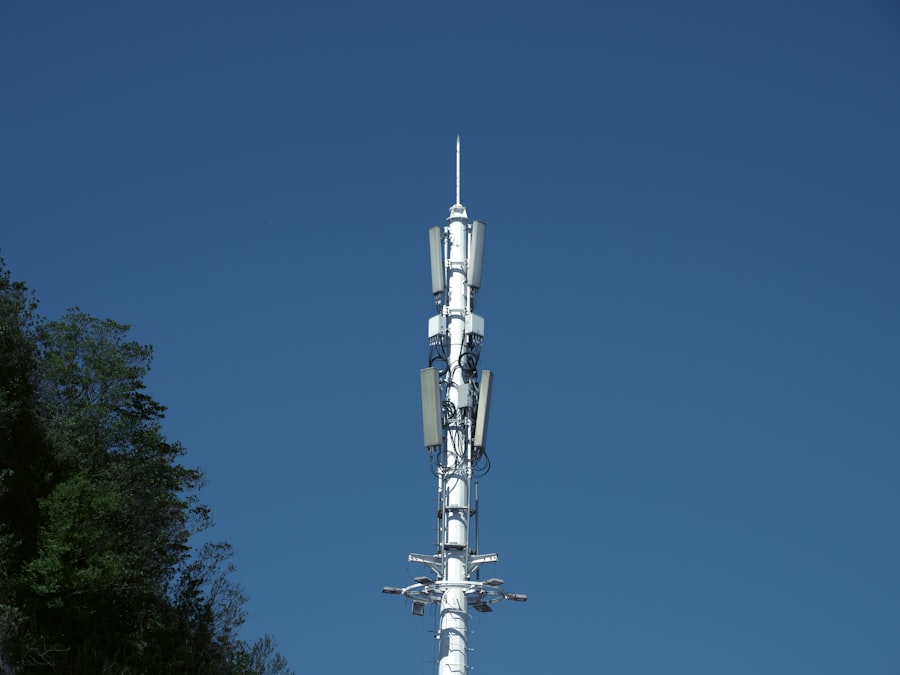
When a satellite enters safe mode, it transitions to a highly standardized, simplified operational state. This state is designed to maximize the probability of survival and facilitate ground intervention.
Minimal Power Consumption
The primary objective of safe mode is survival, and power conservation is paramount. Non-essential subsystems, such as scientific instruments, high-gain antennas (unless critical for communication), and redundant systems, are powered down. The satellite operates on a skeletal power budget, often relying solely on its solar panels to charge its batteries while maintaining essential services.
Stable Attitude Control
Maintaining a stable orientation is critical for several reasons. Firstly, it ensures that the solar panels are optimally oriented towards the sun to generate power. Secondly, it allows for a predictable orientation for ground communication, often pointing a low-gain antenna towards Earth. Reaction wheels might be deactivated, and the satellite could rely on magnetic torque rods or even gravity gradient stabilization for coarse attitude control.
Basic Communications Link
While in safe mode, the satellite prioritizes establishing and maintaining a communication link with ground control. This typically involves using an omnidirectional or low-gain antenna, ensuring that even if the satellite’s precise orientation is uncertain, a signal can still be received. The data transmitted is usually limited to essential health and status telemetry, providing ground engineers with enough information to diagnose the anomaly.
Simplified Flight Software State
The complex software routines that govern normal mission operations are suspended. The flight software reverts to a bare-bones, highly robust operating system that focuses solely on safe mode functions: power management, thermal control, attitude stabilization, and basic communication. This minimizes the risk of further software-related anomalies.
Recovery Procedures from Safe Mode
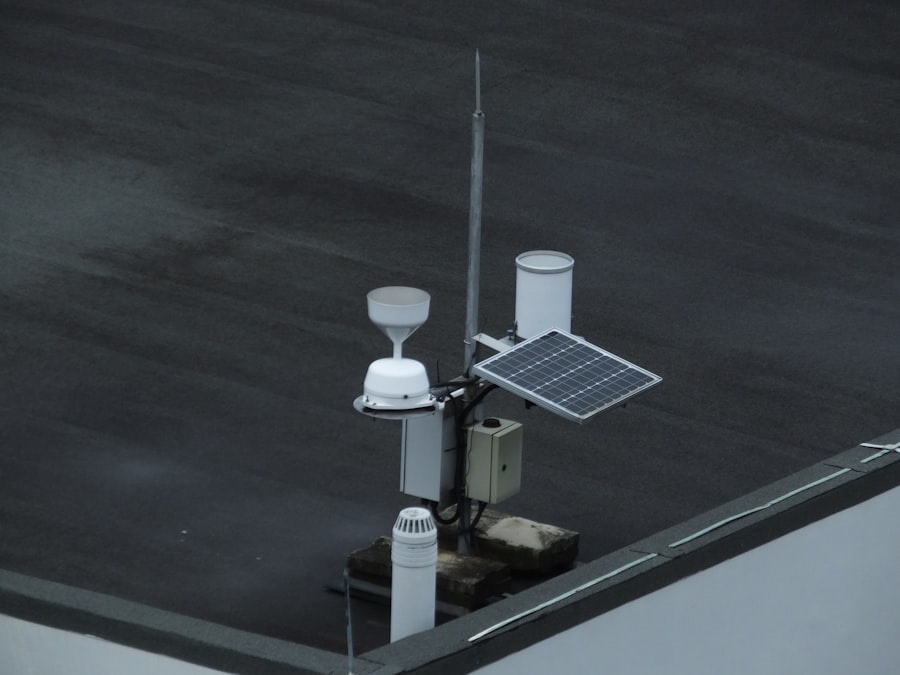
The journey out of safe mode is a meticulous, step-by-step process orchestrated by ground control. It requires careful analysis, diagnostic work, and a systematic approach to prevent further complications.
Anomaly Diagnosis and Analysis
Upon receiving a safe mode notification and initial telemetry, ground control engineers begin the arduous task of diagnosing the underlying cause. This involves sifting through reams of historical data, analyzing current sensor readings, and comparing them against expected values. It’s like a forensics investigation, piecing together clues to understand what went wrong.
Telemetry Analysis
Engineers scrutinize voltage levels, current draws, temperatures across various components, attitude rates, and other critical parameters. Anomalies in these readings can point towards a specific hardware failure or software issue.
Event Log Review
The satellite’s on-board event log provides a chronological record of commands executed, errors encountered, and system transitions. This log is an invaluable resource for identifying the precise moment an anomaly occurred and what events preceded it.
Communication with Payload Teams
If the anomaly is related to a specific scientific instrument or payload, the payload engineers are brought into the loop to provide specialized expertise and potential alternative operating procedures.
Corrective Action Implementation
Once the anomaly’s root cause is identified, engineers develop a plan for corrective action. This could involve software uploads, configuration changes, or activating redundant hardware.
Software Patching and Uploads
Many anomalies can be resolved by uploading new software or patches that fix bugs, modify operational parameters, or implement new logic to circumvent a faulty component. This is often an iterative process, with small changes being tested and verified before larger ones are implemented.
Reconfiguration of Subsystems
In some cases, a subsystem might be reconfigured to operate in a degraded but functional mode. For example, if a primary reaction wheel fails, a redundant wheel might be activated, or the satellite’s attitude control strategy might be altered to rely on magnetic torque rods more heavily.
Activation of Redundant Systems
Modern satellites are often designed with redundancy for critical components. If a primary system fails, ground control can command the satellite to switch to a backup. This could involve activating a redundant power supply, a backup transponder, or an alternative navigation system.
Gradual Return to Operations
Bringing a satellite out of safe mode is not an instantaneous event. It is a carefully orchestrated sequence of steps, ensuring that each subsystem is thoroughly checked before proceeding to the next.
Powering Up Non-Essential Systems
Once the anomaly is addressed and the satellite’s core health is stable, non-essential systems are gradually powered up. This might involve activating scientific instruments, high-gain antennas, or other mission-specific payloads, one by one.
Re-establishing Full Communication
With the satellite’s full communication capabilities restored, higher data rates can be achieved, allowing for more detailed telemetry downloads and faster command uplinks. This is crucial for verifying the success of corrective actions.
Re-acquiring Nominal Attitude and Orbit
The satellite’s attitude control system is fine-tuned to achieve the precise orientation required for mission operations, and if necessary, orbital maneuvers are planned to bring the spacecraft back to its nominal trajectory.
Resumption of Mission Operations
Only after all systems are verified to be fully operational and stable does the satellite resume its primary mission. This could involve reactivating scientific observations, data downlink schedules, or specialized maneuvers. The transition is often followed by a period of enhanced monitoring to ensure long-term stability.
The satellite safe mode protocol is a critical aspect of ensuring the longevity and functionality of space missions, as it allows satellites to enter a protective state during unexpected anomalies. For those interested in exploring more about the intricacies of satellite operations and their safety measures, a related article can be found at Freaky Science, which delves into various technologies used in space exploration. Understanding these protocols not only highlights the challenges faced in space but also showcases the innovative solutions developed by engineers and scientists.
The Importance and Future of Safe Mode
| Parameter | Description | Typical Value | Unit | Notes |
|---|---|---|---|---|
| Trigger Condition | Event causing entry into safe mode | Critical system fault or anomaly detection | N/A | Includes power, thermal, or communication failures |
| Entry Time | Time taken to enter safe mode after fault detection | 1-5 | seconds | Depends on onboard fault detection algorithms |
| Power Consumption | Power usage during safe mode | 10-30 | Watts | Reduced from nominal operational power |
| Communication Status | Communication capability in safe mode | Basic telemetry only | N/A | High-rate data transmission disabled |
| Thermal Control | Thermal management approach in safe mode | Passive or minimal active control | N/A | Maintains critical component temperatures |
| Duration | Maximum expected duration in safe mode | Hours to days | Time | Until ground intervention or automatic recovery |
| Recovery Procedure | Method to exit safe mode | Commanded reset or autonomous recovery | N/A | May require ground station commands |
Satellite safe mode protocol is more than just an emergency system; it is an indispensable component of spacecraft design and operations, a digital guardian ensuring the longevity and continued utility of valuable space assets. It represents the ultimate fallback, the essential parachute in the volatile environment of space.
Preventing Catastrophic Failures
Without safe mode, a single failure could cascade into a complete system collapse. It acts as a circuit breaker, isolating the problem and preventing its spread, thus safeguarding the entire spacecraft. This capability extends the operational lifespan of satellites significantly, allowing for recovery from anomalies that would otherwise be mission-ending.
Mitigating Space Debris Creation
By preventing uncontrolled spacecraft failures, safe mode indirectly contributes to the mitigation of space debris. An uncontrolled satellite tumbling erratically is a collision hazard, whereas a satellite in a stable safe mode can eventually be decommissioned or recovered, minimizing its contribution to the growing problem of orbital junk.
Enhancing Mission Reliability and Data Continuity
The ability to recover from anomalies through safe mode enhances the overall reliability of space missions. It ensures that valuable scientific data can still be acquired, communication services remain operational, and navigation signals continue to be broadcast, even in the face of unexpected challenges. It is a testament to the foresight and ingenuity applied in aerospace engineering.
Future Developments in Safe Mode Technology
As satellites become increasingly complex and autonomous, safe mode protocols will continue to evolve. Future developments are likely to include:
AI-Powered Anomaly Prediction and Prevention
Artificial intelligence and machine learning algorithms will play a larger role in predicting anomalies before they occur, allowing for proactive safe mode entries or preventative actions. This could involve analyzing subtle shifts in telemetry patterns or recognizing early signs of component degradation.
Enhanced On-Board Autonomy for Recovery
Satellites may gain greater autonomy in performing basic recovery procedures while in safe mode, such as automatically attempting to reconfigure subsystems or executing basic troubleshooting steps without continuous ground intervention. This is particularly valuable for deep-space missions where communication delays are significant.
Standardized and Adaptive Safe Mode States
Efforts may be made to standardize safe mode configurations across different satellite platforms while also allowing for greater adaptability to specific mission requirements and anomaly types. This balancing act ensures both reliability and flexibility.
Satellite safe mode protocol remains a cornerstone of spacecraft safety, a silent guardian that steps in when the unexpected arises. Its continuous evolution ensures that our valuable assets in orbit continue to perform their vital functions, contributing to scientific discovery, global communication, and our ever-expanding understanding of the cosmos.
WATCH THIS! 🌍 EARTH’S MAGNETIC FIELD IS WEAKENING
FAQs
What is satellite safe mode protocol?
Satellite safe mode protocol is a set of procedures and automated responses designed to protect a satellite when it encounters anomalies or malfunctions. It typically involves shutting down non-essential systems and entering a stable state to prevent damage and allow ground control to diagnose and resolve issues.
Why do satellites enter safe mode?
Satellites enter safe mode to protect themselves from potential damage caused by system errors, hardware failures, software glitches, or external factors such as space weather. Safe mode helps maintain the satellite’s health by minimizing power consumption and stabilizing its orientation.
How does a satellite detect the need to enter safe mode?
Satellites use onboard sensors and diagnostic systems to monitor their health and performance. If these systems detect abnormal conditions such as loss of communication, power anomalies, or attitude control failures, the satellite’s onboard computer triggers the safe mode protocol.
What happens to a satellite when it is in safe mode?
When in safe mode, a satellite typically powers down non-essential instruments and subsystems, reorients itself to a safe attitude (often sun-pointing to maximize solar power), and maintains minimal communication with ground control. This state allows engineers to assess and correct the problem.
Can ground control communicate with a satellite in safe mode?
Yes, satellites in safe mode maintain basic communication capabilities to allow ground control to send commands, receive telemetry data, and troubleshoot issues. Communication may be limited but sufficient for recovery operations.
How is a satellite recovered from safe mode?
Recovery involves diagnosing the cause of the anomaly using telemetry data, sending corrective commands to the satellite, and gradually reactivating systems and instruments. Once the satellite is stable and functioning normally, it exits safe mode and resumes its mission.
Is safe mode protocol standard for all satellites?
While the concept of safe mode is common, the specific protocols and procedures vary depending on the satellite’s design, mission, and onboard systems. Each satellite has tailored safe mode responses to best protect its unique hardware and mission objectives.
Does entering safe mode affect a satellite’s mission?
Yes, entering safe mode usually interrupts the satellite’s normal operations and data collection. However, it is a necessary measure to prevent permanent damage and ensure the satellite can continue its mission after recovery.
How often do satellites enter safe mode?
The frequency varies widely depending on the satellite’s environment, design, and operational conditions. Some satellites may rarely enter safe mode, while others might do so more frequently due to harsh conditions or technical issues.
Can safe mode prevent satellite loss?
Safe mode is a critical safety feature that significantly reduces the risk of permanent satellite loss by protecting the spacecraft during anomalies. While it cannot prevent all failures, it greatly enhances the chances of recovery and continued operation.