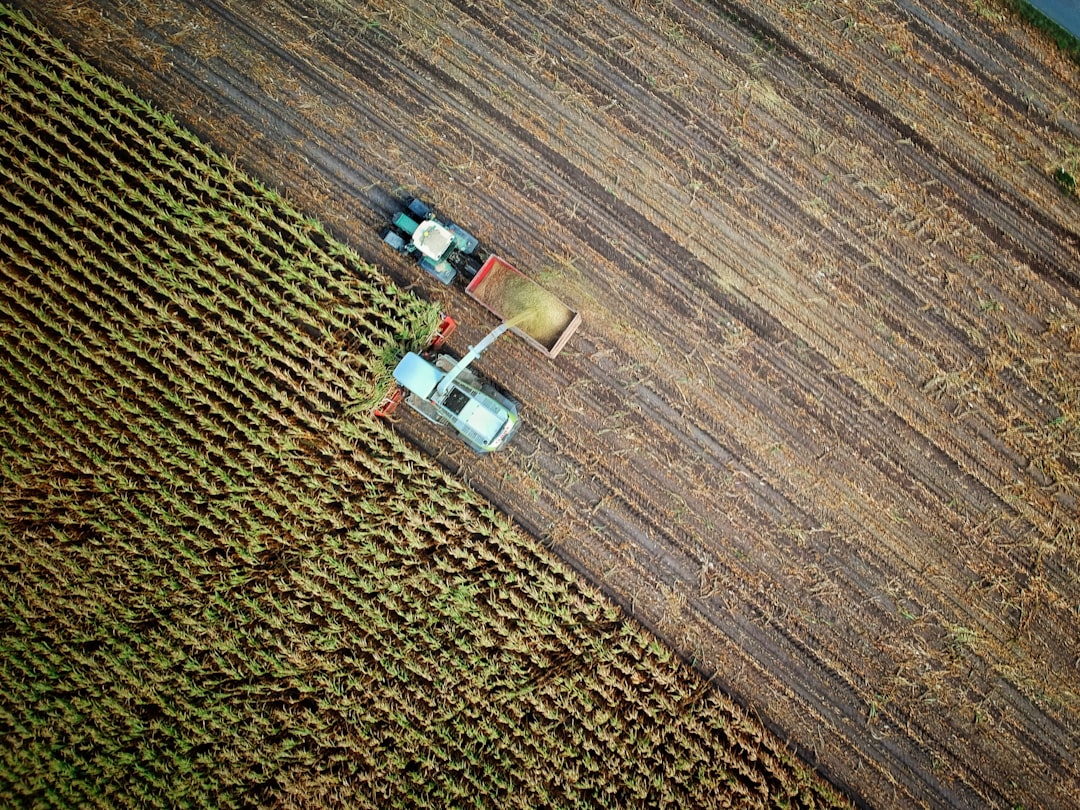
Precision agriculture, often described as farming with a high degree of granularity, represents an evolving approach to farm management that utilizes information technology to optimize returns on inputs while preserving resources. This methodology moves beyond traditional, less differentiated land management by addressing variations within a field rather than treating it as a homogeneous unit. The core principle lies in observing, measuring, and responding to inter and intra-field variability in crops. By embracing precision agriculture, farmers aim to maximize crop yields, profitability, and environmental sustainability.
The efficacy of precision agriculture hinges upon the synergistic integration of various technological components. These tools act as the farmer’s eyes, ears, and brain, gathering data, processing information, and executing precise actions. You can learn more about the earth’s magnetic field and its effects on our planet.
Global Navigation Satellite Systems (GNSS)
GNSS, encompassing systems like GPS (Global Positioning System) and GLONASS, are foundational to precision agriculture. GNSS receivers installed on farm machinery enable accurate mapping of field boundaries, soil sampling locations, and yield data points.
- Field Mapping and Boundary Definition: GNSS provides georeferenced data for creating precise digital maps of fields. This allows for accurate calculation of field area and facilitates the creation of management zones.
- Guidance Systems: GNSS-enabled auto-steer systems guide tractors and other farm vehicles with centimeter-level accuracy, minimizing overlap during operations such as planting, spraying, and fertilizer application. This reduces fuel consumption and input waste.
- Variable Rate Technology (VRT) Application: GNSS integrates with VRT equipment, allowing for the precise application of inputs (e.g., fertilizer, seeds, pesticides) based on pre-determined prescriptions generated from field data.
Remote Sensing Technologies
Remote sensing involves acquiring information about an object or phenomenon without making physical contact. In agriculture, this primarily involves using sensors to collect data about crops and soil from a distance.
- Satellite Imagery: Satellites provide broad-scale, periodic imagery of agricultural fields. Different spectral bands can reveal information about crop vigor, stress levels, and soil moisture content over large areas.
- Unmanned Aerial Vehicles (UAVs) / Drones: Drones equipped with various sensors (multispectral, hyperspectral, thermal) offer high-resolution, on-demand imagery. They can capture detailed data on plant health, nitrogen deficiencies, water stress, and pest infestations at a micro-field level.
- Aircraft-Mounted Sensors: Historically, manned aircraft have been used for aerial imagery. While less flexible than drones, they can cover vast areas efficiently for specific applications.
Geographic Information Systems (GIS)
GIS serves as the central hub for storing, analyzing, and visualizing the vast datasets generated by GNSS and remote sensing. It acts as the farmer’s digital workbench, allowing for informed decision-making.
- Data Integration and Management: GIS allows for the layering and overlaying of different types of spatial data (e.g., soil maps, yield maps, imagery) to identify relationships and patterns.
- Spatial Analysis: Advanced GIS functionalities enable complex spatial analyses, such as identifying areas of low yield consistently over multiple seasons, correlating yield with soil nutrient levels, or delineating management zones based on various environmental factors.
- Prescription Map Generation: Based on the analyzed data, GIS is used to generate prescription maps that dictate the precise application rates of inputs for VRT equipment.
Precision agriculture has emerged as a vital tool in addressing crop yield loss, leveraging technology to optimize farming practices and enhance productivity. For a deeper understanding of how precision agriculture can mitigate the impacts of yield loss, you can explore a related article that discusses innovative strategies and technologies in the field. To read more about this topic, visit Freaky Science.
Data-Driven Decision Making
At its heart, precision agriculture is a data-driven approach. The ability to collect, process, and interpret agricultural data is paramount to its success. Without robust data, precision agriculture would simply be a collection of advanced machinery.
Soil Sampling and Analysis
Understanding soil characteristics is fundamental to optimizing crop growth. Precision agriculture elevates soil analysis beyond traditional methods.
- Grid Sampling: Instead of composite samples from an entire field, grid sampling involves collecting soil samples from systematically defined grid cells within a field. This reveals spatial variability in nutrient levels, pH, and organic matter.
- Zone-Based Sampling: Management zones, identified through remote sensing or historical yield data, can be used to guide soil sampling. This ensures that samples are representative of distinct areas within the field.
- Proximal Sensors: On-the-go sensors mounted on equipment can measure soil properties like electrical conductivity (EC), which correlates with soil texture and organic matter, providing real-time data for more granular soil characterization.
Yield Monitoring
Yield monitors, integrated into combines and other harvesting equipment, record the actual yield at specific locations within a field. This provides invaluable feedback on the effectiveness of management practices.
- Real-time Yield Data: As the combine harvests, yield monitors log data such as grain moisture, flow rate, and location, creating detailed yield maps.
- Performance Evaluation: Yield maps reveal spatial variations in crop productivity, highlighting high-performing and underperforming areas. This data helps attribute yield differences to specific management zones or environmental factors.
- Feedback Loop for Future Decisions: Analyzing multi-year yield maps provides a historical context, aiding in the refinement of input prescriptions and management strategies for subsequent growing seasons.
Crop Scouting and Health Monitoring
Gone are the days of solely walking fields; precision agriculture provides tools for targeted and efficient crop health assessment.
- Automated Anomaly Detection: Image analysis software can identify areas within a field exhibiting unusual spectral reflections, potentially indicating plant stress, disease outbreaks, or pest infestations. This allows targeted scouting rather than random checks.
- Chlorophyll Content Estimation: Multispectral imagery can be used to estimate chlorophyll content, an indicator of plant nitrogen status. This helps in optimizing nitrogen fertilizer application.
- Thermal Imaging for Water Stress: Thermal cameras can detect differences in plant canopy temperature, which can be indicative of water stress even before visual symptoms appear.
Implementing Precision Agriculture Strategies
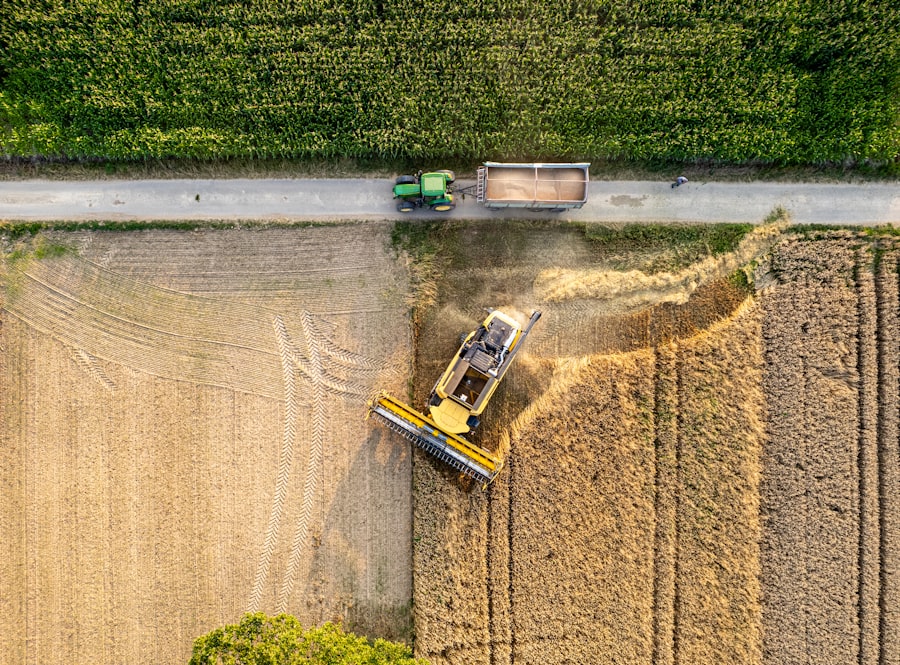
The transition to precision agriculture involves not only acquiring technology but also adopting new management paradigms. It requires a strategic shift from blanket applications to customized interventions.
Variable Rate Seeding
The practice of variable rate seeding involves adjusting the planting density across a field based on soil type, historical yield data, and other agronomic factors.
- Optimizing Plant Population: Different soil types and fertility levels can support varying plant populations. Seeding less densely in less productive areas reduces seed costs, while increasing density in highly productive zones maximizes yield potential.
- Addressing Intra-field Variability: By tailoring seeding rates to specific zones, farmers can ensure that each part of the field receives the optimal number of seeds to thrive.
Variable Rate Fertilizer Application
Fertilizer is often a significant input cost. Variable rate application ensures that nutrients are supplied where and when they are needed most, minimizing waste and environmental impact.
- Nutrient Management Zones: Based on soil test results, yield maps, and crop scouting data, a field can be divided into management zones with distinct nutrient requirements.
- Precise Nutrient Delivery: VRT spreaders and sprayers apply specific amounts of nitrogen, phosphorus, potassium, and micronutrients to each zone, preventing over-application in some areas and under-application in others.
- Environmental Benefits: By applying nutrients more precisely, the risk of nutrient runoff into waterways is reduced, contributing to environmental sustainability.
Integrated Pest and Disease Management (IPM)
Precision agriculture enhances IPM by enabling targeted application of pesticides and fungicides, reducing overall chemical use.
- Spot Treatment: Through remote sensing and targeted scouting, pest or disease outbreaks can be identified and localized. VRT sprayers can then apply chemicals only to the affected areas, rather than broadcasting them across the entire field.
- Early Detection and Prevention: Continuous monitoring through imagery allows for early detection of potential issues, enabling proactive interventions before problems escalate.
- Reduced Chemical Footprint: By spraying only when and where necessary, precision agriculture minimizes the environmental impact of chemical applications and reduces costs for the farmer.
Challenges and Future Directions
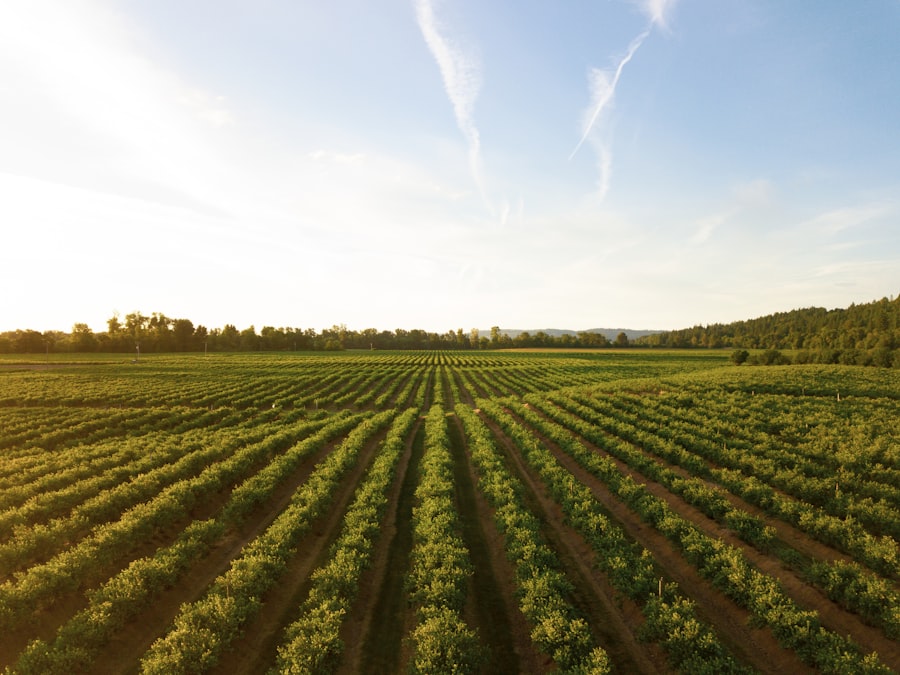
While the benefits of precision agriculture are substantial, its widespread adoption faces several challenges. However, ongoing research and technological advancements continue to address these hurdles.
Initial Investment Costs
Acquiring the necessary machinery, sensors, software, and training often represents a significant upfront investment for farmers, particularly small and medium-sized operations.
- Return on Investment (ROI) Calculators: Tools and resources are becoming available to help farmers calculate the potential ROI of precision agriculture technologies, demonstrating the long-term profitability.
- Government Subsidies and Programs: Some governments offer subsidies or incentive programs to encourage the adoption of sustainable farming practices, including precision agriculture technologies.
Data Management and Interpretation
The sheer volume and complexity of data generated by precision agriculture systems can be overwhelming for farmers.
- User-Friendly Software: Developers are continually striving to create more intuitive and user-friendly software interfaces that simplify data interpretation and decision-making.
- Agricultural Data Scientists: The emergence of specialized agricultural data scientists and consultants helps farmers extract actionable insights from their data, bridging the gap between raw data and practical application.
- Cloud-Based Platforms: Cloud storage and processing capabilities allow for efficient management and analysis of large datasets, making precision agriculture more accessible.
Connectivity and Infrastructure
Reliable internet connectivity, particularly in rural areas, is essential for seamless data transfer and the operation of cloud-based precision agriculture platforms.
- Expansion of Broadband Access: Governments and private companies are investing in expanding broadband internet access to rural communities, which is crucial for the advancement of precision agriculture.
- Edge Computing: Processing data closer to its source (e.g., on the farm equipment itself) can reduce reliance on constant, high-speed internet connections, making precision agriculture more resilient to connectivity issues.
Precision agriculture has emerged as a vital tool in addressing crop yield loss, enabling farmers to optimize their resources and improve productivity. A related article discusses innovative techniques and technologies that can significantly enhance farming practices, ultimately leading to better crop management and reduced losses. For more insights on this topic, you can read the article here: innovative techniques in precision agriculture. By leveraging data-driven approaches, farmers can make informed decisions that positively impact their yields and sustainability.
The Future of Farming
| Metric | Description | Typical Range | Impact on Crop Yield Loss | Precision Agriculture Role |
|---|---|---|---|---|
| Soil Moisture Variability (%) | Variation in soil moisture across the field | 5 – 30% | High variability can cause uneven crop growth and yield loss | Soil sensors and irrigation management reduce variability |
| Nutrient Deficiency Incidence (%) | Percentage of field area with nutrient deficiencies | 10 – 40% | Leads to stunted growth and reduced yield | Variable rate fertilization targets deficient zones |
| Pest Infestation Level (Index) | Scale measuring pest population density | 0 – 10 (0 = none, 10 = severe) | High infestation causes significant yield loss | Remote sensing and targeted pesticide application |
| Weed Coverage (%) | Percentage of field area covered by weeds | 5 – 25% | Competes with crops, reducing yield | Precision spraying reduces weed coverage effectively |
| Yield Loss Due to Stress Factors (%) | Estimated percentage of yield lost due to combined stresses | 10 – 50% | Represents overall impact on production | Integrated precision management minimizes losses |
| Harvest Index Variation (%) | Variation in ratio of grain to total biomass | 5 – 15% | Lower index indicates inefficient yield formation | Monitoring and adjusting inputs improves index |
Precision agriculture is not merely an incremental change; it is a transformative force shaping the future of agriculture. It empowers farmers to become data-driven stewards of their land, optimizing resource use and maximizing productivity. As technology advances, we can anticipate even more sophisticated tools and methodologies. Imagine hyper-local weather forecasting integrated with real-time soil moisture sensors controlling irrigation down to the square meter, or autonomous robots performing individual plant-level health assessments and targeted treatments. The farm of tomorrow will be a finely tuned ecosystem, managed with an unprecedented level of detail and efficiency. By embracing these advancements, our global food systems can become more resilient, productive, and environmentally sustainable, ensuring food security for a growing population.
WATCH THIS! 🌍 EARTH’S MAGNETIC FIELD IS WEAKENING
FAQs
What is crop yield loss?
Crop yield loss refers to the reduction in the amount of agricultural produce harvested compared to the potential or expected yield. This loss can be caused by factors such as pests, diseases, weather conditions, soil fertility, and improper farming practices.
How does precision agriculture help reduce crop yield loss?
Precision agriculture uses technology such as GPS, sensors, drones, and data analytics to monitor and manage crops more accurately. By providing detailed information on soil conditions, moisture levels, pest presence, and nutrient needs, it enables farmers to apply inputs more efficiently and timely, thereby minimizing crop yield loss.
What technologies are commonly used in precision agriculture to prevent yield loss?
Common technologies include satellite imagery, drones, soil sensors, weather stations, GPS-guided machinery, and data management software. These tools help in monitoring crop health, detecting stress early, and optimizing irrigation, fertilization, and pest control.
Can precision agriculture completely eliminate crop yield loss?
No, precision agriculture cannot completely eliminate crop yield loss, but it significantly reduces it by improving decision-making and resource management. Some losses due to extreme weather or unforeseen events may still occur.
Is precision agriculture suitable for all types of crops?
Precision agriculture techniques can be adapted for a wide range of crops, including cereals, vegetables, fruits, and specialty crops. However, the specific technologies and practices used may vary depending on the crop type and farming system.
What are the economic benefits of reducing crop yield loss through precision agriculture?
Reducing crop yield loss increases overall productivity and profitability by maximizing harvestable output. It also reduces input costs by optimizing the use of water, fertilizers, and pesticides, leading to more sustainable and cost-effective farming.
How does precision agriculture contribute to environmental sustainability?
By applying inputs more precisely and only where needed, precision agriculture reduces overuse of chemicals and water, minimizing environmental pollution and resource depletion. This targeted approach supports sustainable farming practices and helps preserve ecosystems.
What challenges exist in implementing precision agriculture to reduce crop yield loss?
Challenges include the high initial cost of technology, the need for technical knowledge and training, data management complexities, and variability in technology adoption depending on farm size and location.
Where can farmers learn more about precision agriculture techniques?
Farmers can learn about precision agriculture through agricultural extension services, university programs, online courses, industry workshops, and technology providers specializing in agricultural innovations.