
The intricate world of day trading, characterized by rapid-fire decisions and fleeting opportunities, presents a unique set of challenges, particularly when confronted with the unpredictable currents of market volatility. This article aims to dissect the phenomenon of “timing failover” in day trading – a critical breakdown in a trader’s ability to accurately anticipate or react to market movements – and explore its implications within a volatile environment. Through a systematic analysis, the mechanisms of timing failover will be unveiled, and strategies for mitigation and adaptation will be discussed.
Day trading, at its essence, is a speculative endeavor involving the frequent buying and selling of financial instruments within the same trading day. The objective is to capitalize on small price fluctuations, a strategy heavily reliant on precise timing. You can learn more about the earth’s magnetic field and its effects on our planet.
Definition of Day Trading
Day trading is distinguished from longer-term investment strategies by its short holding periods. Traders typically close all positions before the market closes to avoid overnight risks. This approach necessitates constant market monitoring and the ability to execute trades with speed and accuracy.
The Role of Timing in Day Trading
Timing is paramount in day trading. A fraction of a second can differentiate between a profitable trade and a significant loss. Traders aim to enter positions just before a price move and exit at its peak or trough, depending on the direction of the trade. This delicate dance with market momentum requires a keen understanding of technical analysis, market microstructure, and behavioral finance.
Market Volatility Defined
Market volatility refers to the rate at which the price of a security or index increases or decreases over a given period. High volatility signifies sharp price swings, while low volatility indicates relative price stability. Volatility is often measured using statistical tools like standard deviation and the VIX (Volatility Index).
Day trading requires precise timing and quick decision-making, but even the most experienced traders can experience timing failovers that lead to unexpected losses. For a deeper understanding of the challenges faced by day traders, you can read a related article that discusses common pitfalls and strategies to mitigate timing errors. Check it out here: Freaky Science.
Understanding Timing Failover in Volatile Markets
Timing failover occurs when a day trader’s established timing mechanisms – be they analytical, psychological, or technological – break down, leading to missed opportunities or, more commonly, poorly timed entries and exits that result in losses. In volatile markets, the probability and impact of timing failover are significantly amplified.
Categories of Timing Failover
Timing failover can manifest in various forms, each with its own specific characteristics and underlying causes.
Analytical Failover
This type of failover arises when a trader’s analytical framework, such as their chosen technical indicators or chart patterns, fails to provide accurate signals in a volatile environment.
- Indicator Lag: Many technical indicators, designed for trending or range-bound markets, can generate false signals or lag significantly when prices are whipsawing. A moving average crossover, for instance, might be too slow to react to rapid price reversals.
- Pattern Breakdown: Chart patterns, like flags or pennants, which typically signal continuation or reversal, can lose their predictive power during extreme volatility, with prices breaking out in unexpected directions.
- Misinterpretation of Data: The sheer volume and speed of information in volatile markets can lead to cognitive overload and misinterpretation of price action, news catalysts, or economic reports.
Psychological Failover
Emotional responses and cognitive biases play a significant role in timing failover, especially when markets are unpredictable.
- Fear of Missing Out (FOMO): The rapid upward swings in a volatile market can induce FOMO, leading traders to enter positions impulsively at unfavorable prices, chasing perceived gains.
- Panic Selling/Buying: Conversely, sharp downward movements can trigger panic selling, causing traders to exit positions at the worst possible time, locking in losses unnecessarily.
- Confirmation Bias: Traders might selectively interpret market information that confirms their existing trading ideas, ignoring dissenting signals that would suggest a timing adjustment is necessary.
- Overconfidence: After a string of successful trades in a volatile period, a trader might develop overconfidence, leading to reckless decision-making and a disregard for risk management.
Technological Failover
Technological infrastructure is a critical component of modern day trading. Failures in this domain can directly impact a trader’s ability to execute timely trades.
- Latency Issues: Even milliseconds of delay in order execution or data feed updates can be detrimental in high-frequency trading scenarios, causing orders to be filled at prices different from the intended entry or exit points.
- Platform Freezes/Crashes: Trading platforms or internet connectivity issues can cause a complete inability to act, trapping traders in unfavorable positions or preventing them from capitalizing on rapid moves.
- Algorithmic Malfunctions: For traders employing automated strategies, bugs or misconfigurations in their algorithms can lead to erratic trading behavior, especially under stress conditions like extreme volatility.
The Amplifying Effect of Volatility
Volatile markets act as a magnifying glass for these timing failovers. Small analytical errors become significant losses. Minor psychological missteps morph into critical errors. And even transient technological glitches can result in substantial financial damage. The “noise” in the market, characterized by irrational price movements and heightened uncertainty, obfuscates clear signals, making accurate timing exponentially more challenging.
Strategies for Mitigating Timing Failover
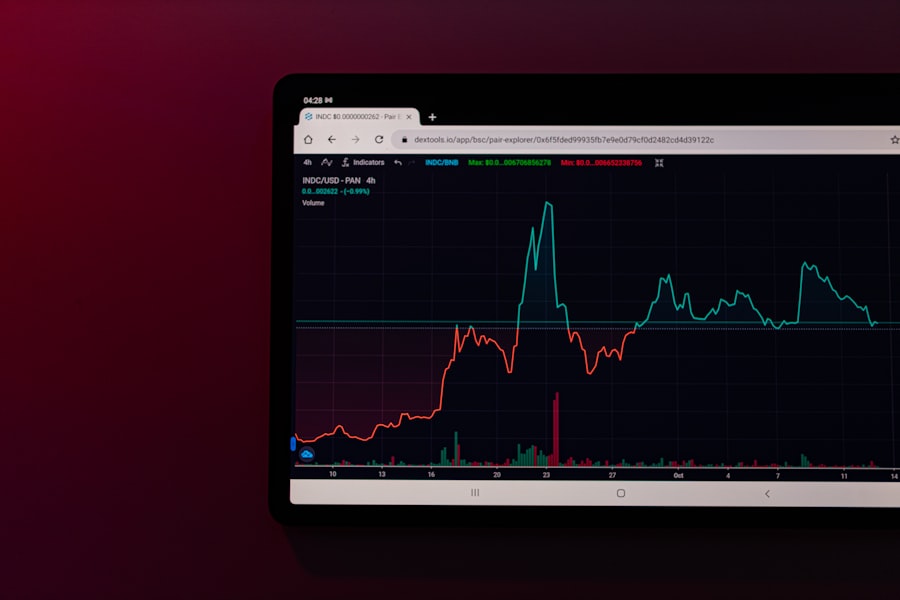
Despite the inherent difficulties, day traders can implement a range of strategies to mitigate the impact of timing failover and enhance their resilience during periods of market volatility.
Adapting Analytical Frameworks
Re-evaluating and adjusting analytical tools is crucial when market conditions shift from calm to turbulent.
Focusing on Price Action
During extreme volatility, many traditional indicators become less reliable. Traders may benefit from focusing more on raw price action and candlestick patterns, which provide direct insights into supply and demand dynamics without the lag of derived indicators.
- Support and Resistance Levels: Identifying key support and resistance zones, where buying or selling pressure is likely to emerge, can offer clearer entry and exit points.
- Volume Analysis: High volume accompanying price movements can confirm the strength of a trend or reversal, providing more conviction in potentially volatile environments.
- Candlestick Formations: Specific candlestick patterns, such as hammers, shooting stars, or engulfing patterns, can signal potential reversals or continuations in price action, even amidst chaos.
Incorporating Volatility Indicators
Some indicators are specifically designed to measure or adapt to volatility, providing a more relevant context for trading decisions.
- Bollinger Bands: These bands adjust to market volatility, widening during high volatility and narrowing during low volatility, offering dynamic support and resistance levels.
- Average True Range (ATR): ATR provides a measure of market volatility, which can be used to set appropriate stop-loss levels and profit targets, accounting for larger price swings.
Strengthening Psychological Resilience
Developing mental fortitude is paramount for navigating volatile markets and preventing emotional responses from leading to timing errors.
Pre-defined Trading Plan
A meticulously crafted trading plan, including entry/exit criteria, position sizing, and risk management rules, acts as an anchor in stormy markets. Adhering strictly to this plan minimizes impulsive decision-making.
- Clear Entry/Exit Triggers: Define explicit conditions for engaging in trades and for taking profits or cutting losses. This reduces ambiguity when quick decisions are required.
- Position Sizing: Adjusting position sizes downwards during high volatility is a critical risk management strategy. Smaller positions mitigate the impact of adverse price swings.
Emotional Control Techniques
Practicing mindfulness, meditation, or simply taking short breaks from the screen can help manage stress and prevent emotional contagion from the market.
- Regular Breaks: Stepping away from the trading terminal, even for a few minutes, can help reset focus and prevent burnout, particularly during intense trading sessions.
- Post-Trade Review: Objectively reviewing trades, especially losing ones, without self-blame, helps identify patterns of emotional or analytical failures and learn from them.
Enhancing Technological Infrastructure
Ensuring a robust and reliable trading setup is fundamental to minimizing technological timing failover.
Low-Latency Connections
Investing in high-speed internet and, where applicable, co-location services for algorithmic trading, can significantly reduce latency and improve execution speeds.
- Dedicated Trading Setup: Using a computer optimized for trading, with minimal background applications, can improve performance and stability.
Redundancy and Backup Systems
Having backup internet connections, power sources, and even alternative trading platforms can provide crucial fail-safes during unexpected technical glitches.
- Mobile Trading Apps: While not suitable for all day trading operations, reliable mobile trading apps can serve as an emergency backup for adjusting or closing positions.
Adapting to Extreme Market Conditions
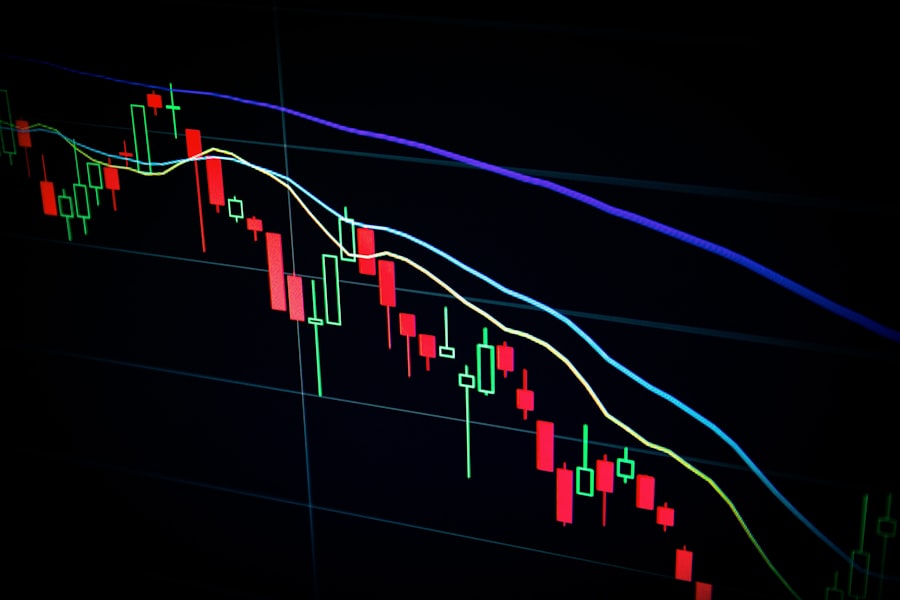
When volatility reaches extreme levels, typical day trading strategies may become ineffective or overly risky. Adaptation is key to survival.
Reduced Trading Frequency
During periods of exceptionally high volatility, sometimes the best trade is no trade. Stepping back or significantly reducing trading frequency can protect capital from erratic market movements.
- Wait for Confirmation: Instead of chasing every price spike or dip, waiting for clearer directional confirmation, such as a breakout above a critical resistance level on higher-than-average volume, can improve trade quality.
Focusing on Less Liquid Assets
While not always feasible for day traders, some may shift their focus to assets with lower immediate volatility or larger market caps, which tend to be less susceptible to extreme, irrational swings driven by retail sentiment. This option typically requires a different skillset and analytical approach, as opportunities may be less frequent.
Capital Preservation as Priority
In highly volatile environments, the primary objective often shifts from profit maximization to capital preservation. Protecting one’s trading capital ensures that one remains in the game when more favorable market conditions return. This often involves tighter stop-losses, smaller positions, and a willingness to sit on the sidelines.
- Strict Risk Rules: Adhering to the 1% or 2% rule (never risking more than 1-2% of total capital on a single trade) becomes even more critical.
Day traders often face challenges with timing their trades effectively, which can lead to significant losses. A related article that explores strategies to improve timing and avoid common pitfalls can be found at Freaky Science. This resource provides valuable insights into the psychological aspects of trading and offers practical tips that can help traders refine their decision-making processes. By understanding these concepts, day traders can enhance their ability to navigate the fast-paced market environment.
Conclusion
| Metric | Description | Typical Value | Impact on Day Trader |
|---|---|---|---|
| Latency (ms) | Time delay between market data update and trader’s system response | 5-50 ms | Higher latency can cause missed trade opportunities or delayed order execution |
| Failover Time (seconds) | Duration to switch to backup system after primary system failure | 1-10 seconds | Long failover times can result in lost trades or inability to react to market changes |
| Order Execution Delay (ms) | Delay between order submission and execution confirmation | 10-100 ms | Delays can cause slippage and affect profitability |
| System Uptime (%) | Percentage of time the trading system is operational without failure | 99.9% | Higher uptime ensures continuous trading capability |
| Data Feed Accuracy (%) | Correctness of market data received by the trader’s system | 99.99% | Inaccurate data can lead to wrong trading decisions |
| Recovery Point Objective (RPO) | Maximum tolerable data loss measured in time | Seconds to minutes | Lower RPO minimizes data loss during failover |
| Recovery Time Objective (RTO) | Target time to restore system after failure | Seconds to minutes | Shorter RTO reduces downtime and trading disruption |
Timing failover in day trading, particularly when compounded by market volatility, represents a multifaceted challenge that can undermine even the most experienced traders. It is not merely a technical glitch but a confluence of analytical misinterpretations, psychological vulnerabilities, and technological shortcomings. However, by systematically addressing these areas through adaptive analytical frameworks, fortified psychological resilience, and robust technological infrastructure, day traders can significantly mitigate the risks associated with timing failures.
The market, much like a tempestuous sea, will inevitably present periods of calm and periods of violent storms. The astute day trader understands that during the storm, the priority shifts from rapidly navigating to preserving the vessel. By embracing a flexible and disciplined approach, one can not only survive but also potentially thrive when others succumb to the turbulent currents of market volatility, demonstrating the profound importance of continuous learning and adaptation in the relentless pursuit of timing mastery.
WATCH THIS! 🌍 EARTH’S MAGNETIC FIELD IS WEAKENING
FAQs
What is day trader timing failover?
Day trader timing failover refers to the backup strategies or systems that day traders use to manage timing errors or failures in executing trades. It involves having contingency plans to handle delays, missed signals, or technical issues that can affect the precise timing required for day trading.
Why is timing important in day trading?
Timing is crucial in day trading because traders aim to capitalize on short-term price movements within a single trading day. Accurate timing ensures that trades are executed at optimal prices to maximize profits and minimize losses.
What causes timing failures in day trading?
Timing failures can be caused by technical issues such as internet connectivity problems, platform glitches, delayed data feeds, or human errors like misreading signals or slow decision-making.
How can day traders prevent timing failover issues?
Day traders can prevent timing failover issues by using reliable trading platforms, maintaining stable internet connections, setting automated alerts or orders, and having backup systems or alternative devices ready in case of technical failures.
What are common failover strategies for day traders?
Common failover strategies include using automated trading algorithms, setting stop-loss and take-profit orders, having secondary internet connections, and employing redundant hardware or software to ensure continuous trading capability.
Can timing failover impact trading profitability?
Yes, timing failover can significantly impact profitability. Delays or failures in executing trades at the right moment can lead to missed opportunities or increased losses, especially in the fast-paced environment of day trading.
Is timing failover only a technical issue?
While timing failover often involves technical problems, it can also stem from psychological factors such as hesitation, stress, or poor decision-making under pressure.
Are there tools to help manage timing failover in day trading?
Yes, tools such as automated trading software, real-time market data feeds, backup internet services, and mobile trading apps can help manage and mitigate timing failover risks.
How important is practice in avoiding timing failover?
Practice is very important as it helps traders improve their decision-making speed, recognize market signals quickly, and become familiar with their trading platforms, reducing the likelihood of timing errors.
Can timing failover be completely eliminated?
While it is difficult to completely eliminate timing failover due to unpredictable market conditions and technical limitations, effective preparation and risk management can significantly reduce its occurrence and impact.