
Perception is a complex process through which individuals interpret and understand their surroundings. Rather than passively receiving sensory information, the brain actively constructs meaning from stimuli by integrating sensory data with existing knowledge, prior experiences, and contextual information. This combination of sensory input and cognitive processing is fundamental to human perception and experience.
The brain processes sensory information by transforming raw data into meaningful experiences. Different regions of the brain specialize in distinct functions and work together to determine how individuals perceive their environment. From the initial detection of a stimulus to its final interpretation, the brain coordinates neural activity that shapes perception and understanding of reality.
This article examines the various aspects of perception and explains the brain’s essential role in this process.
Key Takeaways
- Perception is a complex process involving sensory input and brain interpretation.
- Past experiences, attention, and emotions significantly influence how we perceive the world.
- The brain integrates information from multiple senses to create a coherent perception.
- Memory and expectations shape and sometimes distort our perceptual experiences.
- Understanding the brain’s role in perception has important implications for psychology and neuroscience.
The Role of Sensory Input in Perception
Sensory input serves as the foundation upon which perception is built. The human body is equipped with a range of sensory organs—such as the eyes, ears, skin, nose, and tongue—that detect external stimuli and convert them into neural signals. These signals are then transmitted to the brain for further processing.
Each sense contributes uniquely to the overall perceptual experience; for instance, visual input allows individuals to navigate their surroundings, while auditory input enables them to engage in communication and appreciate music. The quality and nature of sensory input can significantly influence perception. For example, variations in lighting can alter how colors are perceived, while background noise can affect the clarity of spoken words.
Additionally, sensory modalities do not operate in isolation; they often interact to create a richer perceptual experience. This multisensory integration allows individuals to form a more comprehensive understanding of their environment, as different senses provide complementary information that enhances overall perception. One fascinating concept to explore is simulation theory, which suggests our reality might be an artificial simulation.
The Brain’s Processing of Sensory Information
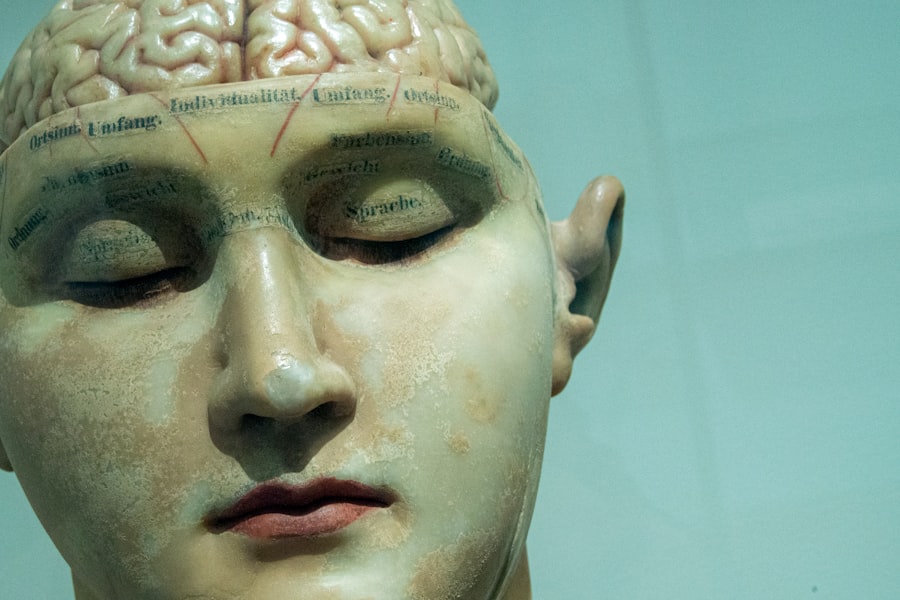
Once sensory information reaches the brain, it undergoes a series of complex processing stages. Different regions of the brain are specialized for handling specific types of sensory data. For instance, the occipital lobe is primarily responsible for visual processing, while the temporal lobe plays a key role in auditory perception.
This specialization allows for efficient processing and interpretation of sensory information, enabling individuals to respond appropriately to their surroundings. The brain does not merely relay sensory information; it actively interprets and organizes it. This involves recognizing patterns, categorizing stimuli, and integrating information from multiple senses.
The process is dynamic and can be influenced by various factors, including attention and context. For example, when an individual focuses on a particular sound in a noisy environment, the brain enhances that auditory input while filtering out irrelevant background noise. This selective processing is essential for navigating complex environments and making sense of diverse stimuli.
The Influence of Past Experiences on Perception
Past experiences play a crucial role in shaping how individuals perceive new stimuli. The brain relies on stored memories and learned associations to interpret incoming sensory information. This means that perception is not solely based on current sensory input but is also informed by an individual’s history and context.
For instance, someone who has had a negative experience with dogs may perceive a barking dog as threatening, while another person with positive experiences may view it as friendly. This influence of past experiences can lead to variations in perception among different individuals. Two people may witness the same event but interpret it differently based on their unique backgrounds and experiences.
Such differences highlight the subjective nature of perception and underscore the importance of understanding how personal history can shape one’s interpretation of reality. The brain’s ability to draw upon past experiences allows for rapid decision-making but can also lead to biases and misconceptions.
The Role of Attention in Shaping Perception
| Metric | Description | Typical Value/Range | Relevance to Reality Perception |
|---|---|---|---|
| Neural Firing Rate | Frequency at which neurons fire action potentials | 5-50 Hz (varies by brain region) | Encodes sensory information and influences perception speed |
| Synaptic Plasticity | Ability of synapses to strengthen or weaken over time | Long-term potentiation (LTP) magnitude: 20-50% increase in synaptic strength | Supports learning and updating of perceptual models |
| Oscillatory Brain Waves | Rhythmic electrical activity in the brain |
Delta: 0.5-4 Hz Theta: 4-8 Hz Alpha: 8-12 Hz Beta: 12-30 Hz Gamma: 30-100 Hz |
Coordinate neural networks for integrating sensory input into coherent perception |
| Perceptual Threshold | Minimum stimulus intensity required for conscious perception | Varies by modality; e.g., visual threshold ~1 photon | Determines sensitivity and limits of reality detection |
| Prediction Error Signal | Difference between expected and actual sensory input | Measured via fMRI or EEG; amplitude varies with task | Drives updating of internal models to refine reality perception |
| Integration Time Window | Time period over which sensory information is combined | Typically 100-200 ms | Allows temporal binding of stimuli into unified percepts |
Attention is a critical factor in perception, acting as a filter that determines which sensory information is prioritized for processing. The brain has limited resources for processing information, making attention essential for navigating complex environments. By focusing on specific stimuli while ignoring others, individuals can enhance their perceptual experience and respond more effectively to their surroundings.
The mechanisms of attention are multifaceted and can be influenced by both internal and external factors. For example, an individual’s goals or interests may direct their attention toward certain stimuli, while environmental cues—such as sudden movements or loud noises—can capture attention involuntarily. This selective attention can significantly alter perception; when an individual concentrates on a particular aspect of their environment, they may overlook other important details.
Consequently, attention shapes not only what individuals perceive but also how they interpret and respond to their experiences.
The Role of Expectations and Beliefs in Perception
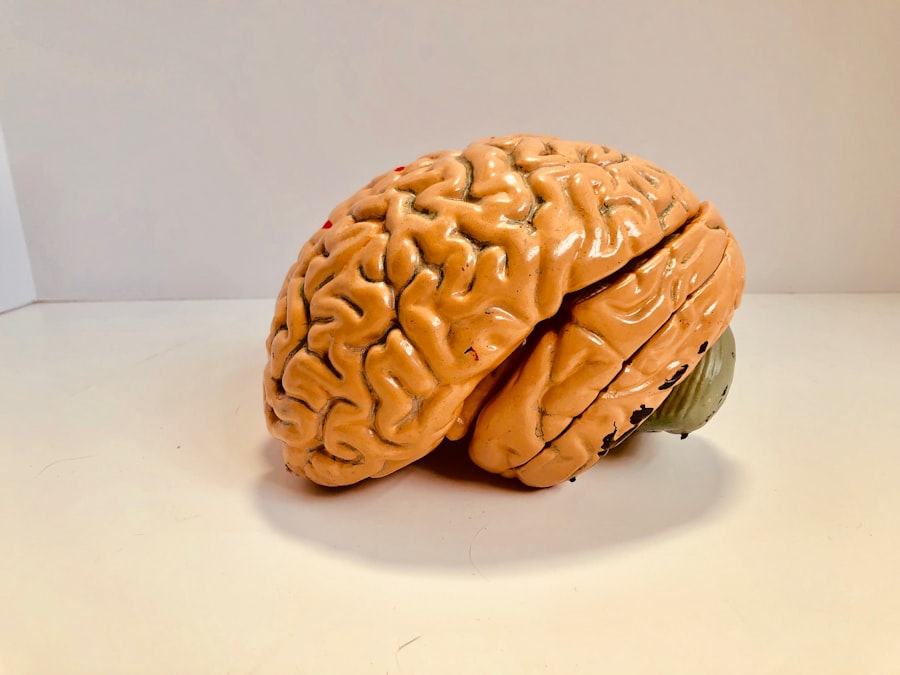
Expectations and beliefs serve as powerful lenses through which individuals interpret sensory information. The brain often uses prior knowledge and assumptions to fill in gaps in sensory data, leading to perceptions that align with what one expects to see or hear. This phenomenon illustrates how perception is not merely a reflection of reality but is also constructed based on cognitive frameworks shaped by culture, upbringing, and personal beliefs.
For instance, if an individual expects to see a familiar face in a crowd, they may be more likely to misidentify someone else as that person due to their preconceived notions.
Understanding the role of expectations in perception highlights the importance of critical thinking and self-awareness; by recognizing how beliefs influence interpretation, individuals can strive for more objective perceptions.
The Role of Emotions in Shaping Perception
Emotions play a significant role in shaping perception by influencing how individuals interpret sensory information. The brain’s emotional centers, such as the amygdala, interact with perceptual processes to create a more nuanced understanding of stimuli based on emotional context. For example, an individual who feels anxious may perceive ambiguous situations as threatening, while someone who feels happy may interpret the same situation more positively.
The interplay between emotions and perception can lead to heightened sensitivity toward certain stimuli.
This emotional lens can enhance or distort perception, leading to varied interpretations of the same event based on one’s emotional state at the time.
The Brain’s Role in Multisensory Integration
Multisensory integration refers to the brain’s ability to combine information from different sensory modalities to create a cohesive perceptual experience. This process is essential for navigating complex environments where multiple stimuli are present simultaneously. The brain excels at synthesizing information from various senses—such as sight, sound, touch, taste, and smell—to form a comprehensive understanding of an experience.
For example, when watching a movie, individuals rely on visual cues from the screen while simultaneously processing auditory information from dialogue and sound effects. The brain integrates these inputs seamlessly, allowing for an immersive experience that enhances enjoyment and comprehension. However, multisensory integration is not always perfect; discrepancies between sensory inputs can lead to perceptual conflicts or illusions.
Understanding how the brain integrates multisensory information provides valuable insights into human cognition and perception.
The Role of Memory in Perception
Memory plays an integral role in shaping perception by providing context and background knowledge that inform how individuals interpret sensory information. The brain draws upon both short-term and long-term memories to make sense of new experiences. When encountering familiar stimuli, individuals can quickly access relevant memories that influence their perceptions and reactions.
For instance, if someone sees a particular type of fruit they enjoyed as a child, their positive memories associated with that fruit may enhance their perception of its taste and aroma when they encounter it again as an adult. Conversely, negative memories can taint perceptions; if an individual had a bad experience with a specific food, they may perceive it unfavorably despite its objective qualities. This interplay between memory and perception underscores the dynamic nature of human cognition and highlights how past experiences shape present interpretations.
The Brain’s Role in Perceptual Illusions
Perceptual illusions provide fascinating insights into how the brain processes sensory information and constructs perceptions. These illusions occur when there is a discrepancy between reality and how it is perceived due to the brain’s interpretation mechanisms. They reveal the complexities of perception and demonstrate that what individuals see or hear is not always an accurate reflection of external reality.
For example, optical illusions exploit the brain’s reliance on certain visual cues—such as perspective or color contrast—to create misleading perceptions. Similarly, auditory illusions can trick individuals into hearing sounds that are not present or misinterpreting sounds based on contextual cues. Studying these illusions helps researchers understand the underlying processes involved in perception and highlights the brain’s remarkable ability to construct coherent experiences from incomplete or ambiguous information.
The Implications of Understanding the Brain’s Role in Perception
Understanding the brain’s role in perception has far-reaching implications across various fields, including psychology, neuroscience, education, and even art. By unraveling the complexities of how perception works, researchers can develop strategies to enhance learning experiences or address perceptual disorders that affect individuals’ daily lives. In clinical settings, insights into perception can inform therapeutic approaches for conditions such as anxiety or PTSD, where distorted perceptions may contribute to distressing symptoms.
Additionally, educators can leverage knowledge about attention and memory to create more effective teaching methods that align with how students perceive and process information. Moreover, artists and designers can utilize principles of perception to create works that engage viewers more deeply by considering how colors, shapes, and sounds interact within perceptual frameworks. Ultimately, understanding the intricate relationship between perception and the brain enriches our comprehension of human experience and opens avenues for innovation across diverse domains.
The intricate process by which the brain constructs our perception of reality is a fascinating topic that has garnered significant attention in recent years. For a deeper understanding of this subject, you can explore the article on