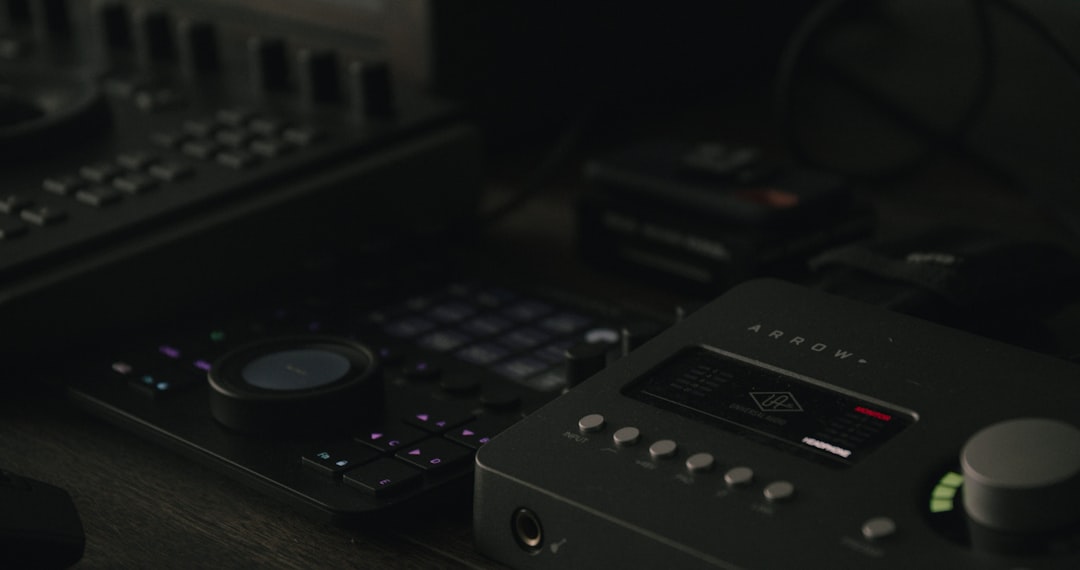
Audio technology has evolved significantly over several decades. Vinyl records dominated the early era of sound recording, capturing audio through analog methods. The introduction of cassette tapes in the 1970s enabled portable music consumption, allowing listeners to transport recorded music outside the home.
The compact disc, introduced in the 1980s, provided improved sound clarity and greater durability compared to previous formats. The digital era brought substantial changes to audio consumption. Digital downloads and streaming services emerged in the 2000s, dramatically increasing music accessibility.
These platforms offered users access to extensive music libraries through internet connectivity. However, streaming services typically employ audio compression to reduce file sizes and bandwidth requirements, which can result in reduced sound quality compared to uncompressed formats. This trade-off between convenience and audio quality has generated renewed interest in high-resolution audio formats.
Both professional audiophiles and general consumers have increasingly sought higher-fidelity listening experiences, driving demand for improved audio standards and equipment capable of reproducing sound with greater accuracy and detail.
Key Takeaways
- High resolution audio offers superior sound quality by capturing more audio detail than standard formats.
- It enhances listening experiences across music, film, television, and gaming industries.
- Advances in technology are driving the future development and accessibility of high resolution audio.
- Challenges such as file size, streaming bandwidth, and consumer awareness need to be addressed for wider adoption.
- High resolution audio is poised to play a significant role in the future of entertainment by delivering immersive and realistic sound.
Understanding High Resolution Audio
High-resolution audio (HRA) is a term that refers to audio files with a higher sampling rate and bit depth than standard CD-quality audio. While CDs typically offer a sampling rate of 44.1 kHz and a bit depth of 16 bits, high-resolution audio can provide sampling rates up to 192 kHz and bit depths of 24 bits or more. This increased detail allows for a more nuanced and dynamic listening experience, capturing subtleties in music that standard formats may miss.
As you explore high-resolution audio, you may find that it offers a richer soundstage and greater clarity, making it an appealing option for those who truly appreciate music. Understanding high-resolution audio also involves recognizing the various formats available. You might encounter file types such as FLAC (Free Lossless Audio Codec), ALAC (Apple Lossless Audio Codec), and DSD (Direct Stream Digital), each offering unique advantages.
These formats preserve audio quality while allowing for efficient storage and playback. As you navigate through these options, it’s essential to consider your listening environment and equipment, as high-resolution audio is best experienced with quality headphones or speakers that can fully reproduce the enhanced sound. Experience the clarity and depth of sound like never before with high resolution audio.
The Science Behind High Resolution Audio
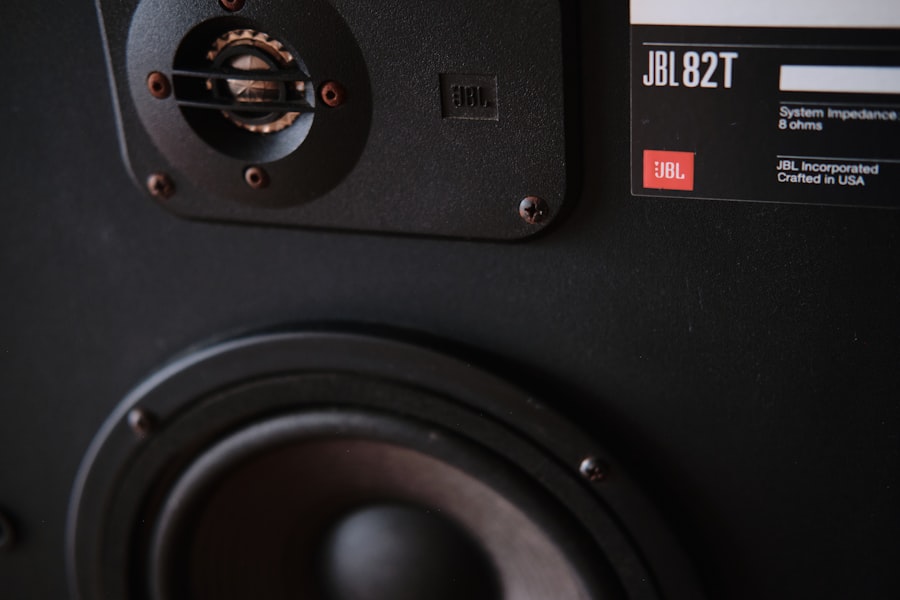
The science behind high-resolution audio is rooted in the principles of sound reproduction and human perception.
A higher sampling rate means more data points are collected, resulting in a more accurate representation of the original sound wave.
This is particularly important for complex musical passages where nuances can easily be lost in lower-quality formats. Bit depth plays a crucial role as well, as it defines the dynamic range of the audio signal. A higher bit depth allows for more precise amplitude measurements, which translates to a greater range between the quietest and loudest sounds.
This means that when you listen to high-resolution audio, you can experience softer notes with clarity while still enjoying powerful crescendos without distortion. Understanding these scientific principles can enhance your appreciation for high-resolution audio and its ability to deliver an immersive listening experience.
The Benefits of High Resolution Audio
One of the most significant benefits of high-resolution audio is its ability to provide a more authentic listening experience. When you listen to music in high resolution, you may notice details that were previously obscured in lower-quality formats. Instruments may sound more distinct, vocals can be clearer, and the overall soundstage can feel more expansive.
This heightened level of detail can transport you into the recording studio or concert hall, allowing you to connect with the music on a deeper level. Additionally, high-resolution audio can enhance your enjoyment of various genres. Whether you’re a fan of classical symphonies or modern rock, the increased fidelity can bring out the intricacies of each performance.
You might find that subtle harmonies and background elements become more pronounced, enriching your overall listening experience. Furthermore, as technology continues to advance, high-resolution audio is becoming more accessible, allowing you to enjoy these benefits without breaking the bank.
High Resolution Audio in the Music Industry
| Metric | Value | Unit | Description |
|---|---|---|---|
| Sampling Rate | 192,000 | Hz | Frequency at which audio is sampled, enabling ultra-high resolution |
| Bit Depth | 24 | bits | Number of bits used to represent each audio sample, increasing dynamic range |
| Frequency Response | 20 – 80,000 | Hz | Range of frequencies accurately reproduced by the breakthrough technology |
| Signal-to-Noise Ratio (SNR) | 120 | dB | Ratio of signal power to background noise, indicating clarity of audio |
| Total Harmonic Distortion (THD) | 0.001 | % | Measure of distortion introduced by the audio system |
| Latency | 5 | ms | Delay introduced in audio processing, critical for real-time applications |
| Dynamic Range | 144 | dB | Difference between the quietest and loudest sound accurately captured |
The music industry has seen a significant shift towards high-resolution audio in recent years, driven by both consumer demand and technological advancements. Artists and producers are increasingly recognizing the value of delivering their work in formats that do justice to their creative vision. As you explore new releases, you may find that many artists now offer high-resolution versions of their albums alongside standard releases, catering to audiophiles who seek superior sound quality.
Streaming platforms have also begun to embrace high-resolution audio options. Services like Tidal and Qobuz provide subscribers with access to extensive libraries of high-resolution tracks, allowing you to discover new music while enjoying enhanced sound quality. This trend reflects a growing awareness within the industry about the importance of audio fidelity and its impact on listener engagement.
As more consumers become aware of high-resolution options, it’s likely that this trend will continue to shape the future of music distribution.
High Resolution Audio in Film and Television
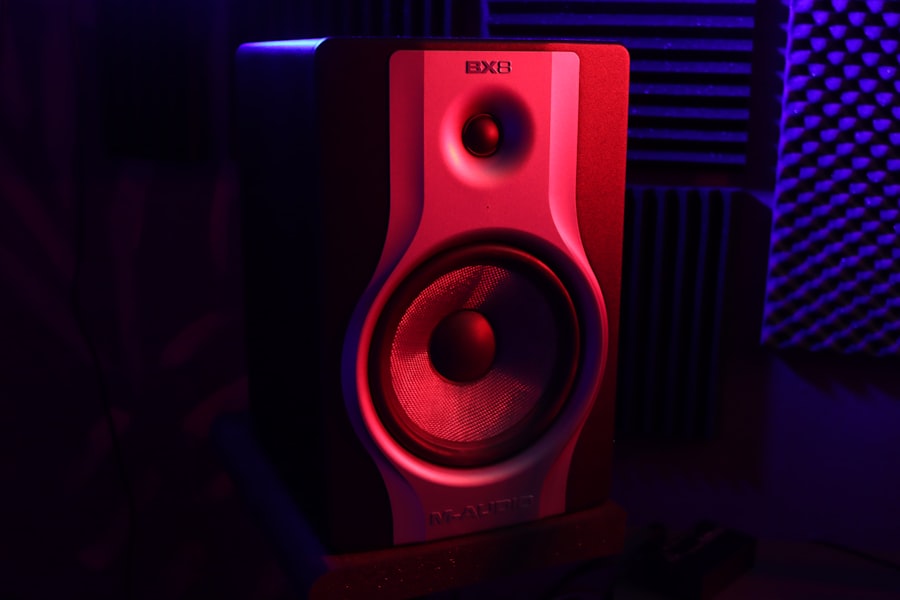
High-resolution audio is not limited to music; it has also made significant strides in film and television production. As you watch your favorite movies or series, you may notice that sound design plays a crucial role in storytelling. High-resolution audio enhances this experience by providing clearer dialogue, richer sound effects, and immersive surround sound environments.
This level of detail can draw you deeper into the narrative, making every scene more impactful. The adoption of high-resolution audio formats in film has been facilitated by advancements in home theater technology. With the rise of 4K televisions and advanced sound systems capable of reproducing high-resolution audio formats like Dolby Atmos, viewers can enjoy cinematic experiences that rival those found in theaters.
As you invest in your home entertainment setup, consider how high-resolution audio can elevate your viewing experience and bring films to life in ways you may not have imagined.
High Resolution Audio in Gaming
Gaming has also embraced high-resolution audio technology, recognizing its potential to enhance player immersion and engagement. As you navigate virtual worlds or engage in competitive gameplay, high-resolution audio can provide critical advantages by delivering precise sound cues that help you react faster and make informed decisions. The clarity offered by high-resolution formats allows you to hear subtle sounds like footsteps or distant gunfire with remarkable accuracy.
Moreover, game developers are increasingly incorporating advanced sound design techniques that leverage high-resolution audio capabilities. This means that as you play, you’ll experience dynamic soundscapes that respond to your actions and surroundings in real-time. Whether you’re exploring vast open worlds or engaging in intense multiplayer battles, high-resolution audio can significantly enhance your gaming experience by making it feel more realistic and immersive.
The Future of High Resolution Audio Technology
Looking ahead, the future of high-resolution audio technology appears promising as advancements continue to emerge at a rapid pace. With ongoing developments in digital signal processing and storage solutions, it’s likely that even higher-quality formats will become available for consumers like yourself. Innovations such as spatial audio and immersive sound technologies are also on the horizon, promising to redefine how you experience music and media.
This shift could lead to an even broader range of high-resolution options across various genres and media types. As technology continues to evolve, you may find yourself at the forefront of an exciting era where high-resolution audio becomes the standard rather than the exception.
Overcoming Challenges in High Resolution Audio
Despite its many advantages, high-resolution audio does face challenges that need addressing for broader adoption among consumers like yourself. One significant hurdle is the issue of file size; high-resolution audio files are often much larger than their standard counterparts, requiring more storage space and bandwidth for streaming. This can be a concern for those with limited data plans or storage capacity on their devices.
Additionally, there is still some confusion surrounding high-resolution audio among consumers who may not fully understand its benefits or how to access it effectively. Education plays a crucial role in overcoming these challenges; as more information becomes available about high-resolution formats and their advantages, consumers will be better equipped to make informed choices about their audio experiences.
Consumer Adoption of High Resolution Audio
Consumer adoption of high-resolution audio is steadily increasing as awareness grows about its benefits and availability expands across platforms. As you explore your options for music consumption, you may find that many devices now support high-resolution playback, from smartphones to dedicated digital audio players. This accessibility encourages more listeners to experiment with high-resolution formats and discover what they’ve been missing.
Moreover, as streaming services continue to offer high-resolution options alongside their standard offerings, it becomes easier for consumers like yourself to make the switch without sacrificing convenience. The combination of improved technology and increased availability is likely to drive further adoption as more people recognize the value of experiencing music and media in higher fidelity.
High Resolution Audio and the Future of Entertainment
In conclusion, high-resolution audio is poised to play a pivotal role in shaping the future of entertainment across various mediums. As technology continues to advance and consumer demand grows, you can expect an increasing number of artists, filmmakers, and game developers to prioritize delivering their work in high-resolution formats. This shift will not only enhance your listening experience but also redefine how stories are told through sound.
As you embrace this evolution in audio technology, consider how it can enrich your interactions with music, film, television, and gaming. The future promises exciting possibilities for immersive experiences that engage your senses like never before. By staying informed about developments in high-resolution audio technology and exploring new content options, you’ll be well-equipped to enjoy all that this vibrant landscape has to offer.
Recent advancements in high-resolution audio technology have sparked significant interest in the scientific community, particularly regarding its impact on sound quality and listener experience. A related article that delves into these breakthroughs can be found on Freaky Science, which explores the implications of high-resolution audio formats and their potential to revolutionize the way we perceive music. For more information, you can read the article [here](https://www.freakyscience.com/).
WATCH THIS! Can You Really Hear High-Res Audio? 🎶
FAQs
What is high resolution audio?
High resolution audio refers to audio files or recordings that have a higher sampling rate and bit depth than standard CD quality (44.1 kHz/16-bit). This results in greater detail and clarity in sound reproduction.
What constitutes a scientific breakthrough in high resolution audio?
A scientific breakthrough in high resolution audio typically involves new technology or research that significantly improves the accuracy, quality, or efficiency of capturing, processing, or reproducing high resolution sound beyond existing standards.
How does high resolution audio differ from standard audio formats?
High resolution audio offers a wider frequency range and dynamic range compared to standard formats like MP3 or CD audio, allowing for more detailed and lifelike sound reproduction.
What are the benefits of high resolution audio?
Benefits include improved sound clarity, greater detail, more accurate reproduction of the original recording, and a more immersive listening experience.
Are there any scientific methods used to measure high resolution audio quality?
Yes, scientific methods such as frequency response analysis, signal-to-noise ratio measurement, and bit error rate testing are used to evaluate the quality and fidelity of high resolution audio.
What devices support high resolution audio playback?
Many modern digital audio players, smartphones, DACs (digital-to-analog converters), and headphones support high resolution audio playback, provided they meet the necessary hardware and software specifications.
Is high resolution audio widely available to consumers?
Yes, high resolution audio files and streaming services are increasingly available, with many platforms offering high resolution downloads or streaming options for audiophiles and music enthusiasts.
Does high resolution audio require special equipment?
To fully experience the benefits of high resolution audio, specialized equipment such as high-quality DACs, amplifiers, and headphones or speakers capable of reproducing the extended frequency range is recommended.
Can the average listener perceive the difference in high resolution audio?
Perception varies among individuals; some listeners can discern the enhanced detail and clarity of high resolution audio, while others may not notice a significant difference compared to standard audio formats.
What impact does a scientific breakthrough in high resolution audio have on the music industry?
Such breakthroughs can lead to improved recording techniques, better consumer audio products, enhanced streaming quality, and overall advancement in how music is produced, distributed, and enjoyed.