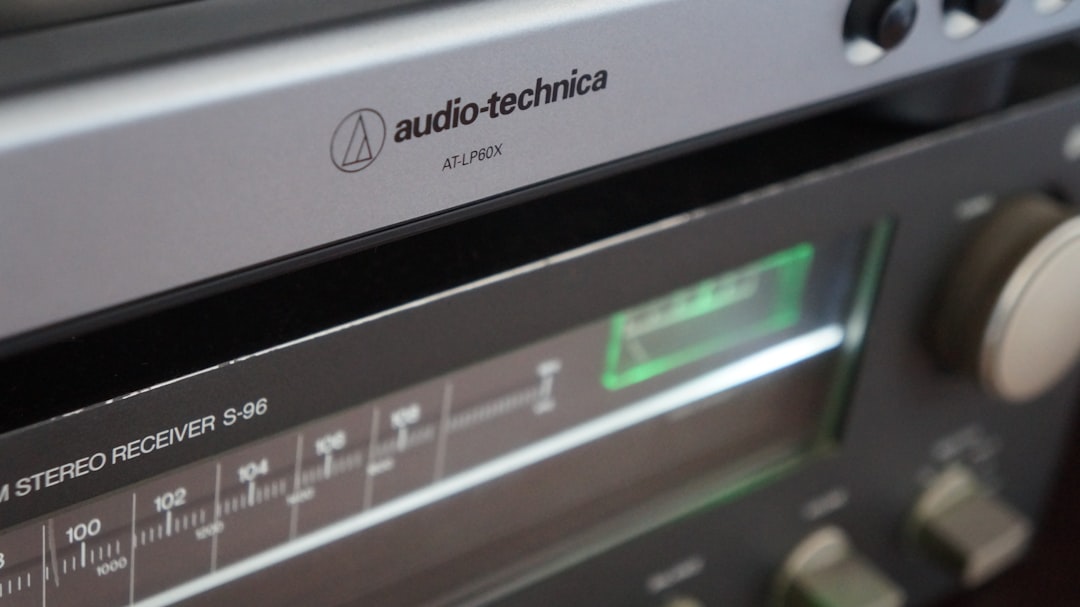
Digital audio warmth is a characteristic sound quality in music production that combines several technical elements to create a rich, full-bodied tone. This effect is typically achieved through three primary mechanisms: slight compression of the dynamic range, gentle saturation of frequencies, and subtle harmonic distortion. These techniques add character and depth to digital recordings, distinguishing them from sterile, clinical-sounding audio.
The term “warmth” in audio production refers to qualities historically associated with analog recordings, including enhanced harmonic content and natural compression that occurs in analog equipment. In modern digital production, where precision and clarity are standard, warmth must be deliberately introduced through processing techniques and tools. Producers and musicians use digital audio warmth to create more engaging and emotionally resonant recordings.
The effect makes audio sound more organic and inviting compared to unprocessed digital recordings. Achieving warmth in digital audio involves applying saturation, compression, and harmonic enhancement to individual tracks or entire mixes, allowing producers to replicate the sonic characteristics of classic analog recordings within a digital environment.
Key Takeaways
- Digital audio warmth enhances emotional connection and richness in modern music production.
- Analog emulation plugins, tube, and tape emulations are key tools for adding warmth to digital recordings.
- EQ, compression, saturation, and harmonic distortion techniques effectively create a warm, full sound.
- Many contemporary artists and producers actively incorporate digital warmth to improve their music’s feel.
- Embracing digital audio warmth requires overcoming technical challenges but is vital for future music evolution.
The Importance of Embracing Digital Audio Warmth in Modern Music Production
In today’s fast-paced digital music landscape, embracing digital audio warmth is more important than ever. As listeners become increasingly discerning, they seek out music that resonates on an emotional level. Warmth in audio can create an inviting atmosphere that draws listeners in, making them feel as though they are part of the experience rather than mere observers.
This emotional connection is vital for artists and producers who want their work to stand out in a crowded market. Moreover, digital audio warmth can help bridge the gap between the old and the new.
By incorporating warmth into your productions, you can honor the rich history of music while still embracing contemporary techniques. This fusion not only enhances your sound but also pays homage to the artists who came before you, creating a sense of continuity in the ever-evolving landscape of music. Experience the clarity and depth of sound like never before with high resolution audio.
Techniques for Achieving Digital Audio Warmth in Recording and Mixing
Achieving digital audio warmth requires a thoughtful approach during both the recording and mixing stages of production. One effective technique is to use microphones that capture a warm tonal quality. Dynamic microphones, for instance, tend to produce a more rounded sound compared to their condenser counterparts.
When recording vocals or instruments, consider experimenting with different mic placements and types to find the warmth that best suits your project. In addition to microphone selection, the mixing process plays a crucial role in achieving warmth. You can utilize techniques such as gentle compression to smooth out dynamics while adding character to your tracks.
By applying a low ratio and slow attack time on your compressor, you can enhance the natural sustain of instruments and vocals without sacrificing their liveliness. Furthermore, layering sounds can also contribute to warmth; by blending multiple takes or harmonies, you create a fuller sound that envelops the listener.
Utilizing Analog Emulation Plugins to Add Warmth to Digital Audio
In the realm of digital audio production, analog emulation plugins have become invaluable tools for adding warmth to your tracks. These plugins mimic the characteristics of vintage hardware, allowing you to infuse your digital recordings with the same richness and depth found in analog systems. From tape machines to tube preamps, these emulations can help you achieve that coveted warm sound without needing access to expensive studio equipment.
When using analog emulation plugins, it’s essential to experiment with different settings to find what works best for your specific project. For instance, applying a tape saturation plugin can introduce subtle harmonic distortion that enhances the overall warmth of your mix. Additionally, many of these plugins offer adjustable parameters that allow you to tailor the effect to your liking.
By incorporating these tools into your workflow, you can breathe new life into your digital recordings and create a sound that resonates with listeners.
The Role of Tube and Tape Emulation in Creating Warmth in Digital Audio
| Metric | Description | Typical Range | Impact on Digital Audio Warmth |
|---|---|---|---|
| Harmonic Distortion (THD) | Amount of added harmonic content, especially even-order harmonics | 0.01% – 0.1% | Low levels of even-order distortion can add pleasant warmth |
| Frequency Response | Amplitude variation across the audible spectrum (20 Hz – 20 kHz) | ±0.5 dB to ±3 dB | Slight midrange boost or gentle roll-off of highs enhances warmth |
| Dynamic Range | Difference between the quietest and loudest sound levels | 80 dB – 120 dB | Moderate dynamic range preserves natural warmth without harshness |
| Noise Floor | Background noise level in the audio signal | -90 dB to -120 dB | Very low noise floor maintains clarity while warmth is preserved |
| Compression Ratio | Degree of dynamic range reduction applied | 1:1 to 4:1 | Gentle compression can enhance perceived warmth by smoothing dynamics |
| Sample Rate | Number of audio samples per second | 44.1 kHz – 192 kHz | Lower sample rates may introduce subtle aliasing that some perceive as warmth |
| Bit Depth | Number of bits per audio sample | 16-bit to 24-bit | Lower bit depth can add quantization noise, sometimes contributing to warmth |
Tube and tape emulation play a significant role in creating warmth in digital audio. Tube amplifiers are renowned for their ability to produce a rich harmonic content that adds depth and character to recordings. When you apply tube emulation plugins or hardware during your mixing process, you can replicate this effect, resulting in a sound that feels more organic and inviting.
Tape emulation is another powerful tool for achieving warmth. The natural compression and saturation that occur when audio is recorded onto tape contribute to its unique character. By using tape emulation plugins, you can recreate this effect digitally, adding a layer of warmth that enhances your mix.
The subtle imperfections introduced by tape can also help smooth out harsh frequencies, making your tracks feel more cohesive and polished.
How to Use EQ and Compression to Enhance the Warmth of Digital Audio

Equalization (EQ) and compression are two fundamental tools in music production that can significantly enhance the warmth of your digital audio. When using EQ, focus on boosting lower midrange frequencies, typically between 200 Hz and 500 Hz. This range often contains the warmth and body of instruments and vocals.
By gently elevating these frequencies, you can create a fuller sound that resonates with listeners on an emotional level. Compression also plays a vital role in enhancing warmth. By applying gentle compression with a low ratio and slow attack time, you can smooth out dynamics while preserving the natural character of your audio.
This technique allows for a more cohesive mix while adding sustain to instruments and vocals. Additionally, consider using parallel compression to maintain the original dynamics while introducing warmth; this method allows you to blend compressed and uncompressed signals for a richer sound.
Incorporating Saturation and Harmonic Distortion for a Warm and Rich Sound
Saturation and harmonic distortion are essential elements in achieving a warm and rich sound in digital audio production. Saturation adds subtle harmonic content that enhances the overall character of your tracks without overwhelming them. You can achieve this effect through various means, such as using dedicated saturation plugins or even analog gear if available.
When incorporating saturation into your mix, it’s crucial to apply it judiciously. A little goes a long way; too much saturation can lead to muddiness or distortion that detracts from the clarity of your audio. Aim for a balance where the saturation enhances the warmth without compromising the integrity of your mix.
By carefully blending saturated elements with clean signals, you can create a lush soundscape that captivates listeners.
The Impact of Digital Audio Warmth on the Emotional Connection to Music
The emotional connection between listeners and music is profoundly influenced by the warmth present in audio recordings. Warmth evokes feelings of nostalgia, comfort, and intimacy—qualities that resonate deeply with audiences. When you incorporate warmth into your productions, you create an environment where listeners feel more engaged and connected to the music.
This emotional impact is particularly important in genres where storytelling plays a central role. Whether it’s folk, rock, or even electronic music, warmth can enhance lyrical themes and convey emotions more effectively. By prioritizing warmth in your productions, you not only elevate the listening experience but also foster a deeper connection between your audience and your art.
Examples of Artists and Producers Embracing Digital Audio Warmth in Their Work
Many contemporary artists and producers have embraced digital audio warmth in their work, showcasing its importance in modern music production. For instance, renowned producer Jack Antonoff has gained recognition for his ability to blend analog warmth with digital precision in his productions for artists like Taylor Swift and Lana Del Rey. His use of vintage equipment alongside modern techniques creates a sound that feels both timeless and fresh.
Similarly, artists like Bon Iver have utilized warmth as a key element in their sonic palette. Their lush arrangements often feature rich textures and layered harmonies that evoke an emotional response from listeners. By embracing digital audio warmth, these artists not only enhance their sound but also create an immersive experience that resonates long after the music has ended.
Overcoming the Challenges of Embracing Digital Audio Warmth in a Digital Age
While embracing digital audio warmth offers numerous benefits, it also presents challenges in today’s digital age. One significant hurdle is the tendency for digital recordings to prioritize clarity over character, leading to sterile-sounding mixes that lack emotional depth. As a producer or musician, it’s essential to remain mindful of this balance as you navigate modern technology.
Another challenge lies in finding the right tools and techniques to achieve warmth without compromising quality. With countless plugins available on the market, it can be overwhelming to determine which ones will best serve your needs. To overcome this challenge, consider investing time in research and experimentation; try out different plugins and techniques until you find what resonates with your artistic vision.
The Future of Digital Audio Warmth and Its Evolution in Music Production
As technology continues to evolve, so too will the concept of digital audio warmth in music production.
This evolution could lead to new possibilities for artists seeking to infuse their work with warmth while maintaining modern production standards.
Moreover, as listeners become increasingly aware of audio quality, there may be a growing demand for music that prioritizes emotional connection over technical perfection. This shift could encourage more producers and artists to embrace warmth as an essential element of their sound design. Ultimately, the future of digital audio warmth will likely be shaped by both technological advancements and an enduring desire for authentic musical experiences that resonate deeply with audiences around the world.
Digital audio warmth is a concept that refers to the rich, full sound quality often associated with analog recordings. This characteristic can be achieved through various techniques, including the use of specific plugins and processing methods that emulate the warmth of analog equipment. For a deeper understanding of this topic, you can explore the article on Freaky Science that discusses the nuances of audio quality and the techniques to achieve that sought-after warmth in digital recordings. Check it out here: Freaky Science.
WATCH THIS! Can You Really Hear High-Res Audio? 🎶
FAQs
What is digital audio warmth?
Digital audio warmth refers to the quality of sound in digital recordings that mimics the rich, full, and pleasing characteristics traditionally associated with analog audio. It often involves subtle harmonic distortion, smooth frequency response, and a sense of depth or presence in the sound.
How is digital audio warmth achieved?
Digital audio warmth can be achieved through various techniques such as using analog emulation plugins, tape saturation effects, harmonic exciters, and specific equalization methods that add subtle harmonic content and smooth out harsh frequencies.
Why is warmth important in digital audio?
Warmth is important because it enhances the listening experience by making digital recordings sound more natural, engaging, and less sterile or harsh. It helps to recreate the pleasing sonic characteristics of analog equipment that many listeners and audio professionals appreciate.
Can digital audio be as warm as analog audio?
While digital audio can closely emulate analog warmth through advanced processing and modeling, some purists argue that true analog warmth comes from the physical properties of analog equipment and tape, which digital systems can only approximate.
Does digital audio warmth affect sound quality?
Digital audio warmth can improve perceived sound quality by adding pleasing harmonic content and smoothing out harshness. However, excessive warmth or distortion can degrade clarity and detail, so it must be applied judiciously.
What tools are commonly used to add warmth to digital audio?
Common tools include analog modeling plugins, tape saturation plugins, tube and transformer emulators, harmonic distortion processors, and certain types of equalizers designed to enhance low-mid frequencies and reduce digital harshness.
Is digital audio warmth subjective?
Yes, perceptions of warmth can be subjective and vary between listeners. What sounds warm and pleasant to one person might sound dull or colored to another, depending on personal preference and listening environment.
Does the audio format affect digital warmth?
The audio format (such as WAV, MP3, or FLAC) primarily affects audio fidelity and compression but does not inherently add warmth. Warmth is more related to the processing and equipment used during recording, mixing, and playback rather than the file format itself.